
-
 DE
DE



Spagyrics – Meaning, Effects & Applications
Spagyrics is a holistic healing method rooted in alchemical principles, using plant, mineral, and animal substances to create remedies aimed at treating the whole person.
Things worth knowing about "Spagyrics"
Spagyrics is a holistic healing method rooted in alchemical principles, using plant, mineral, and animal substances to create remedies aimed at treating the whole person.
What is Spagyrics?
Spagyrics is a traditional healing system with roots in 16th-century alchemy. The term is derived from two Greek words: spao (to separate) and ageiro (to unite), describing its core process of breaking substances down into their components, purifying them, and then recombining them at a higher level. The Swiss physician and alchemist Paracelsus (1493–1541) is widely regarded as the founder of spagyrics, having applied alchemical principles to the practice of medicine.
Historical Background
Paracelsus developed spagyrics as an alternative to the humoral medicine dominant in his era. He believed diseases had a chemical basis and could be treated with targeted natural remedies. Later practitioners such as Alexander von Bernus and Carl Friedrich Zimpel refined spagyric methods and developed distinct production processes that are still in use today.
Core Principles and Mechanism
Spagyrics is based on three philosophical principles that Paracelsus called the Tria Prima:
- Sal (Salt): represents the solid, physical component of a substance.
- Sulphur (Sulfur): symbolizes the fiery, soul-like energy and active healing forces.
- Mercurius (Mercury): embodies the volatile, spiritual essence and life force.
In the spagyric production process, source materials – typically medicinal plants – are processed through fermentation, distillation, and calcination (reduction to ash by combustion). The resulting extracts and mineral salts are then recombined. The goal is to concentrate the healing compounds of a plant and remove unwanted constituents.
Areas of Application
Spagyric remedies are used in naturopathic medicine for a wide range of conditions, including:
- Respiratory conditions (e.g., colds, bronchitis)
- Digestive complaints and gastrointestinal disorders
- Nervous restlessness, sleep disturbances, and stress-related symptoms
- Skin and metabolic disorders
- Immune support and general vitality
Spagyric preparations are typically available as drops, globules, or tinctures and are individually tailored to the patient.
Difference from Homeopathy
Although spagyrics and homeopathy both belong to complementary medicine and use diluted substances, they differ significantly. Spagyric preparations contain both the distilled plant extract and the mineral salts from the calcinated ash, making them more substance-rich. Homeopathy, by contrast, uses potencies in which the original substance is diluted to levels where no original molecules remain.
Scientific Evaluation
From a scientific perspective, the efficacy of spagyrics has not yet been sufficiently proven through clinical trials. Only a limited number of controlled studies exist that clearly demonstrate the therapeutic benefit of spagyric preparations. In conventional medicine, spagyrics is therefore classified as a complementary or alternative therapy. Patients should always discuss spagyric treatments with a physician or naturopath and should not use them as a substitute for evidence-based medical care.
Safety and Side Effects
Spagyric preparations are generally considered well tolerated. However, interactions with pharmaceutical medications cannot be ruled out, especially when the plant extracts used contain pharmacologically active compounds. Pregnant or breastfeeding individuals and those with known allergies should seek medical advice before use.
References
- Madaus, G. – Lehrbuch der biologischen Heilmittel. Georg Thieme Verlag, 1938.
- Storl, W.-D. – Paracelsus: Medicine and Philosophy. AT Verlag, 2003.
- Wiesenauer, M. – Spagyrics, Homoeopathy and Naturopathy Compared. Haug Verlag, 2010.

Building Blocks for a Healthy Life
As an integrated manufacturer, we develop & produce evidence-based, patented, and non-patented formulations. We work exclusively with plant and natural extracts according to the strictest purity & quality standards.
The combination of science & modern technology with the laws of nature creates solutions consistently tailored to humans – for the highest good: health.
Verwandte Produkte

Floral
For Healthy Oral Flora & Dental Care
Formulated lozenges with Dentalac®, lactic acid bacteria, and Lactoferrin CLN®30 lozenges
Regular price:
€22.90
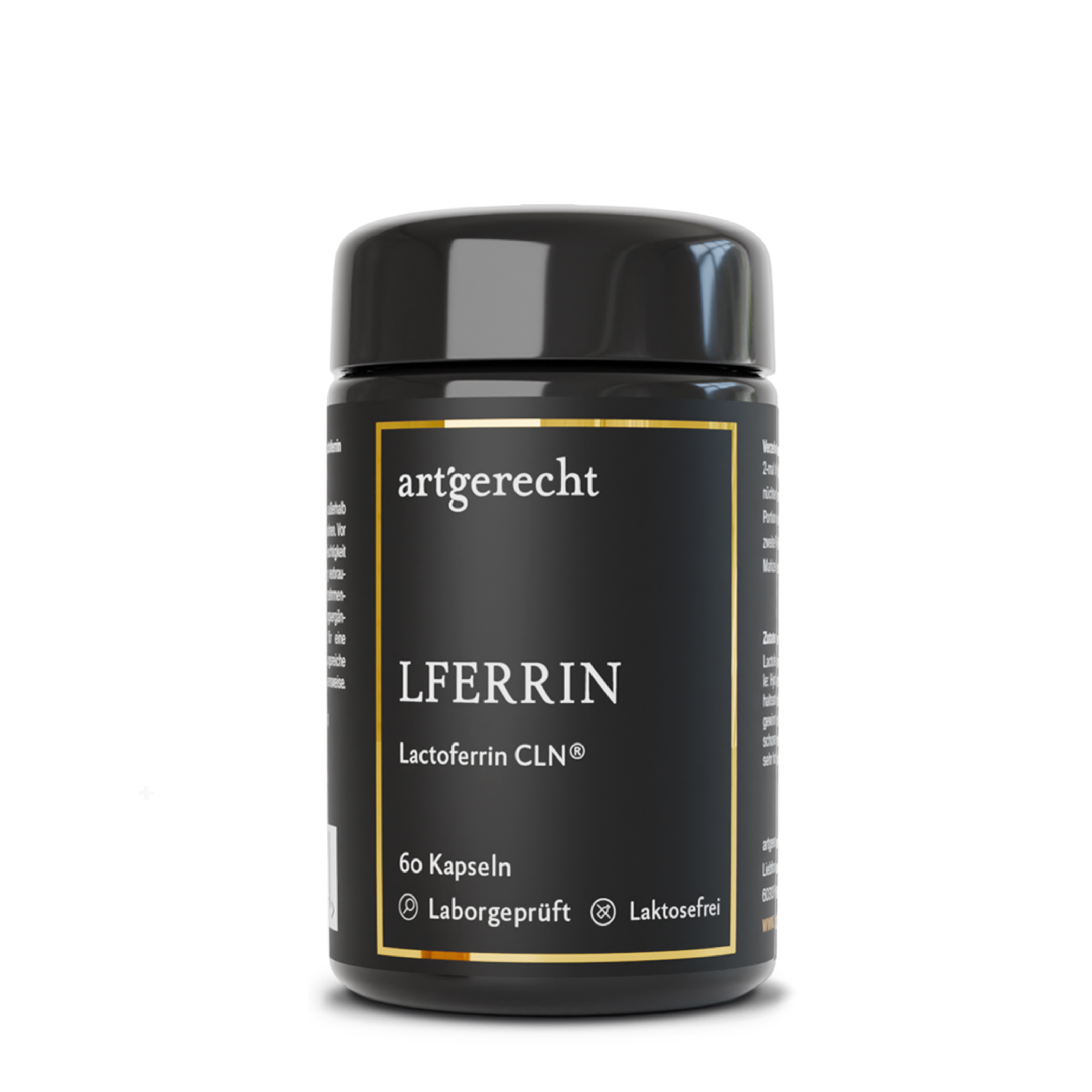
Lactoferrin
For your universal protection
As one of the most valuable proteins in the body, lactoferrin is a natural component of the immune system.[siehe Varianten]
Regular price:
€59.90

Natural Iron

For your iron balance
Specially formulated for your iron balance with plant-based curry leaf iron, Lactoferrin CLN®, and natural Vitamin C from rose hips.
30 Capsules
Regular price:
€35.90
Most read entries
3 Posts in this encyclopedia categoryMagnesiumcarbonat
Magnesiumcarbonat ist eine anorganische Magnesiumverbindung mit säure-neutralisierender (antazidischer) Wirkung. Erfahre mehr über Vorteile, Einsatzgebiete und Unterschiede zu besser resorbierbaren Magnesiumformen.
Calorie content
The choice of food influences our energy intake. The calorie content varies greatly - some provide little energy, others a lot.
Cologne list
The Cologne List ® is an important initiative in competitive sports that offers athletes guidance in the selection of nutritional supplements.