


Vaginosis: Causes, Symptoms and Treatment
Vaginosis is an imbalance of the natural bacterial flora of the vagina. It causes discharge and odor and is common among women of reproductive age. Treatment usually involves antibiotics.
Things worth knowing about "Vaginosis"
Vaginosis is an imbalance of the natural bacterial flora of the vagina. It causes discharge and odor and is common among women of reproductive age. Treatment usually involves antibiotics.
What is Vaginosis?
Vaginosis, commonly referred to as bacterial vaginosis (BV), is one of the most frequent vaginal conditions affecting women of reproductive age. It occurs when the natural balance of bacteria in the vagina is disrupted. Under normal circumstances, beneficial Lactobacillus bacteria dominate the vaginal microbiome and protect against infection. In vaginosis, these protective bacteria are replaced by an overgrowth of other organisms, most notably Gardnerella vaginalis and various anaerobic bacteria.
Causes
The exact cause of vaginosis is not fully understood, but several risk factors have been identified:
- Multiple or new sexual partners
- Vaginal douching or excessive intimate hygiene (disrupts the natural microbial balance)
- Cigarette smoking
- Hormonal changes (e.g., during pregnancy or menstrual cycle)
- Use of intrauterine devices (IUDs)
- Unprotected sexual intercourse
Vaginosis is not classified as a classic sexually transmitted infection, but sexual activity can influence its development and recurrence.
Symptoms
Many women with vaginosis experience no symptoms at all. When symptoms do occur, they typically include:
- Thin, grayish-white vaginal discharge
- Fishy odor, often more noticeable after sexual intercourse or during menstruation
- Mild itching or burning in the vaginal area (less common)
- No significant pain or redness (which helps distinguish it from yeast infections)
Diagnosis
Vaginosis is diagnosed during a gynecological examination. Common diagnostic approaches include:
- Amsel criteria: At least three of four criteria must be met -- characteristic discharge, vaginal pH above 4.5, positive whiff test, and microscopic detection of clue cells
- Microscopy (Nugent score): Examination of a vaginal swab under a microscope to assess bacterial composition
- pH testing: An elevated vaginal pH (above 4.5) is a key diagnostic indicator
Treatment
Vaginosis is typically treated with antibiotics. Common treatment options include:
- Metronidazole (oral or vaginal gel) -- first-line treatment
- Clindamycin (vaginal cream or oral) -- an alternative for those who cannot tolerate metronidazole
- Probiotic supplements containing Lactobacillus strains -- used as a supportive measure to restore healthy vaginal flora
It is important to complete the full course of treatment even if symptoms improve. Vaginosis has a high recurrence rate, so follow-up appointments are recommended.
Treatment During Pregnancy
Vaginosis during pregnancy should always be treated, as it is associated with an increased risk of preterm birth and other obstetric complications. Treatment is carried out under medical supervision, typically using clindamycin or metronidazole at adjusted doses.
Prevention
There is no guaranteed way to prevent vaginosis, but the following measures may help reduce the risk:
- Gentle, pH-balanced intimate hygiene without vaginal douching
- Using condoms during sexual intercourse
- Avoiding smoking
- Wearing breathable cotton underwear
References
- Workowski KA et al. -- Sexually Transmitted Infections Treatment Guidelines, CDC (2021). Available at: https://www.cdc.gov/std/treatment-guidelines
- Sherrard J et al. -- European (IUSTI/WHO) Guideline on the Management of Vaginal Discharge (2018). International Journal of STD and AIDS, 29(13):1258-1272.
- Muzny CA, Schwebke JR -- Pathogenesis of Bacterial Vaginosis: Discussion of Current Hypotheses. Journal of Infectious Diseases, 214(S1):S1-S5 (2016).

Building Blocks for a Healthy Life
As an integrated manufacturer, we develop & produce evidence-based, patented, and non-patented formulations. We work exclusively with plant and natural extracts according to the strictest purity & quality standards.
The combination of science & modern technology with the laws of nature creates solutions consistently tailored to humans – for the highest good: health.
Verwandte Produkte

For Healthy Oral Flora & Dental Care
Formulated lozenges with Dentalac®, lactic acid bacteria, and Lactoferrin CLN®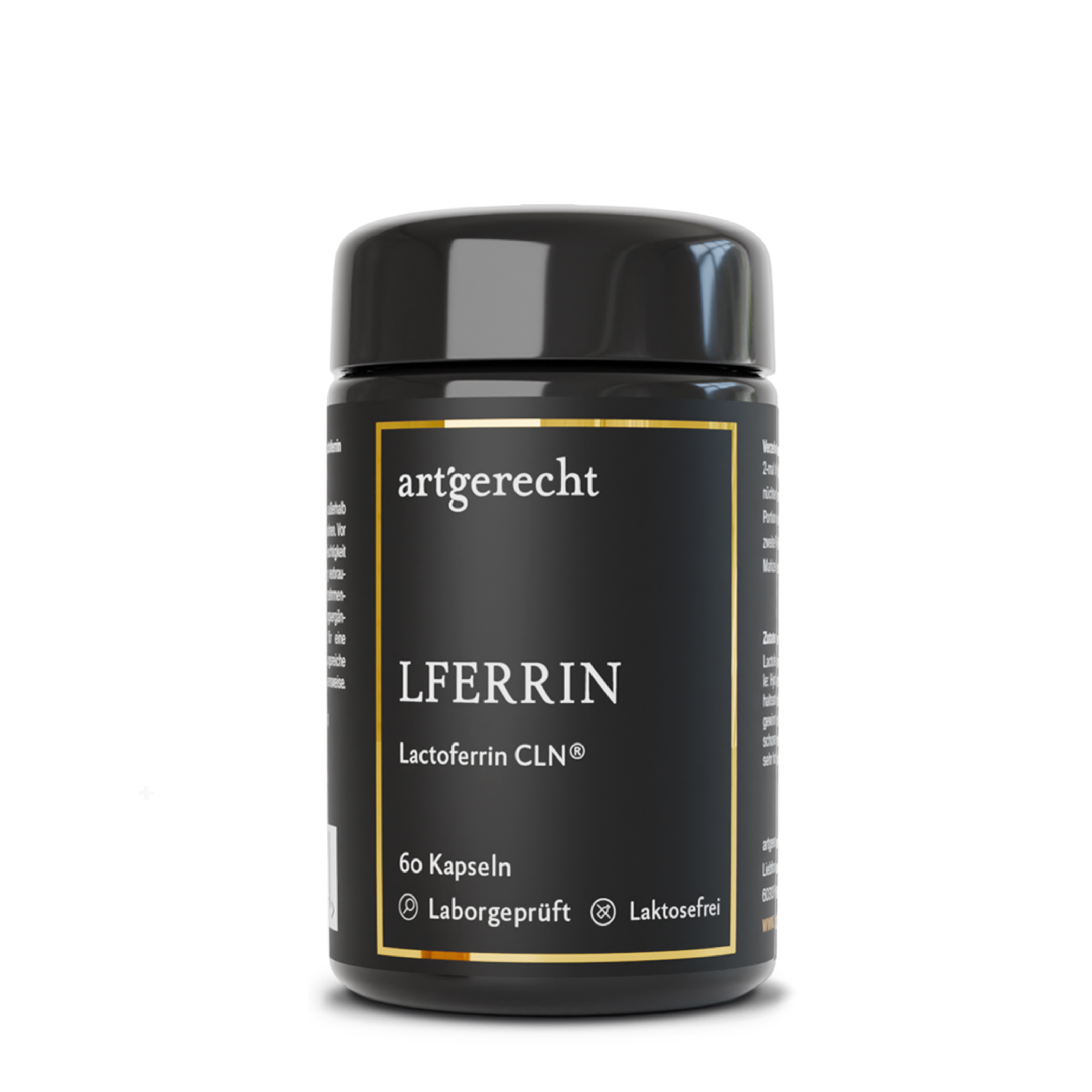
For your universal protection
As one of the most valuable proteins in the body, lactoferrin is a natural component of the immune system.
For your iron balance
Specially formulated for your iron balance with plant-based curry leaf iron, Lactoferrin CLN®, and natural Vitamin C from rose hips.