 Your fresh start in 2026: A cure for many resolutions – now with a 15% early bird discount!




Hair loss (alopecia) - causes, nutrients & treatment options
Hair loss can be caused by a lack of nutrients, hormones or illness. Find out more about causes, important nutrients such as iron & zinc and effective treatment methods.
Wissenswertes über "Hair loss (alopecia)"
Hair loss, medically known as alopecia, is the excessive loss of hair, which can have various causes.
While a certain amount of hair loss is normal, we speak of alopecia when more than 100 hairs fall out over a longer period of time or bald patches become visible. The most common forms are hereditary hair loss (androgenetic alopecia), which is caused by a genetic hypersensitivity to dihydrotestosterone (DHT), and diffuse hair loss, which can be caused by nutrient deficiency, stress or hormonal changes.Diseases such as thyroid problems, autoimmune diseases or infections can also favour hair loss. A lack of essential nutrients plays a decisive role, especially iron, zinc, biotin (vitamin B7) and vitamin D.
Iron deficiency is one of the most common causes of diffuse hair loss, as iron is important for the oxygen supply to the hair follicles. If the body lacks iron, the hair roots are not sufficiently supplied with nutrients, which can lead to increased hair loss and thinning hair. Women with heavy menstruation, vegetarians and vegans are particularly at risk, as iron is mainly found in animal products. Here, the combination with lactoferrin, an endogenous iron-binding glycoprotein, is useful, as it promotes iron absorption in the intestine and can help to remedy an iron deficiency. In contrast to classic iron supplements, lactoferrin makes iron particularly well tolerated, as it increases bioavailability while reducing the risk of side effects such as gastrointestinal complaints.
Zinc is another essential trace element for healthy hair growth. It plays a role in cell division, the regulation of sebum production and the formation of keratin, the main component of hair. A zinc deficiency can lead to brittle hair, increased hair loss and even scalp irritation.
Biotin (vitamin B7) is known for its protective effect on skin, hair and nails. It supports keratin production and ensures strong, resilient hair.
Vitamin D is also important for hair follicles as it regulates cell growth and has an anti-inflammatory effect.
Studies show that vitamin D deficiency can be associated with increased hair loss, particularly in the case of androgenetic alopecia and circular hair loss.
A balanced diet with sufficient iron, zinc, biotin and vitamin D is important to prevent hair loss and promote hair growth. In many cases, a targeted change in diet, the use of dietary supplements or drug therapy with minoxidil or finasteride can help.
Verwandte Produkte
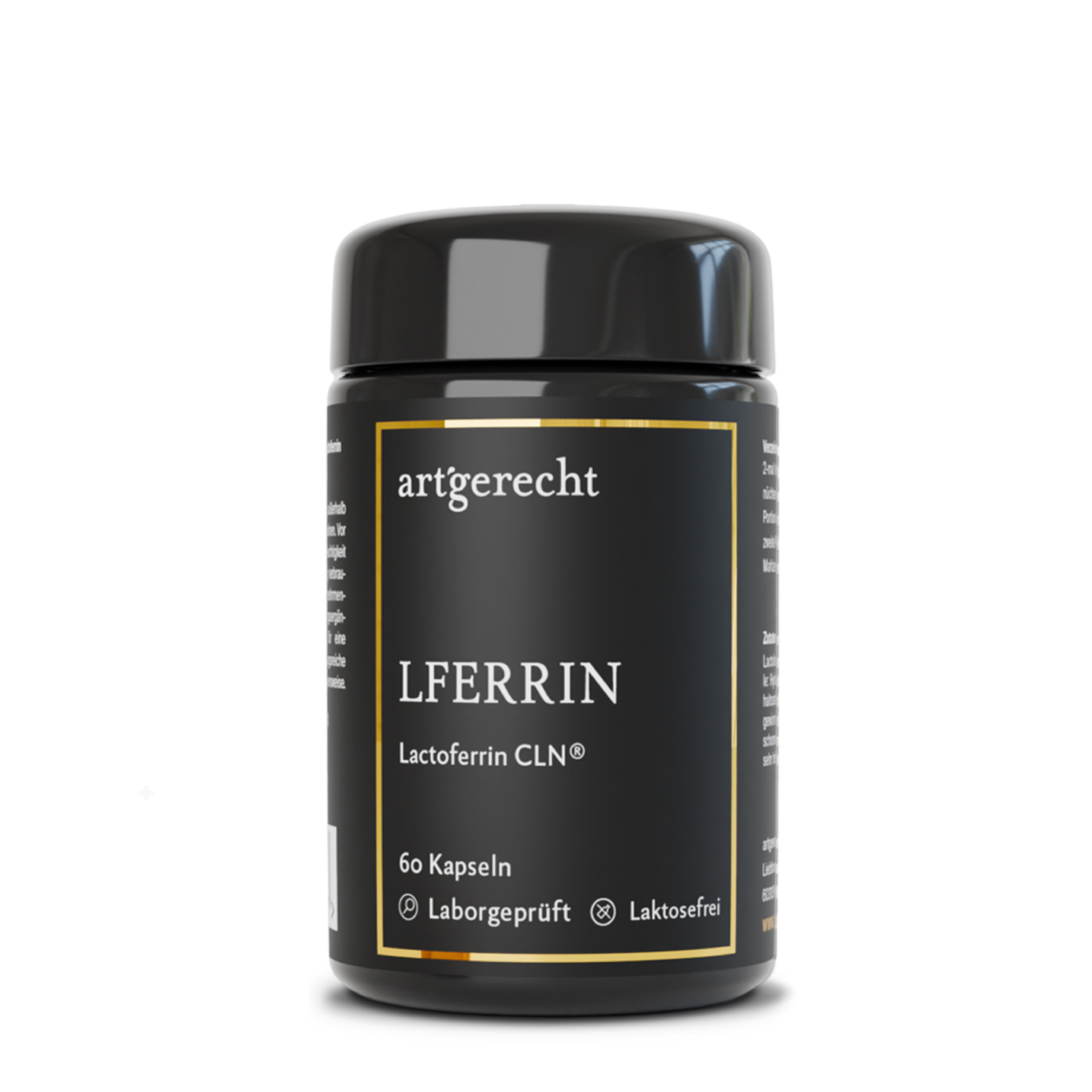
For your universal protection
As one of the most valuable proteins in the body, lactoferrin is a natural component of the immune system. UV-protected glass
 Lab-tested
 Non-GMO
 No artificial additives
 Product listed on the Cologne List®
 Lactose-free
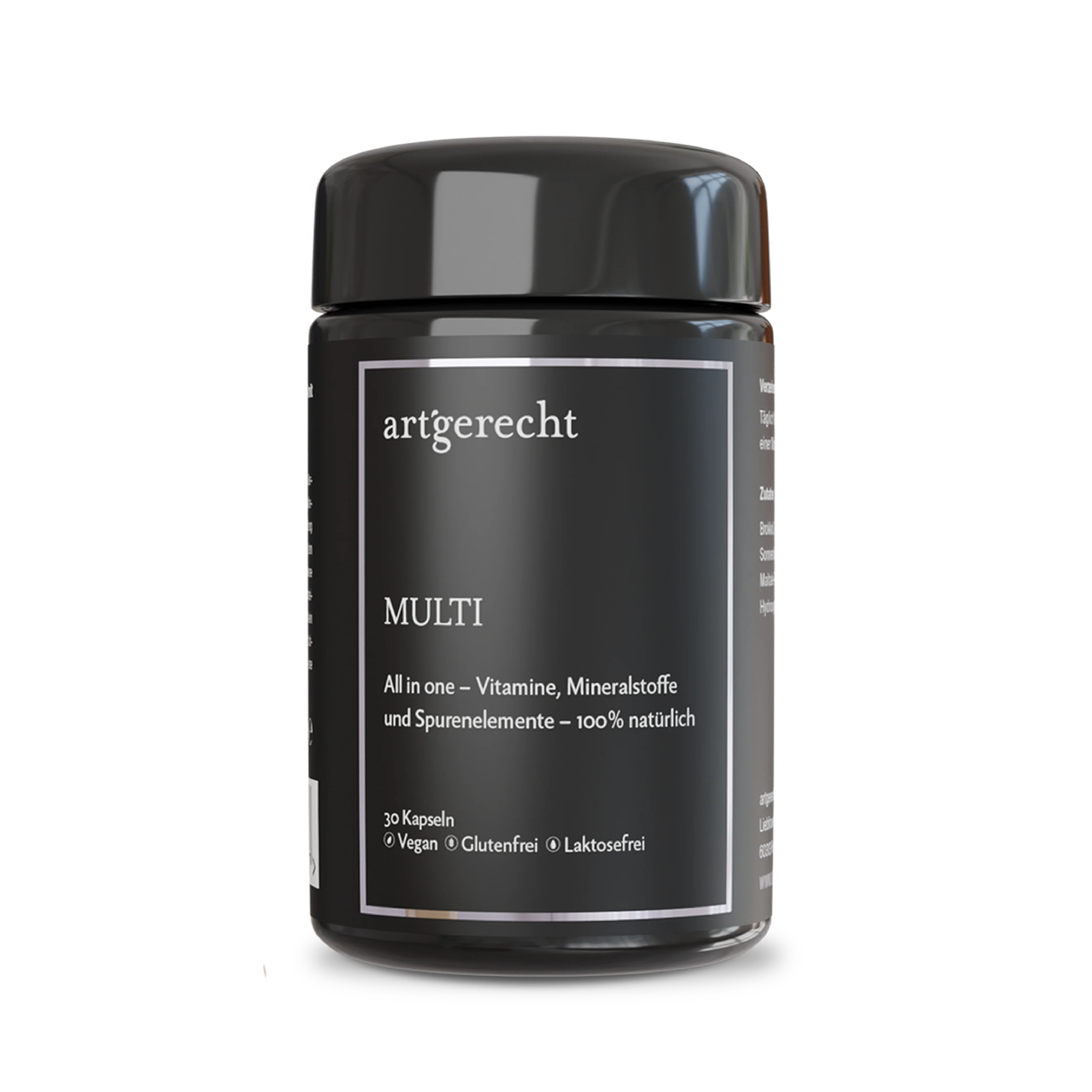
Your basic supply for a comprehensive range of vital and micronutrients.
All essential vitamins, trace elements, and valuable micronutrients 100% from natural raw materials. UV-protected glass
Lab-tested
Non-GMO
No artificial additives
Product listed on the Cologne List®
 Gluten-free
Lactose-free
Gluten-free
Lactose-free
 Vegan
Vegan
 Fructose-free

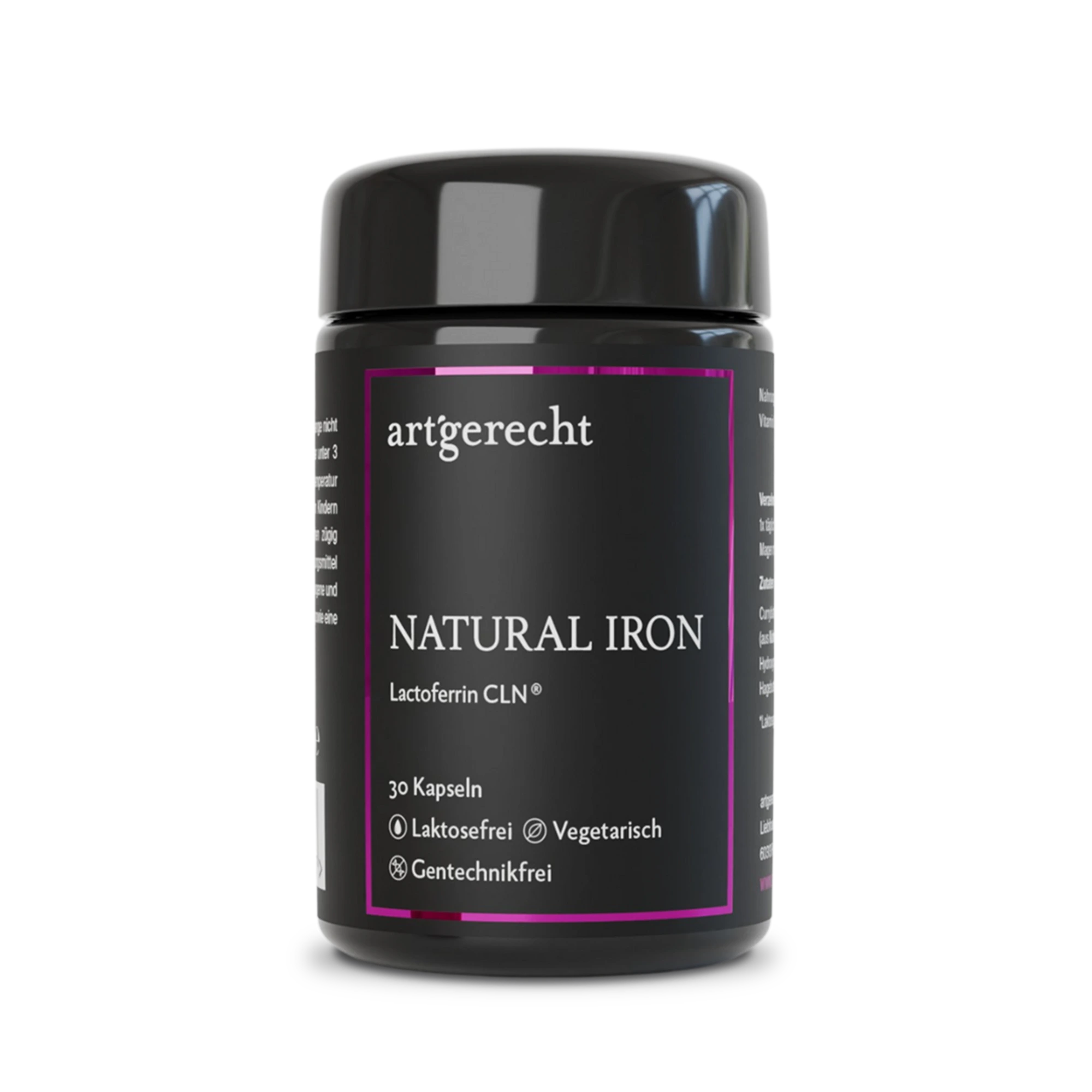
For your iron balance
Specially formulated for your iron balance with plant-based curry leaf iron, Lactoferrin CLN®, and natural Vitamin C from rose hips. UV-protected glass
Lab-tested
Non-GMO
No artificial additives
Product listed on the Cologne List®
Gluten-free
Lactose-free
 100% vegetarian fermentation
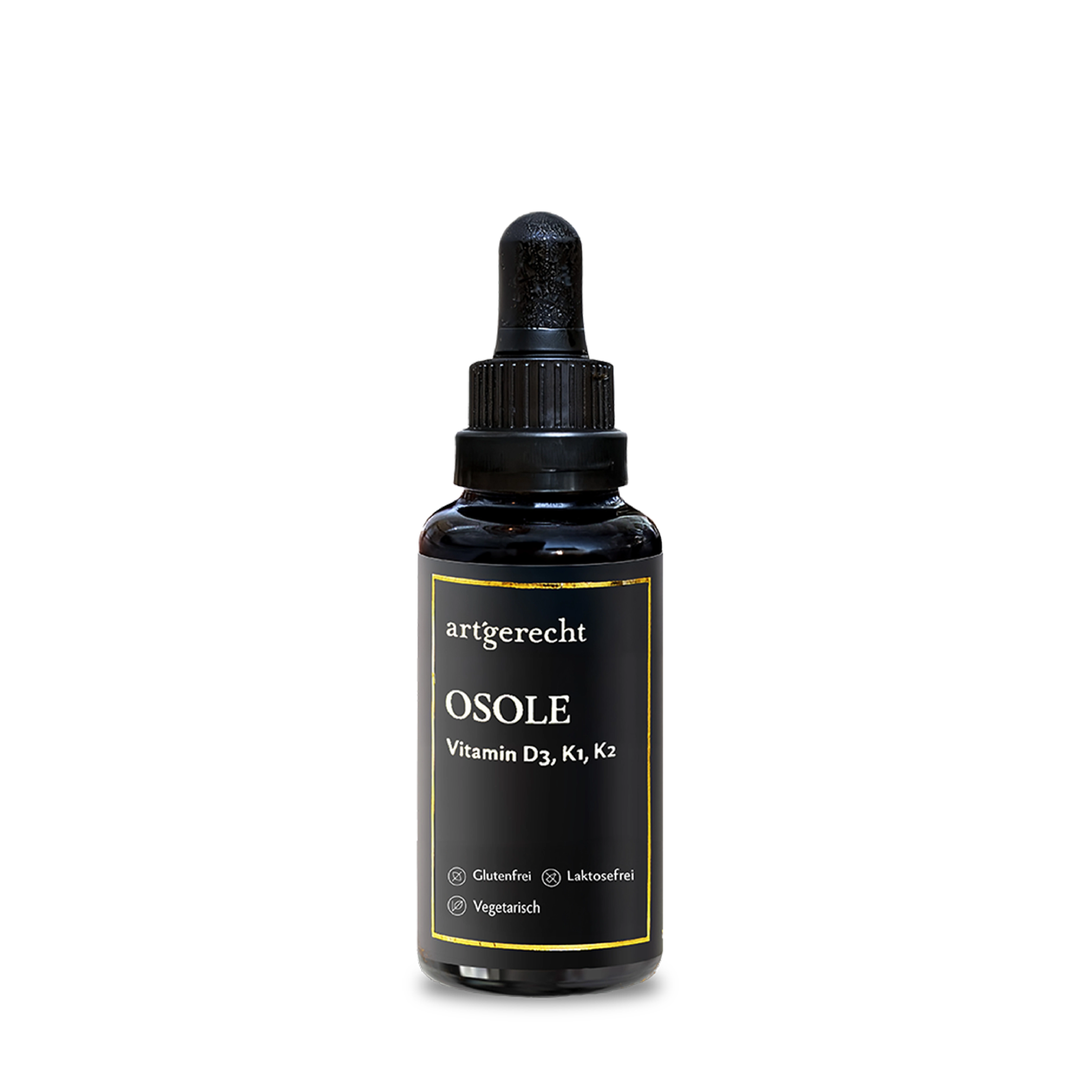
For your immune system, bones and teeth
OSOLE is gently produced using full-spectrum extraction from purely organic raw material sources. UV-protected glass
Lab-tested
Non-GMO
No artificial additives
Product listed on the Cologne List®
Gluten-free
Lactose-free
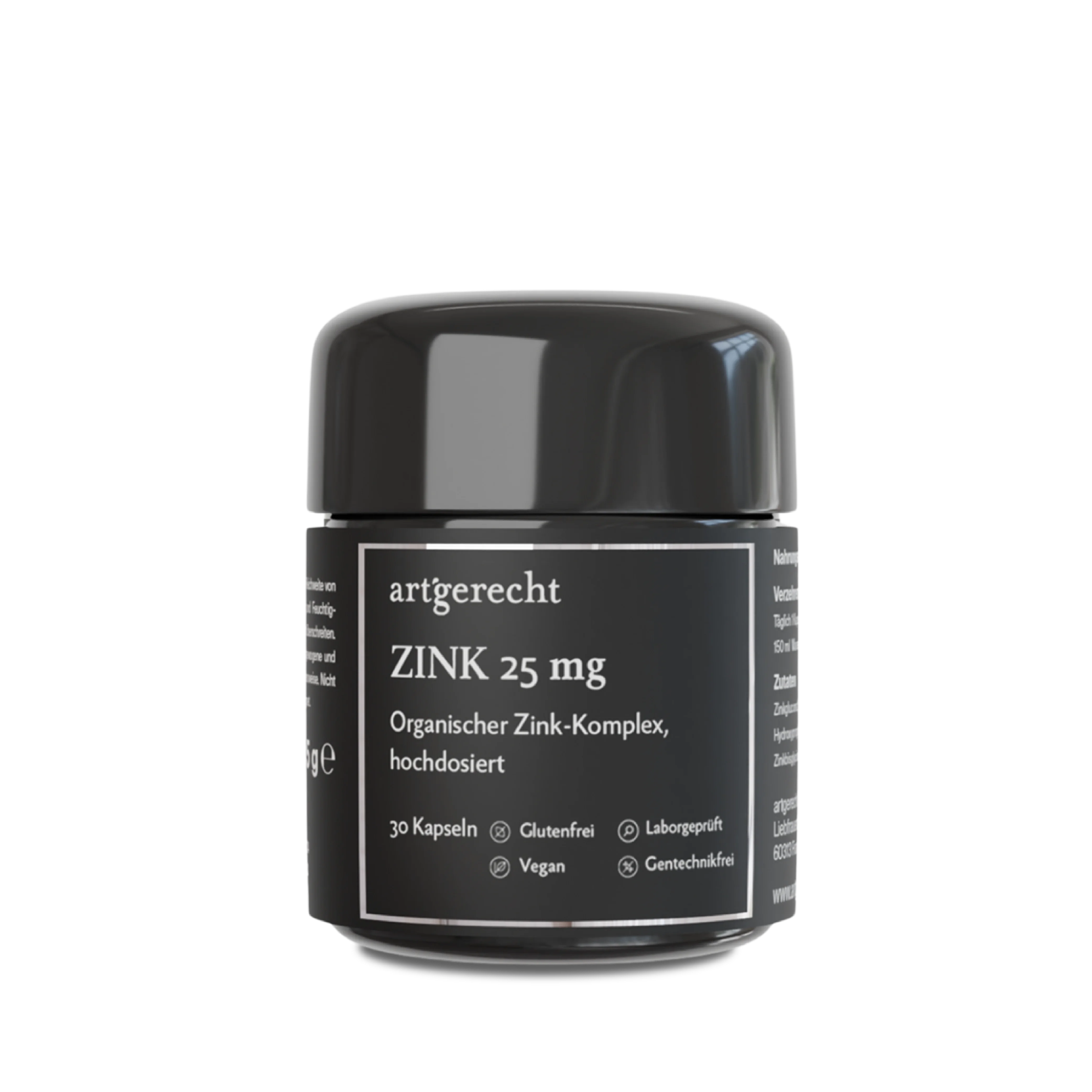
Essential trace element for your health & well-being
High-purity organic zinc compounds for the immune system, skin & hairLab-tested
Non-GMO
Gluten-free
Vegan
Die neusten Einträge
3 Posts in this encyclopedia categoryGerman Association of Occupational Therapy
Irritable Bowel Syndrome (IBS) Symptoms
Die meistgelesenen Einträge
3 Posts in this encyclopedia categoryMagnesiumcarbonat
Cologne list
Calorie content
Verwandte Suchbegriffe: Hair loss + Alopecia + Causes of hair loss + What helps against hair loss + Stopping hair loss + Which vitamins for hair loss