
-
 DE
DE



Acetylation Disorder – Causes, Symptoms and Treatment
An acetylation disorder refers to a disruption in the biochemical process by which acetyl groups are transferred to target molecules, affecting drug metabolism and detoxification.
Things worth knowing about "Acetylation Disorder"
An acetylation disorder refers to a disruption in the biochemical process by which acetyl groups are transferred to target molecules, affecting drug metabolism and detoxification.
What Is an Acetylation Disorder?
An acetylation disorder refers to a dysfunction in the biochemical process of acetylation -- a fundamental chemical reaction in the human body in which an acetyl group (CH₃CO-) is transferred to a target molecule. This process plays a critical role in the detoxification of drugs and foreign substances, the regulation of gene expression, and the modulation of protein function. When this process is impaired, the condition is referred to as an acetylation disorder.
Biochemical Background
Acetylation is primarily catalyzed by the enzyme N-acetyltransferase (NAT), particularly the isoforms NAT1 and NAT2. These enzymes transfer acetyl groups onto substrates such as medications, environmental toxins, and endogenous substances. Based on the genetic makeup of these enzymes, individuals are classified as:
- Slow acetylators: People with reduced NAT activity who metabolize substances more slowly.
- Fast acetylators: People with high NAT activity who metabolize substances more rapidly.
This genetically determined variability can have significant implications for drug tolerance, efficacy, and the risk of developing certain diseases.
Causes
Acetylation disorders can arise from various causes:
- Genetic polymorphisms: Mutations or variants in the NAT1 or NAT2 gene lead to altered enzyme activity. This is the most common cause.
- Nutrient deficiencies: Deficiency in Coenzyme A (CoA), which carries acetyl groups, or in pantothenic acid (Vitamin B5), which is required for CoA synthesis, can impair acetylation.
- Liver disease: Since the liver is the central organ of xenobiotic metabolism, liver conditions can reduce acetylation capacity.
- Drug interactions: Certain medications can inhibit or enhance the activity of acetyltransferases.
Symptoms and Effects
An acetylation disorder typically does not cause direct, specific symptoms. However, it can indirectly contribute to the following problems:
- Increased drug sensitivity or more pronounced side effects in slow acetylators
- Reduced drug efficacy in fast acetylators
- Higher risk of drug-induced systemic lupus erythematosus (SLE) in slow acetylators taking certain medications such as hydralazine or isoniazid
- Greater susceptibility to environmental toxins and carcinogenic substances
- Potential impairment of the liver detoxification function
Diagnosis
The diagnosis of an acetylation disorder is established through several methods:
- Genotyping: Molecular genetic analysis of the NAT1 and NAT2 genes to determine the acetylation status.
- Phenotyping: Measurement of the metabolic rate of a test substance (e.g., caffeine) in urine or blood to assess actual enzyme activity.
- Laboratory diagnostics: Measurement of relevant biomarkers in the blood that may indicate impaired acetylation.
Treatment and Management
A curative therapy for genetically determined acetylation disorders is currently not available. Management focuses on minimizing the impact:
- Medication adjustment: Drug dosage and selection should be tailored to the acetylation status of the individual patient (personalized medicine / pharmacogenetics).
- Nutritional optimization: Adequate intake of pantothenic acid (Vitamin B5) and other B vitamins to support CoA synthesis.
- Avoidance of risk substances: Individuals with a known acetylation disorder should avoid certain environmental toxins and medications that are metabolized via the NAT pathway.
- Regular medical monitoring: Especially during long-term therapy with affected drugs.
Clinical Relevance
Knowledge of a patient's acetylation status is of growing importance in modern medicine. Within the field of pharmacogenetics, it enables individually tailored drug selection and dosing. This is particularly relevant for medications such as isoniazid (tuberculosis), hydralazine (hypertension), procainamide (cardiac arrhythmias), and certain sulfonamides.
References
- Hein, D.W. (2002): Molecular genetics and function of NAT1 and NAT2: role in aromatic amine metabolism and carcinogenesis. In: Mutation Research, 506-507, pp. 65-77. PubMed.
- World Health Organization (WHO): Pharmacogenomics and rational use of medicines. WHO Press, Geneva.
- Evans, D.A.P. (1989): N-acetyltransferase. In: Pharmacology and Therapeutics, 42(2), pp. 157-234. PubMed.

Building Blocks for a Healthy Life
As an integrated manufacturer, we develop & produce evidence-based, patented, and non-patented formulations. We work exclusively with plant and natural extracts according to the strictest purity & quality standards.
The combination of science & modern technology with the laws of nature creates solutions consistently tailored to humans – for the highest good: health.
Verwandte Produkte
Subscription available

Floral
For Healthy Oral Flora & Dental Care
Formulated lozenges with Dentalac®, lactic acid bacteria, and Lactoferrin CLN®30 lozenges
Regular price:
€22.90
Subscription available
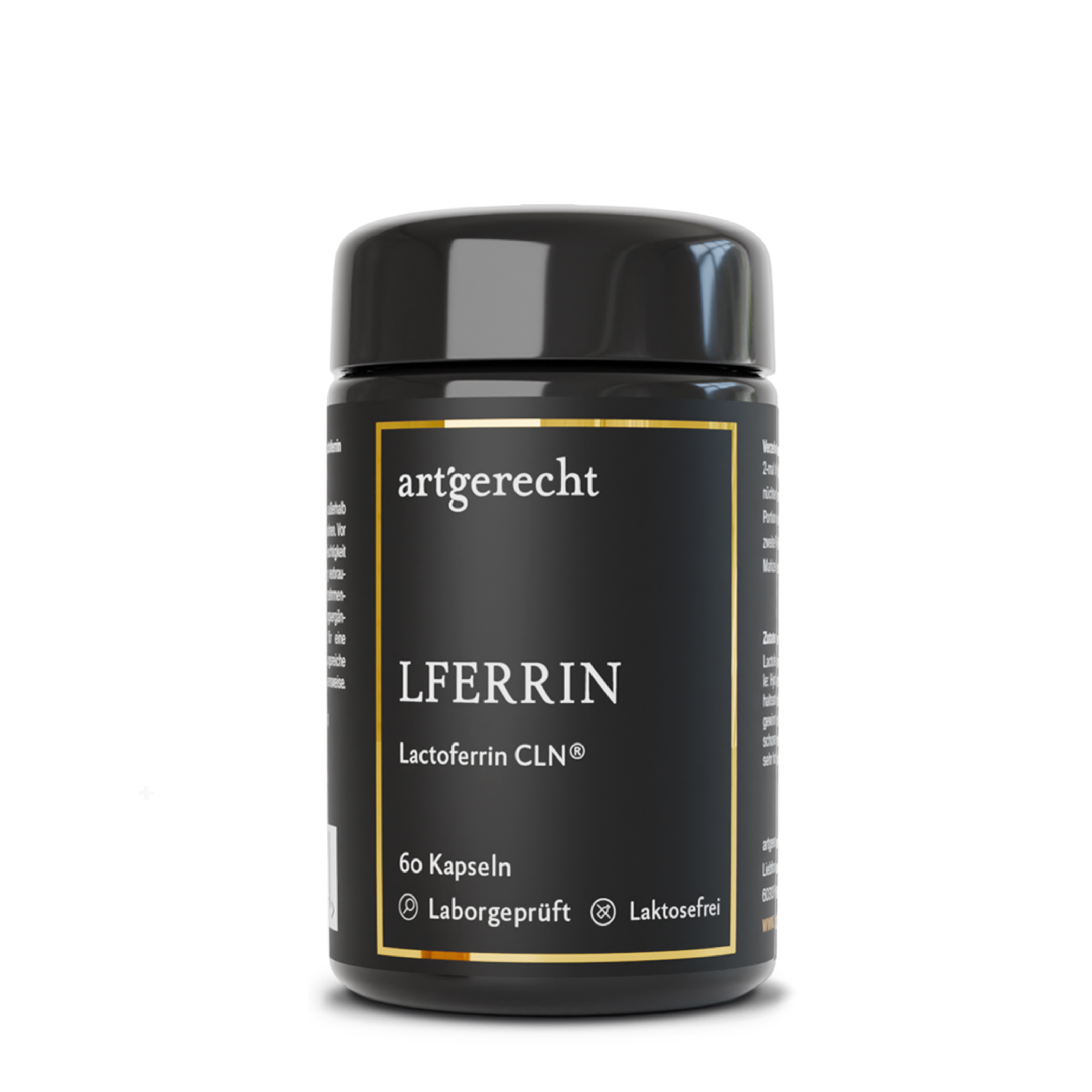
Lactoferrin
For your universal protection
As one of the most valuable proteins in the body, lactoferrin is a natural component of the immune system.[siehe Varianten]
Regular price:
€59.90
Subscription available

Natural Iron

For your iron balance
Specially formulated for your iron balance with plant-based curry leaf iron, Lactoferrin CLN®, and natural Vitamin C from rose hips.
30 Capsules
Regular price:
€35.90
Most read entries
3 Posts in this encyclopedia categoryMagnesiumcarbonat
Magnesiumcarbonat ist eine anorganische Magnesiumverbindung mit säure-neutralisierender (antazidischer) Wirkung. Erfahre mehr über Vorteile, Einsatzgebiete und Unterschiede zu besser resorbierbaren Magnesiumformen.
Calorie content
The choice of food influences our energy intake. The calorie content varies greatly - some provide little energy, others a lot.
Cologne list
The Cologne List ® is an important initiative in competitive sports that offers athletes guidance in the selection of nutritional supplements.