
-
 DE
DE



Autophagy Stimulation – Activating Cell Renewal
Autophagy stimulation refers to the targeted activation of the cellular self-cleaning process known as autophagy, in which damaged cell components are broken down and recycled.
Things worth knowing about "Autophagy Stimulation"
Autophagy stimulation refers to the targeted activation of the cellular self-cleaning process known as autophagy, in which damaged cell components are broken down and recycled.
What Is Autophagy Stimulation?
Autophagy stimulation refers to the deliberate activation of autophagy – a vital cellular process in which cells break down and recycle damaged, dysfunctional, or surplus components. The term derives from the Greek words auto (self) and phagein (to eat), making autophagy literally a process of cellular self-digestion aimed at renewal and survival.
This process can be triggered by various factors, including fasting, physical exercise, specific nutrients and bioactive compounds, as well as pharmacological interventions. Scientific and public interest in autophagy stimulation grew substantially after Japanese cell biologist Yoshinori Ohsumi was awarded the 2016 Nobel Prize in Physiology or Medicine for his discoveries of the mechanisms underlying autophagy.
Biological Basis of Autophagy
Autophagy is an evolutionarily conserved process present in virtually all eukaryotic cells. Three main forms are distinguished:
- Macroautophagy: The most common form, in which a double-membrane vesicle called an autophagosome engulfs cellular material and subsequently fuses with a lysosome for degradation.
- Microautophagy: The lysosome directly engulfs small amounts of cytoplasm.
- Chaperone-mediated autophagy (CMA): Specific proteins are transported directly into the lysosome with the help of chaperone proteins.
The most extensively studied regulatory pathway involves the mTOR signaling pathway (mechanistic Target of Rapamycin). When mTOR is active – as occurs during nutrient abundance – autophagy is suppressed. When mTOR is inhibited – for example through fasting, caloric restriction, or specific compounds – autophagy is activated. Another key activator is AMPK (AMP-activated protein kinase), a cellular energy sensor that promotes autophagy when intracellular energy levels are low.
Methods of Autophagy Stimulation
Fasting and Caloric Restriction
Intermittent fasting and prolonged fasting periods are among the most effective and well-researched methods for stimulating autophagy. Studies show measurable increases in autophagic activity after just 12–16 hours without food intake. Declining insulin levels and inhibition of the mTOR pathway play central roles in this process.
Physical Exercise
Endurance training and high-intensity exercise stimulate autophagy, particularly in muscle cells and cardiac tissue. Exercise increases energy demand and activates AMPK, which in turn initiates autophagic processes. Regular physical activity is therefore considered an important non-pharmacological method of autophagy stimulation.
Nutrition and Bioactive Compounds
Certain dietary components and plant-derived substances can promote autophagy:
- Resveratrol (found in red grapes and red wine): activates sirtuins and inhibits mTOR
- Curcumin (found in turmeric): modulates several autophagy-relevant signaling pathways
- Spermidine (found in wheat germ, soybeans, and aged cheese): considered a natural autophagy inducer and the subject of ongoing clinical trials
- EGCG (epigallocatechin gallate from green tea): inhibits mTOR and promotes AMPK activation
- Decaffeinated coffee and certain fatty acids such as beta-hydroxybutyrate (produced during ketogenic diets) also display autophagy-promoting properties.
Pharmacological Approaches
Several compounds are used or investigated in medical research to specifically stimulate autophagy:
- Rapamycin and its derivatives (rapalogs): direct mTOR inhibitors, clinically used as immunosuppressants and in oncology
- Metformin: a widely used antidiabetic drug that activates AMPK and thereby promotes autophagy
- Hydroxychloroquine: blocks the lysosomal degradation step and is being studied as an autophagy inhibitor in cancer therapy – illustrating the nuanced nature of therapeutic autophagy modulation
Medical Significance and Potential Applications
Autophagy stimulation is being explored across numerous medical fields:
- Aging and longevity: Autophagic activity declines with age. Stimulation may counteract age-related cellular damage and support healthy aging.
- Neurodegenerative diseases: In conditions such as Alzheimer and Parkinson disease, misfolded proteins accumulate. Autophagy can help clear these aggregates.
- Oncology: The role of autophagy in cancer is complex – it can act as both a tumor suppressor and a tumor survival mechanism, depending on disease stage and context.
- Metabolic diseases: In type 2 diabetes and obesity, enhanced autophagy may improve insulin sensitivity and reduce chronic inflammation.
- Infectious diseases: Autophagy plays a role in the immune defense against intracellular pathogens through a process known as xenophagy.
Safety and Limitations
Although autophagy stimulation holds great promise, caution is warranted. Excessive or uncontrolled autophagy can lead to the destruction of vital cellular structures and has been associated with cell death in certain pathological contexts. Pharmacological interventions targeting the autophagy pathway should only be pursued under medical supervision and within the framework of clinical trials. Natural approaches such as moderate fasting and regular physical activity are generally considered safe for healthy adults, but should still be discussed with a healthcare provider – especially in the presence of pre-existing conditions or during pregnancy.
References
- Mizushima N, Levine B, Cuervo AM, Klionsky DJ. Autophagy fights disease through cellular self-digestion. Nature. 2008;451(7182):1069–1075. doi:10.1038/nature06639
- Levine B, Kroemer G. Biological Functions of Autophagy Genes: A Disease Perspective. Cell. 2019;176(1–2):11–42. doi:10.1016/j.cell.2018.09.048
- Madeo F, Eisenberg T, Pietrocola F, Kroemer G. Spermidine in health and disease. Science. 2018;359(6374):eaan2788. doi:10.1126/science.aan2788

Building Blocks for a Healthy Life
As an integrated manufacturer, we develop & produce evidence-based, patented, and non-patented formulations. We work exclusively with plant and natural extracts according to the strictest purity & quality standards.
The combination of science & modern technology with the laws of nature creates solutions consistently tailored to humans – for the highest good: health.
Verwandte Produkte
Subscription available

Floral
For Healthy Oral Flora & Dental Care
Formulated lozenges with Dentalac®, lactic acid bacteria, and Lactoferrin CLN®30 lozenges
Regular price:
€22.90
Subscription available
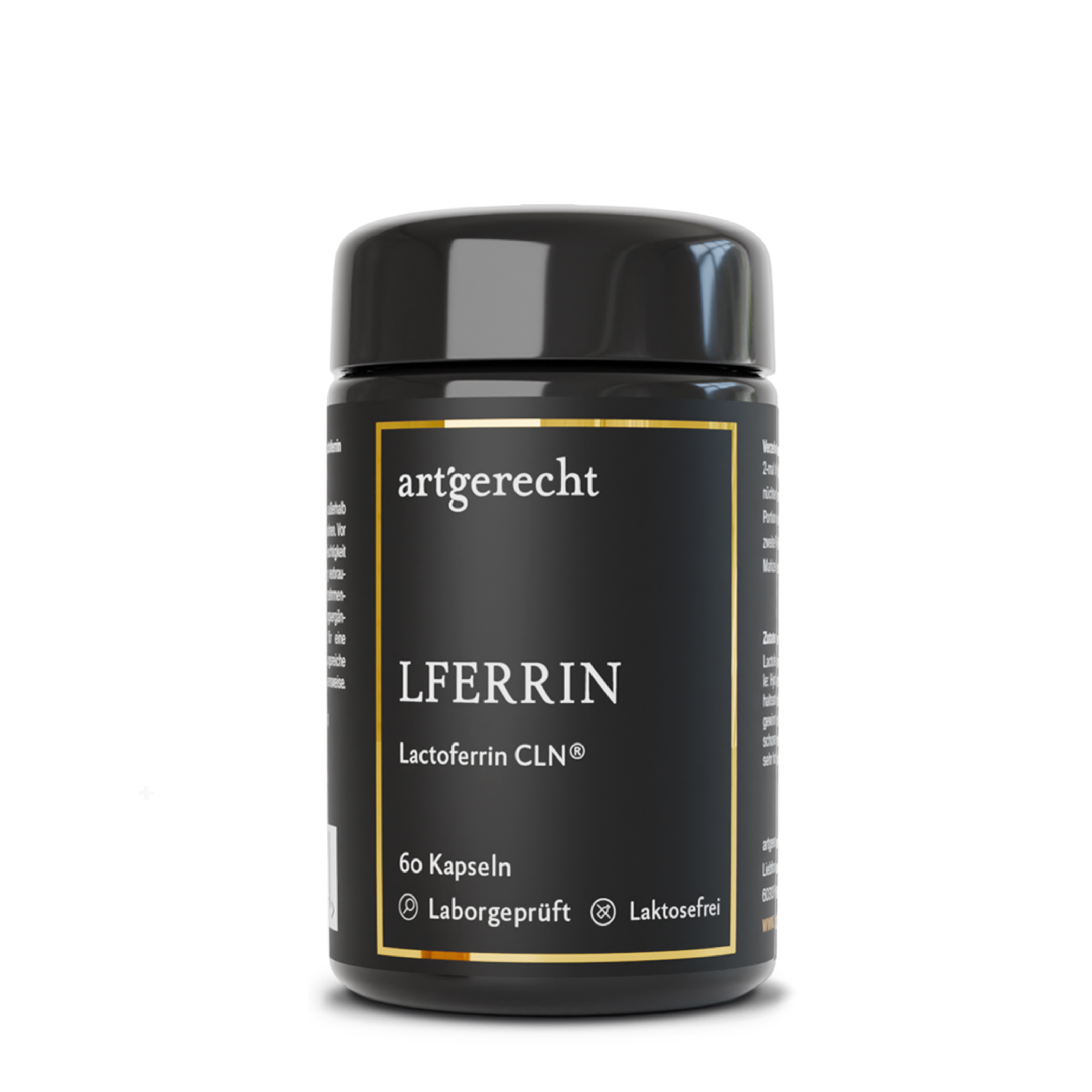
Lactoferrin
For your universal protection
As one of the most valuable proteins in the body, lactoferrin is a natural component of the immune system.[siehe Varianten]
Regular price:
€59.90
Subscription available

Natural Iron

For your iron balance
Specially formulated for your iron balance with plant-based curry leaf iron, Lactoferrin CLN®, and natural Vitamin C from rose hips.
30 Capsules
Regular price:
€35.90
Most read entries
3 Posts in this encyclopedia categoryMagnesiumcarbonat
Magnesiumcarbonat ist eine anorganische Magnesiumverbindung mit säure-neutralisierender (antazidischer) Wirkung. Erfahre mehr über Vorteile, Einsatzgebiete und Unterschiede zu besser resorbierbaren Magnesiumformen.
Calorie content
The choice of food influences our energy intake. The calorie content varies greatly - some provide little energy, others a lot.
Cologne list
The Cologne List ® is an important initiative in competitive sports that offers athletes guidance in the selection of nutritional supplements.