
-
 DE
DE



Bile Acid Quantification – Diagnosis & Values
Bile acid quantification is a diagnostic test that measures the concentration of bile acids in the blood. It is used to assess liver function and detect disorders of the bile ducts or liver.
Things worth knowing about "Bile Acid Quantification"
Bile acid quantification is a diagnostic test that measures the concentration of bile acids in the blood. It is used to assess liver function and detect disorders of the bile ducts or liver.
What is Bile Acid Quantification?
Bile acid quantification is a laboratory diagnostic procedure that measures the amount of bile acids in blood serum or plasma. Bile acids are naturally occurring compounds synthesized in the liver from cholesterol and secreted into bile. They play a key role in the digestion and absorption of dietary fats in the small intestine. After performing their digestive function, bile acids are largely reabsorbed in the intestine and returned to the liver via a process called the enterohepatic circulation. Elevated bile acid levels in the blood may indicate impaired liver function or a disruption in bile flow.
How is the Test Performed?
The test requires a blood sample from the patient. Measurements are typically taken from fasting blood (before breakfast) and, where necessary, from a second sample collected approximately two hours after a meal (postprandial measurement). Comparing both values allows clinicians to assess the liver's capacity to take up and process bile acids returning from the intestine. Analysis is carried out in the laboratory using enzymatic or chromatographic methods.
What is Measured?
The test determines the total bile acid concentration in serum. The most clinically relevant bile acids include:
- Cholic acid
- Chenodeoxycholic acid
- Deoxycholic acid
- Lithocholic acid
These may be present as free or conjugated forms (bound to glycine or taurine). Specialized laboratories can also differentiate between individual bile acid species.
When is Bile Acid Quantification Used?
Bile acid quantification is indicated in a range of clinical scenarios, including:
- Suspected liver disease such as hepatitis, liver cirrhosis, or fatty liver disease
- Suspected biliary tract disorders such as cholestasis (bile flow obstruction) or primary biliary cholangitis
- Monitoring of known liver conditions over time
- Assessment of liver function before and after liver transplantation
- Evaluation of intrahepatic cholestasis of pregnancy
- Investigation of bile acid malabsorption in the small intestine
Reference Values and Interpretation
Normal values may vary slightly between laboratories. The following are generally accepted reference ranges for total serum bile acids:
- Fasting value: below 10 µmol/L (micromoles per litre)
- Postprandial value (2 hours after eating): below 15–18 µmol/L
Elevated bile acid levels indicate a reduced capacity of the liver to take up and process returning bile acids. In some cases, this can be a more sensitive marker of liver dysfunction than conventional liver enzymes such as AST or ALT. Results should always be interpreted within the broader clinical context.
Clinical Relevance
Bile acid quantification is regarded as a sensitive marker of both hepatocellular and cholestatic liver function. It can detect functional impairment at an early stage, sometimes before other laboratory parameters become abnormal. In intrahepatic cholestasis of pregnancy, it is a key diagnostic parameter, as elevated bile acid levels are associated with an increased risk to the fetus. The test is also valuable in diagnosing conditions involving impaired bile acid reabsorption in the intestine, such as Crohn's disease affecting the terminal ileum.
References
- European Association for the Study of the Liver (EASL): EASL Clinical Practice Guidelines on the management of cholestatic liver diseases. Journal of Hepatology, 2009; 51(2): 237–267.
- Geenes V., Williamson C.: Intrahepatic cholestasis of pregnancy. World Journal of Gastroenterology, 2009; 15(17): 2049–2066.
- Hofmann A.F.: Bile acids: trying to understand their chemistry and biology with the hope of helping patients. Hepatology, 2009; 49(5): 1403–1418.

Building Blocks for a Healthy Life
As an integrated manufacturer, we develop & produce evidence-based, patented, and non-patented formulations. We work exclusively with plant and natural extracts according to the strictest purity & quality standards.
The combination of science & modern technology with the laws of nature creates solutions consistently tailored to humans – for the highest good: health.
Verwandte Produkte
Subscription available

Floral
For Healthy Oral Flora & Dental Care
Formulated lozenges with Dentalac®, lactic acid bacteria, and Lactoferrin CLN®30 lozenges
Regular price:
€22.90
Subscription available
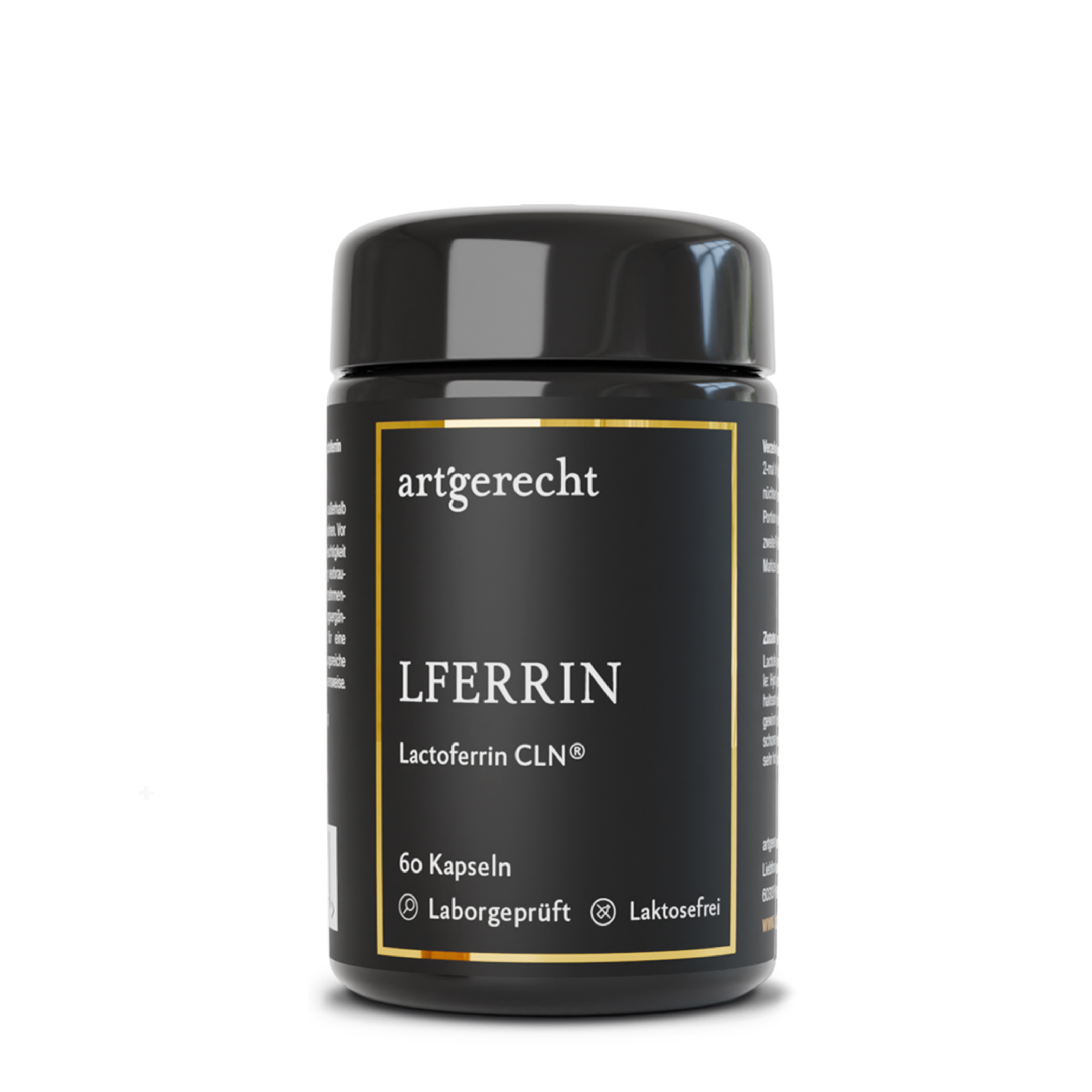
Lactoferrin
For your universal protection
As one of the most valuable proteins in the body, lactoferrin is a natural component of the immune system.[siehe Varianten]
Regular price:
€59.90
Subscription available

Natural Iron

For your iron balance
Specially formulated for your iron balance with plant-based curry leaf iron, Lactoferrin CLN®, and natural Vitamin C from rose hips.
30 Capsules
Regular price:
€35.90
Most read entries
3 Posts in this encyclopedia categoryMagnesiumcarbonat
Magnesiumcarbonat ist eine anorganische Magnesiumverbindung mit säure-neutralisierender (antazidischer) Wirkung. Erfahre mehr über Vorteile, Einsatzgebiete und Unterschiede zu besser resorbierbaren Magnesiumformen.
Calorie content
The choice of food influences our energy intake. The calorie content varies greatly - some provide little energy, others a lot.
Cologne list
The Cologne List ® is an important initiative in competitive sports that offers athletes guidance in the selection of nutritional supplements.