


CLDN18.2 - Claudin-18.2 as a Cancer Target
CLDN18.2 (Claudin-18.2) is a cell surface protein that is overexpressed in certain cancers and serves as a key therapeutic target in oncology.
Things worth knowing about "CLDN18.2"
CLDN18.2 (Claudin-18.2) is a cell surface protein that is overexpressed in certain cancers and serves as a key therapeutic target in oncology.
What is CLDN18.2?
CLDN18.2 (Claudin-18 isoform 2, also referred to as Claudin-18.2) is a specific isoform of the transmembrane protein Claudin-18. It belongs to the claudin protein family, which plays a central role in forming tight junctions – specialized structures that seal the space between adjacent epithelial cells. Under normal physiological conditions, CLDN18.2 is primarily expressed in the gastric parietal cells of the stomach lining and is largely inaccessible to antibodies because its epitopes are hidden by intact cell-to-cell junctions.
However, in various cancers, CLDN18.2 is expressed at high levels on the surface of tumor cells and becomes fully accessible. This makes it a highly attractive biomarker and therapeutic target in cancer treatment.
Relevance in Oncology
CLDN18.2 is overexpressed in a number of tumor types, including:
- Gastric carcinoma and gastroesophageal junction (GEJ) adenocarcinoma (most studied entity)
- Pancreatic carcinoma
- Lung adenocarcinoma
- Cholangiocarcinoma (bile duct cancer)
- Esophageal carcinoma
Since CLDN18.2 is virtually absent from normal tissues other than the stomach lining, it offers a highly specific target for cancer therapies with a favorable safety profile.
Mechanism of Action and Therapeutic Approaches
Several classes of therapies utilize CLDN18.2 as a target structure:
Monoclonal Antibodies
Zolbetuximab is a monoclonal IgG1 antibody that specifically binds to CLDN18.2 and acts through two mechanisms: antibody-dependent cell-mediated cytotoxicity (ADCC) and complement-dependent cytotoxicity (CDC). It was evaluated in Phase III clinical trials (SPOTLIGHT and GLOW) in combination with chemotherapy for gastric cancer and received regulatory approval in the United States and the European Union in 2024 for CLDN18.2-positive gastric tumors.
Bispecific Antibodies
Bispecific antibodies can simultaneously bind CLDN18.2 on tumor cells and activating receptors on immune cells (e.g., CD3 on T cells), triggering a targeted immune response against the tumor.
CAR-T Cell Therapy
Chimeric antigen receptor T cells (CAR-T cells) directed against CLDN18.2 are under clinical development. Early trial results show promising response rates in patients with advanced gastric cancer.
Antibody-Drug Conjugates (ADCs)
ADCs combine a CLDN18.2-specific antibody with a cytotoxic payload that is delivered directly into tumor cells. Several ADCs targeting CLDN18.2 are currently being evaluated in clinical trials.
Diagnostics and Biomarker Testing
Prior to CLDN18.2-targeted therapy, biomarker testing of tumor tissue is required to confirm CLDN18.2 expression. This is typically performed using:
- Immunohistochemistry (IHC): Detection of the protein in tumor tissue using specific antibody staining.
- A tumor is generally considered positive when ≥75% of tumor cells show moderate to strong membranous staining (as defined in the SPOTLIGHT and GLOW trial criteria).
Testing is essential because only patients with confirmed CLDN18.2 expression benefit from targeted therapy.
Clinical Relevance and Outlook
CLDN18.2 has emerged as one of the most important new therapeutic targets in the treatment of gastric and pancreatic cancers. With the approval of zolbetuximab, CLDN18.2 has become the first tight junction protein to be successfully exploited as an oncological therapeutic target. Numerous additional clinical trials with various CLDN18.2-directed agents are ongoing, underscoring the growing importance of this biomarker in precision oncology.
References
- Shitara K et al. - Zolbetuximab plus mFOLFOX6 in patients with CLDN18.2-positive, HER2-negative, untreated, locally advanced unresectable or metastatic gastric or gastro-oesophageal junction adenocarcinoma (SPOTLIGHT): a multicentre, randomised, double-blind, phase 3 trial. The Lancet, 2023.
- Shah MA et al. - Zolbetuximab plus CAPOX in CLDN18.2-positive gastric or gastroesophageal junction adenocarcinoma: the randomized, phase 3 GLOW trial. Nature Medicine, 2023.
- Sahin U et al. - Claudin-18 splice variant 2 is a pan-cancer target suitable for therapeutic antibody development. Clinical Cancer Research, 2008.

Building Blocks for a Healthy Life
As an integrated manufacturer, we develop & produce evidence-based, patented, and non-patented formulations. We work exclusively with plant and natural extracts according to the strictest purity & quality standards.
The combination of science & modern technology with the laws of nature creates solutions consistently tailored to humans – for the highest good: health.
Verwandte Produkte

For Healthy Oral Flora & Dental Care
Formulated lozenges with Dentalac®, lactic acid bacteria, and Lactoferrin CLN®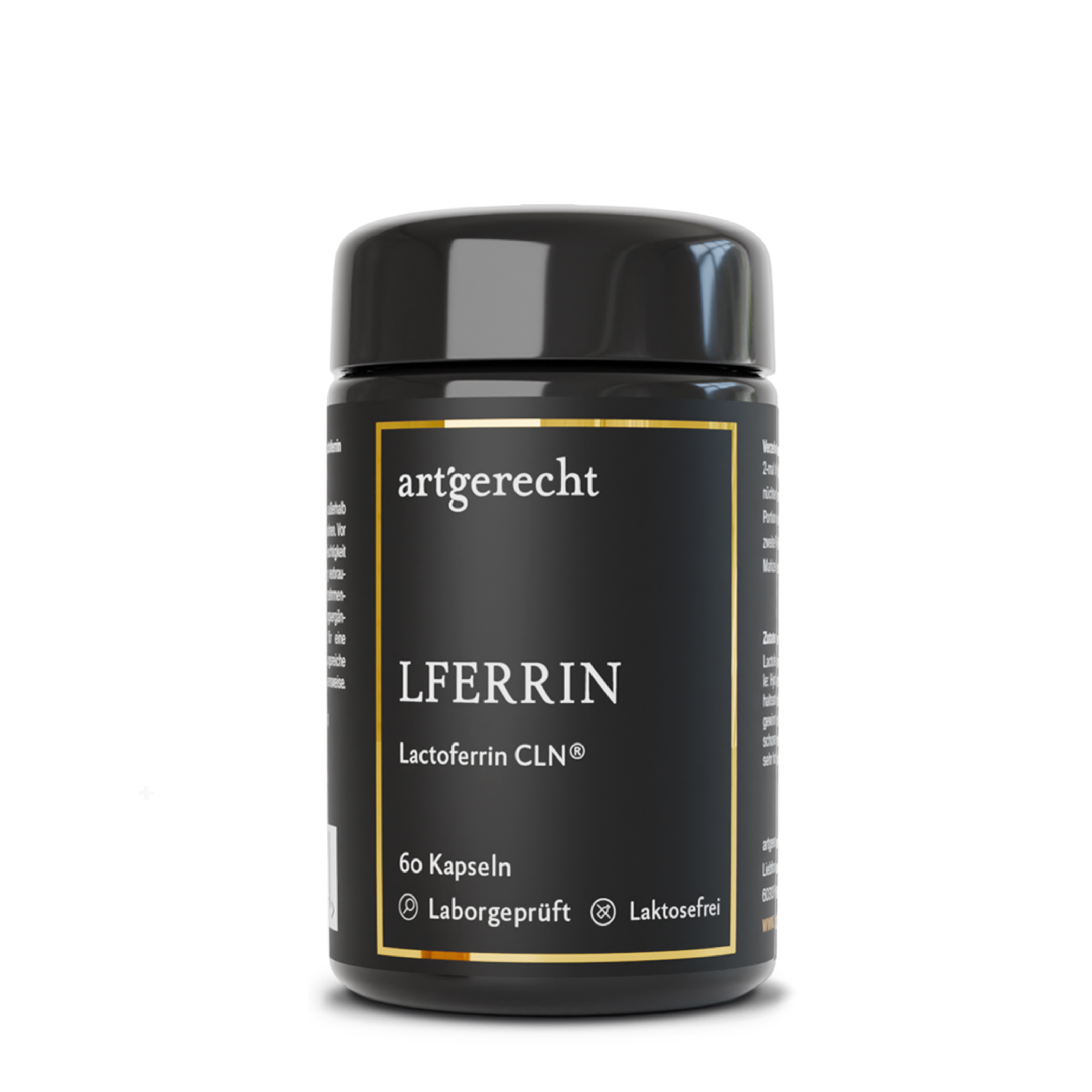
For your universal protection
As one of the most valuable proteins in the body, lactoferrin is a natural component of the immune system.
For your iron balance
Specially formulated for your iron balance with plant-based curry leaf iron, Lactoferrin CLN®, and natural Vitamin C from rose hips.