


Orthomolecular Medicine – Definition & Application
Orthomolecular medicine uses high-dose vitamins, minerals, and other naturally occurring substances to prevent and treat disease by optimizing body chemistry.
Wissenswertes über "Orthomolecular Medicine"
Orthomolecular medicine uses high-dose vitamins, minerals, and other naturally occurring substances to prevent and treat disease by optimizing body chemistry.
What Is Orthomolecular Medicine?
Orthomolecular medicine is a therapeutic approach based on the principle that many diseases result from a deficiency or imbalance of naturally occurring substances in the body, including vitamins, minerals, trace elements, amino acids, and fatty acids. The goal is to restore and maintain health by providing the body with these substances in their optimal concentrations.
The term was coined in 1968 by two-time Nobel laureate Linus Pauling. The prefix ortho derives from the Greek word for correct or right, reflecting the idea of supplying the body with the right molecules in the right amounts.
Core Principles
Unlike conventional pharmacotherapy, orthomolecular medicine exclusively uses substances that are naturally found in the human body. Synthetic drugs or foreign chemical agents are deliberately avoided. The main substance groups used include:
- Vitamins (e.g., vitamin C, vitamin D, B-complex vitamins)
- Minerals (e.g., magnesium, calcium, zinc)
- Trace elements (e.g., selenium, iron, iodine)
- Amino acids (e.g., L-tryptophan, L-glutamine)
- Essential fatty acids (e.g., omega-3 fatty acids)
- Antioxidants (e.g., coenzyme Q10, glutathione)
Areas of Application
Orthomolecular medicine is applied across a broad range of health conditions and complaints. Common areas of use include:
- Strengthening the immune system
- Supporting recovery from fatigue and chronic exhaustion
- Cardiovascular diseases (as adjunct therapy)
- Mental health conditions such as depression and anxiety disorders
- Neurodegenerative conditions (e.g., Alzheimer disease, Parkinson disease)
- Supportive care during cancer treatment
- Prevention and correction of nutritional deficiencies
Diagnosis and Therapy Planning
Before starting orthomolecular therapy, a comprehensive laboratory workup is typically performed. Blood, urine, and sometimes tissue samples are analyzed to determine the individual nutrient status of the patient. Based on the results, a personalized treatment plan is developed.
Key Diagnostic Parameters
- Vitamin level measurements in the blood (e.g., vitamin D, B12, folate)
- Mineral analyses (e.g., magnesium, zinc, selenium in serum or whole blood)
- Amino acid profiles
- Oxidative stress markers
- Inflammatory markers (e.g., CRP, homocysteine)
Mechanism of Action
The underlying concept of orthomolecular medicine is that enzymes, cell membranes, and biochemical pathways function optimally only when all necessary cofactors and nutrients are available in sufficient quantities. A deficiency in even one micronutrient can trigger a cascade of metabolic dysfunction.
For example, vitamin C acts as a potent antioxidant and plays a key role in collagen synthesis. Magnesium serves as a cofactor in more than 300 enzymatic reactions. Omega-3 fatty acids have anti-inflammatory properties and are essential for proper cell membrane function.
Scientific Standing and Criticism
Orthomolecular medicine exists at the intersection of conventional and complementary medicine. While the importance of micronutrients for overall health is scientifically well-established, the therapeutic use of high-dose supplementation to treat disease remains a subject of debate within mainstream medicine.
Some studies support positive effects for specific substances in specific contexts (e.g., vitamin D supplementation for confirmed deficiency, omega-3 fatty acids in cardiovascular disease). However, many broader claims have not been sufficiently validated by rigorous clinical trials. Additionally, unsupervised intake of high-dose supplements carries the risk of toxicity, particularly for fat-soluble vitamins such as vitamin A and vitamin D.
Practical Application
Orthomolecular medicine is offered by specialized physicians, naturopathic practitioners, and nutritional medicine specialists. It is most commonly used as a complementary approach alongside conventional medicine rather than as a standalone treatment. Therapy is typically delivered through:
- High-dose oral supplements or capsules
- Intravenous infusions of micronutrients (e.g., high-dose vitamin C)
- Dietary adjustments to naturally optimize nutrient intake
Important Note
Orthomolecular therapy should always be carried out under medical supervision and following appropriate laboratory testing. Self-medication with high-dose supplements without professional guidance is not recommended and may pose health risks.
References
- Pauling L. - Orthomolecular psychiatry. Science. 1968;160(3825):265-271. PubMed PMID: 5641253.
- Gröber U., Kisters K. - Influence of drugs on vitamin D and calcium metabolism. Dermatoendocrinology. 2012;4(2):158-166.
- National Institutes of Health (NIH), Office of Dietary Supplements - Dietary Supplement Fact Sheets. Available at: https://ods.od.nih.gov (accessed 2024).
Verwandte Produkte
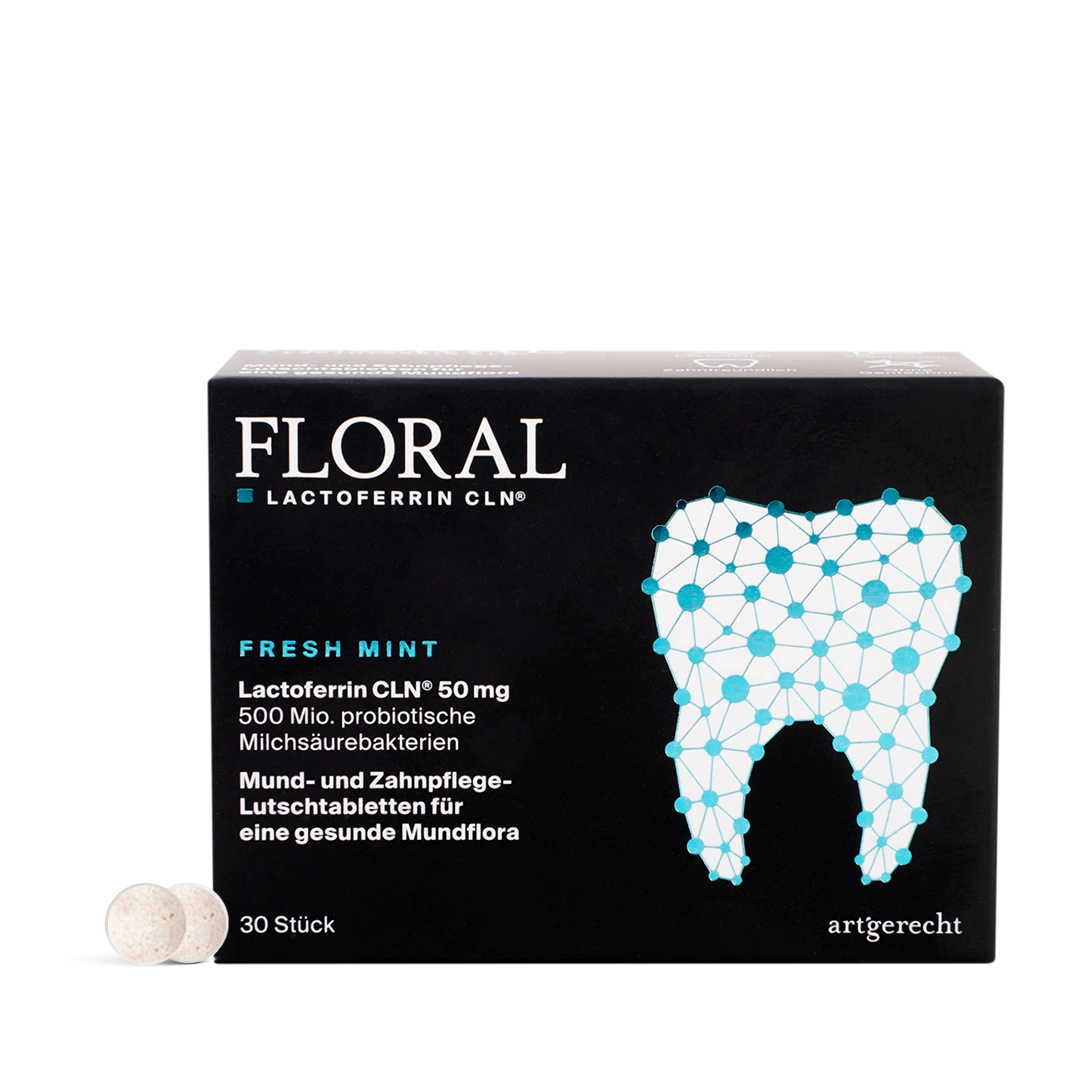
For Healthy Oral Flora & Dental Care
Formulated lozenges with Dentalac®, probiotic lactic acid bacteria, and Lactoferrin CLN®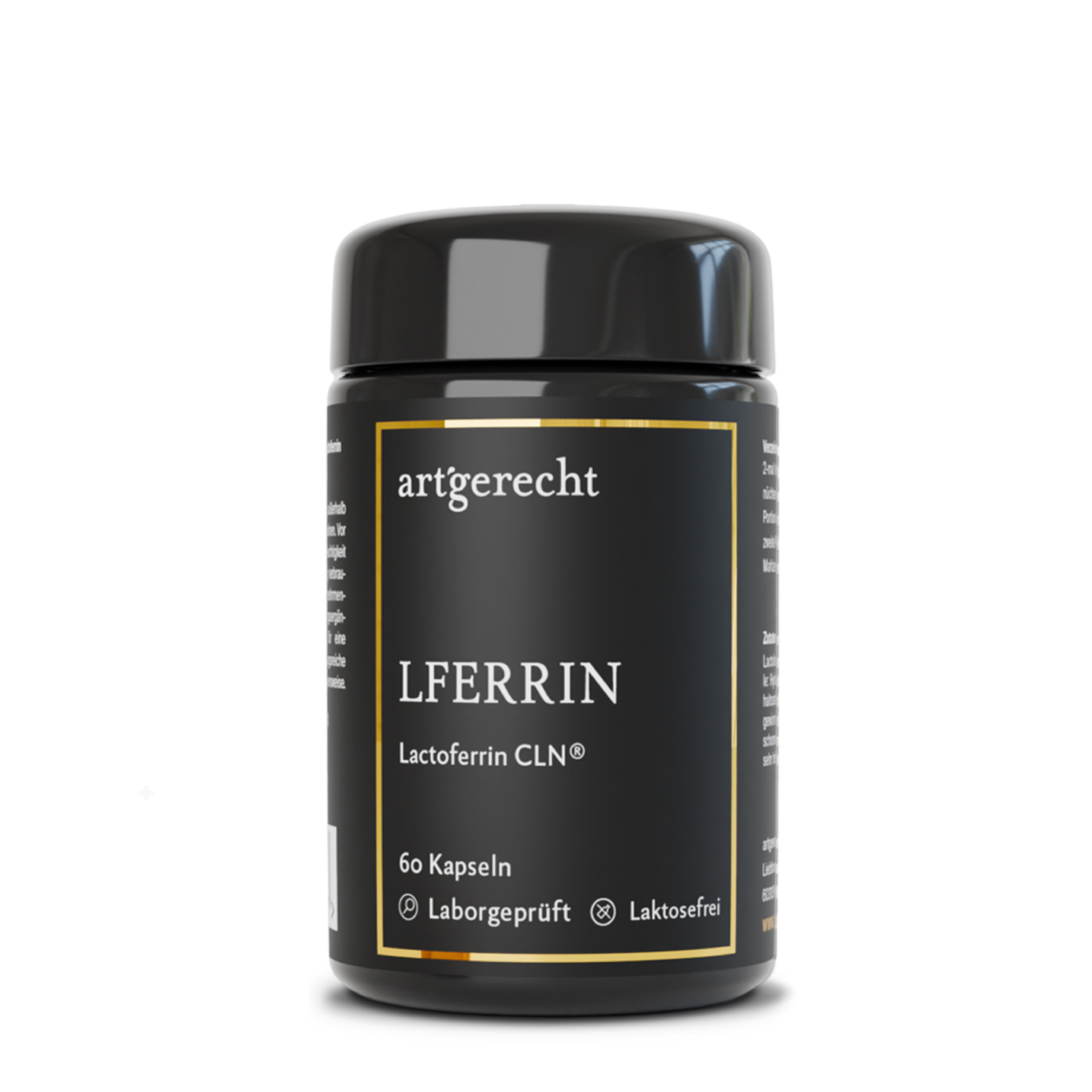
For your universal protection
As one of the most valuable proteins in the body, lactoferrin is a natural component of the immune system.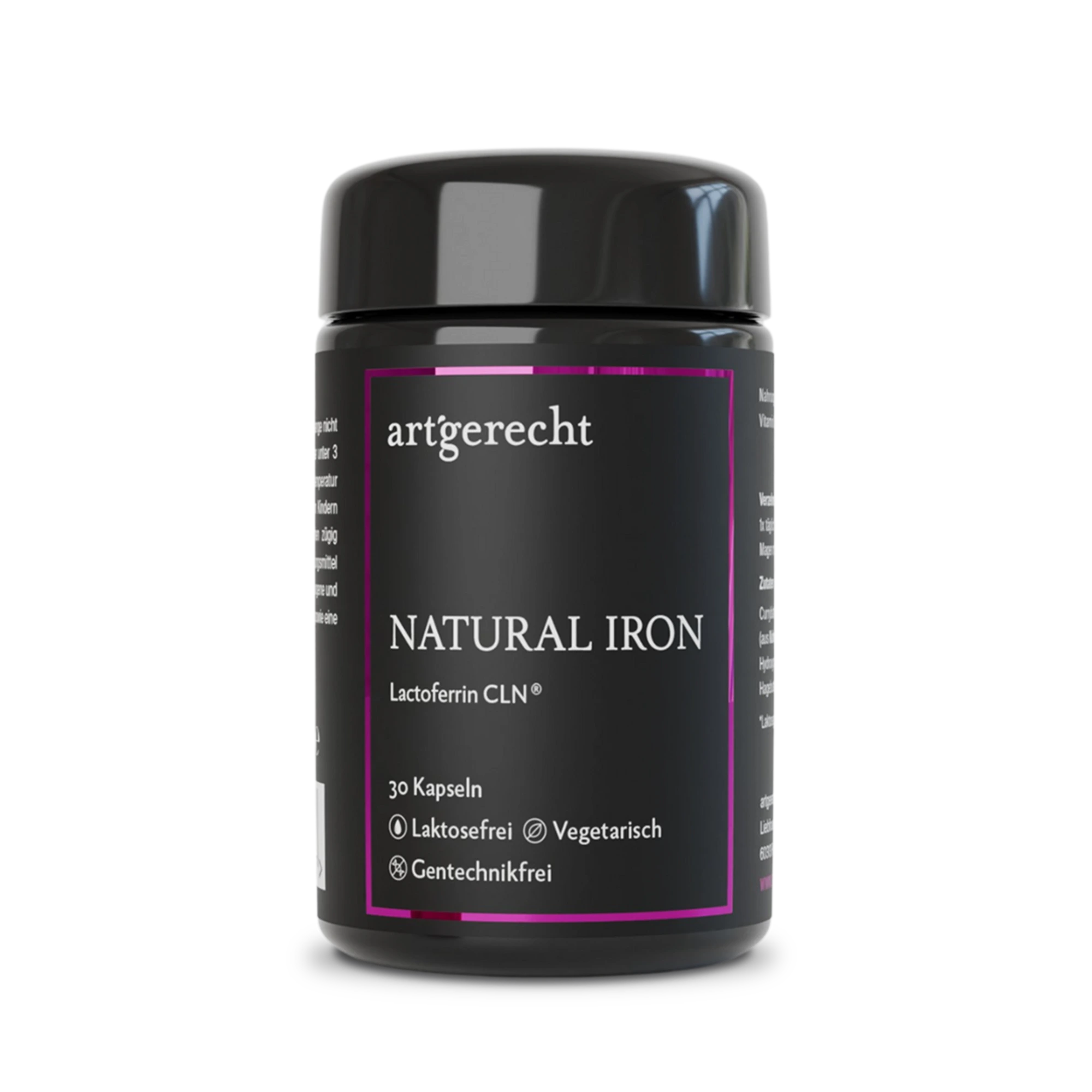
For your iron balance
Specially formulated for your iron balance with plant-based curry leaf iron, Lactoferrin CLN®, and natural Vitamin C from rose hips.
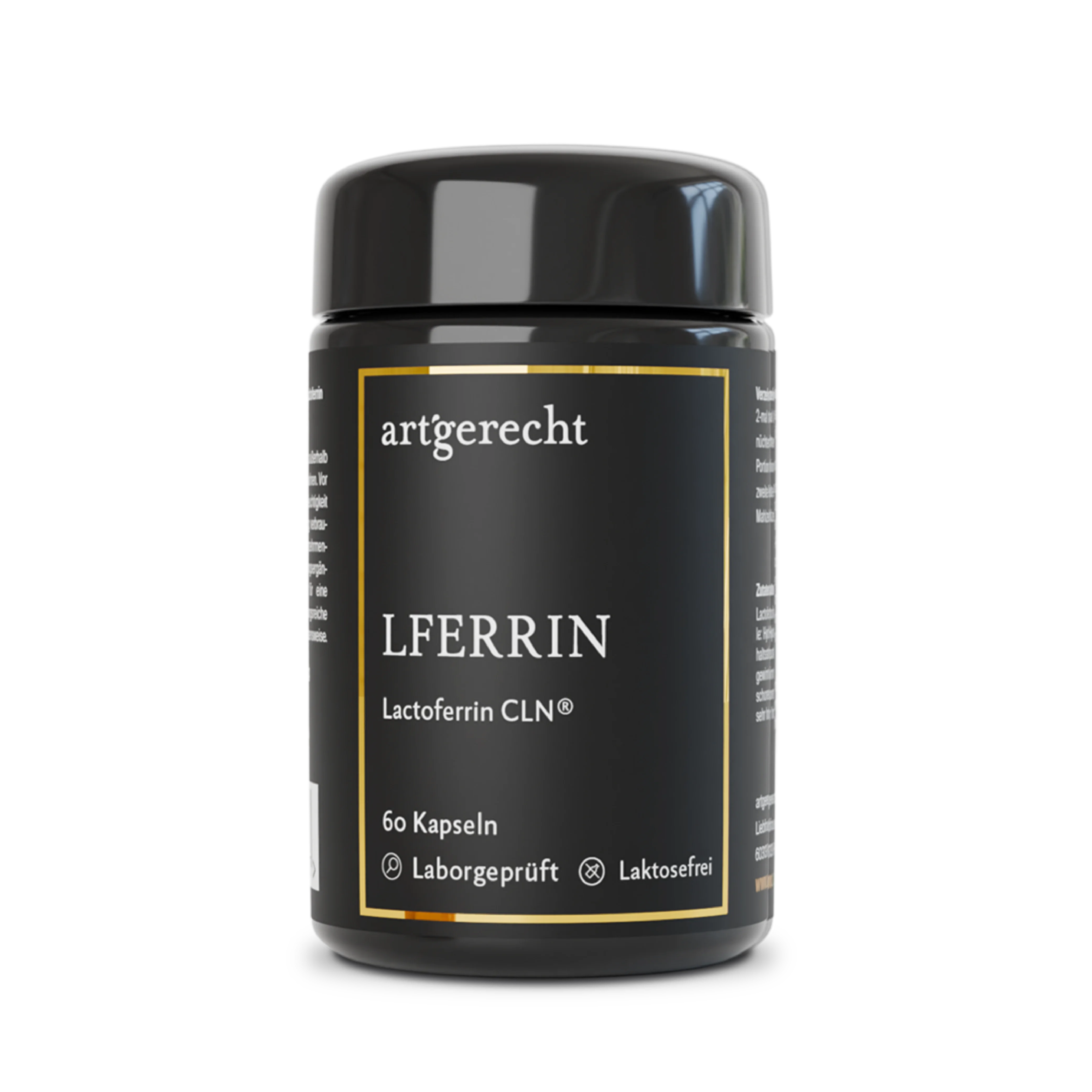
For your universal protection
As one of the most valuable proteins in the body, lactoferrin is a natural component of the immune system.
For your iron balance
Specially formulated for your iron balance with plant-based curry leaf iron, Lactoferrin CLN®, and natural Vitamin C from rose hips.
For Healthy Oral Flora & Dental Care
Formulated lozenges with Dentalac®, probiotic lactic acid bacteria, and Lactoferrin CLN®Die neusten Einträge
3 Posts in this encyclopedia categoryBirth Companionship
Functional Nutrients
Blood-Brain Barrier
Die meistgelesenen Einträge
3 Posts in this encyclopedia categoryMagnesiumcarbonat
Cologne list
Calorie content
Verwandte Suchbegriffe: Orthomolecular Medicine + Orthomolecular Therapy + Orthomolecular Treatment + Orthomolecular Medicine Definition