


Oropouche virus - Tropical arbovirus
The Oropouche virus causes febrile tropical infections with flu-like symptoms. Transmitted by mosquitoes, without vaccination or treatment - a growing risk in South America.
Wissenswertes über "Oropouche virus"
Oropouche virus (OROV) belongs to the genus Orthobunyavirus within the Peribunyaviridae family and is mainly transmitted to humans by mosquitoes (e.g. Culicoides paraensis) and occasionally also by certain species of midges.
It is a so-called arbovirus (arthropod-borne virus), which has been observed in increased outbreaks in South America, particularly in Brazil, Peru, Panama and Trinidad. The disease it causes is known as Oropouche fever and is not considered fatal, but highly infectious. Typically, the symptoms appear suddenly and flu-like, including fever, severe headache, muscle aches, joint pain, nausea, chills and sensitivity to light. Some patients experience a relapse of the fever after the initial symptoms have subsided - a so-called biphasic course. In rare cases, meningitis-like neurological complications have also been reported, particularly in immunocompromised individuals.
The incubation period is usually 4 to 8 days. A specific antiviral therapy does not yet exist. Treatment is purely symptomatic, with a focus on reducing fever, fluid intake and physical rest. As the virus circulates in tropical regions, mosquito protection (repellents, mosquito nets, clothing) plays a key role in prevention. The Oropouche virus is considered a potential candidate for future major outbreaks, as it can circulate epidemically in densely populated regions through mosquitoes. A vaccine is not yet available, but is being intensively researched.
Important characteristics of the Oropouche virus:
- Transmission by biting midges (Culicoides spp.)
- Symptoms: Fever, headache, myalgia, nausea, possibly. Relapsing fever
- Common in South America, often in urban tropical regions
- Treatment purely symptomatic, no vaccine available
- Increasing importance for travel medicine and tropical medicine
Literature
- Pinheiro, F. P. et al (1981). ""Oropouche virus. A review of clinical, epidemiological, and ecological findings."" American Journal of Tropical Medicine and Hygiene.
- Nunes, M. R. T. et al. (2005). ""Oropouche virus: clinical, epidemiological, and molecular aspects."" Journal of Clinical Virology.
- Romero-Alvarez, D. & Escobar, L. E. (2018). ""Potential distribution of Oropouche virus in the Americas."" PLoS Neglected Tropical Diseases.
Verwandte Produkte

Daily basic supply: the complete spectrum of micronutrients
Natural multivitamin complex for the immune system, energy, and central body functions
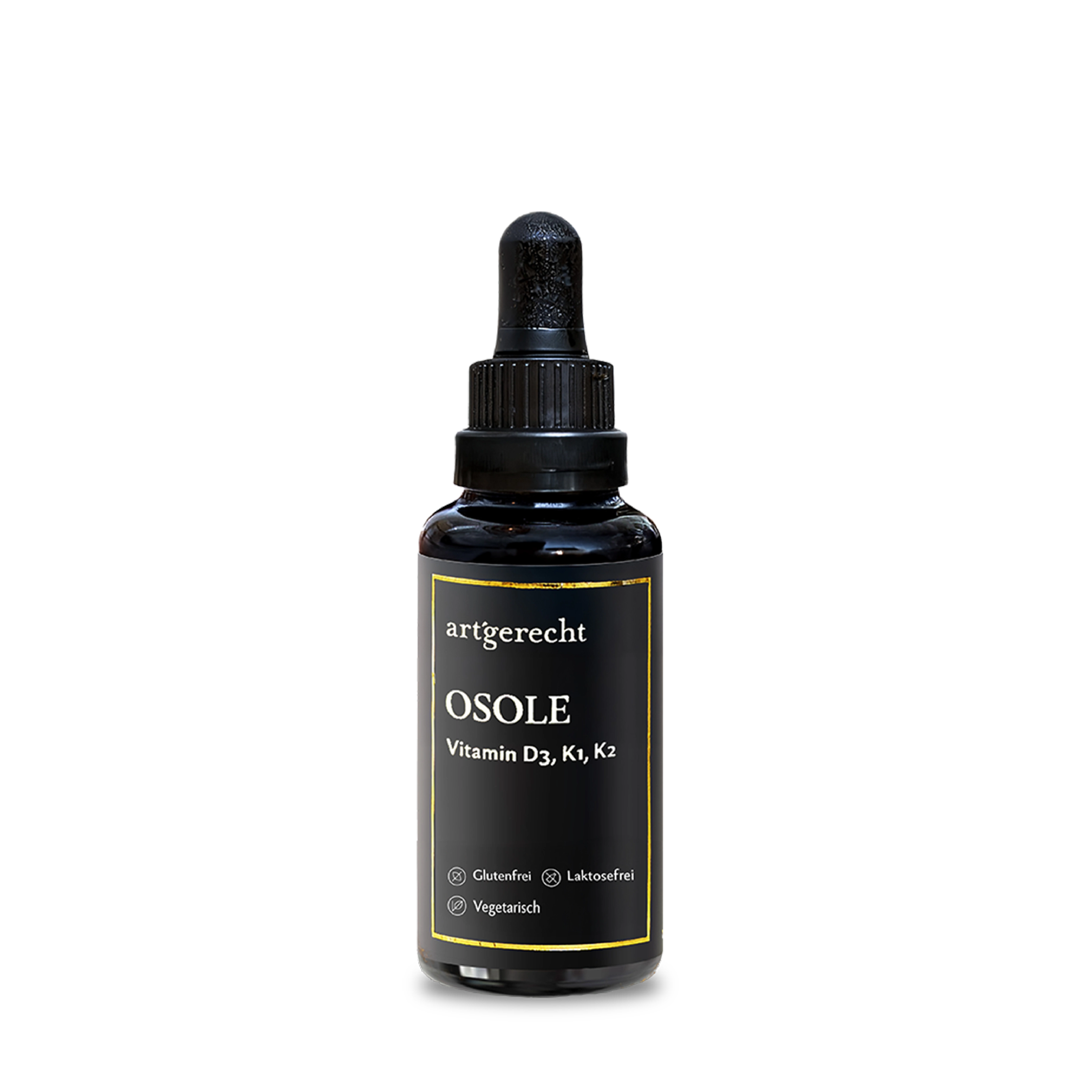
For your immune system, bones and teeth
OSOLE is gently produced using full-spectrum extraction from purely organic raw material sources.
Best-selling products

For your universal protection
As one of the most valuable proteins in the body, lactoferrin is a natural component of the immune system.

For your iron balance
Specially formulated for your iron balance with plant-based curry leaf iron, Lactoferrin CLN®, and natural Vitamin C from rose hips.

For Healthy Oral Flora & Dental Care
Formulated lozenges with Dentalac®, probiotic lactic acid bacteria, and Lactoferrin CLN®The latest entries
3 Posts in this encyclopedia categoryFasting Reaction
Vasculogenesis
Lymphocyte Subtype
Most read entries
3 Posts in this encyclopedia categoryMagnesiumcarbonat
Cologne list
Calorie content
Related search terms: Oropouche virus + Oropouche virus