


Whooping cough - symptoms, infection and protective measures
Whooping cough is highly contagious and doesn'tt just affect children. Find out how it can be recognised, transmitted and prevented with vaccinations and micronutrients.
Wissenswertes über "Whooping cough"
Whooping cough (medical: pertussis) is a highly contagious bacterial respiratory disease caused by the bacterium Bordetella pertussis
.The name is derived from the typical, staccato-like coughing fit with a "drawing" inhalation sound. Although whooping cough is considered a children's disease, it is also increasingly affecting adults - often with an atypical course and therefore an unrecognised risk of infection for babies.
The disease progresses in three stages: initially with cold-like symptoms (runny nose, mild fever), followed by several weeks of severe, seizure-like coughing attacks, especially at night. During the recovery phase, the cough slowly subsides, but can persist for months. Especially in infants there is a risk of respiratory arrest, pneumonia or seizures - therefore protection through vaccination is particularly important here.
In addition to vaccination prevention (e.g. Tdap vaccination for adolescents and adults) can also immunomodulation, a good micronutrient supply (e.g. Vitamin C, Zinc, lactoferrin) and an intact mucosal immune system play a role in the defence against and attenuation of respiratory infections. As pertussis can occur despite vaccination (so-called ""vaccine failures""), early detection and treatment is particularly relevant.
Typical symptoms of whooping cough:- Persistent, stakkato-like coughing fits with wheezing intake of air
- irritating cough, often without fever, esp. a. Increased at night
- After coughing attacks: Vomiting, Breathlessness, Exhaustion
- In infants also Breathing pauses (apnoea) without coughing
Transmission & history:
- Droplet infection, High risk of infection, especially in the early stages. in the early stages
- Incubation period: 7-20 days
- Duration of illness: Up to 10 weeks (""100-day cough"")
- Untreated risky in infants and immunocompromised individuals
Prevention & supportive measures:
- Vaccination (basic immunisation + booster every 10 years)
- Lactoferrin for the natural support of mucosal immunity
- contact avoidance in the infection phase
Literature references
- Cherry, J.D. (2012): Epidemic pertussis in 2012 - the resurgence of a vaccine-preventable disease. N Engl J Med.
- Tan, T. et al. (2005): Pertussis across the age spectrum. Pediatrics.
- Heininger, U. (2010): Pertussis: the re-emergence of a forgotten disease. Dtsch Arztebl Int.
Verwandte Produkte

For your universal protection
As one of the most valuable proteins in the body, lactoferrin is a natural component of the immune system.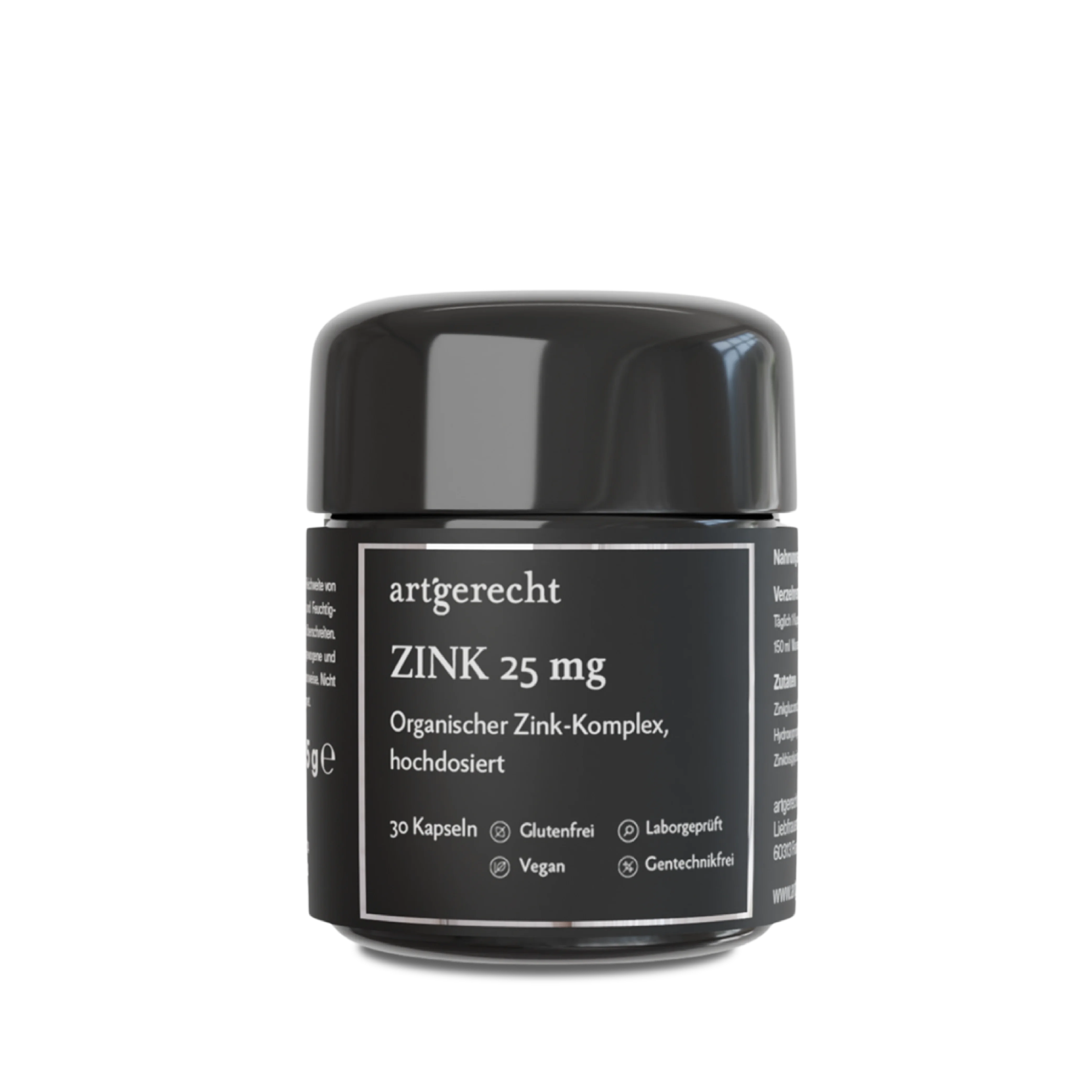
Essential trace element for your health & well-being
High-purity organic zinc compounds for the immune system, skin & hair
Best-selling products

For your universal protection
As one of the most valuable proteins in the body, lactoferrin is a natural component of the immune system.

For your iron balance
Specially formulated for your iron balance with plant-based curry leaf iron, Lactoferrin CLN®, and natural Vitamin C from rose hips.

For Healthy Oral Flora & Dental Care
Formulated lozenges with Dentalac®, probiotic lactic acid bacteria, and Lactoferrin CLN®The latest entries
3 Posts in this encyclopedia categorySerum Albumin
Facial Nerve Palsy
Myofascial Pain Syndrome
Most read entries
3 Posts in this encyclopedia categoryMagnesiumcarbonat
Cologne list
Calorie content
Related search terms: Whooping cough symptoms + Whooping cough vaccination + Whooping cough adults + Whooping cough treatment + What is whooping cough