
-
 DE
DE



Fascial Disorder: Causes, Symptoms & Treatment
A fascial disorder refers to an impairment of the fascial tissue that can cause pain, restricted movement, and muscular complaints throughout the body.
Things worth knowing about "Fascial Disorder"
A fascial disorder refers to an impairment of the fascial tissue that can cause pain, restricted movement, and muscular complaints throughout the body.
What Is a Fascial Disorder?
Fascia is a three-dimensional network of connective tissue that surrounds and connects muscles, organs, nerves, and blood vessels throughout the entire body. A fascial disorder occurs when this tissue is impaired in its structure or function – for example, through adhesions, hardening, inflammation, or changes in tissue tension. Fascia plays a central role in movement, posture, and the perception of pain.
Causes
Fascial disorders can develop due to a variety of factors:
- Lack of movement: Prolonged sitting or repetitive one-sided strain leads to adhesions and stiffening of fascial tissue.
- Injuries and trauma: Surgery, accidents, or muscle strains can permanently alter fascial tissue.
- Chronic overuse: Repetitive motions in sports or at work place significant strain on the fascia.
- Inflammatory conditions: Systemic diseases such as rheumatoid arthritis or fibromyalgia can also affect fascial tissue.
- Psychological stress: Emotional stress can increase fascial tension through the autonomic nervous system.
- Dehydration: Insufficient fluid intake can impair the gliding capacity of fascia.
Symptoms
Symptoms of a fascial disorder are varied and can affect the entire musculoskeletal system:
- Local or radiating pain in muscles and joints
- Restricted movement and stiffness, especially after waking up
- Muscle tension and pressure sensitivity
- Numbness or tingling due to nerve compression
- Fatigue and general malaise
- Postural changes caused by altered tissue tension
Diagnosis
Diagnosing a fascial disorder is often a clinical process, as imaging techniques such as X-ray or MRI do not always reliably visualize changes in fascial tissue. The following methods are commonly used:
- Physical examination: Palpation, mobility tests, and postural analysis by a physician or physiotherapist
- Ultrasound: High-resolution ultrasound can reveal thickening or adhesions in fascial tissue.
- MRI (Magnetic Resonance Imaging): Used when inflammatory or structural changes are suspected
- Medical history: Detailed assessment of symptoms, triggers, and previous conditions
Treatment
The treatment of fascial disorders is multimodal and aims to normalize tissue structure, relieve pain, and restore mobility.
Physiotherapy and Manual Therapy
Targeted physiotherapeutic treatments such as myofascial techniques, stretching, and mobilization help to release adhesions and regulate tissue tension.
Fascial Training and Self-Massage
Training with foam rollers or fascial balls is a widely used method for self-treatment. Regular training promotes blood circulation and improves the elasticity of the tissue.
Shockwave Therapy
Extracorporeal shockwave therapy (ESWT) is used for chronic fascial disorders such as plantar fasciitis and stimulates tissue regeneration.
Dry Needling and Acupuncture
The targeted insertion of fine needles into so-called trigger points can release tension in fascial tissue and reduce pain.
Medication
Anti-inflammatory medications (NSAIDs) such as ibuprofen can be used short-term for pain relief. In cases of severe inflammation, local corticosteroid injections may be beneficial.
Exercise and Lifestyle Changes
Regular physical activity, adequate hydration, and stress management are essential for the long-term health of fascial tissue.
References
- Schleip, R. et al. (eds.) - Lehrbuch Faszien: Grundlagen, Forschung, Behandlung. Urban & Fischer Verlag, 2014.
- Stecco, C. - Functional Atlas of the Human Fascial System. Churchill Livingstone, Elsevier, 2015.
- Chaitow, L. - Fascial Dysfunction: Manual Therapy Approaches. Handspring Publishing, 2014.

Building Blocks for a Healthy Life
As an integrated manufacturer, we develop & produce evidence-based, patented, and non-patented formulations. We work exclusively with plant and natural extracts according to the strictest purity & quality standards.
The combination of science & modern technology with the laws of nature creates solutions consistently tailored to humans – for the highest good: health.
Verwandte Produkte
Subscription available

Floral
For Healthy Oral Flora & Dental Care
Formulated lozenges with Dentalac®, lactic acid bacteria, and Lactoferrin CLN®30 lozenges
Regular price:
€22.90
Subscription available
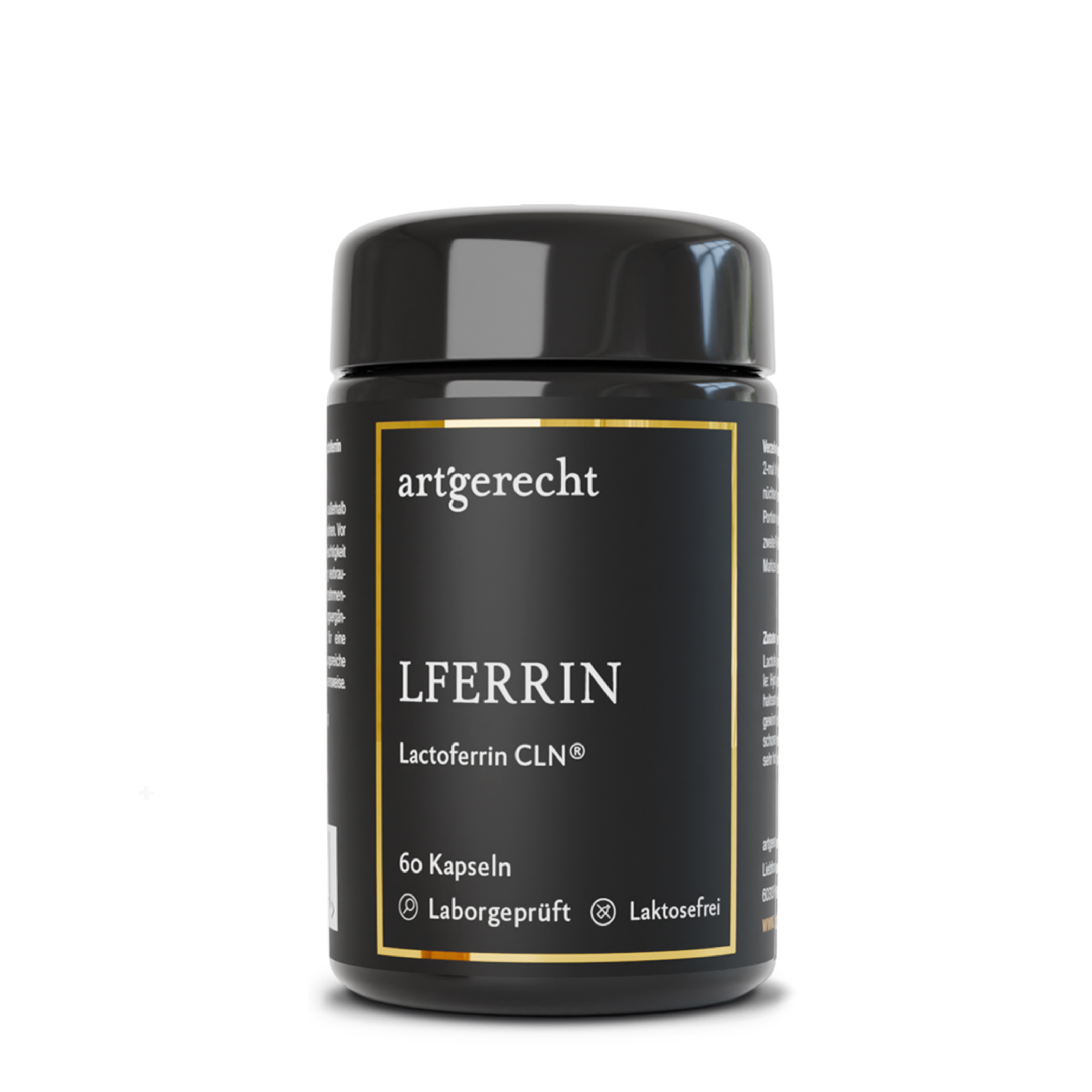
Lactoferrin
For your universal protection
As one of the most valuable proteins in the body, lactoferrin is a natural component of the immune system.[siehe Varianten]
Regular price:
€59.90
Subscription available

Natural Iron

For your iron balance
Specially formulated for your iron balance with plant-based curry leaf iron, Lactoferrin CLN®, and natural Vitamin C from rose hips.
30 Capsules
Regular price:
€35.90
Most read entries
3 Posts in this encyclopedia categoryMagnesiumcarbonat
Magnesiumcarbonat ist eine anorganische Magnesiumverbindung mit säure-neutralisierender (antazidischer) Wirkung. Erfahre mehr über Vorteile, Einsatzgebiete und Unterschiede zu besser resorbierbaren Magnesiumformen.
Calorie content
The choice of food influences our energy intake. The calorie content varies greatly - some provide little energy, others a lot.
Cologne list
The Cologne List ® is an important initiative in competitive sports that offers athletes guidance in the selection of nutritional supplements.