


Jaundice (icterus) - causes, symptoms, diagnosis & treatment
Jaundice, also known as icterus, is a condition in which the skin, eyes and other mucous membranes turn yellowish in colour.
Wissenswertes über "Jaundice (icterus)"
Jaundice, also known as icterus, is a condition in which the skin, eyes and other mucous membranes turn yellowish in colour.
The yellow discolouration occurs when an excess of the breakdown product bilirubin accumulates in the blood and tissues. Bilirubin is produced during the breakdown of red blood cells and is normally excreted via the liver and the bile duct. If liver function is impaired or the breakdown process is disrupted, bilirubin accumulates in the body and leads to the characteristic yellow colouration. This is a particularly common phenomenon in newborns, as their system for excreting bilirubin is not yet fully developed, which can lead to an accumulation of this substance in the body.
There are various causes of jaundice, which can be divided into three main categories: prehepatic, hepatic and posthepatic causes. Prehepatic causes include conditions such as haemolytic anaemia, in which red blood cells are broken down faster than normal. Hepatic causes affect the liver directly and include diseases such as hepatitis, liver cirrhosis or liver cancer. Post-hepatic causes affect the bile ducts, as can occur with gallstones or tumours that obstruct the outflow of bilirubin.
The most common symptoms of jaundice are a yellowish discolouration of the skin and eyes, dark urine and pale stools. In severe cases, symptoms such as fatigue, loss of appetite and abdominal pain may also occur. An accurate diagnosis of the cause is important as treatment will depend on the underlying condition.
Vitamins such as Vitamin C, a powerful antioxidant, can help break down bilirubin by promoting detoxification processes in the liver. Vitamin E, another antioxidant, protects liver cells from harmful free radicals and contributes to overall liver health. Another important nutrient is vitamin B12, which is required for the formation of red blood cells. A lack of vitamin B12 can lead to anaemia, which can exacerbate the symptoms of jaundice. Folic acid, also a B vitamin, is also important for maintaining normal haematopoiesis and supporting liver function. Overall, it is important to identify the cause of jaundice in order to initiate the correct treatment.
Verwandte Produkte
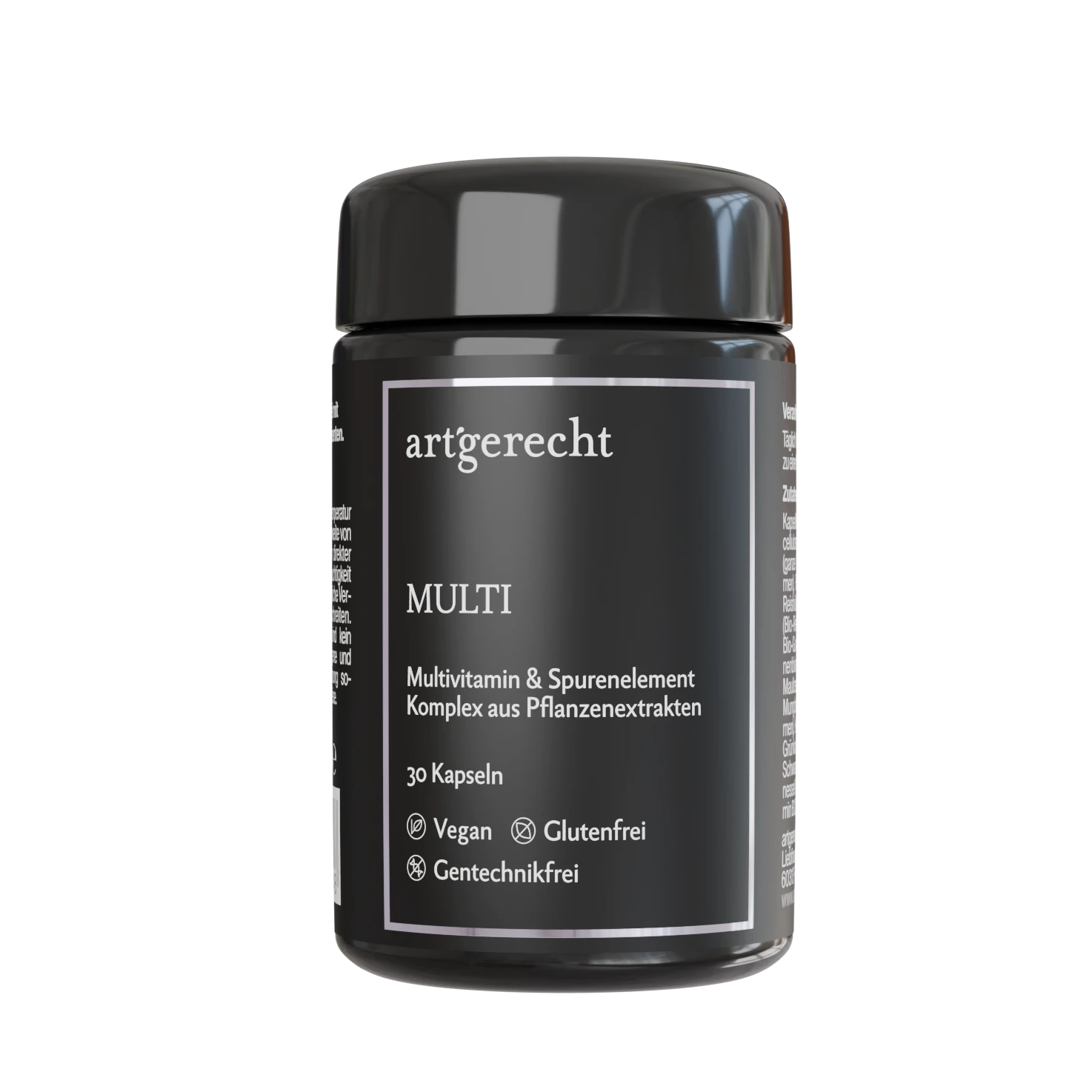
Daily basic supply: the complete spectrum of micronutrients
Natural multivitamin complex for the immune system, energy, and central body functions

For your iron balance
Specially formulated for your iron balance with plant-based curry leaf iron, Lactoferrin CLN®, and natural Vitamin C from rose hips.
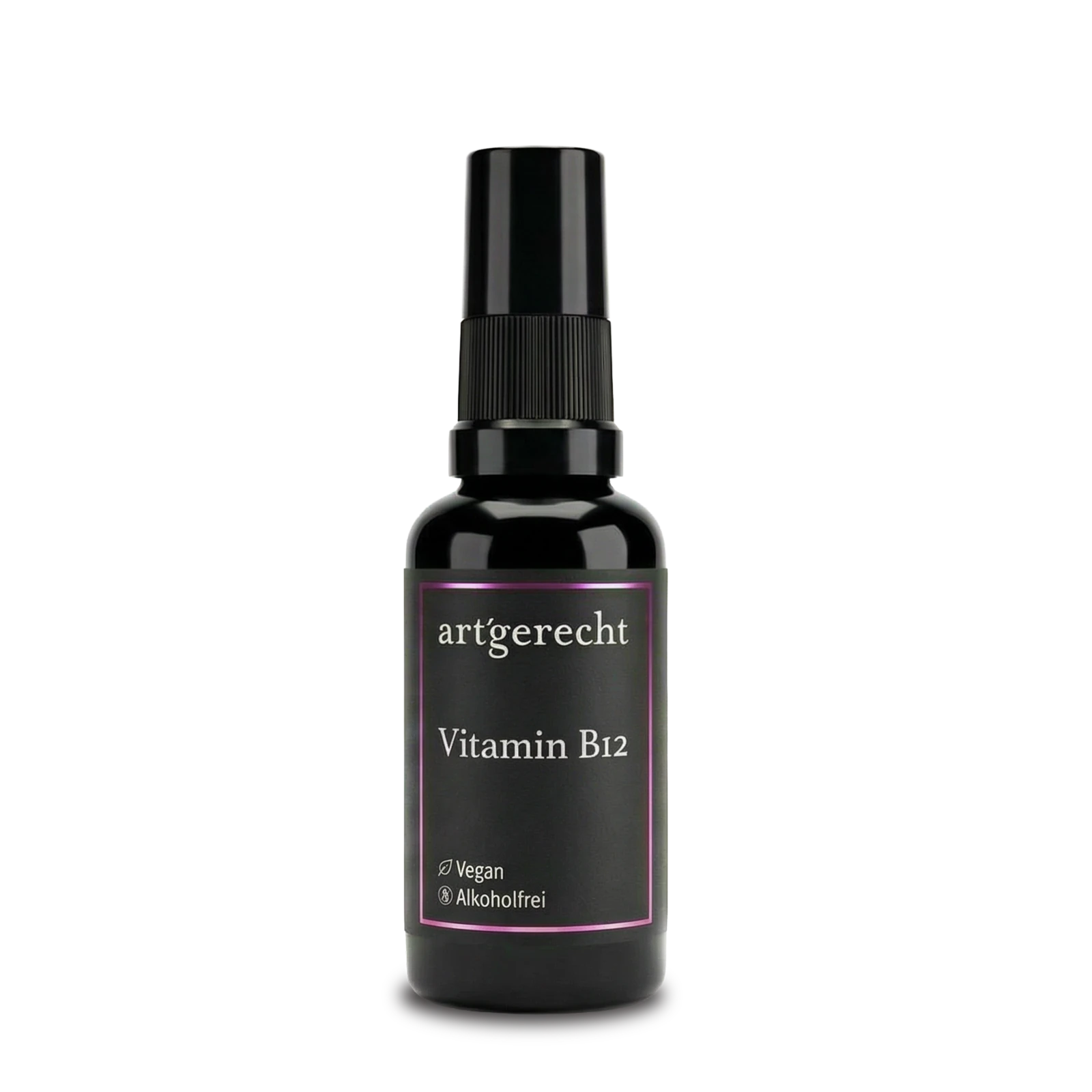
Holistic support for energy metabolism, nervous system & immune system²
Active Methylcobalamin (Vitamin B12) spray with 5x increased bioavailability
Best-selling products

For your universal protection
As one of the most valuable proteins in the body, lactoferrin is a natural component of the immune system.
For your iron balance
Specially formulated for your iron balance with plant-based curry leaf iron, Lactoferrin CLN®, and natural Vitamin C from rose hips.

For Healthy Oral Flora & Dental Care
Formulated lozenges with Dentalac®, probiotic lactic acid bacteria, and Lactoferrin CLN®The latest entries
3 Posts in this encyclopedia categoryYam Root Saponin
Abdominal Ganglion
Mercury Test
Most read entries
3 Posts in this encyclopedia categoryMagnesiumcarbonat
Cologne list
Calorie content
Related search terms: Jaundice + icterus + jaundice symptoms + bilirubin + elevated bilirubin