


Nicotine withdrawal - symptoms, duration and strategies for successful smoking cessation
Quitting nicotine is a challenge for the body and mind. Learn all about the symptoms, duration and proven strategies for successfully quitting smoking.
Wissenswertes über "Nicotine withdrawal"
Quitting nicotine is a challenge for the body and mind. Learn all about the symptoms, duration and proven strategies for successfully quitting smoking.
Nicotine withdrawal refers to the physical and psychological reaction to stopping nicotine, a highly addictive substance that is ingested through smoking or consuming nicotine products. Just a few hours after the last consumption, the body begins to experience withdrawal symptoms, which are due to the lack of the usual nicotine intake and the reorganisation of the reward system in the brain. Withdrawal is not dangerous, but it is challenging - especially in the first few days.
The most common symptoms include irritability, restlessness, depressive moods, sleep problems, concentration problems, increased appetite, weight gain and a strong craving for a cigarette. These symptoms usually reach their peak between day 2 and 5 after quitting smoking and, for most people affected, subside significantly within two to four weeks. However, the psychological dependence can persist for months and favour relapses.Helpful measures for coping with nicotine withdrawal include structured smoking cessation, for example with behavioural therapy support.behavioural therapy support, mindfulness training or nicotine replacement products such as patches, chewing gum or sprays. Medications such as bupropion or varenicline, under medical supervision, can also reduce withdrawal symptoms. The decisive factors are individual motivation, a stable social environment and the establishment of new, healthy routines for coping with stress.🚭 Important facts about nicotine withdrawal:
-
Withdrawal usually begins after a few hours, peaks on the 2nd-5th day
-
Symptoms: Irritability, sleep disturbance, craving, increased appetite
-
Duration of physical complaints: 1-4 weeks, psychologically longer
-
Help: nicotine replacement, behavioural therapy, medication, mindfulness
-
Relapse prevention: Recognising triggers and taking active countermeasures
Literature references:
-
German Centre for Addiction Issues (2022). "Smoking cessation and nicotine withdrawal."
-
Fiore, M. C. et al. (2008). "Treating Tobacco Use and Dependence: Clinical Practice Guideline." U.S. Department of Health and Human Services.
-
Hajek, P. et al. (2013). "Withdrawal symptoms and smoking cessation: a meta-analysis." Addiction.
Verwandte Produkte
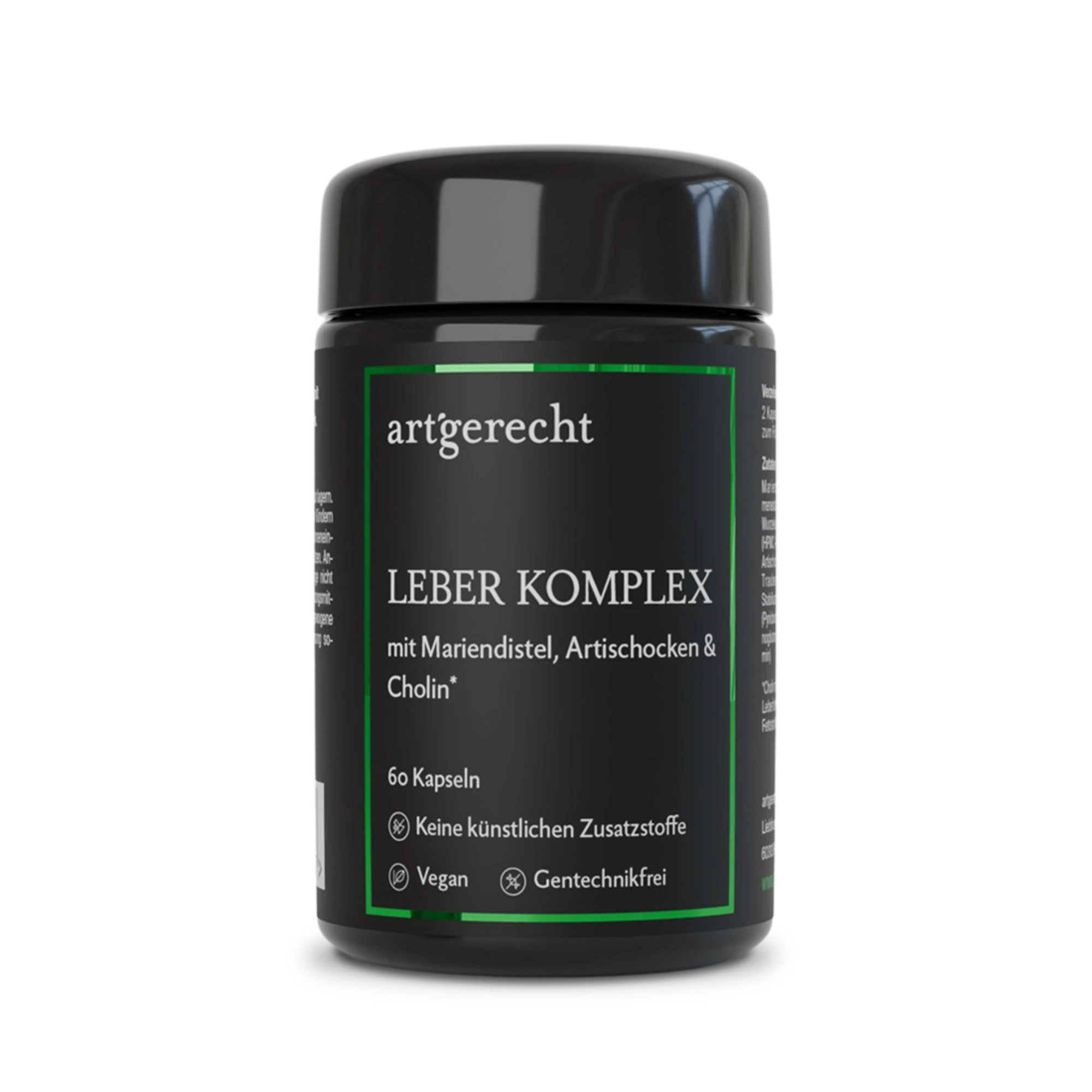
Plant-based support for your liver
Supports liver function with milk thistle, artichoke, choline & OPC
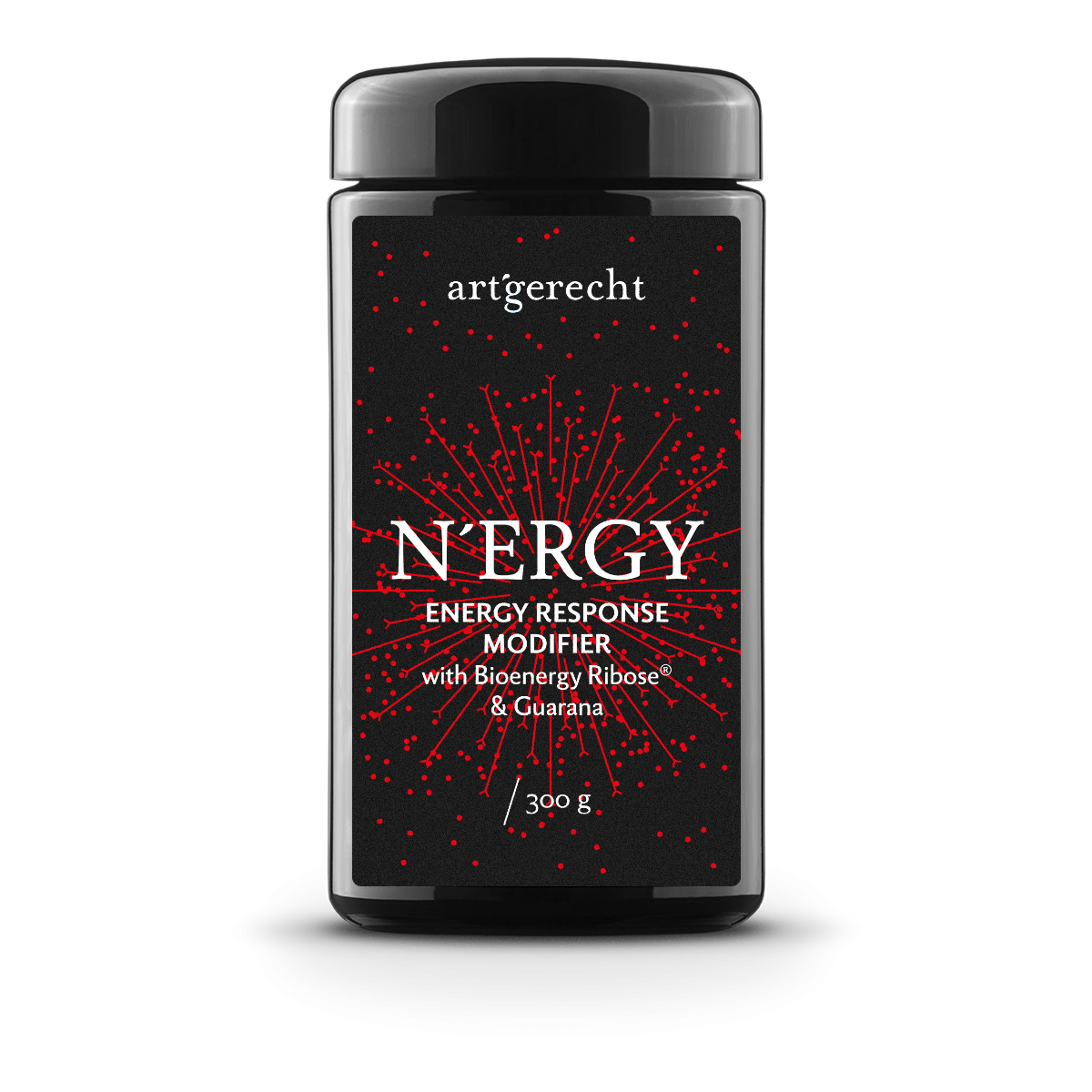
Your natural source of energy for everyday life & sports
Natural energy formula for everyday life & sports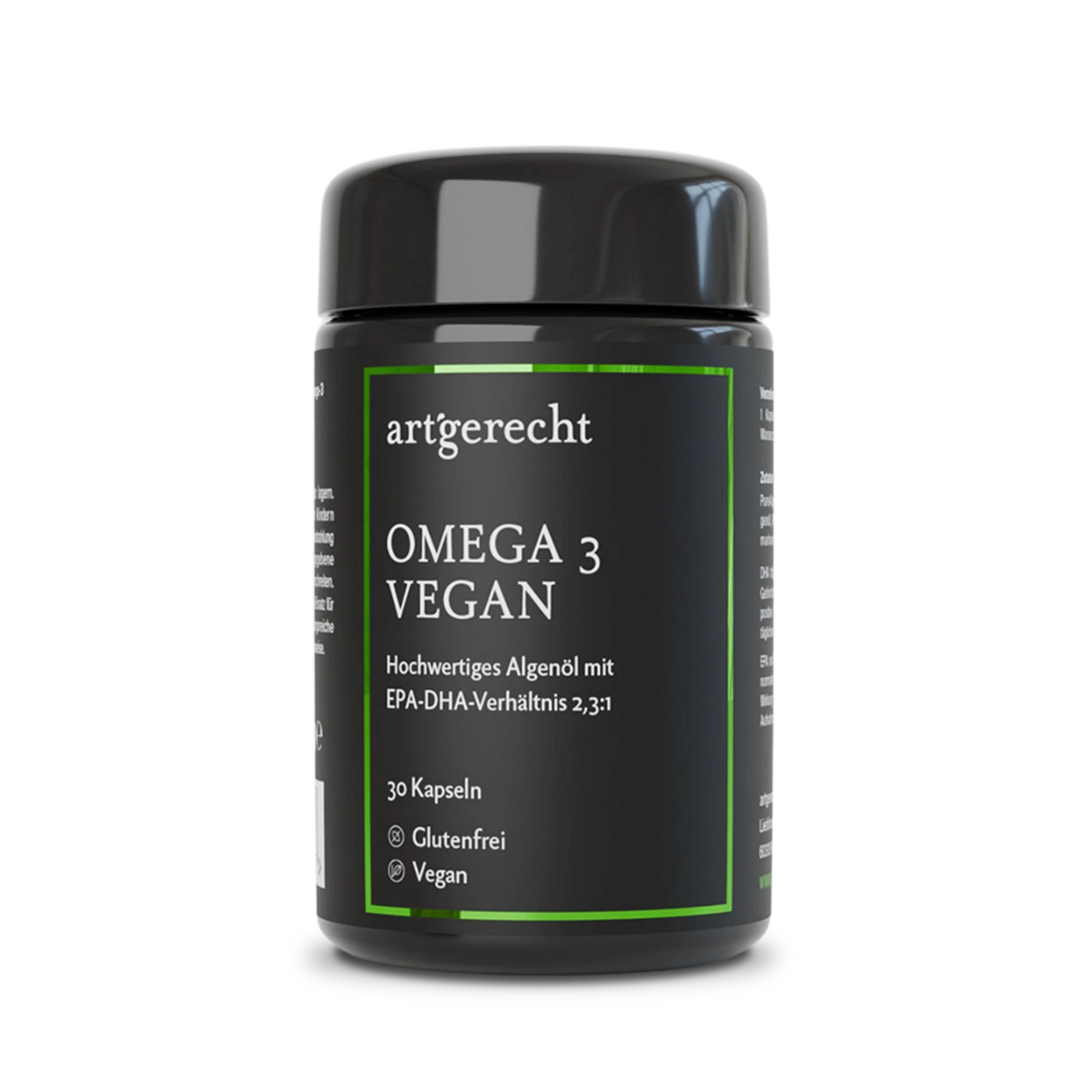
For Your Eyes, Heart, and Brain
High content of essential Omega-3 fatty acids EPA and DHA exclusively from high-quality algae oil (PureAlgaeOmega3™)
Best-selling products

For your universal protection
As one of the most valuable proteins in the body, lactoferrin is a natural component of the immune system.

For your iron balance
Specially formulated for your iron balance with plant-based curry leaf iron, Lactoferrin CLN®, and natural Vitamin C from rose hips.

For Healthy Oral Flora & Dental Care
Formulated lozenges with Dentalac®, probiotic lactic acid bacteria, and Lactoferrin CLN®The latest entries
3 Posts in this encyclopedia categoryMeningeal Sheath
Urothelial Carcinoma
Bone Remodeling
Most read entries
3 Posts in this encyclopedia categoryMagnesiumcarbonat
Cologne list
Calorie content
Related search terms: Nicotine withdrawal + nicotine withdrawal + nicotine withdrawal + nicotine withdrawal