


Obesity - causes, consequences & treatment options
Obesity is a chronic metabolic disease that increases the risk of diabetes, cardiovascular disease and inflammation.
Wissenswertes über "Obesity"
Obesity is a chronic metabolic disease that increases the risk of diabetes, cardiovascular disease and inflammation.
Obesity, also known as obesity, is a chronic metabolic disease characterised by an excessive accumulation of body fat. It is defined by the body mass index (BMI), whereby a BMI of 30 or higher is considered obesity. This condition is a growing global health problem and increases the risk of numerous comorbidities such as type 2 diabetes, high blood pressure, cardiovascular disease and certain cancers.
The main causes of obesity are a long-term positive energy balance, where calorie intake exceeds calorie expenditure. In addition to excessive calorie intake due to energy-rich, nutrient-poor foods, lack of exercise, genetic factors, hormonal disorders and psychological influences such as stress or lack of sleep play a significant role. Disorders in the gut microbiome and chronic inflammation are also associated with obesity, as they can influence metabolism and fat storage.Obesity is not only an aesthetic challenge, but above all a health challenge. It can lead to insulin resistance, fatty liver, joint problems and respiratory diseases such as sleep apnoea. Obesity also has a negative impact on mental well-being, as it is often associated with social stigmatisation and emotional stress.
The treatment of obesity requires a multidisciplinary approach that includes dietary changes, exercise and behavioural changes. A calorie-restricted, nutrient-rich diet with plenty of protein, healthy fats and fibre can help improve satiety and support fat burning. Exercise plays an essential role, as it not only increases calorie consumption, but also improves metabolism and maintains muscle mass.Intermittent fasting has been shown to be an effective method of weight management as it improves insulin sensitivity, stimulates fat metabolism and reduces inflammatory processes. Targeted intestinal reorganisation can also be beneficial, as the microbiome plays a central role in energy metabolism and certain bacterial strains are associated with obesity.Obesity requires long-term lifestyle changes, as a short-term diet without sustainable adjustments usually does not lead to lasting success. An individual strategy adapted to the metabolism can help to reduce weight and minimise the risk of secondary diseases. With the right combination of diet, exercise, fasting methods and targeted support for gut health, obesity can be successfully treated and overall health improved in the long term.
Verwandte Produkte

For your universal protection
As one of the most valuable proteins in the body, lactoferrin is a natural component of the immune system.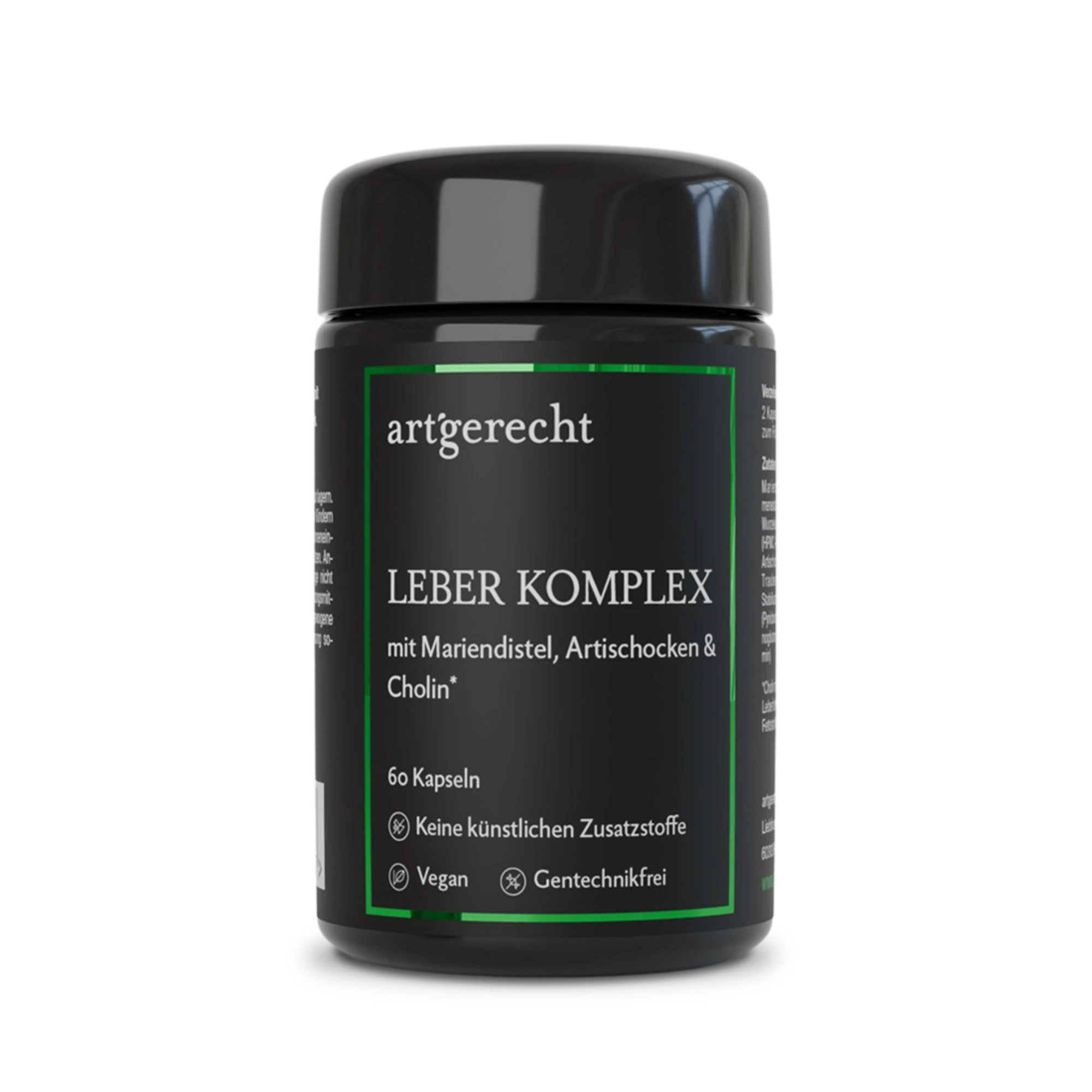
Plant-based support for your liver
Supports liver function with milk thistle, artichoke, choline & OPC

Give Your Gut a Fresh Start
A 30-day RESET Gut Cleanse with three objectives: restore gut balance, prevent modern diseases, and naturally lose weight in a healthy way.
Best-selling products

For your universal protection
As one of the most valuable proteins in the body, lactoferrin is a natural component of the immune system.

For your iron balance
Specially formulated for your iron balance with plant-based curry leaf iron, Lactoferrin CLN®, and natural Vitamin C from rose hips.

For Healthy Oral Flora & Dental Care
Formulated lozenges with Dentalac®, probiotic lactic acid bacteria, and Lactoferrin CLN®The latest entries
3 Posts in this encyclopedia categoryExocrine Pancreas
Venous Tonification
Immune Cell Density
Most read entries
3 Posts in this encyclopedia categoryMagnesiumcarbonat
Cologne list
Calorie content
Related search terms: Obesity + overweight + obesity