


Ovulation: Definition, Process and Clinical Relevance
Ovulation is the phase of the menstrual cycle in which a mature egg is released from the ovary, making fertilization by a sperm cell possible.
Wissenswertes über "Ovulation"
Ovulation is the phase of the menstrual cycle in which a mature egg is released from the ovary, making fertilization by a sperm cell possible.
What Is Ovulation?
Ovulation is one of the most important events in the female menstrual cycle. It refers to the release of a mature egg (oocyte) from a follicle in the ovary. Once released, the egg travels through the fallopian tube toward the uterus. Fertilization can only occur during this brief window. Ovulation marks the transition between the follicular phase and the luteal phase of the menstrual cycle.
Process and Mechanism of Action
The average menstrual cycle lasts approximately 28 days, though cycles ranging from 21 to 35 days are considered normal. In a typical 28-day cycle, ovulation occurs around day 14. However, this can vary significantly depending on individual cycle length and health factors.
Hormonal Regulation
Ovulation is controlled by a precisely coordinated cascade of hormones:
- FSH (Follicle-Stimulating Hormone): Stimulates the growth of multiple follicles in the ovary during the first half of the cycle. One follicle becomes dominant and matures in preparation for ovulation.
- Estrogen: Produced by the dominant follicle, estrogen levels rise steadily throughout the follicular phase. A peak in estrogen triggers a surge in LH through a positive feedback mechanism.
- LH (Luteinizing Hormone): The LH surge is the key hormonal trigger for ovulation. Within 24 to 36 hours of this surge, the dominant follicle ruptures and releases the egg.
- Progesterone: After ovulation, the ruptured follicle transforms into the corpus luteum (yellow body), which secretes progesterone to prepare the uterine lining for potential implantation of a fertilized egg.
The Fertile Window
After ovulation, the released egg remains viable for only about 12 to 24 hours. However, since sperm can survive in the female reproductive tract for up to 5 days, the so-called fertile window spans approximately 5 to 6 days around ovulation. Understanding this window is crucial for couples trying to conceive as well as for those using natural family planning methods such as the symptothermal method.
Signs and Symptoms of Ovulation
Many women experience ovulation without noticeable symptoms, but some common signs include:
- Mittelschmerz (mid-cycle pain): A brief, one-sided pelvic pain or cramping on the side of the ovulating ovary.
- Changes in cervical mucus: Around ovulation, cervical mucus becomes clear, slippery, and stretchy – similar in appearance to raw egg white – indicating peak fertility.
- Slight rise in basal body temperature: After ovulation, the resting body temperature typically increases by about 0.2 to 0.5 degrees Celsius and remains elevated until the next menstrual period.
- Changes in the cervix: The cervix becomes softer, higher, and slightly open during ovulation.
- Light spotting: Some women notice a small amount of mid-cycle bleeding around ovulation.
Diagnosis and Detection of Ovulation
Several methods can be used to detect or confirm ovulation:
- Ovulation predictor kits (OPKs): Urine-based tests that detect the LH surge and predict ovulation within the next 24 to 36 hours.
- Basal body temperature (BBT) charting: Daily temperature measurement immediately upon waking. A sustained rise in temperature indicates that ovulation has already occurred.
- Follicular ultrasound: A transvaginal ultrasound allows a physician to directly monitor follicle growth and confirm ovulation.
- Blood hormone testing: Elevated progesterone levels measured in the second half of the cycle (luteal phase) confirm that ovulation has taken place.
Ovulation Disorders
Ovulation does not always proceed normally. Common disorders include:
- Anovulation: The complete absence of ovulation. This can result from hormonal imbalances, chronic stress, significant changes in body weight, or conditions such as Polycystic Ovary Syndrome (PCOS).
- Oligo-ovulation: Infrequent or irregular ovulation.
- Luteal phase defect: Inadequate progesterone production by the corpus luteum, which can impair implantation of a fertilized egg.
Ovulatory disorders are among the most common causes of infertility and can often be treated with hormonal medications or other medical interventions.
Clinical Relevance
A thorough understanding of ovulation is fundamental to reproductive medicine, contraception, and fertility assessment. Hormonal contraceptives such as the combined oral contraceptive pill work primarily by suppressing ovulation through synthetic hormones. In fertility treatment, medications known as ovulation inducers (e.g., clomiphene citrate or gonadotropins) are used to stimulate or trigger ovulation in women who do not ovulate regularly.
References
- World Health Organization (WHO) – Selected Practice Recommendations for Contraceptive Use, 3rd Edition, 2016. Available at: https://www.who.int
- Speroff, L. and Fritz, M. A. – Clinical Gynecologic Endocrinology and Infertility, 8th Edition, Lippincott Williams and Wilkins, 2011.
- Mihm, M., Gangooly, S. and Muttukrishna, S. – The normal menstrual cycle in women. Animal Reproduction Science, 2011; 124(3-4):229-236. Available at: https://pubmed.ncbi.nlm.nih.gov/20869180/
Verwandte Produkte
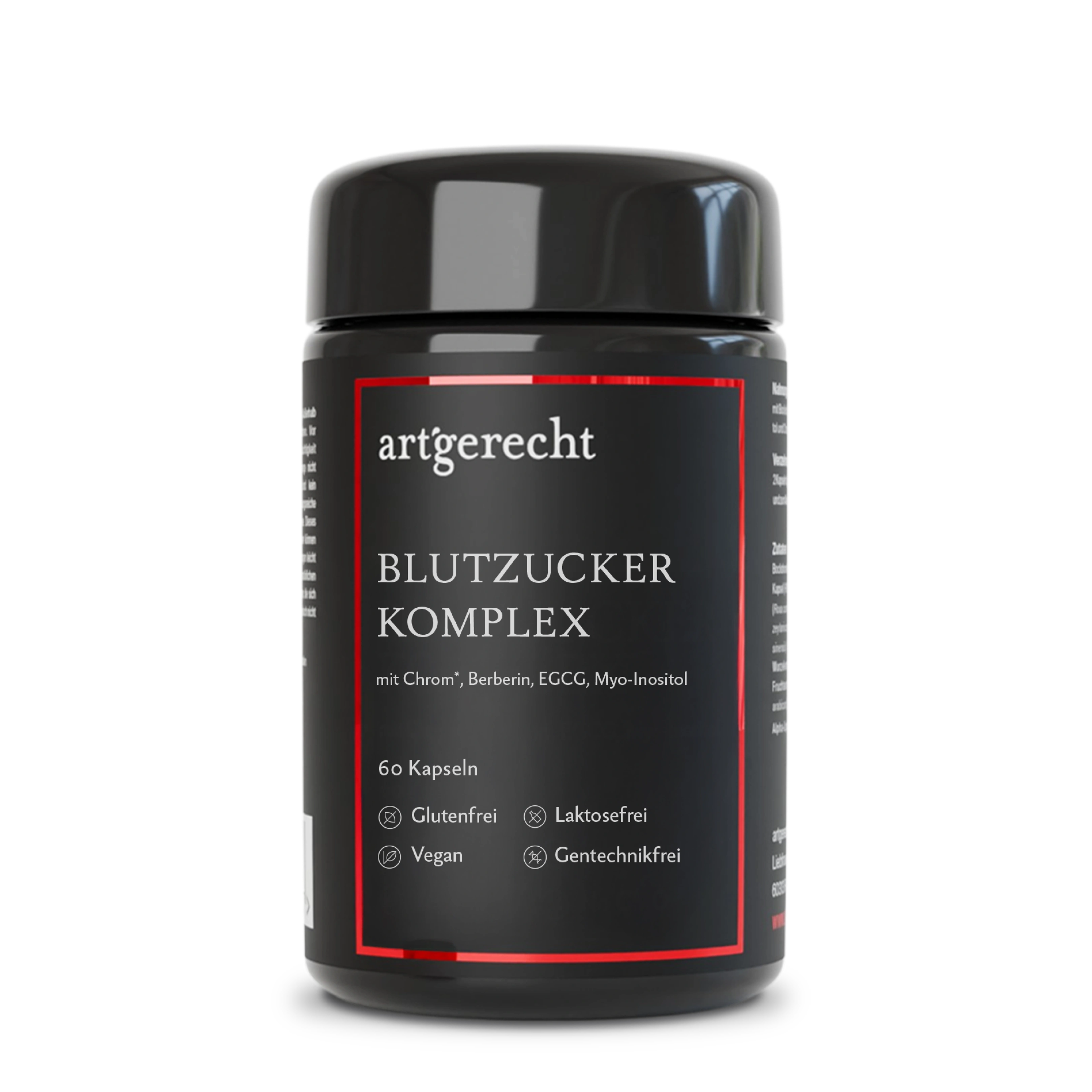
Promotes a balanced metabolism and stable blood sugar levels
Supports natural weight regulation

For your universal protection
As one of the most valuable proteins in the body, lactoferrin is a natural component of the immune system.
For your immune system, bones and teeth
OSOLE is gently produced using full-spectrum extraction from purely organic raw material sources.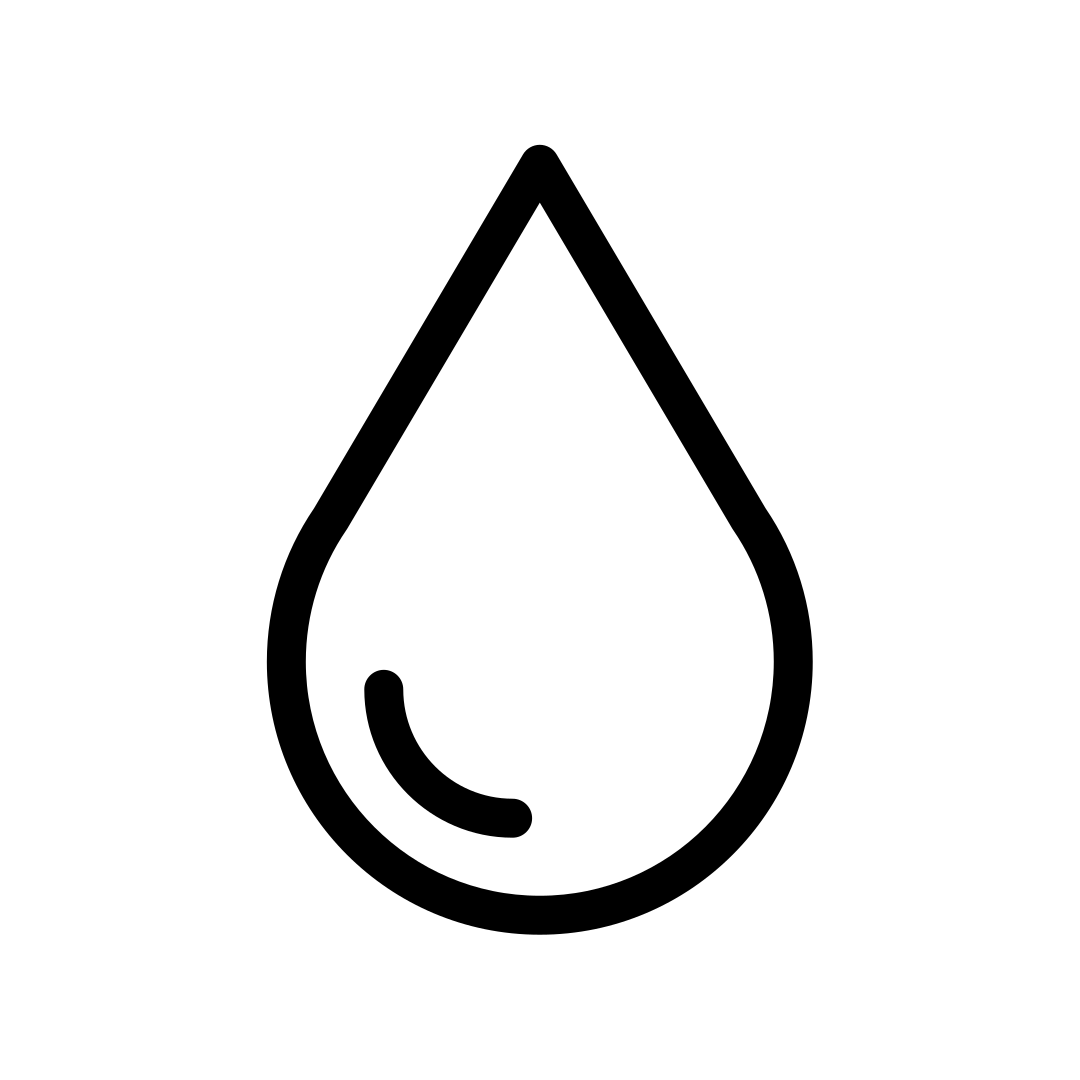
Best-selling products

For your universal protection
As one of the most valuable proteins in the body, lactoferrin is a natural component of the immune system.

For your iron balance
Specially formulated for your iron balance with plant-based curry leaf iron, Lactoferrin CLN®, and natural Vitamin C from rose hips.

For Healthy Oral Flora & Dental Care
Formulated lozenges with Dentalac®, probiotic lactic acid bacteria, and Lactoferrin CLN®The latest entries
3 Posts in this encyclopedia categoryVasculogenesis Factor
Quercetin Daily Protocol
Bladder Training
Most read entries
3 Posts in this encyclopedia categoryMagnesiumcarbonat
Cologne list
Calorie content
Related search terms: Ovulation + Ovulatio