


Vitamin A, Acne and Retinoids – Effects and Treatment
Retinoids are Vitamin A derivatives widely used in acne treatment. They regulate skin cell renewal and effectively reduce inflammation and comedone formation.
Wissenswertes über "Vitamin A, Acne and Retinoids"
Retinoids are Vitamin A derivatives widely used in acne treatment. They regulate skin cell renewal and effectively reduce inflammation and comedone formation.
What Are Retinoids?
Retinoids are a class of chemical compounds structurally related to Vitamin A (retinol). They include both naturally occurring and synthetic variants and are among the most thoroughly researched active substances in dermatology. In acne treatment, retinoids play a pivotal role by simultaneously targeting multiple mechanisms involved in acne development.
Vitamin A and Its Importance for the Skin
Vitamin A is a fat-soluble vitamin essential for the normal function and renewal of skin cells. It supports the differentiation of epithelial cells — the process by which skin cells mature — and helps regulate sebum (skin oil) production. A deficiency in Vitamin A can lead to keratinization disorders and dry, flaky skin. In therapeutic concentrations, particularly in the form of retinoids, Vitamin A demonstrates a significant effect against acne.
How Does Acne Develop and What Role Do Retinoids Play?
Acne vulgaris is a common condition of the sebaceous glands and hair follicles. It results from an interplay of several factors:
- Overproduction of sebum by the sebaceous glands
- Abnormal keratinization within the follicular canal (comedogenesis)
- Colonization by the bacterium Cutibacterium acnes
- Inflammatory reactions within the skin
Retinoids intervene in these processes by normalizing the keratinization of the follicular canal, preventing the formation of comedones (blackheads and whiteheads), and suppressing inflammatory responses.
Mechanism of Action of Retinoids
Retinoids bind to specific nuclear receptors within skin cells — known as retinoic acid receptors (RAR) and retinoid X receptors (RXR). Through this binding, they influence gene expression and thereby control:
- Cell renewal and differentiation of keratinocytes (skin cells)
- Reduction of sebum production
- Inhibition of inflammatory mediators
- Prevention of comedone formation by normalizing the keratinization process
Types of Retinoids Used in Acne Treatment
Topical Retinoids (External Application)
Topical retinoids are applied directly to the skin and represent the first-line treatment for mild to moderate acne:
- Tretinoin (retinoic acid / all-trans-retinoic acid): The first and most extensively studied topical retinoid. It is a potent comedolytic and anti-inflammatory agent.
- Adapalene: A third-generation synthetic retinoid. It is particularly well tolerated and is available over the counter in many countries.
- Tazarotene: Another synthetic retinoid primarily used for scaling skin conditions and acne.
Systemic Retinoids (Oral Administration)
For severe, highly inflammatory or scarring acne, systemic retinoid therapy is used:
- Isotretinoin (13-cis-retinoic acid): Considered the most effective treatment for severe acne. It permanently reduces the size of sebaceous glands, inhibits keratinization, and has a strong anti-inflammatory effect. Isotretinoin is available by prescription only and requires close medical supervision.
Application and Dosage
Topical retinoids are generally applied once daily, usually in the evening, to cleansed skin. At the beginning of treatment, a so-called retinoid reaction may occur (redness, peeling, mild burning), which typically subsides after a few weeks. Systemic isotretinoin is taken orally as a capsule, in a dosage individually determined by a physician — usually over a period of 4 to 8 months.
Side Effects
Topical Retinoids
- Redness, dryness and peeling of the skin
- Increased photosensitivity (sun protection is essential)
- Local irritation, especially at the start of treatment
Systemic Isotretinoin
- Pronounced skin dryness (lips, face, body)
- Dry eyes and mucous membranes
- Elevated liver enzyme levels (regular blood tests required)
- Increased blood lipid levels
- Teratogenicity: Isotretinoin can cause severe birth defects in unborn children. Reliable contraception is mandatory for women of childbearing age.
- Possible effects on mental health (depression) — requires medical monitoring
When to See a Doctor?
Mild acne can initially be managed with over-the-counter topical retinoids (e.g., adapalene). For moderate to severe acne, scarring, or if self-treatment shows insufficient results after 12 weeks, consultation with a dermatologist is strongly recommended. Isotretinoin must only be taken under medical supervision.
References
- Zouboulis CC et al. - European guidelines for the treatment of acne. Journal of the European Academy of Dermatology and Venereology, 2012.
- Leyden JJ, Stein-Gold L, Weiss J - Why Topical Retinoids Are Mainstay of Therapy for Acne. Dermatology and Therapy, 2017. PubMed PMID: 28585191.
- Layton AM, Dreno B, Gollnick H et al. - A review of the European Directive for prescribing systemic isotretinoin for acne vulgaris. Journal of the European Academy of Dermatology and Venereology, 2006.
Verwandte Produkte
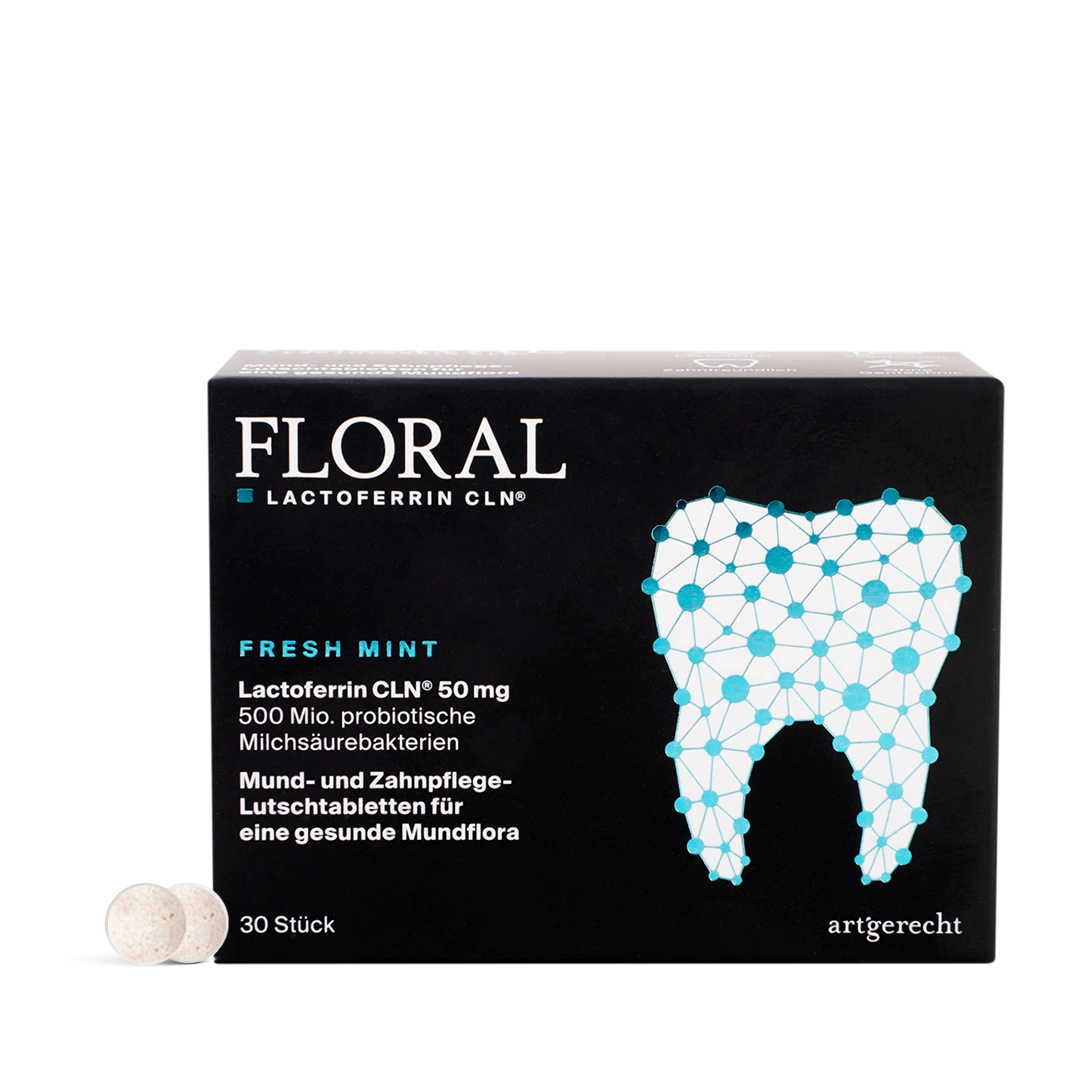
For Healthy Oral Flora & Dental Care
Formulated lozenges with Dentalac®, probiotic lactic acid bacteria, and Lactoferrin CLN®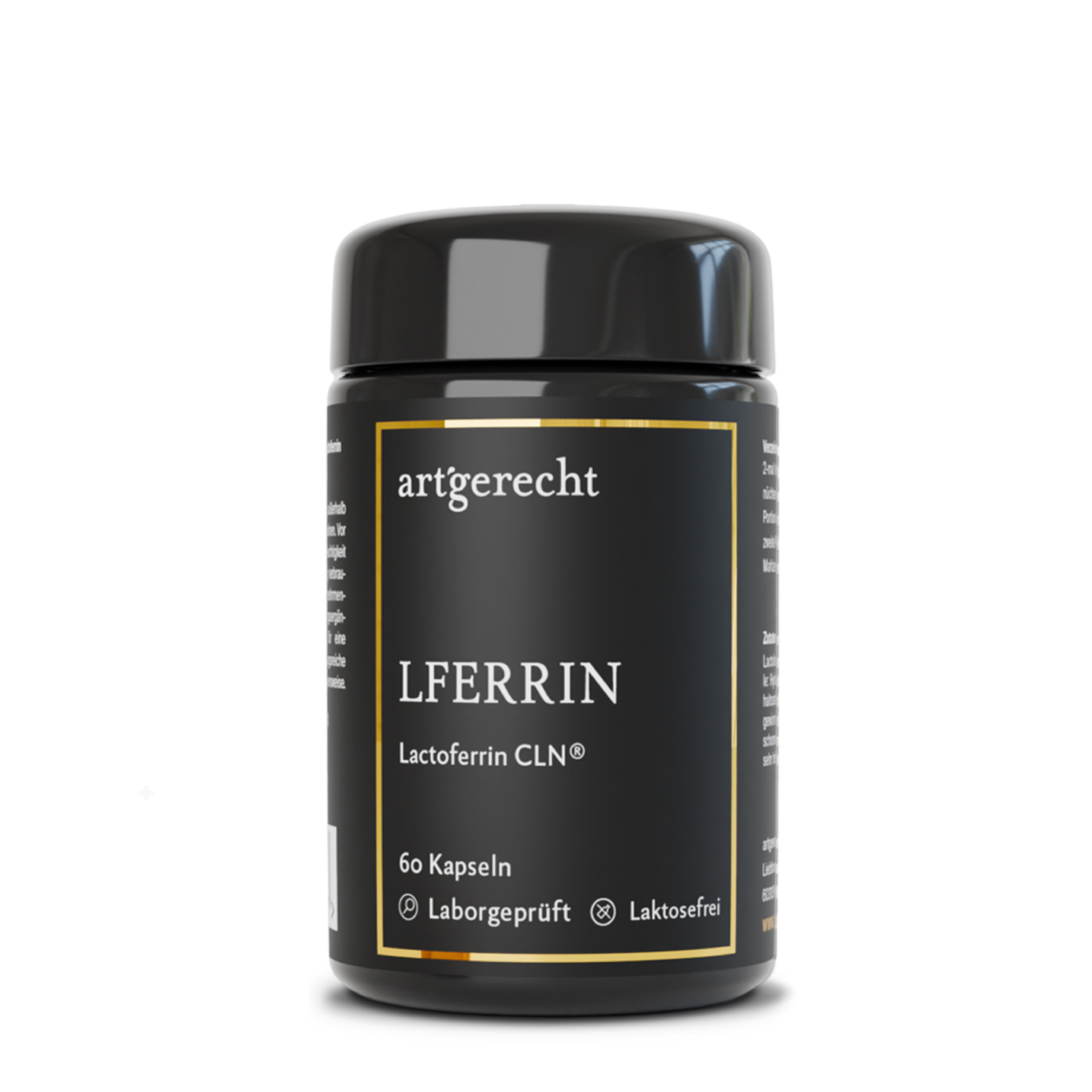
For your universal protection
As one of the most valuable proteins in the body, lactoferrin is a natural component of the immune system.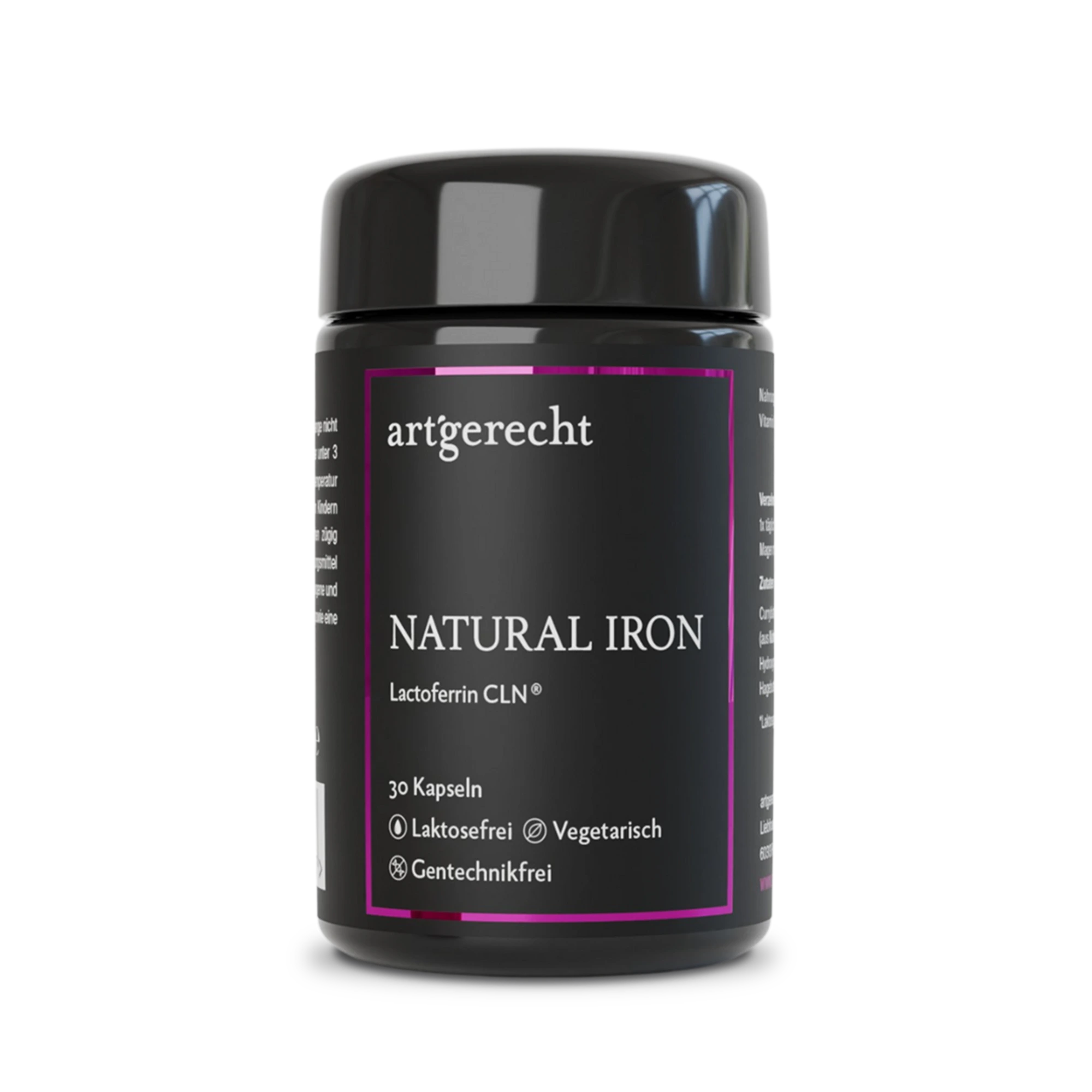
For your iron balance
Specially formulated for your iron balance with plant-based curry leaf iron, Lactoferrin CLN®, and natural Vitamin C from rose hips.
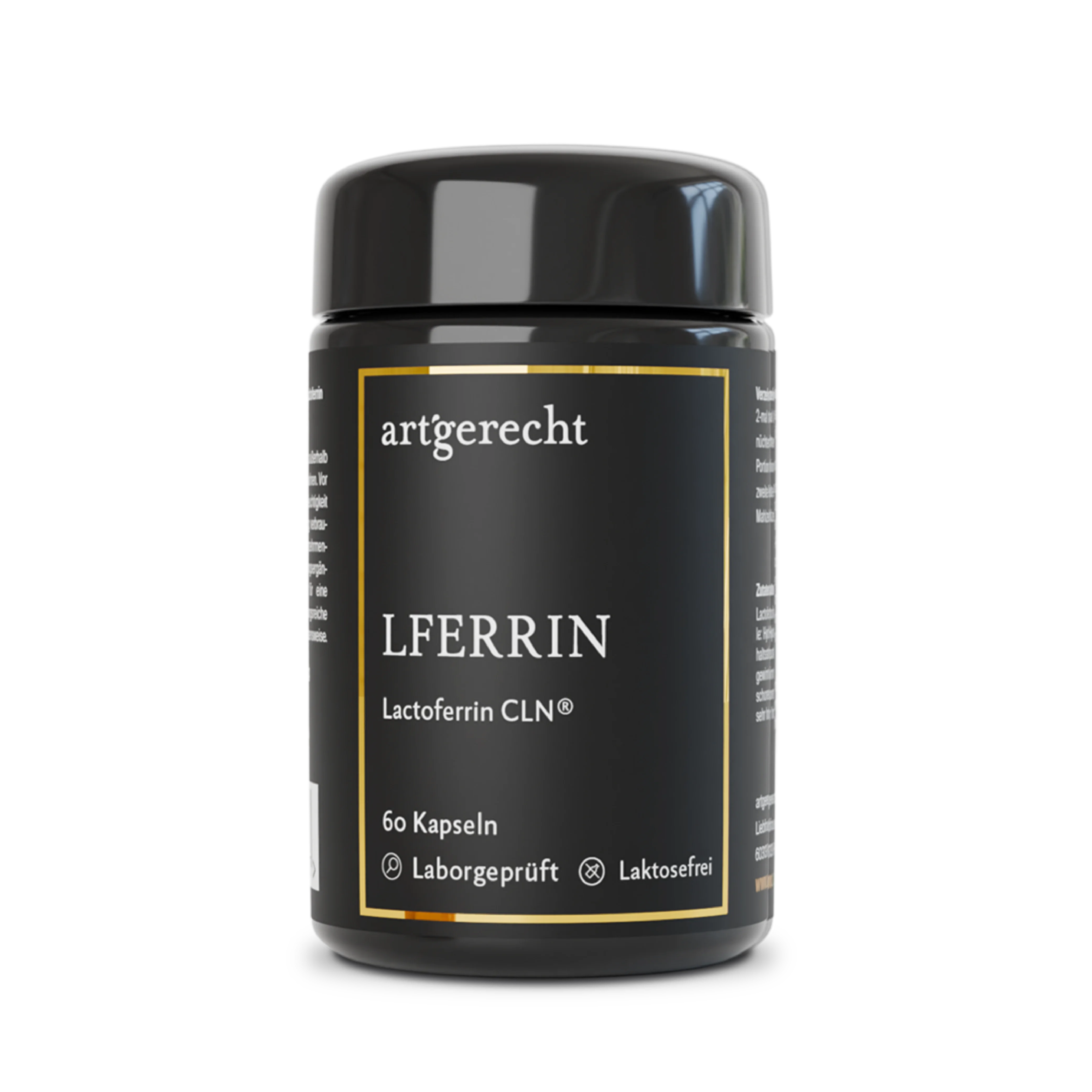
For your universal protection
As one of the most valuable proteins in the body, lactoferrin is a natural component of the immune system.
For your iron balance
Specially formulated for your iron balance with plant-based curry leaf iron, Lactoferrin CLN®, and natural Vitamin C from rose hips.
For Healthy Oral Flora & Dental Care
Formulated lozenges with Dentalac®, probiotic lactic acid bacteria, and Lactoferrin CLN®Die neusten Einträge
3 Posts in this encyclopedia categoryPolycystic Ovary Syndrome (PCOS)
Follow-On Milk
Die meistgelesenen Einträge
3 Posts in this encyclopedia categoryMagnesiumcarbonat
Cologne list
Calorie content
Verwandte Suchbegriffe: Retinoids + Retinoid + Vitamin A + Retinol + Tretinoin + Isotretinoin + Adapalene