


Xerostomia - causes, symptoms & help with dry mouth
Xerostomia impairs speech & swallowing - recognise the causes and protect the mucous membranes with care, natural active ingredients & lactoferrin.
Wissenswertes über "Xerostomia"
Xerostomia (dry mouth) describes the subjective feeling of a dry mouth as a result of reduced saliva production (hyposalivation) or altered saliva composition.
Xerostomia can not only be unpleasant, but can also have a significant impact on oral health, speech, swallowing and quality of life. Saliva performs important functions such as rinsing the mucous membranes, remineralising the teeth, neutralising acids and performing antimicrobial and digestive functions. The causes of xerostomia are varied. It often occurs as a side effect of medication - particularly with antidepressants, antihistamines, diuretics, beta blockers or chemotherapeutic agents. Also hormonal changes, autoimmune diseases such as Sjögren's syndrome, diabetes mellitus, smoking, mouth breathing, radiation in the head and neck area or chronic stress can impair saliva secretion. Dry mouth is particularly common in older people and is often underestimated.
First of all, it is important to identify the cause. Frequent drinking, sugar-free chewing gum, artificial saliva and special mouth sprays and gels that moisturise the mucous membranes can help. Natural active ingredients such as xylitol, aloe vera or mallow can also have a soothing effect. Lactoferrin, a multifunctional protein with antimicrobial and anti-inflammatory properties, is also being discussed in research as it protects the mucous membranes and strengthens the oral immune defence. In integrative dentistry, the targeted use of probiotic bacteria is also being investigated in order to keep the oral microbiota in balance, which is quickly disrupted by a lack of saliva.
Important features of xerostomia:
- Dry mouth due to lack of saliva or altered composition
- Symptoms: dry mucous membrane, difficulty swallowing, hoarseness, bad breath
- Causes: Medication, autoimmune diseases, radiotherapy, age
- Treatment: oral humidifiers, drinking behaviour, saliva stimulation, natural substances
- Supplementary helpful: Lactoferrin and probiotic microbiome regulation
Literature
- Villa, A. et al. (2015). "World Workshop on Oral Medicine VI: a systematic review of medication-induced salivary gland dysfunction." Oral Surgery, Oral Medicine, Oral Pathology.
- Aframian, D. J. et al. (2007). "Xerostomia - classification and etiology." Advances in Dental Research.
- Valenti, P. et al. (2018). "Role of Lactoferrin in oral and systemic health." International Journal of Molecular Sciences.
Verwandte Produkte
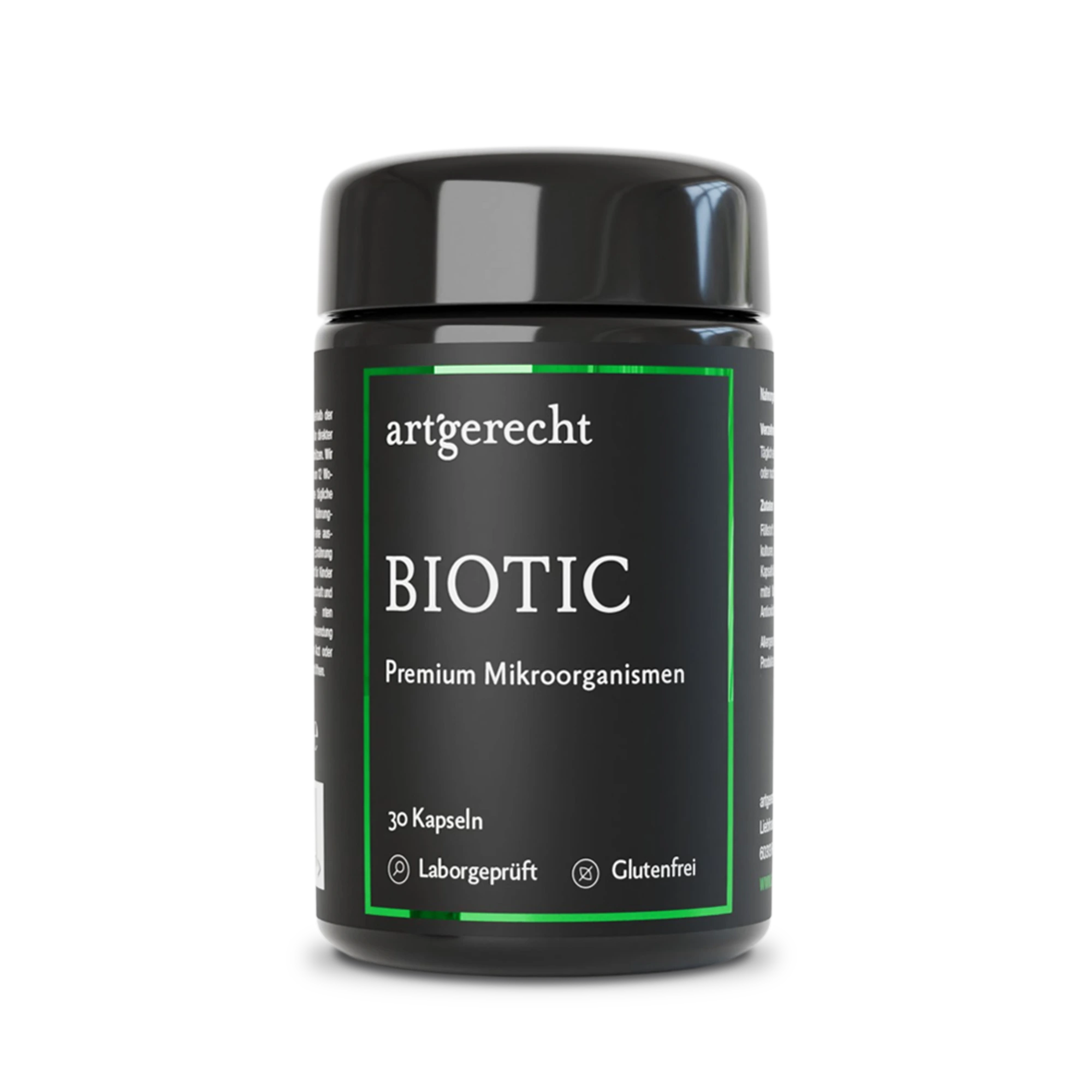
For the support of your healthy gut flora
Specifically cultivated symbiotic microorganisms, tailored to the human gut

For Healthy Oral Flora & Dental Care
Formulated lozenges with Dentalac®, probiotic lactic acid bacteria, and Lactoferrin CLN®
For your universal protection
As one of the most valuable proteins in the body, lactoferrin is a natural component of the immune system.Best-selling products

For your universal protection
As one of the most valuable proteins in the body, lactoferrin is a natural component of the immune system.

For your iron balance
Specially formulated for your iron balance with plant-based curry leaf iron, Lactoferrin CLN®, and natural Vitamin C from rose hips.
For Healthy Oral Flora & Dental Care
Formulated lozenges with Dentalac®, probiotic lactic acid bacteria, and Lactoferrin CLN®The latest entries
3 Posts in this encyclopedia categoryUridine Supplement
Auricular Dysmorphia
Intestinal Mucosal Atrophy
Most read entries
3 Posts in this encyclopedia categoryMagnesiumcarbonat
Cologne list
Calorie content
Related search terms: Xerostomia + dry mouth + dry mouth causes