


E174 Silver: Food Colorant Explained
E174 is an approved food colorant based on silver, permitted in the EU for decorative use on specific food products such as confectionery and chocolate.
Wissenswertes über "E174"
E174 is an approved food colorant based on silver, permitted in the EU for decorative use on specific food products such as confectionery and chocolate.
What is E174?
E174 is the EU designation for the food additive silver (chemical symbol: Ag). It is an inorganic colorant that gives foods a shiny, metallic silver appearance. Within the European Union, E174 is an approved food additive, but its use is restricted to very specific applications.
Origin and Properties
Silver is a naturally occurring precious metal with the atomic number 47. As a food colorant, it is used in the form of fine silver powder or silver leaf. The metal is odourless, tasteless, and possesses a characteristic metallic sheen. It is practically insoluble in water.
Permitted Uses in the EU
According to EU Regulation (EC) No. 1333/2008 on food additives, E174 is exclusively permitted for the following applications:
- Decorative coatings on confectionery (e.g., dragees, pralines)
- Decorative coatings on chocolate
- Liqueurs and spirits (for visual decoration)
- Decorative sugar products
Its use is limited to purely decorative purposes. A quantum satis rule applies, meaning only as much may be used as is technically necessary.
Safety and Assessment
The European Food Safety Authority (EFSA) has evaluated E174. Since silver is barely absorbed by the body in the permitted decorative amounts and overall exposure is very low, its use is considered safe. Metallic silver is largely biologically inert, meaning it reacts minimally within the body. Argyria (a bluish discolouration of the skin caused by silver deposits) is not expected at the permitted decorative quantities.
Labelling
Foods containing E174 must declare this additive in the ingredient list, either as E174 or as silver. This allows consumers to identify products containing this colorant.
Distinction from Colloidal Silver
E174 (metallic silver as a food colorant) must be clearly distinguished from so-called colloidal silver, which is marketed as a dietary supplement or remedy. Colloidal silver is not approved as a food additive in the EU and is rejected by health authorities due to a lack of evidence of efficacy and potential health risks.
References
- European Commission: Regulation (EC) No. 1333/2008 on food additives. Official Journal of the European Union, 2008.
- EFSA Panel on Food Additives and Nutrient Sources added to Food (ANS): Re-evaluation of silver (E 174) as a food additive. EFSA Journal, 2016.
- Federal Office of Consumer Protection and Food Safety (BVL): Food additives - Colorants. www.bvl.bund.de, accessed 2024.
Verwandte Produkte
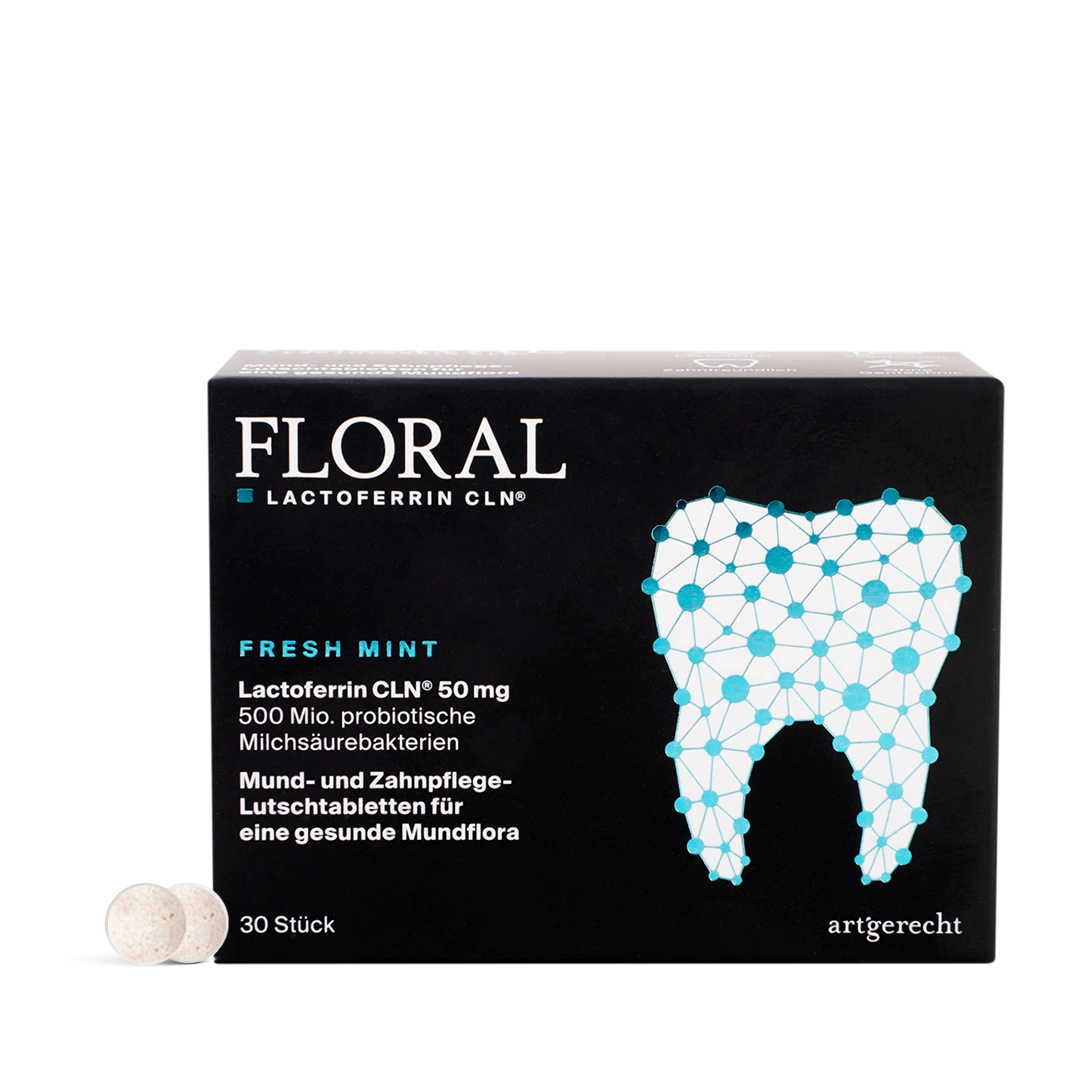
For Healthy Oral Flora & Dental Care
Formulated lozenges with Dentalac®, probiotic lactic acid bacteria, and Lactoferrin CLN®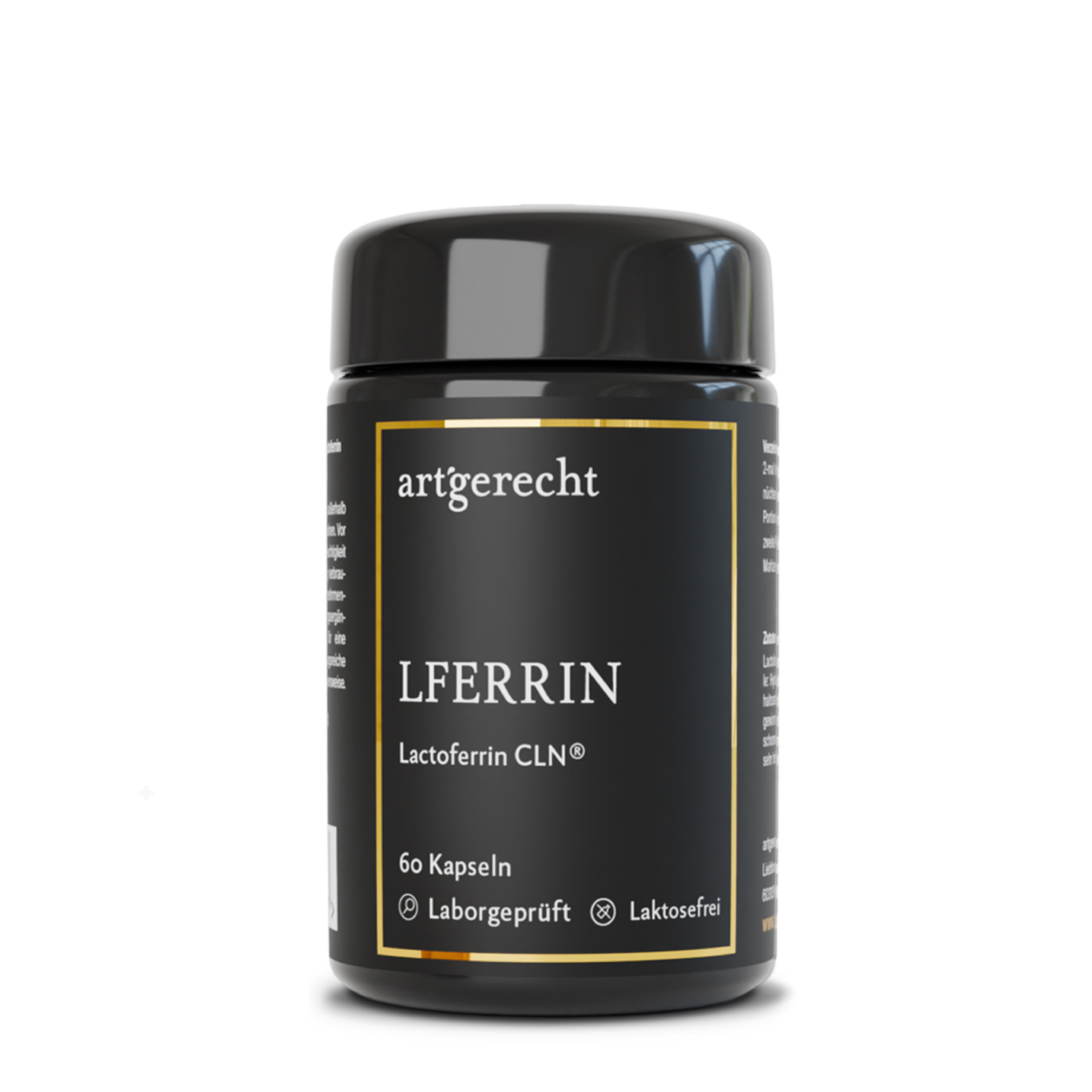
For your universal protection
As one of the most valuable proteins in the body, lactoferrin is a natural component of the immune system.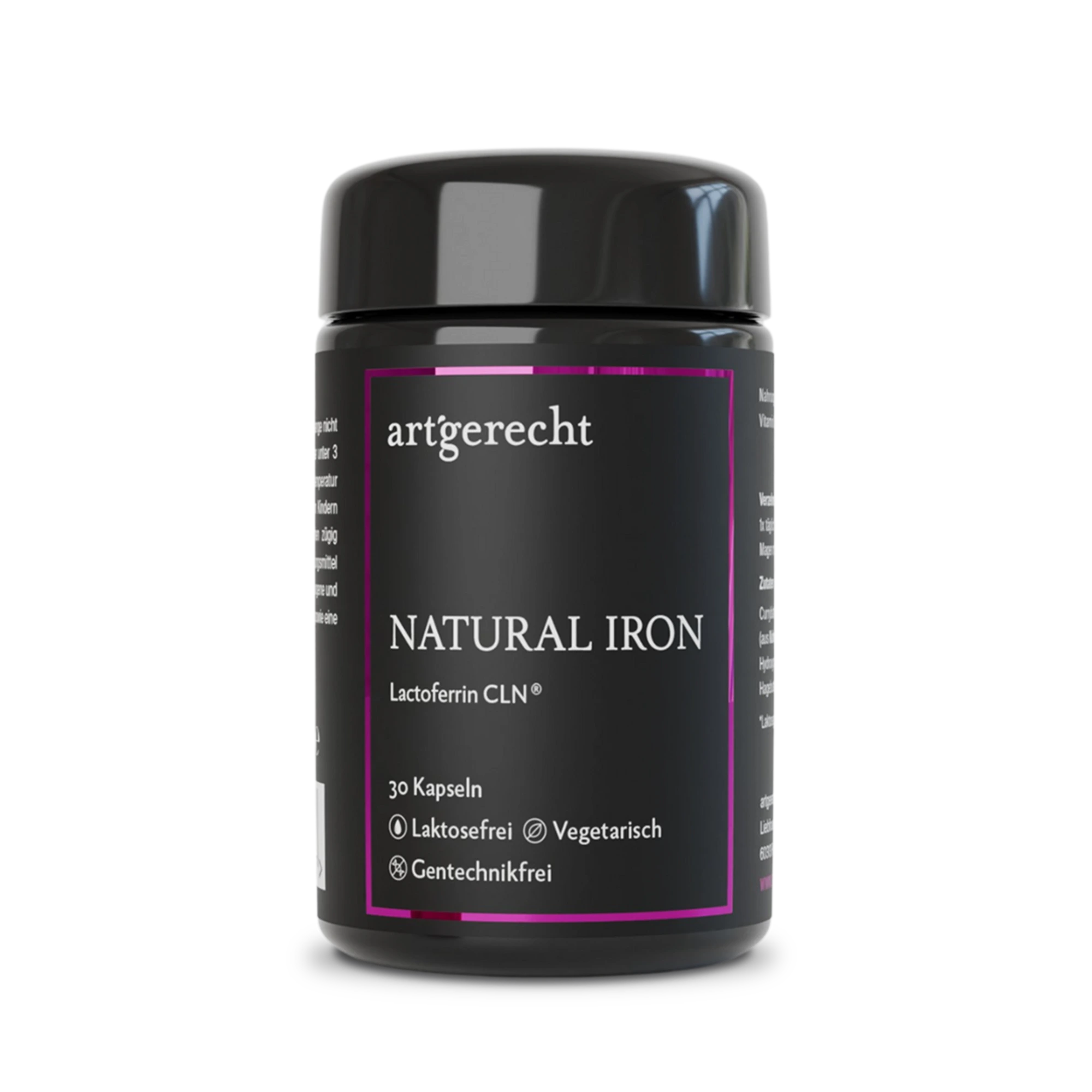
For your iron balance
Specially formulated for your iron balance with plant-based curry leaf iron, Lactoferrin CLN®, and natural Vitamin C from rose hips.
Best-selling products
For your universal protection
As one of the most valuable proteins in the body, lactoferrin is a natural component of the immune system.
For your iron balance
Specially formulated for your iron balance with plant-based curry leaf iron, Lactoferrin CLN®, and natural Vitamin C from rose hips.
For Healthy Oral Flora & Dental Care
Formulated lozenges with Dentalac®, probiotic lactic acid bacteria, and Lactoferrin CLN®The latest entries
3 Posts in this encyclopedia categoryRosuvastatin
Most read entries
3 Posts in this encyclopedia categoryMagnesiumcarbonat
Cologne list
Calorie content
Related search terms: E174 + Silver + Silver colorant