


Rosacea – Causes, Symptoms and Treatment
Rosacea is a chronic inflammatory skin condition primarily affecting the face, causing redness, visible blood vessels, and pimple-like bumps.
Wissenswertes über "Rosacea"
Rosacea is a chronic inflammatory skin condition primarily affecting the face, causing redness, visible blood vessels, and pimple-like bumps.
What is Rosacea?
Rosacea is a common, chronic inflammatory skin condition that mainly affects the face. It is characterized by persistent redness, visible blood vessels, inflammatory papules, and pustules. In some cases, the skin may thicken over time. Rosacea tends to follow a relapsing and remitting course and, while there is no cure, it can be effectively managed. It most commonly affects fair-skinned individuals between the ages of 30 and 60.
Causes and Risk Factors
The exact cause of rosacea is not yet fully understood. Current evidence points to a combination of contributing factors:
- Genetic predisposition: Rosacea tends to run in families, suggesting a hereditary component.
- Immune system dysregulation: An overactive innate immune response in the skin appears to play a central role.
- Vascular instability: Hypersensitive and dilated facial blood vessels contribute to characteristic flushing and redness.
- Demodex mites: An elevated density of the skin mite Demodex folliculorum has been associated with rosacea development.
- Trigger factors: Sun exposure, alcohol, spicy foods, heat, cold temperatures, emotional stress, and certain skincare products can provoke or worsen flare-ups.
Symptoms
Rosacea symptoms vary depending on the subtype and severity. Common signs include:
- Persistent facial redness (erythema), typically affecting the cheeks, nose, chin, and forehead
- Visible, dilated blood vessels (telangiectasias)
- Burning, stinging, or a sensation of tightness in the skin
- Inflammatory papules and pustules (resembling acne but without blackheads)
- Ocular involvement (ocular rosacea): red, watery, or burning eyes
- In advanced cases: thickening of the nasal skin (rhinophyma), more common in men
Diagnosis
Rosacea is typically diagnosed clinically, based on the characteristic appearance of the skin and the patient's medical history. A dermatologist evaluates the visible skin changes and asks about triggers and symptoms. Laboratory tests are generally not required but may be used to rule out similar conditions such as lupus erythematosus. Rosacea is often classified into four subtypes:
- Erythematotelangiectatic rosacea (flushing and visible vessels)
- Papulopustular rosacea (papules and pustules)
- Phymatous rosacea (skin thickening, e.g., rhinophyma)
- Ocular rosacea (eye involvement)
Treatment
There is currently no cure for rosacea. The goals of treatment are to control symptoms, prevent flare-ups, and improve the quality of life for affected individuals.
General Measures
- Consistent use of sunscreen (SPF 30 or higher)
- Avoiding known personal trigger factors
- Using gentle, fragrance-free skincare products
Medical Treatment
- Topical therapy: Metronidazole gel or cream, ivermectin cream, azelaic acid, and brimonidine tartrate gel to reduce redness
- Systemic therapy: Low-dose antibiotics such as doxycycline may be prescribed for moderate to severe rosacea
- Laser and light-based therapies: Effective for treating telangiectasias and persistent redness
Treatment of Rhinophyma
Skin thickening of the nose (rhinophyma) can be treated with laser ablation, electrosurgery, or surgical reshaping procedures.
Living with Rosacea
Rosacea can significantly affect quality of life, particularly through psychosocial challenges such as embarrassment or reduced self-confidence. Open communication with a healthcare provider and, where appropriate, psychological support can be beneficial. Patient organizations and support groups can provide additional information and a sense of community.
References
- Wilkin J. et al. - Standard classification of rosacea. Journal of the American Academy of Dermatology, 2002.
- Schaller M. et al. - Rosacea Management: Update on Therapy. Journal of the German Society of Dermatology, 2016.
- National Rosacea Society - Rosacea: Diagnosis and Management Guidelines, 2023. Available at: www.rosacea.org
Verwandte Produkte
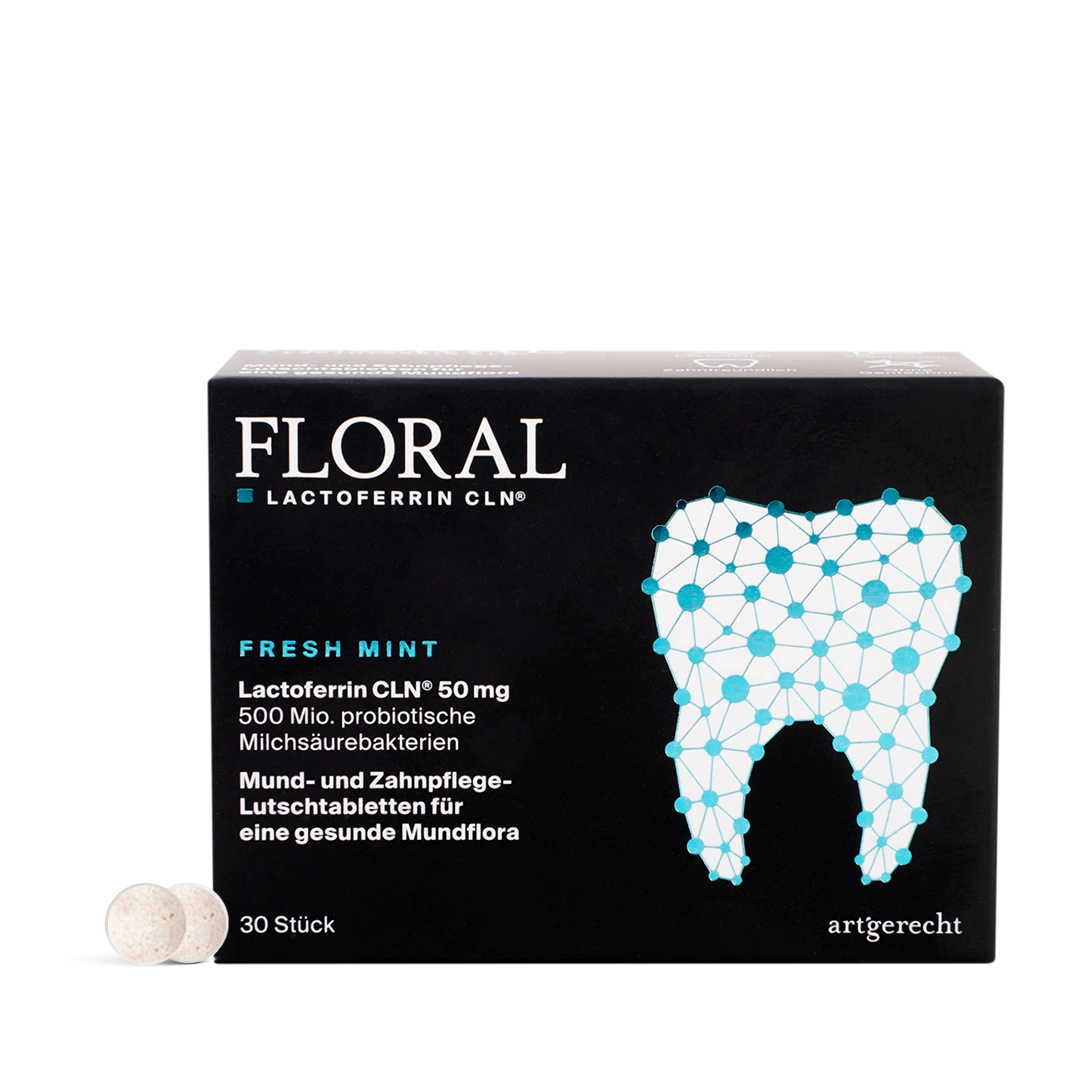
For Healthy Oral Flora & Dental Care
Formulated lozenges with Dentalac®, probiotic lactic acid bacteria, and Lactoferrin CLN®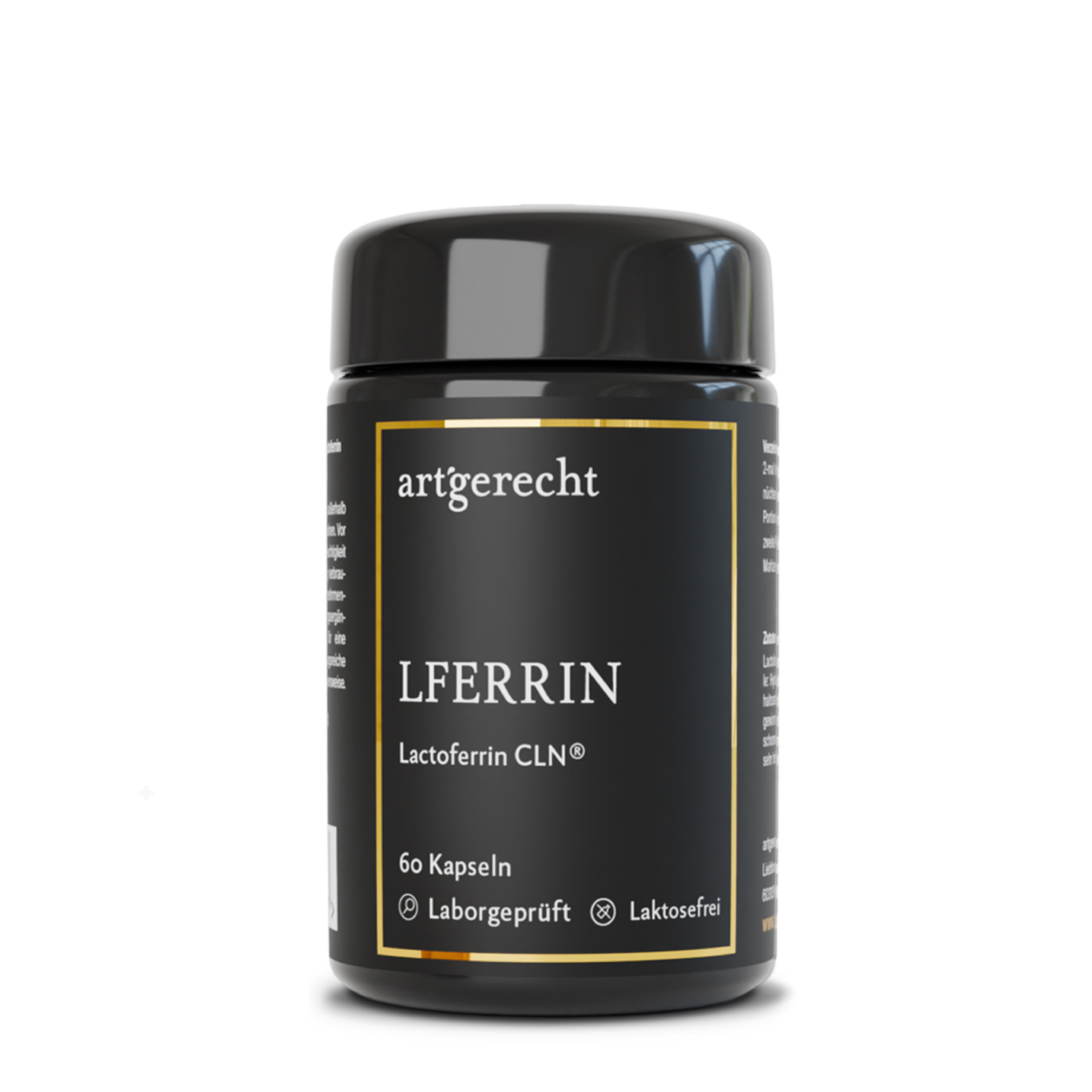
For your universal protection
As one of the most valuable proteins in the body, lactoferrin is a natural component of the immune system.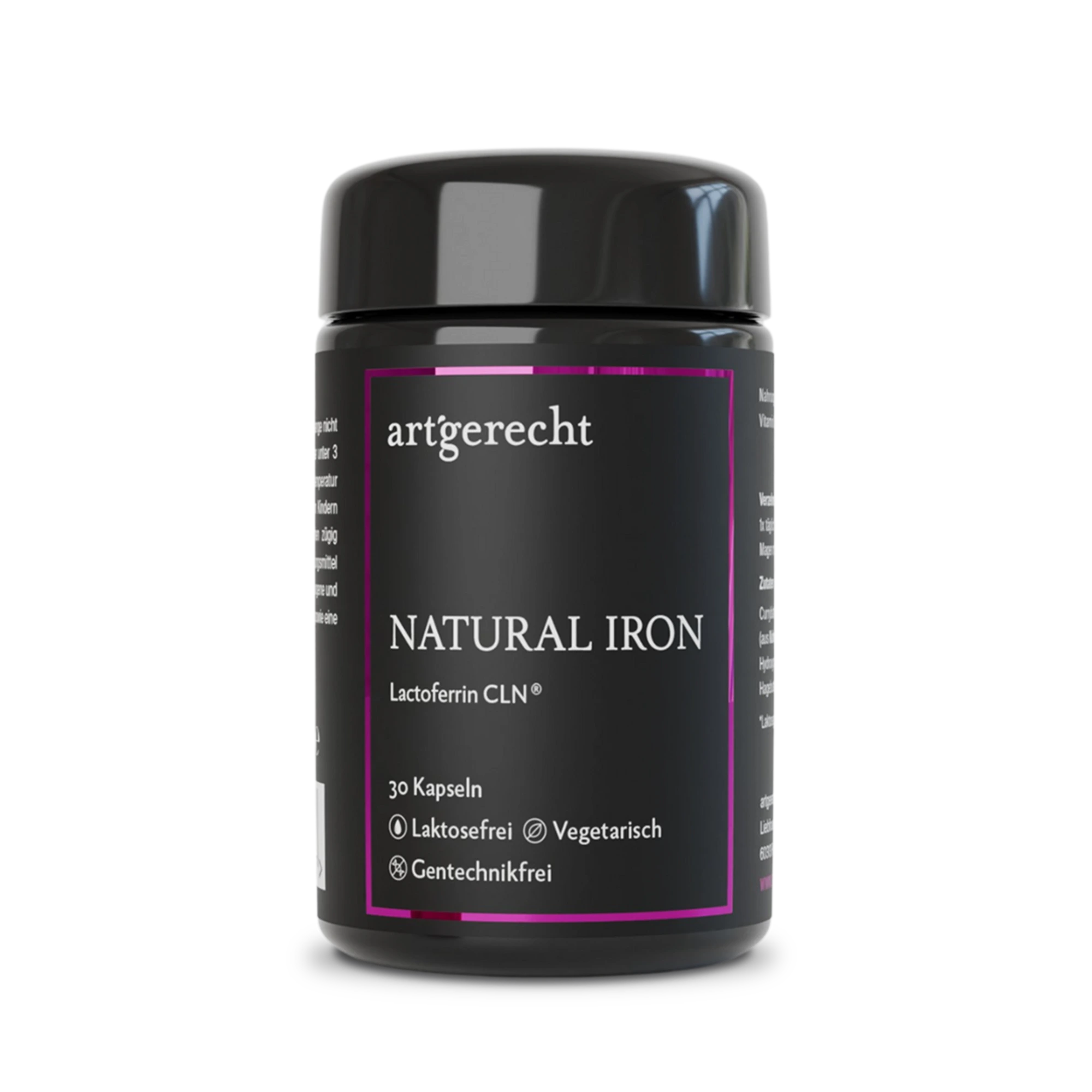
For your iron balance
Specially formulated for your iron balance with plant-based curry leaf iron, Lactoferrin CLN®, and natural Vitamin C from rose hips.
Best-selling products
For your universal protection
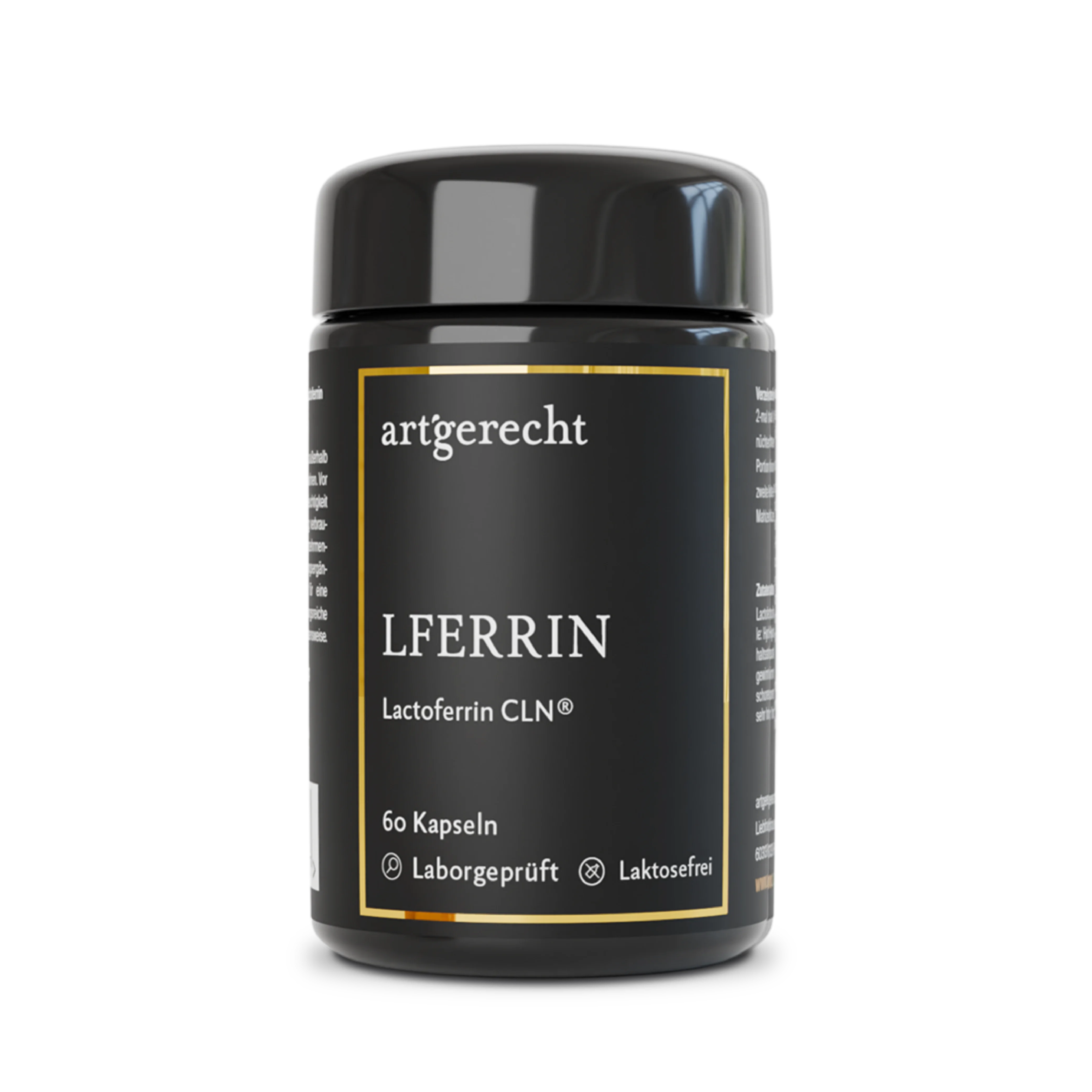
As one of the most valuable proteins in the body, lactoferrin is a natural component of the immune system.
For your iron balance
Specially formulated for your iron balance with plant-based curry leaf iron, Lactoferrin CLN®, and natural Vitamin C from rose hips.
For Healthy Oral Flora & Dental Care
Formulated lozenges with Dentalac®, probiotic lactic acid bacteria, and Lactoferrin CLN®The latest entries
3 Posts in this encyclopedia categorySwallowing Difficulties
Neuroblastoma
Most read entries
3 Posts in this encyclopedia categoryMagnesiumcarbonat
Cologne list
Calorie content
Related search terms: Rosacea + Rosazea + Rosaceae