


E104 Quinoline Yellow: Uses, Safety & Labeling
E104 (Quinoline Yellow) is a synthetic food colorant that gives foods and beverages a yellowish-green hue. It is approved in the EU but subject to mandatory labeling requirements.
Wissenswertes über "E104"
E104 (Quinoline Yellow) is a synthetic food colorant that gives foods and beverages a yellowish-green hue. It is approved in the EU but subject to mandatory labeling requirements.
What is E104 (Quinoline Yellow)?
E104, commonly known as Quinoline Yellow, is a synthetic food colorant belonging to the quinoline dye family. It imparts a characteristic yellow to yellowish-green color to food products and beverages. Quinoline Yellow is derived from coal tar and, while not a classical azo dye, is often grouped with synthetic colorants subject to similar regulatory scrutiny.
Uses in Food and Other Products
E104 is used in a wide range of processed products, including:
- Confectionery and sweets
- Soft drinks and flavored beverages
- Desserts and ice cream
- Ready meals and sauces
- Dietary supplements in capsule or tablet form
- Cosmetics and pharmaceuticals (as an excipient or colorant)
Within the European Union, the use of E104 in food is permitted but restricted to specific food categories and subject to maximum quantity limits.
Mandatory Labeling and the Southampton Study
Since 2010, food products in the EU containing E104 must carry the warning label: May have an adverse effect on activity and attention in children. This requirement stems from the Southampton Study (McCann et al., 2007), which identified a potential link between the consumption of a specific mixture of food colorants and increased hyperactivity in children. E104 was one of the colorants included in the mixture tested in that study.
Health and Safety Assessment
The European Food Safety Authority (EFSA) has conducted several safety evaluations of E104. The current acceptable daily intake (ADI) is set at 0.5 mg per kilogram of body weight per day. When consumed within approved maximum levels in food, E104 is considered safe for the general population.
However, specific safety considerations include:
- Children and hyperactivity: Based on the Southampton Study, it is advisable to limit E104 consumption in children, especially those with known hyperactivity or ADHD.
- Cross-reactions: Individuals with aspirin or salicylate intolerance may experience allergy-like reactions when consuming E104.
- Not approved in all countries: E104 is not approved as a food colorant in the United States or Australia.
Chemical Properties
Quinoline Yellow is chemically composed of a mixture of mono-, di-, and trisulfonates of 2-(2-quinolyl)indane-1,3-dione. It is water-soluble and thermally stable, making it suitable for a broad range of food applications. The colorant is also light-resistant, retaining its color during processing and storage.
Regulatory Status in the EU
In the European Union, E104 is authorized under Regulation (EC) No 1333/2008 on food additives. Permitted maximum levels vary by food category, typically ranging from 10 to 100 mg/kg or mg/l. The use of E104 is prohibited in certain food categories, including fresh fruits and vegetables, meat products, dairy products, and infant foods.
References
- EFSA Panel on Food Additives and Nutrient Sources (ANS): Re-evaluation of quinoline yellow (E 104) as a food additive. EFSA Journal 2013;11(11):3385. doi:10.2903/j.efsa.2013.3385
- McCann D et al. - Food additives and hyperactive behaviour in 3-year-old and 8/9-year-old children in the community: a randomised, double-blinded, placebo-controlled trial. The Lancet. 2007;370(9598):1560-1567.
- European Commission - Regulation (EC) No 1333/2008 of the European Parliament and of the Council on food additives. Official Journal of the European Union, 2008.
Verwandte Produkte
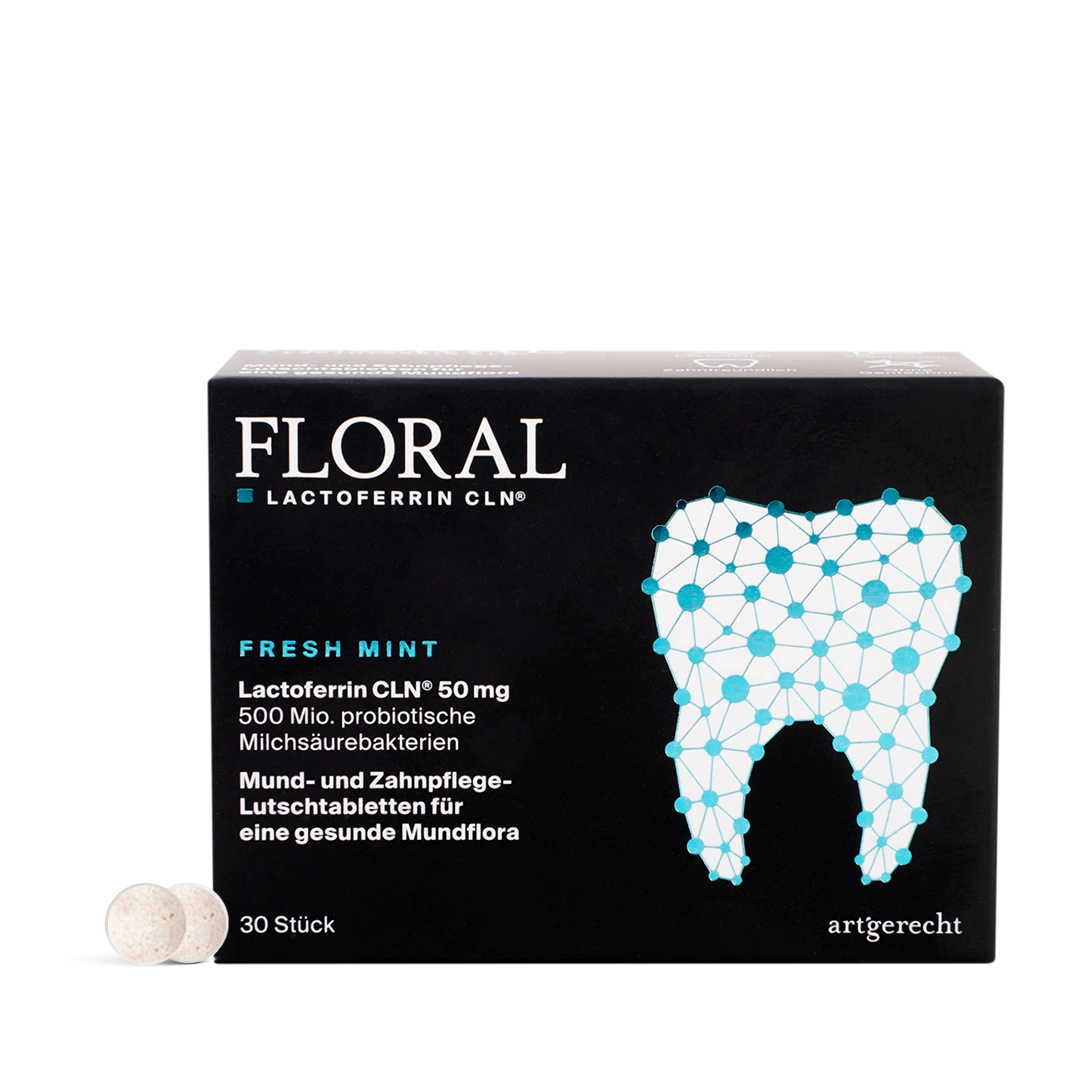
For Healthy Oral Flora & Dental Care
Formulated lozenges with Dentalac®, probiotic lactic acid bacteria, and Lactoferrin CLN®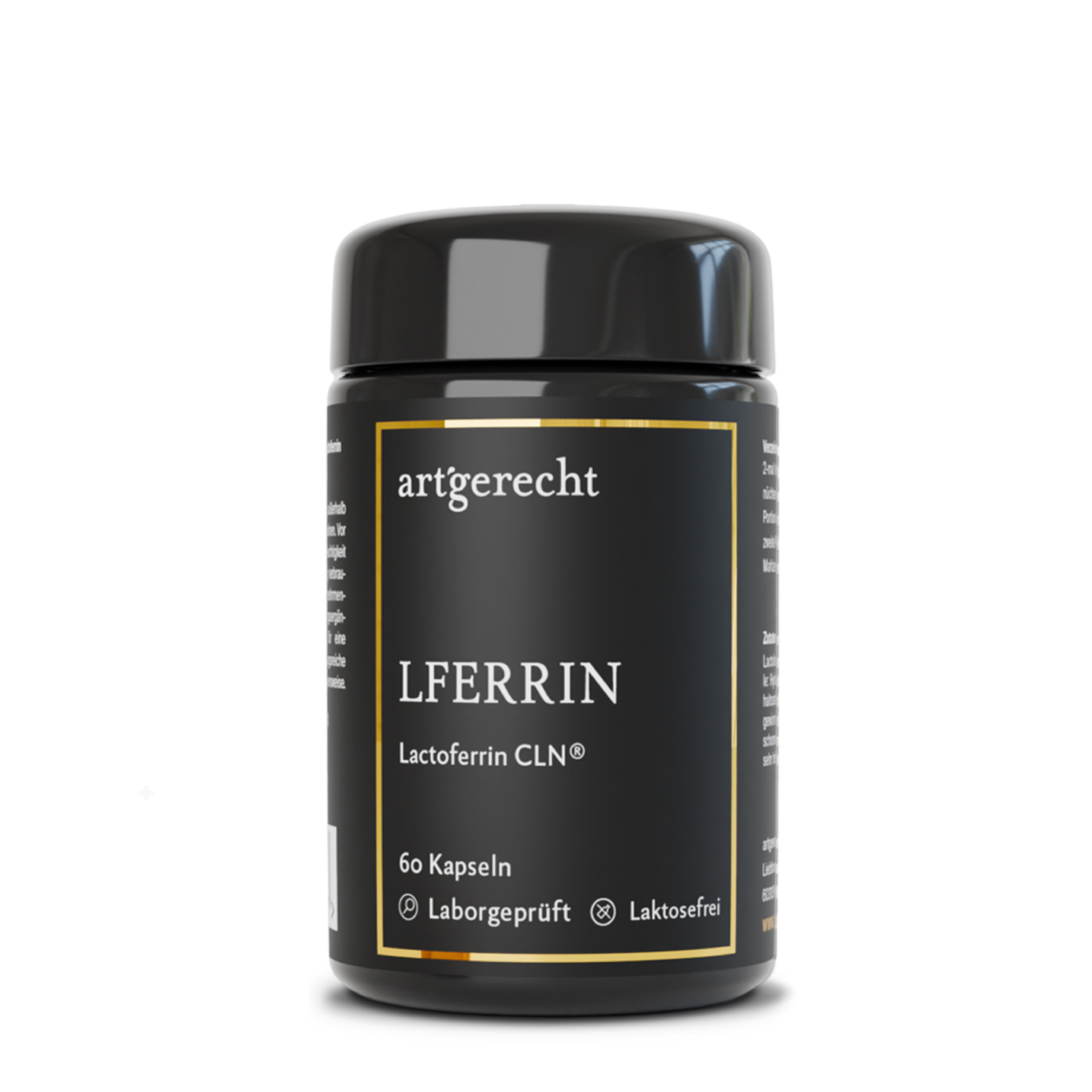
For your universal protection
As one of the most valuable proteins in the body, lactoferrin is a natural component of the immune system.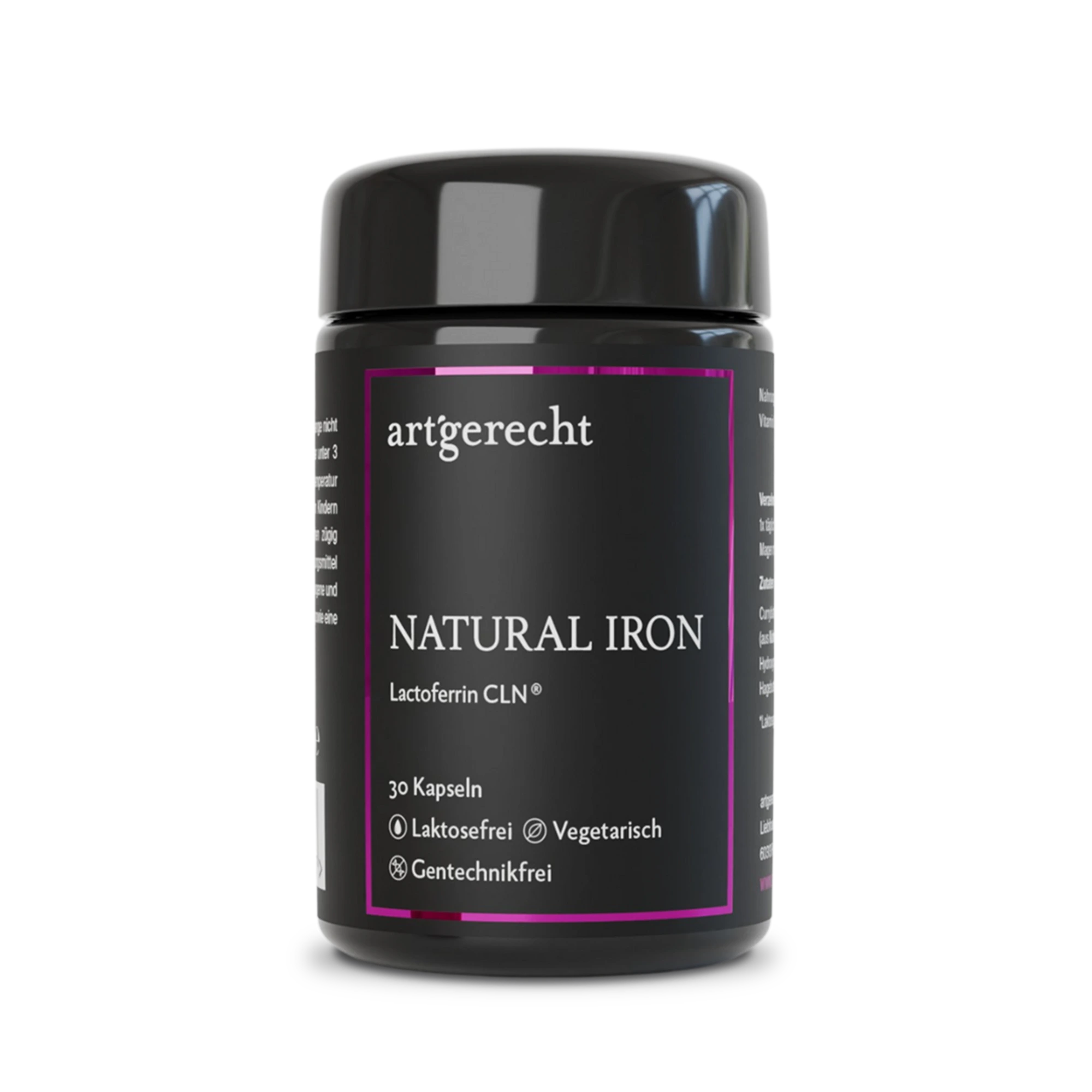
For your iron balance
Specially formulated for your iron balance with plant-based curry leaf iron, Lactoferrin CLN®, and natural Vitamin C from rose hips.
Best-selling products
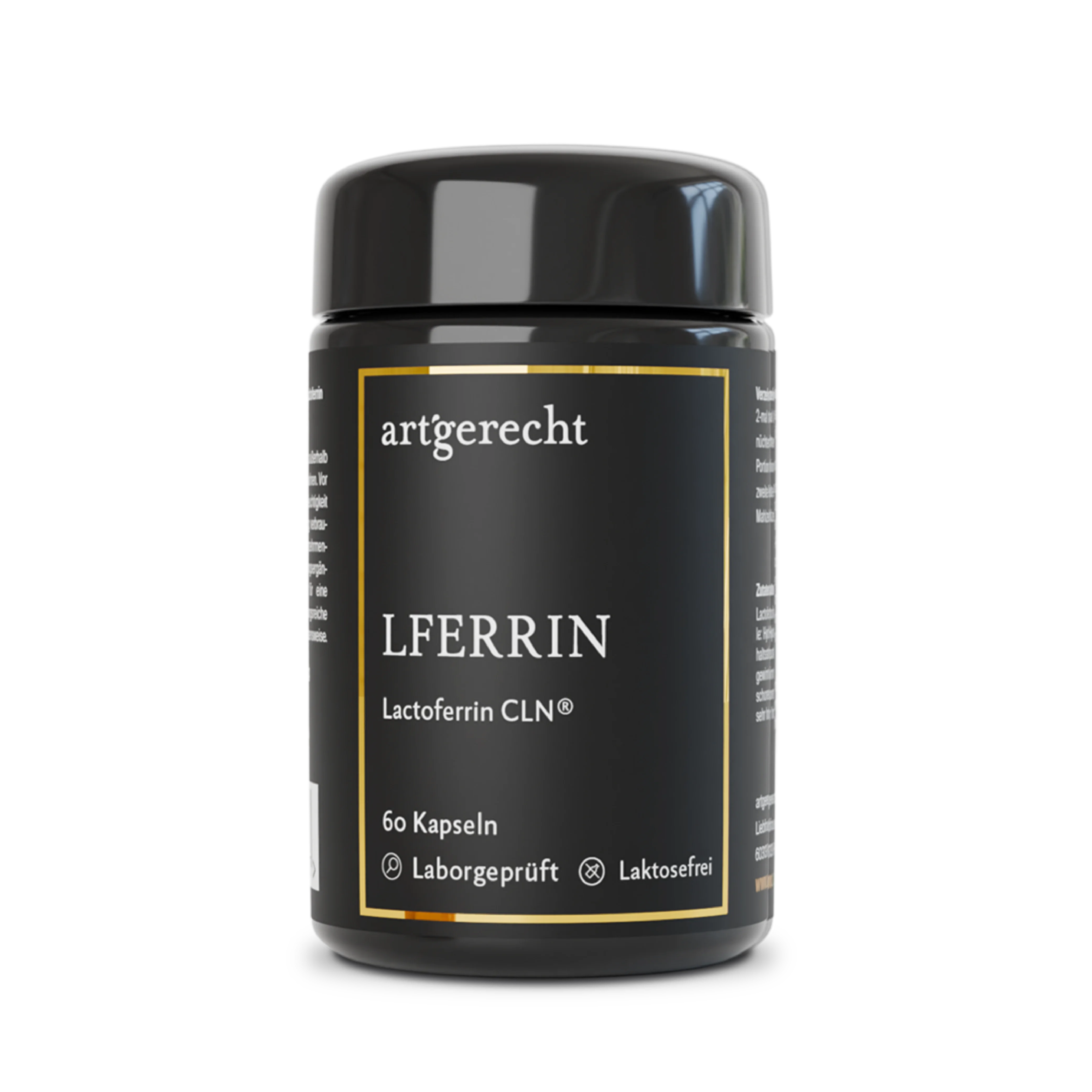
For your universal protection
As one of the most valuable proteins in the body, lactoferrin is a natural component of the immune system.
For your iron balance
Specially formulated for your iron balance with plant-based curry leaf iron, Lactoferrin CLN®, and natural Vitamin C from rose hips.
For Healthy Oral Flora & Dental Care
Formulated lozenges with Dentalac®, probiotic lactic acid bacteria, and Lactoferrin CLN®The latest entries
3 Posts in this encyclopedia categoryAtorvastatin
Furosemide
Most read entries
3 Posts in this encyclopedia categoryMagnesiumcarbonat
Cologne list
Calorie content
Related search terms: E104 + Quinoline Yellow + Quinoline Yellow WS + CI 47005