


E160a (Beta-Carotene): Food Colouring Agent
E160a is the EU designation for beta-carotene used as a natural food colouring agent. It gives foods a yellow-orange colour and is considered safe for human consumption.
Wissenswertes über "E160a"
E160a is the EU designation for beta-carotene used as a natural food colouring agent. It gives foods a yellow-orange colour and is considered safe for human consumption.
What is E160a?
E160a is the official European Union designation for beta-carotene when used as a food colouring agent. Beta-carotene belongs to the large family of carotenoids and is responsible for the characteristic yellow-orange colour of many fruits and vegetables. As a food additive, E160a is used to give foods an attractive colour or to restore colour lost during processing.
Origin and Production
E160a can be obtained in several ways:
- Natural extraction: Beta-carotene is extracted from plants such as carrots, sweet potatoes, pumpkin, paprika, or microalgae (e.g., Dunaliella salina).
- Biotechnological production: Obtained through fermentation using microorganisms such as fungi.
- Synthetic production: Chemically identical, synthetically produced beta-carotene, which is also approved under the E160a designation.
Use in Food Products
E160a is found in a wide range of processed foods, including:
- Margarine and fat spreads
- Cheese and dairy products
- Fruit juices and soft drinks
- Sweets, candies, and chewing gum
- Baked goods and snacks
- Ready meals and sauces
Biological Function and Health Aspects
Beta-carotene is a precursor to vitamin A (provitamin A). The human body can convert it into vitamin A as needed, which is essential for vision, immune function, and skin health. As an antioxidant, beta-carotene helps protect body cells from oxidative stress.
Unlike preformed vitamin A (retinol), dietary beta-carotene does not carry the risk of vitamin A toxicity, as the body regulates its conversion. However, adverse effects have been observed at very high doses taken as supplements (see below).
Safety and Regulatory Status
E160a is authorised in the European Union under Regulation (EC) No 1333/2008 on food additives. The European Food Safety Authority (EFSA) has assessed beta-carotene as a food colouring agent to be safe. No acceptable daily intake (ADI) value was established for beta-carotene as a food colour, indicating no safety concern at typical levels of use.
Note for Smokers
Studies such as the CARET trial have indicated that high-dose beta-carotene supplementation may be associated with an increased risk of lung cancer in heavy smokers. This concern relates to high-dose dietary supplements and not to the amounts consumed through food colourings.
Labelling
In the ingredient list of food products, E160a may be listed as E160a, as beta-carotene, or as carotene, allowing consumers to easily identify its presence.
References
- European Food Safety Authority (EFSA): Scientific Opinion on the re-evaluation of beta-carotene (E 160a) as a food additive. EFSA Journal, 2012.
- European Commission: Regulation (EC) No 1333/2008 of the European Parliament and of the Council on food additives.
- World Health Organization (WHO) / Food and Agriculture Organization (FAO): Compendium of Food Additive Specifications, Beta-Carotene. JECFA Monographs.
Verwandte Produkte
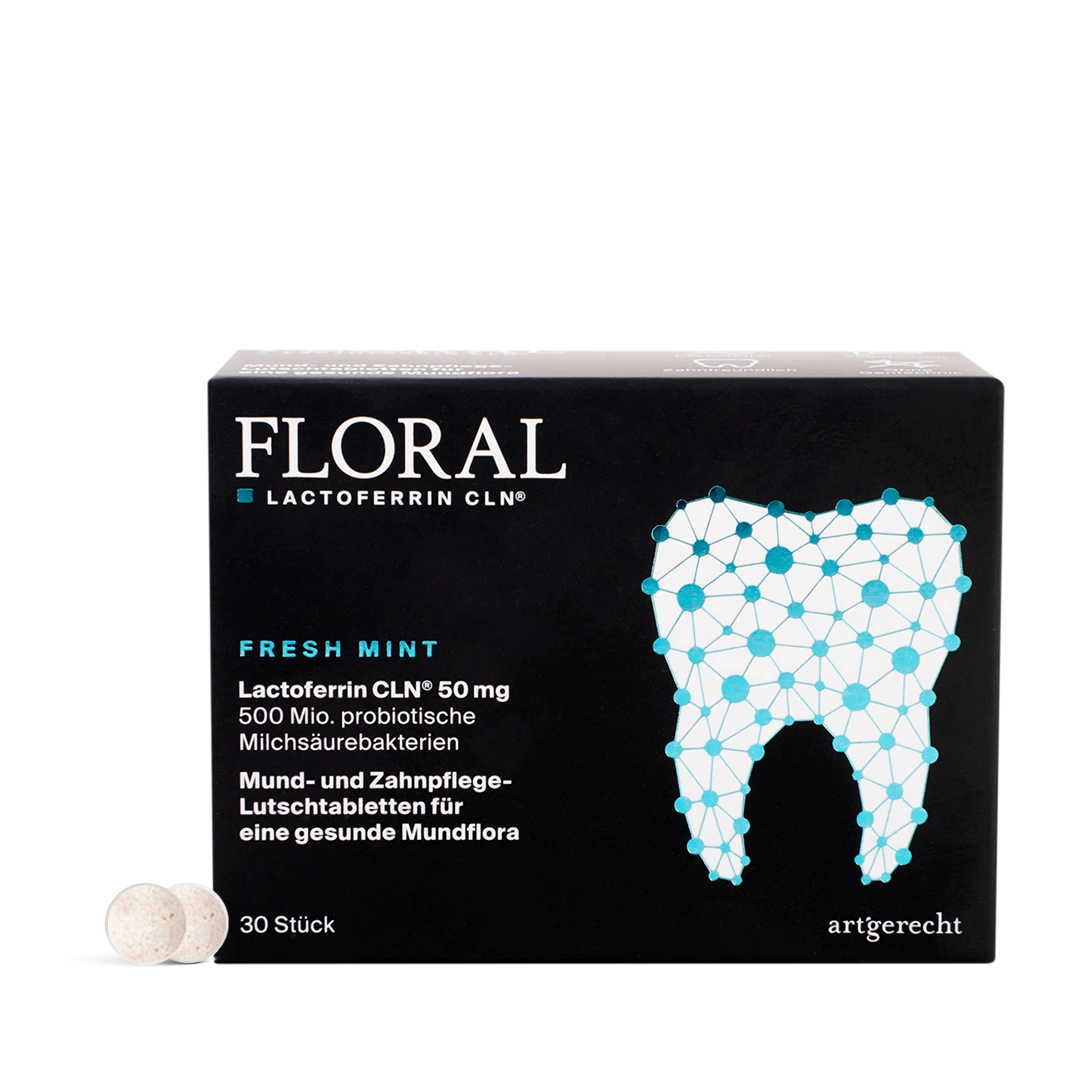
For Healthy Oral Flora & Dental Care
Formulated lozenges with Dentalac®, probiotic lactic acid bacteria, and Lactoferrin CLN®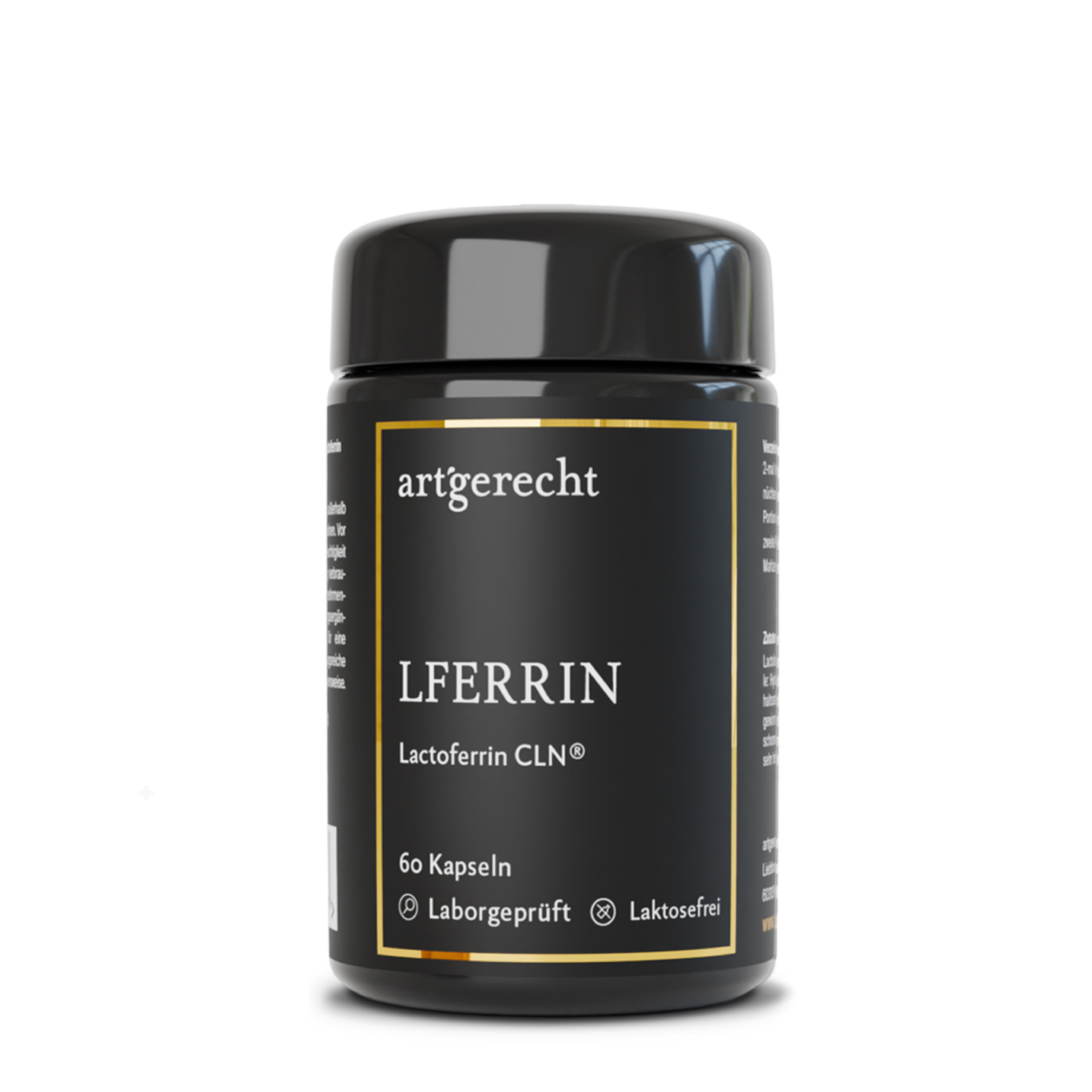
For your universal protection
As one of the most valuable proteins in the body, lactoferrin is a natural component of the immune system.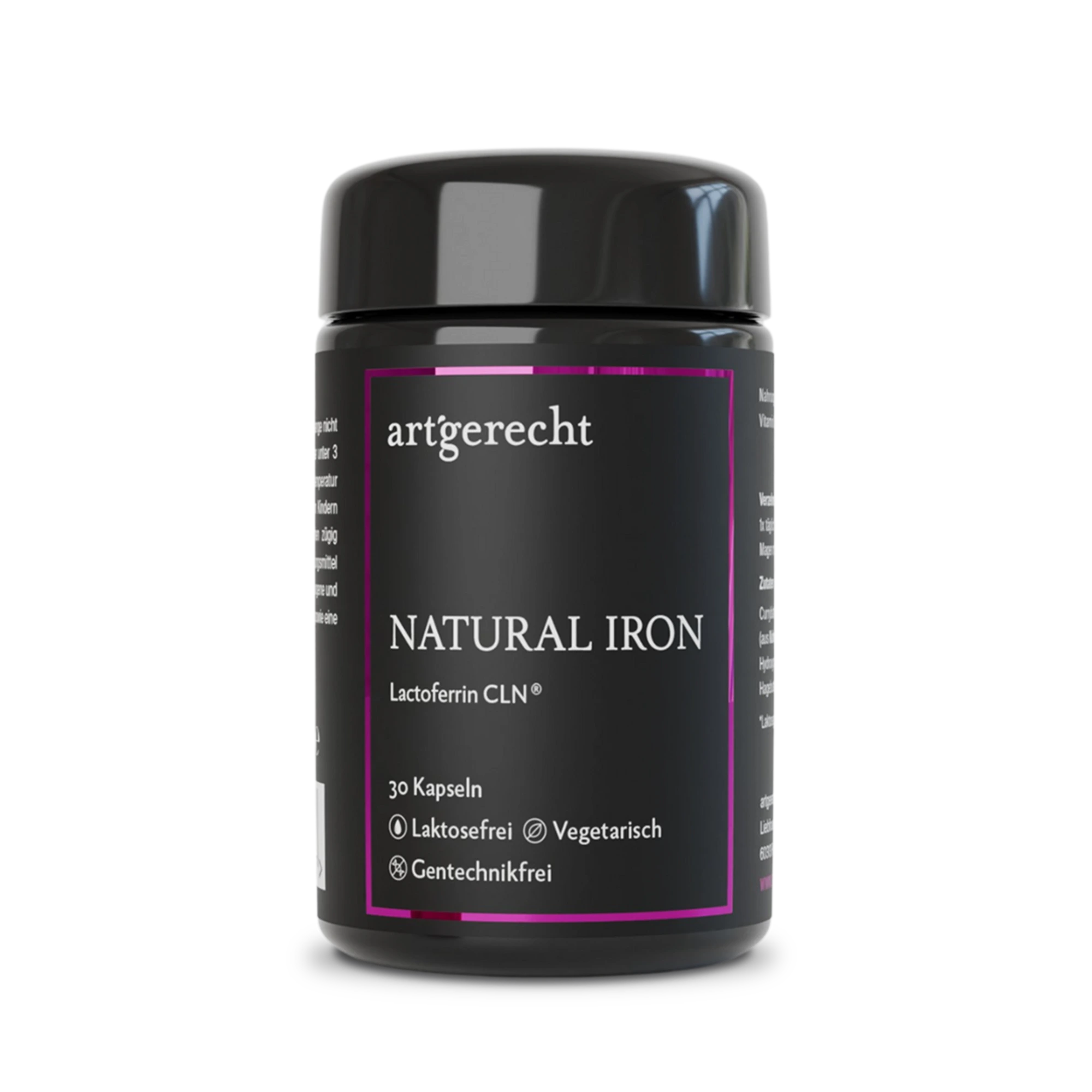
For your iron balance
Specially formulated for your iron balance with plant-based curry leaf iron, Lactoferrin CLN®, and natural Vitamin C from rose hips.
Best-selling products
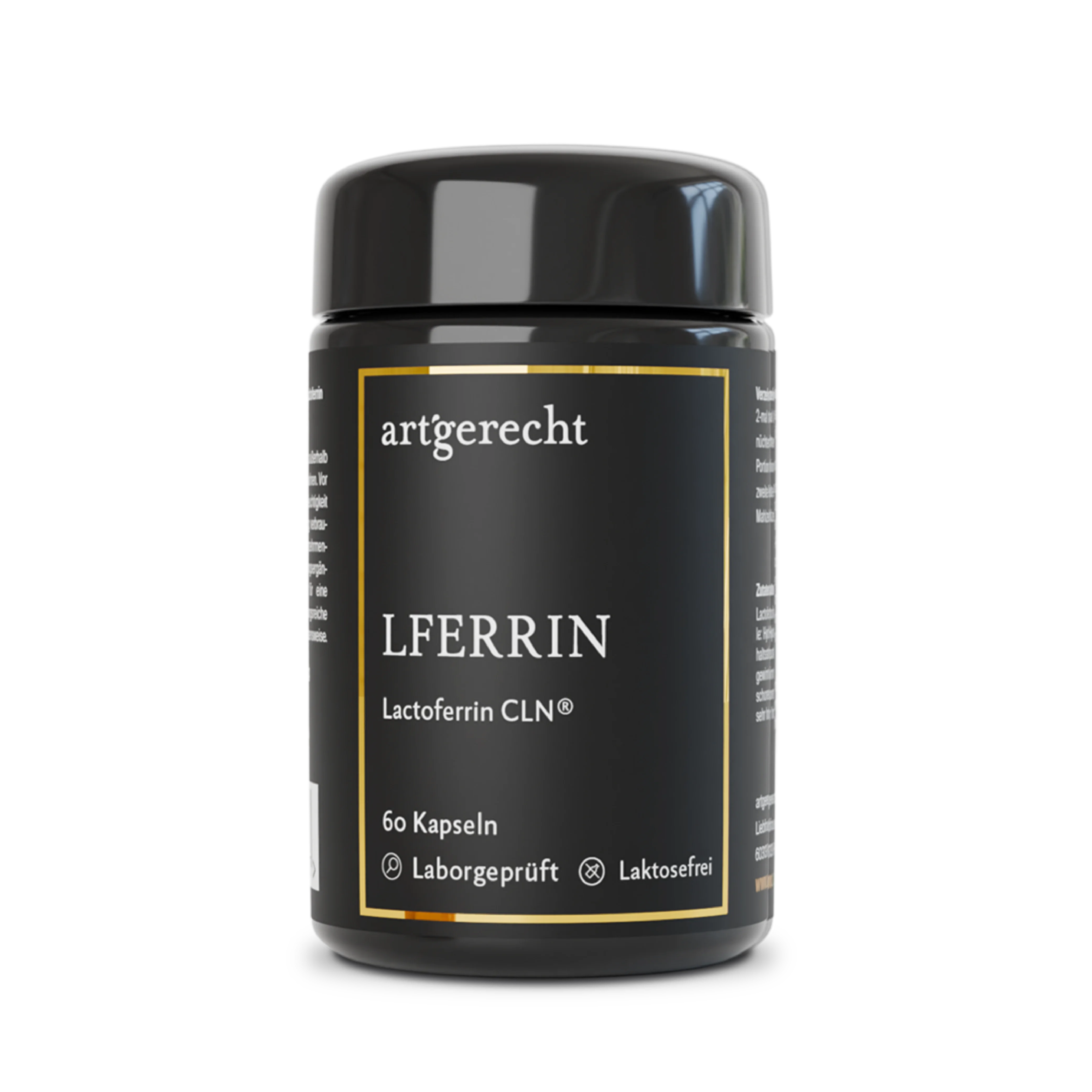
For your universal protection
As one of the most valuable proteins in the body, lactoferrin is a natural component of the immune system.
For your iron balance
Specially formulated for your iron balance with plant-based curry leaf iron, Lactoferrin CLN®, and natural Vitamin C from rose hips.
For Healthy Oral Flora & Dental Care
Formulated lozenges with Dentalac®, probiotic lactic acid bacteria, and Lactoferrin CLN®The latest entries
3 Posts in this encyclopedia categoryRosuvastatin
Most read entries
3 Posts in this encyclopedia categoryMagnesiumcarbonat
Cologne list
Calorie content
Related search terms: E160a + E 160a + E160a food additive