


E162 Betanin – Natural Red Food Colouring
E162, known as betanin, is a natural red food colouring derived from beetroot. It is used in foods and beverages and is considered safe for consumption.
Wissenswertes über "E162"
E162, known as betanin, is a natural red food colouring derived from beetroot. It is used in foods and beverages and is considered safe for consumption.
What is E162?
E162, commonly known as betanin or beetroot red, is a natural food colouring extracted from beetroot (Beta vulgaris). It imparts an intense red to purple-red colour to food and beverages and belongs to the group of pigments called betalains.
Origin and Production
Betanin is extracted from the juice or extract of beetroot. The pigment is water-soluble and sensitive to heat, light, and changes in pH. As a natural colourant, E162 is widely regarded as a preferred alternative to synthetic food dyes by health-conscious consumers.
Use in Food Products
E162 is used in a wide range of food and beverage products, including:
- Yoghurt and dairy products
- Fruit drinks and soft drinks
- Confectionery, sweets, and jellies
- Soups and sauces
- Ice cream and desserts
- Meat products and meat alternatives
Safety and Regulatory Status
E162 is approved as a food additive in the European Union under Regulation (EC) No. 1333/2008. The European Food Safety Authority (EFSA) has assessed betanin as safe for use in food. No acceptable daily intake (ADI) has been established, as no toxicological concerns have been identified.
Health Considerations
E162 is generally well tolerated and does not commonly cause allergic reactions. A well-known but harmless effect is the reddish discolouration of urine and stools, known as beeturia, which may occur after consuming larger amounts of beetroot or betanin-containing products. This is medically harmless.
Additionally, betalains, the group of pigments to which betanin belongs, are being investigated in research for potential antioxidant and anti-inflammatory properties. However, these findings are based largely on experimental studies and are not yet sufficient to support specific health claims.
Labelling Requirements
Foods containing E162 must declare it in the ingredient list in accordance with EU labelling regulations, either as E162 or as betanin or beetroot red.
References
- European Food Safety Authority (EFSA): Scientific Opinion on the re-evaluation of beetroot red (E 162) as a food additive. EFSA Journal, 2015.
- European Parliament and Council: Regulation (EC) No. 1333/2008 on food additives.
- Clifford T. et al. - The potential benefits of red beetroot supplementation in health and disease. Nutrients, 2015.
Verwandte Produkte
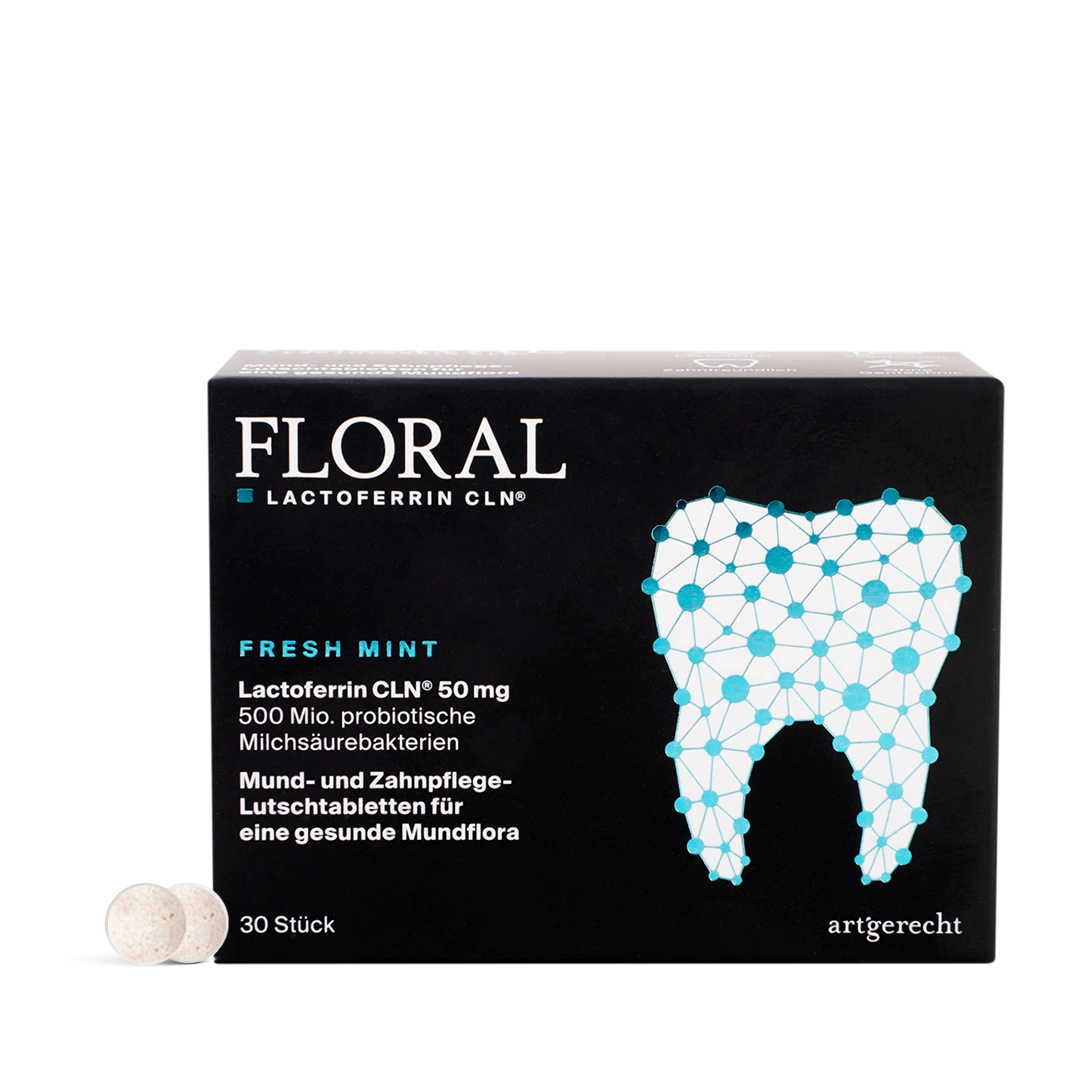
For Healthy Oral Flora & Dental Care
Formulated lozenges with Dentalac®, probiotic lactic acid bacteria, and Lactoferrin CLN®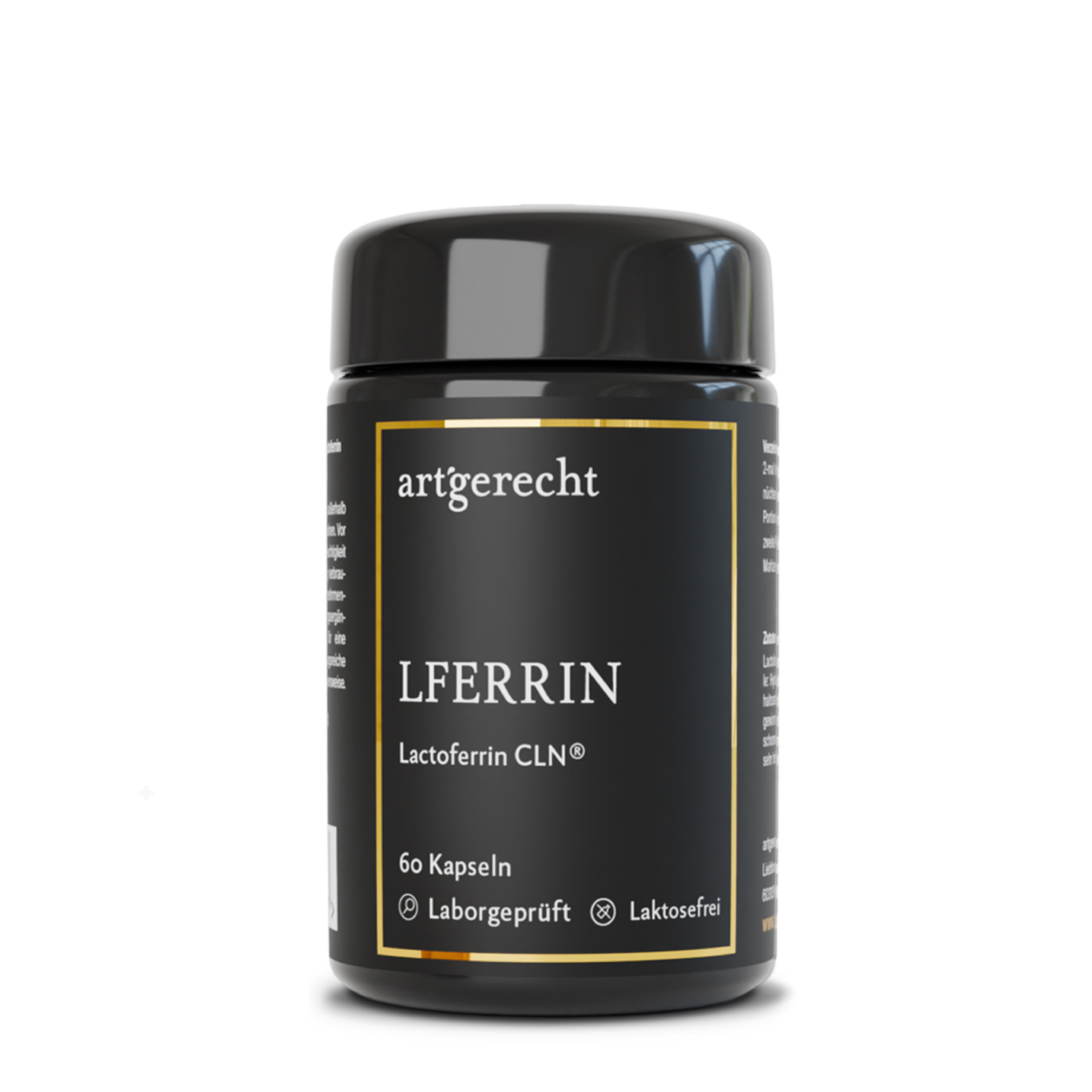
For your universal protection
As one of the most valuable proteins in the body, lactoferrin is a natural component of the immune system.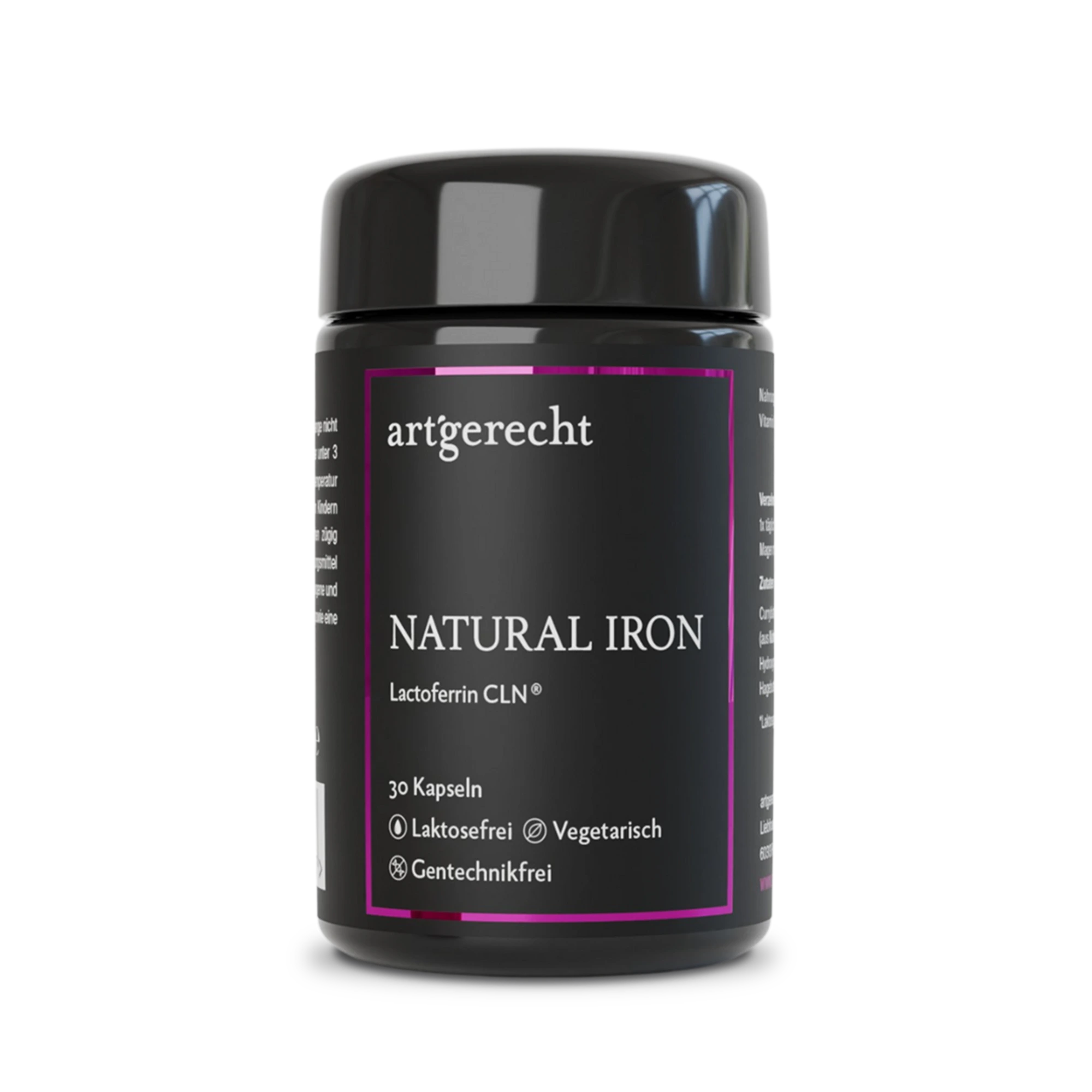
For your iron balance
Specially formulated for your iron balance with plant-based curry leaf iron, Lactoferrin CLN®, and natural Vitamin C from rose hips.
Best-selling products
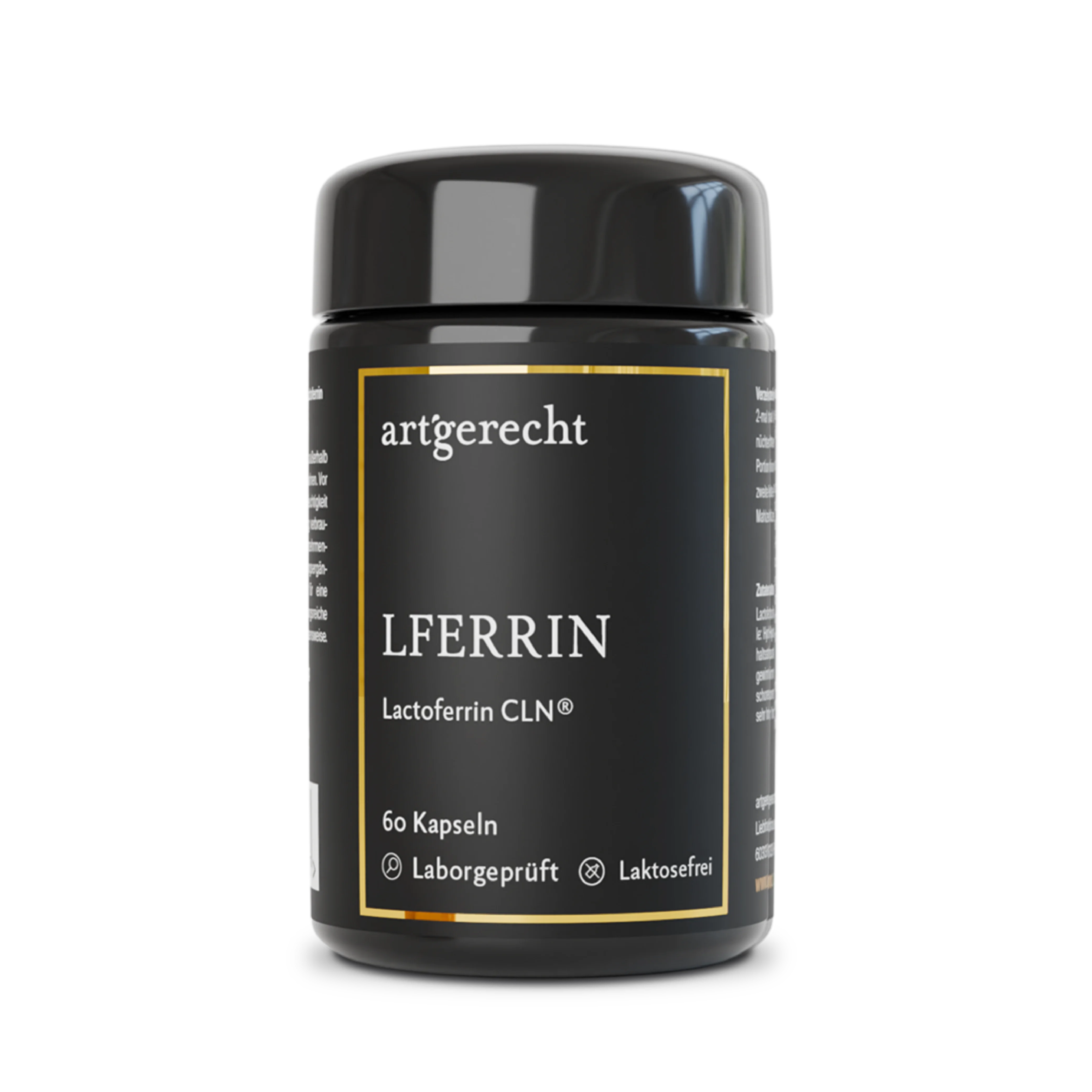
For your universal protection
As one of the most valuable proteins in the body, lactoferrin is a natural component of the immune system.
For your iron balance
Specially formulated for your iron balance with plant-based curry leaf iron, Lactoferrin CLN®, and natural Vitamin C from rose hips.
For Healthy Oral Flora & Dental Care
Formulated lozenges with Dentalac®, probiotic lactic acid bacteria, and Lactoferrin CLN®The latest entries
3 Posts in this encyclopedia categoryMost read entries
3 Posts in this encyclopedia categoryMagnesiumcarbonat
Cologne list
Calorie content
Related search terms: E162 + Betanin + Betanine E162