


E202 Potassium Sorbate – Food Preservative Explained
E202 (potassium sorbate) is a widely used food additive and preservative that inhibits the growth of mold, yeast, and bacteria to extend the shelf life of food products.
Wissenswertes über "E202"
E202 (potassium sorbate) is a widely used food additive and preservative that inhibits the growth of mold, yeast, and bacteria to extend the shelf life of food products.
What is E202 (Potassium Sorbate)?
E202 is the EU approval number for potassium sorbate, the potassium salt of sorbic acid. It belongs to the group of preservatives and is used in the food industry to extend the shelf life of products. Potassium sorbate is a white, crystalline powder that dissolves readily in water and is virtually odorless and tasteless.
Uses and Applications
E202 is used in a wide range of food products and beverages to inhibit the growth of mold, yeast, and certain bacteria. Common applications include:
- Cheese and dairy products
- Bread and baked goods
- Wine and other alcoholic beverages
- Fruit juices and soft drinks
- Margarine and edible fats
- Deli salads and mayonnaise
- Dried fruits and snacks
- Cosmetics and personal care products (outside the food sector)
Mechanism of Action
Potassium sorbate works by releasing sorbic acid in aqueous solution. Sorbic acid inhibits specific enzymes in microorganisms that are essential for their metabolism and cell division. E202 is most effective in an acidic pH range (pH 3–6), which makes it particularly suitable for use in acidic foods. Because potassium sorbate is water-soluble, it distributes evenly throughout the food and provides broad antimicrobial protection.
Health Assessment and Safety
E202 is considered safe for consumption according to current scientific assessment. The European Food Safety Authority (EFSA) has comprehensively evaluated potassium sorbate and classified it as safe, provided that established maximum permitted levels are respected. The ADI (Acceptable Daily Intake) for sorbic acid and its salts is set at 25 mg per kg of body weight per day.
Possible Intolerances
In a small proportion of the population, consuming foods containing potassium sorbate may cause the following reactions:
- Skin irritation or pseudo-allergic reactions (especially upon direct skin contact in cosmetics)
- Gastrointestinal discomfort in rare cases
- Reactions in individuals with known sensitivity to sorbic acid
True allergic reactions to E202 are very rare. Anyone who suspects an intolerance should consult a medical professional.
Labeling Requirements
In the European Union, foods containing E202 must declare this additive on the ingredient list either as E202 or as potassium sorbate. This enables consumers to make informed purchasing decisions.
Maximum Permitted Levels and Regulation
The permitted maximum levels for E202 in the EU are regulated by Regulation (EC) No 1333/2008 on food additives. The permitted quantities vary depending on the food category and typically range from 200 mg/kg to 1000 mg/kg.
References
- European Food Safety Authority (EFSA): Re-evaluation of sorbic acid (E 200), potassium sorbate (E 202) and calcium sorbate (E 203) as food additives. EFSA Journal 2015;13(6):4144.
- Regulation (EC) No 1333/2008 of the European Parliament and of the Council of 16 December 2008 on food additives.
- World Health Organization (WHO) / FAO: Sorbic acid and its calcium, potassium and sodium salts. WHO Food Additives Series. Geneva: WHO.
Verwandte Produkte
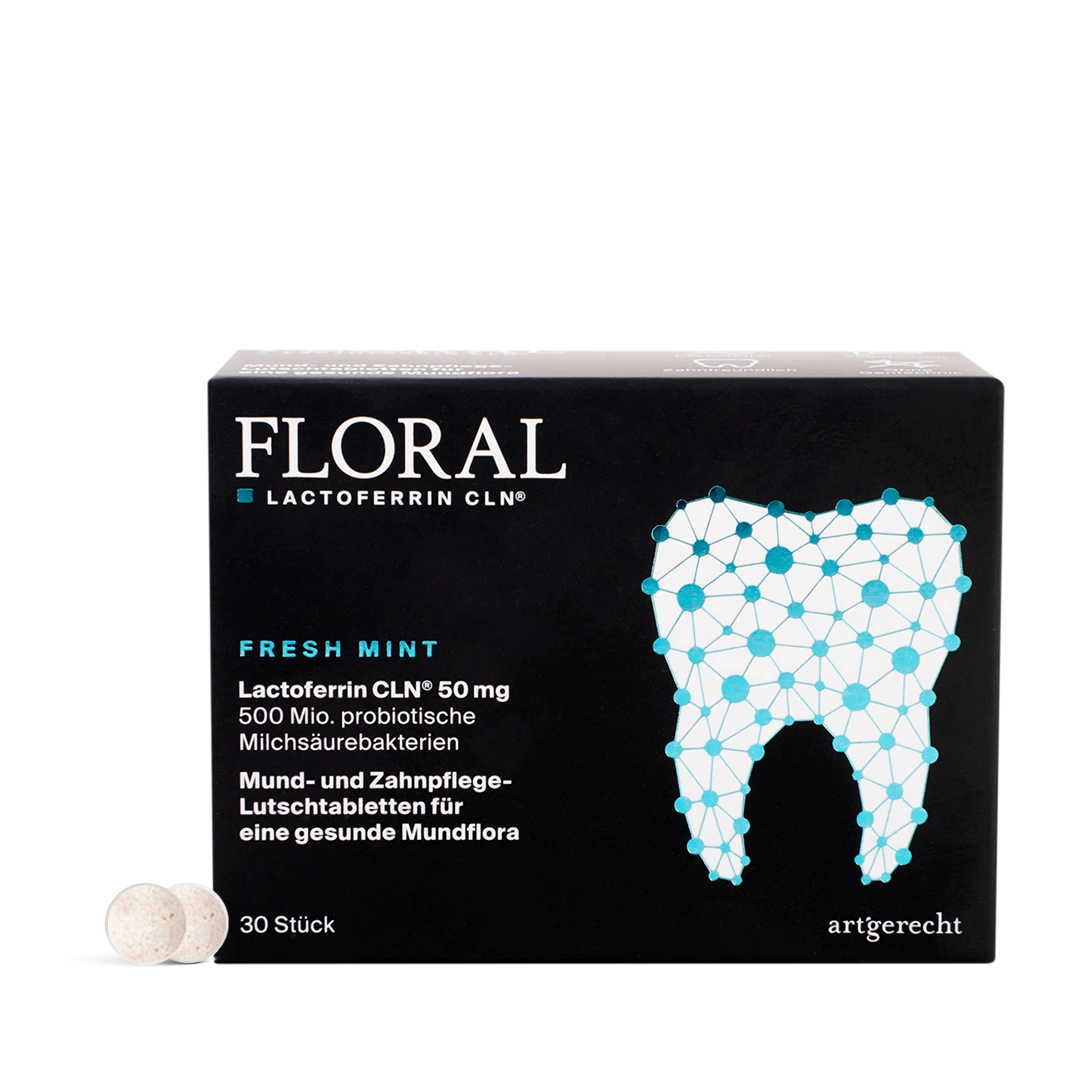
For Healthy Oral Flora & Dental Care
Formulated lozenges with Dentalac®, probiotic lactic acid bacteria, and Lactoferrin CLN®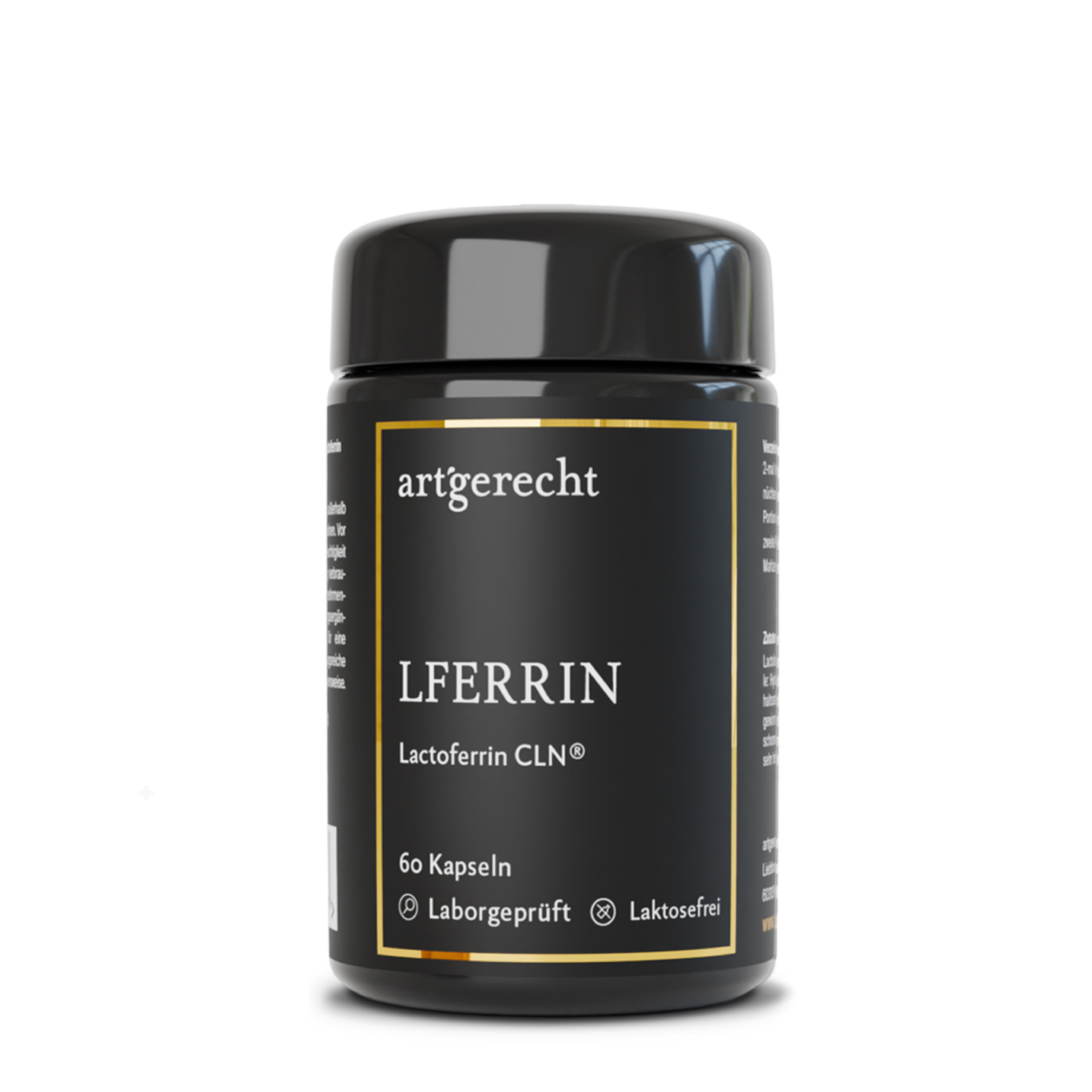
For your universal protection
As one of the most valuable proteins in the body, lactoferrin is a natural component of the immune system.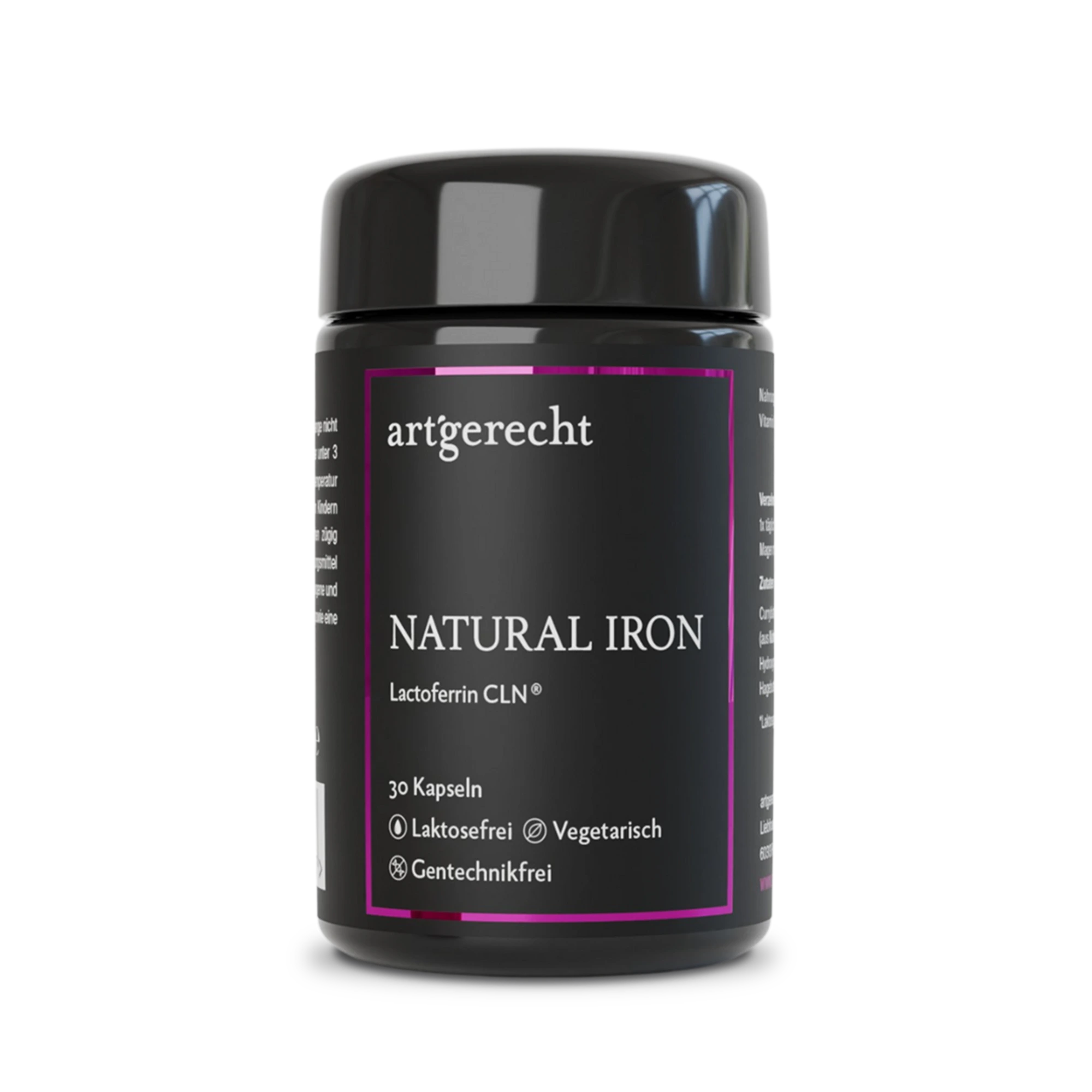
For your iron balance
Specially formulated for your iron balance with plant-based curry leaf iron, Lactoferrin CLN®, and natural Vitamin C from rose hips.
Best-selling products
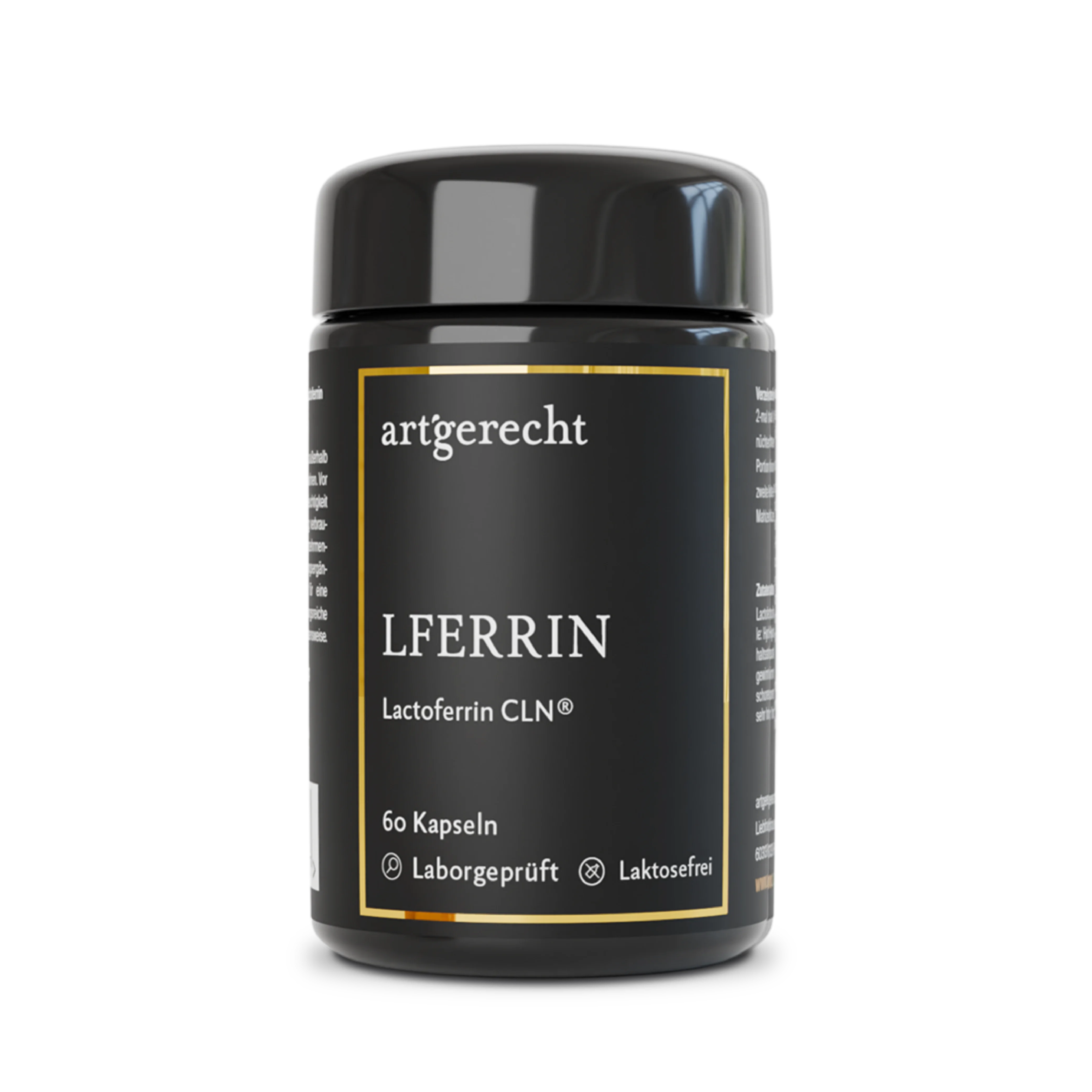
For your universal protection
As one of the most valuable proteins in the body, lactoferrin is a natural component of the immune system.
For your iron balance
Specially formulated for your iron balance with plant-based curry leaf iron, Lactoferrin CLN®, and natural Vitamin C from rose hips.
For Healthy Oral Flora & Dental Care
Formulated lozenges with Dentalac®, probiotic lactic acid bacteria, and Lactoferrin CLN®The latest entries
3 Posts in this encyclopedia categoryMost read entries
3 Posts in this encyclopedia categoryMagnesiumcarbonat
Cologne list
Calorie content
Related search terms: E202 + Potassium Sorbate + Potassium Sorbate Preservative