


E122 Carmoisine: Food Dye, Effects & Safety
E122 (Carmoisine) is a synthetic red azo dye used as a food additive to colour foods and beverages. It has been linked to increased hyperactivity in children.
Wissenswertes über "E122"
E122 (Carmoisine) is a synthetic red azo dye used as a food additive to colour foods and beverages. It has been linked to increased hyperactivity in children.
What is E122 (Carmoisine)?
E122, commonly known as Carmoisine or Azorubine, is a synthetic red azo dye used in the food industry as a colouring agent. It gives foods and beverages a vibrant red to dark-red hue. In the European Union, E122 is an approved food additive regulated by the European Food Safety Authority (EFSA).
Occurrence and Uses
E122 is used in a wide range of processed food products, including:
- Sweets and confectionery
- Fruit yoghurts and desserts
- Soft drinks and flavoured beverages
- Jams and jellies
- Pastries and baked goods
- Marinades and sauces
The dye is water-soluble and heat-stable, making it well suited for industrial food processing.
Chemical Properties
Carmoisine belongs to the class of azo dyes, characterised by a distinctive azo group (-N=N-). Its chemical name is disodium 4-hydroxy-3-(4-sulfonato-1-naphthylazo)naphthalene-1-sulfonate. It is a fully synthetic dye with no connection to natural food colours.
Health Aspects and Safety
Hyperactivity in Children
EFSA and the UK Food Standards Agency (FSA) have reviewed studies suggesting a possible link between the consumption of certain azo dyes -- including E122 -- and increased hyperactivity in children. As a result, since 2010 the EU has required a warning label on products containing specific azo dyes: May have an adverse effect on activity and attention in children.
Pseudo-Allergic Reactions
In sensitive individuals, particularly those with an aspirin intolerance or existing allergies, E122 may trigger pseudo-allergic reactions. These can include skin rashes (urticaria), itching, or in rare cases difficulty breathing.
Permitted Maximum Levels
EFSA has established an Acceptable Daily Intake (ADI) of 4 mg per kg of body weight per day for E122. The maximum permitted levels in various food categories within the EU are governed by Regulation (EC) No 1333/2008.
Labelling Requirements
Foods containing E122 must declare this additive in the ingredients list, either under the name Carmoisine or the code E122. Products aimed at children must additionally carry the above-mentioned warning statement.
Alternatives
Natural alternatives to E122 include colourants such as beetroot red (E162), carmine (E120), or other plant-based extracts, which are preferred by some consumers and manufacturers seeking cleaner labels.
References
- European Food Safety Authority (EFSA) - Scientific Opinion on the re-evaluation of Azorubine/Carmoisine (E 122) as a food additive (2009). Available at: https://www.efsa.europa.eu
- European Parliament and Council of the EU - Regulation (EC) No 1333/2008 on food additives.
- McCann, D. et al. - Food additives and hyperactive behaviour in 3-year-old and 8/9-year-old children in the community: a randomised, double-blinded, placebo-controlled trial. The Lancet, 370(9598), 1560-1567 (2007).
Verwandte Produkte
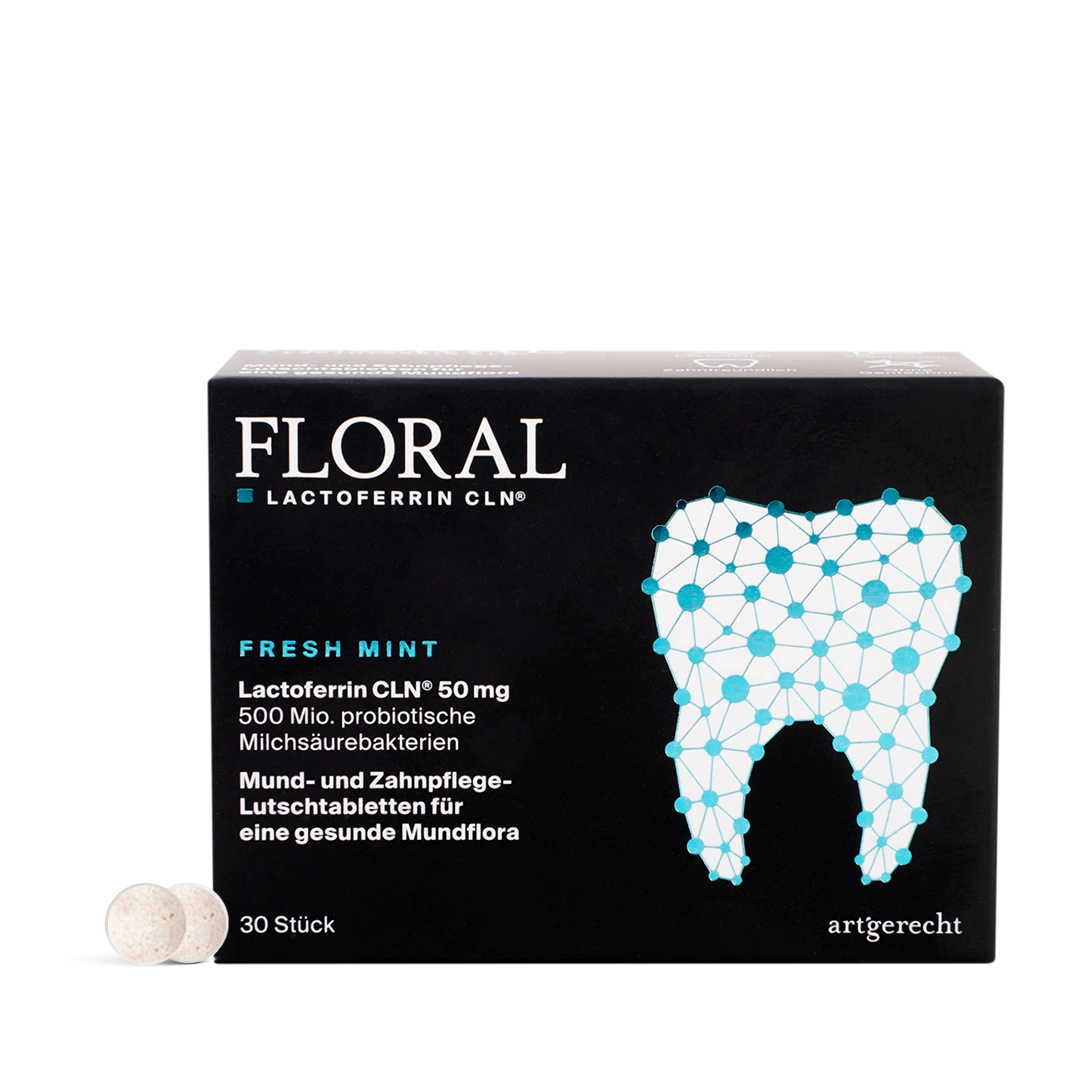
For Healthy Oral Flora & Dental Care
Formulated lozenges with Dentalac®, probiotic lactic acid bacteria, and Lactoferrin CLN®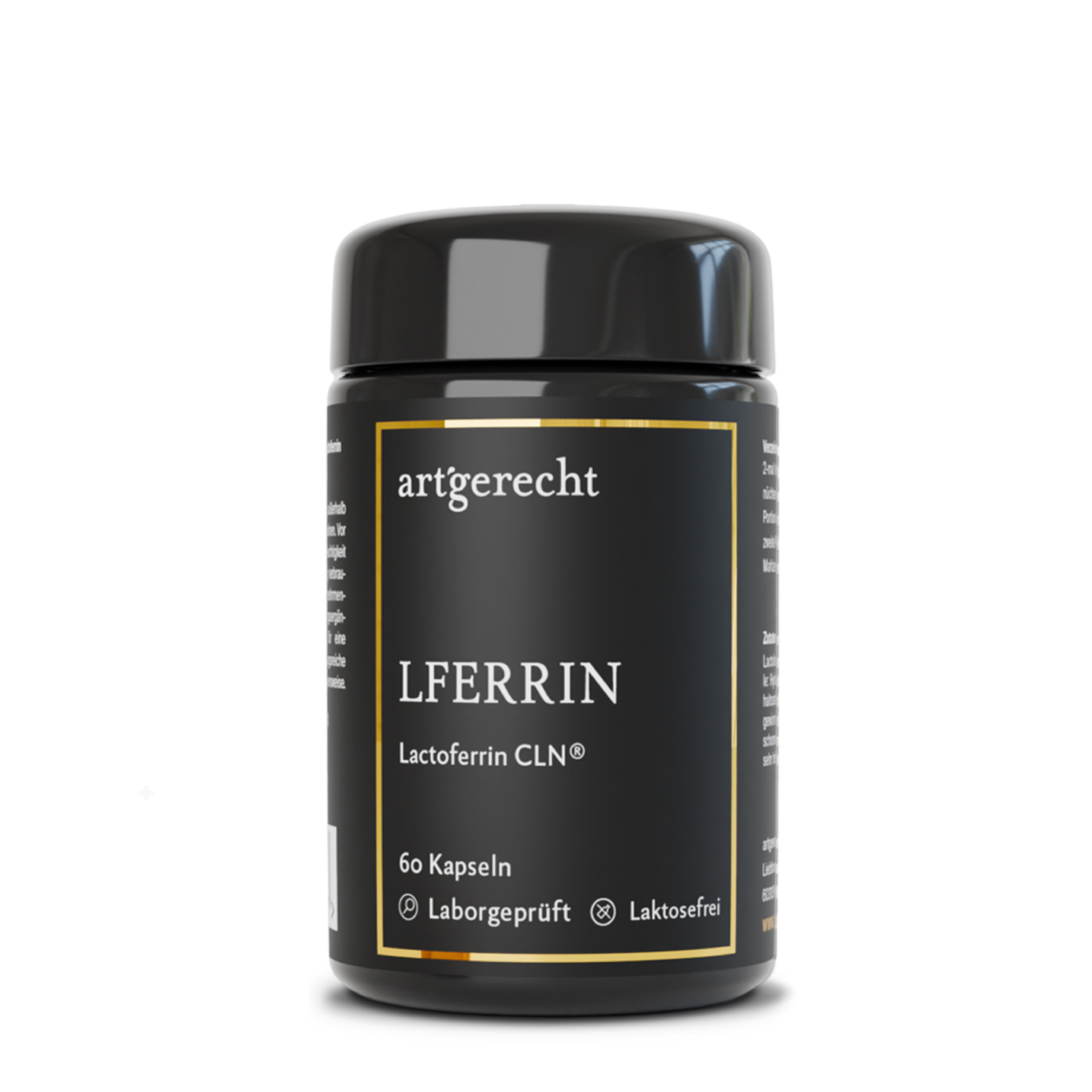
For your universal protection
As one of the most valuable proteins in the body, lactoferrin is a natural component of the immune system.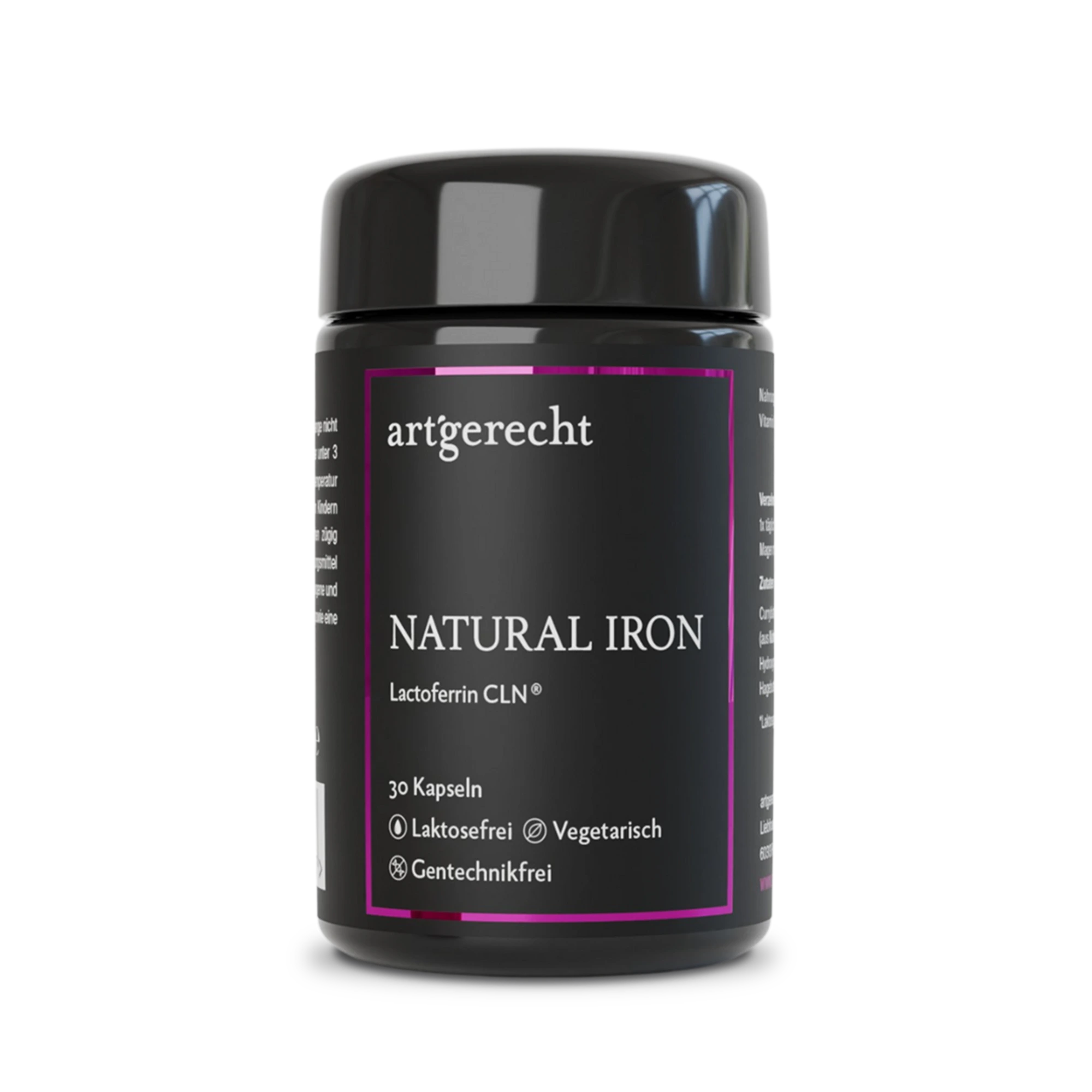
For your iron balance
Specially formulated for your iron balance with plant-based curry leaf iron, Lactoferrin CLN®, and natural Vitamin C from rose hips.
Best-selling products
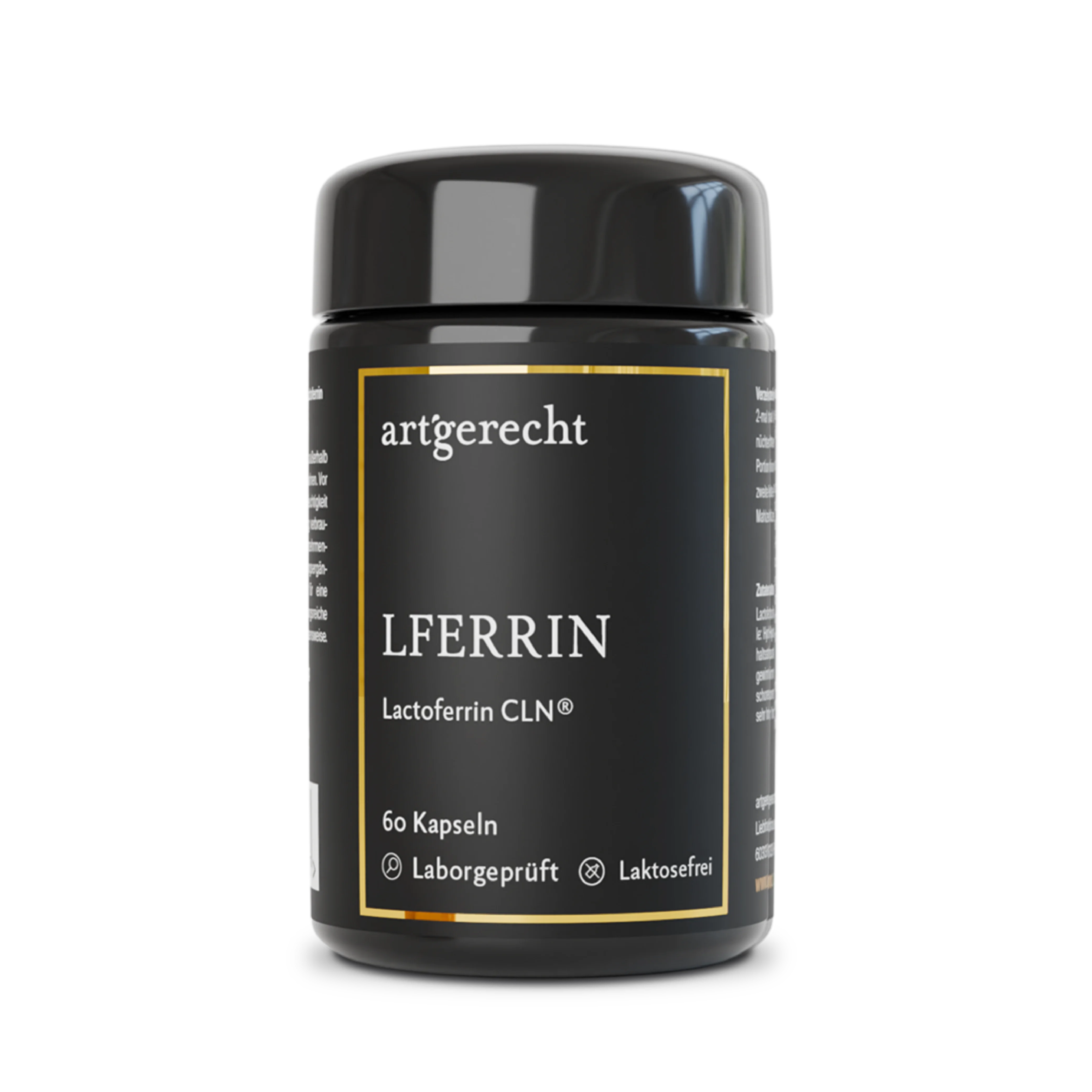
For your universal protection
As one of the most valuable proteins in the body, lactoferrin is a natural component of the immune system.
For your iron balance
Specially formulated for your iron balance with plant-based curry leaf iron, Lactoferrin CLN®, and natural Vitamin C from rose hips.
For Healthy Oral Flora & Dental Care
Formulated lozenges with Dentalac®, probiotic lactic acid bacteria, and Lactoferrin CLN®The latest entries
3 Posts in this encyclopedia categoryRosuvastatin
Most read entries
3 Posts in this encyclopedia categoryMagnesiumcarbonat
Cologne list
Calorie content
Related search terms: E122 + Carmoisine + Azorubine + Azorubin