


E200 Sorbic Acid – Food Preservative Explained
E200 is the EU food additive code for sorbic acid, a naturally occurring preservative that protects food from mould, yeasts, and bacteria.
Wissenswertes über "E200"
E200 is the EU food additive code for sorbic acid, a naturally occurring preservative that protects food from mould, yeasts, and bacteria.
What is E200?
E200 is the European Union designation for sorbic acid (chemical name: hexa-2,4-dienoic acid), an organic acid used as a food preservative. It occurs naturally in the berries of the rowan tree (Sorbus aucuparia), but is produced synthetically for commercial use. Sorbic acid is one of the most widely used food preservatives in the world.
Function and Applications
E200 is added to food products to prevent spoilage caused by microorganisms. It inhibits the growth of moulds, yeasts, and certain bacteria, thereby extending the shelf life of a wide range of products.
- Cheese and dairy products
- Baked goods and bread
- Wine and fruit wine
- Jams, jellies, and marmalades
- Salad dressings and mayonnaise
- Dried fruits and vegetables
- Cosmetics and personal care products (outside of food use)
Mechanism of Action
Sorbic acid exerts its antimicrobial effect by penetrating microbial cells in its undissociated form and disrupting key enzymatic reactions involved in cellular metabolism. It is most effective in acidic environments (pH 3–6), where it predominantly exists in its undissociated state. In particular, it interferes with the energy metabolism of fungi and yeasts by blocking certain dehydrogenase enzymes.
Regulatory Approval
E200 is approved for use in the European Union under Regulation (EC) No 1333/2008 on food additives. Maximum permitted levels are defined for specific food categories. The European Food Safety Authority (EFSA) has assessed the safety of sorbic acid and established an Acceptable Daily Intake (ADI) of 3 mg per kg of body weight per day.
Safety and Tolerability
Sorbic acid is generally considered safe and well tolerated. In the human body, it is metabolized in a manner similar to other fatty acids and is fully broken down into water and carbon dioxide. It is regarded as one of the best-tolerated preservative acids used in food.
Possible Intolerances
In rare cases, sensitive individuals may react to sorbic acid. Reported reactions include:
- Skin irritation or contact dermatitis following direct skin contact (more common with topical cosmetic use)
- Pseudo-allergic reactions in highly sensitive individuals (e.g., those with known aspirin intolerance)
- Occasional gastrointestinal discomfort at very high intake levels
A true IgE-mediated allergy to sorbic acid is extremely rare and is barely documented in the scientific literature.
Labelling Requirements
Foods containing E200 must declare it in the ingredient list in accordance with EU labelling regulations, either as E200 or as sorbic acid. This allows consumers to make informed purchasing decisions.
Related Additives
E200 belongs to the group of sorbates. Related food additives include:
- E201 – Sodium sorbate (sodium salt of sorbic acid)
- E202 – Potassium sorbate (commonly used salt, more water-soluble than sorbic acid)
- E203 – Calcium sorbate (calcium salt of sorbic acid)
All of these compounds release sorbic acid within the food matrix and share the same underlying mechanism of action.
References
- European Food Safety Authority (EFSA): Re-evaluation of sorbic acid (E 200), potassium sorbate (E 202) and calcium sorbate (E 203) as food additives. EFSA Journal, 2015.
- Regulation (EC) No 1333/2008 of the European Parliament and of the Council of 16 December 2008 on food additives.
- Brul, S. & Coote, P.: Preservative agents in foods – mode of action and microbial resistance mechanisms. International Journal of Food Microbiology, 1999.
Verwandte Produkte
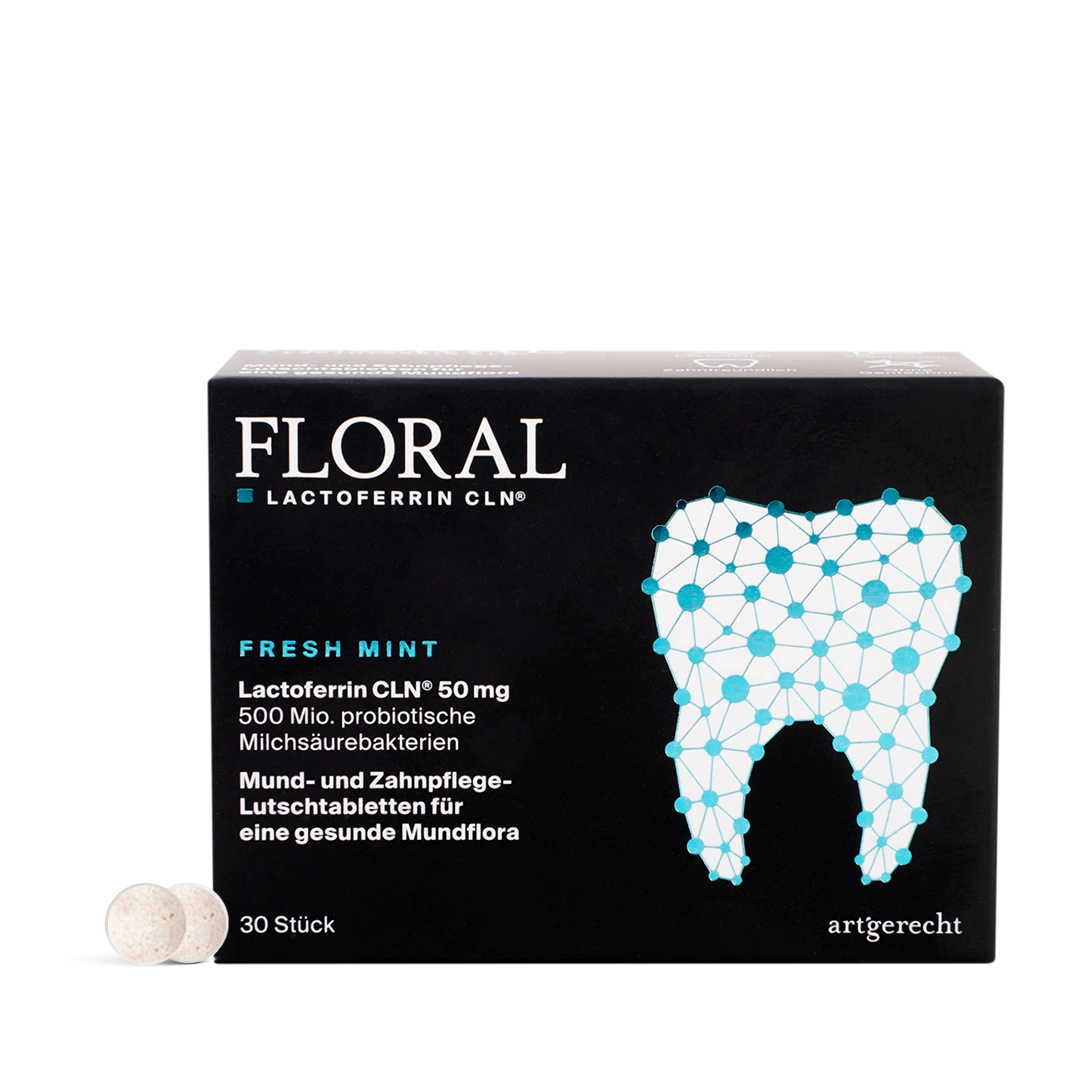
For Healthy Oral Flora & Dental Care
Formulated lozenges with Dentalac®, probiotic lactic acid bacteria, and Lactoferrin CLN®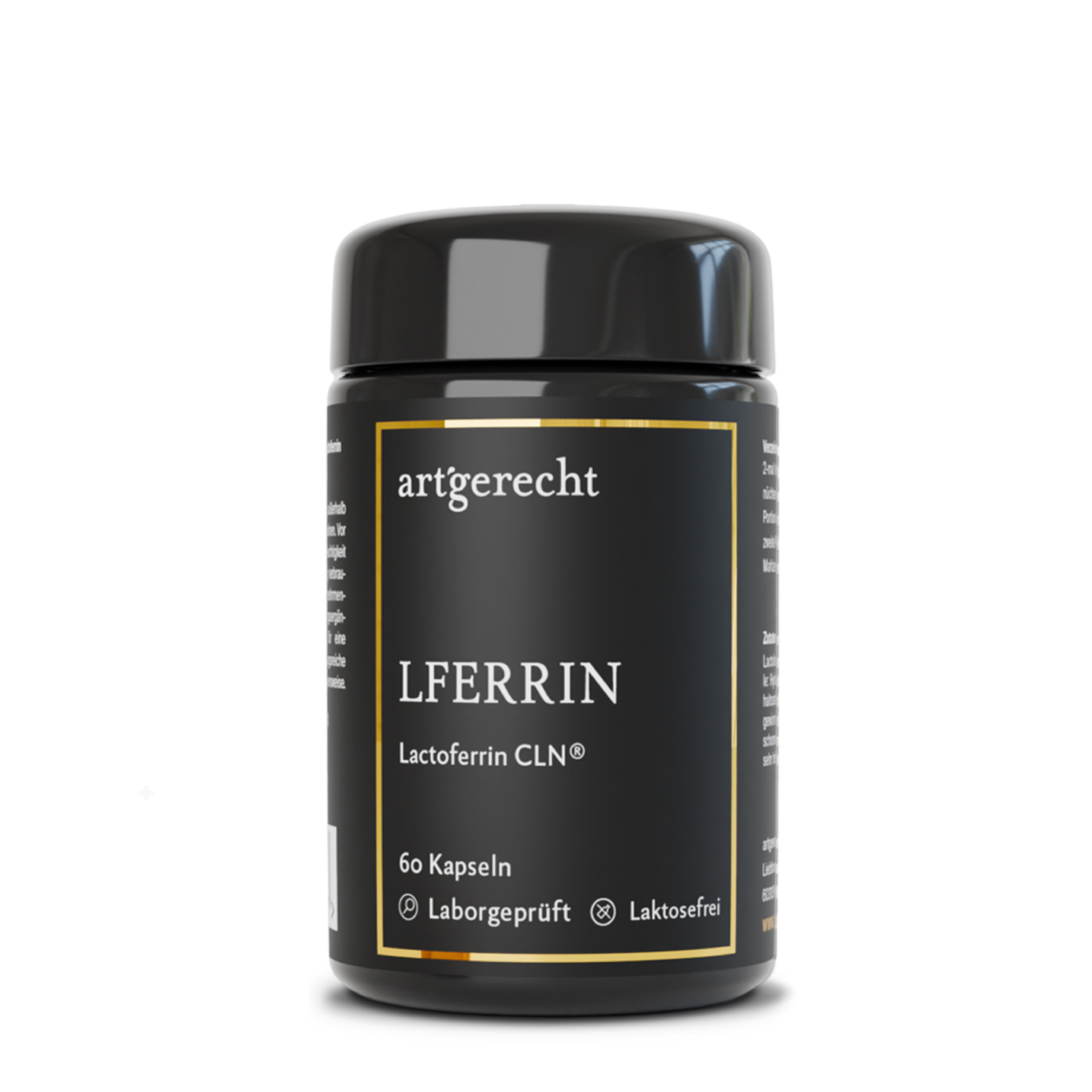
For your universal protection
As one of the most valuable proteins in the body, lactoferrin is a natural component of the immune system.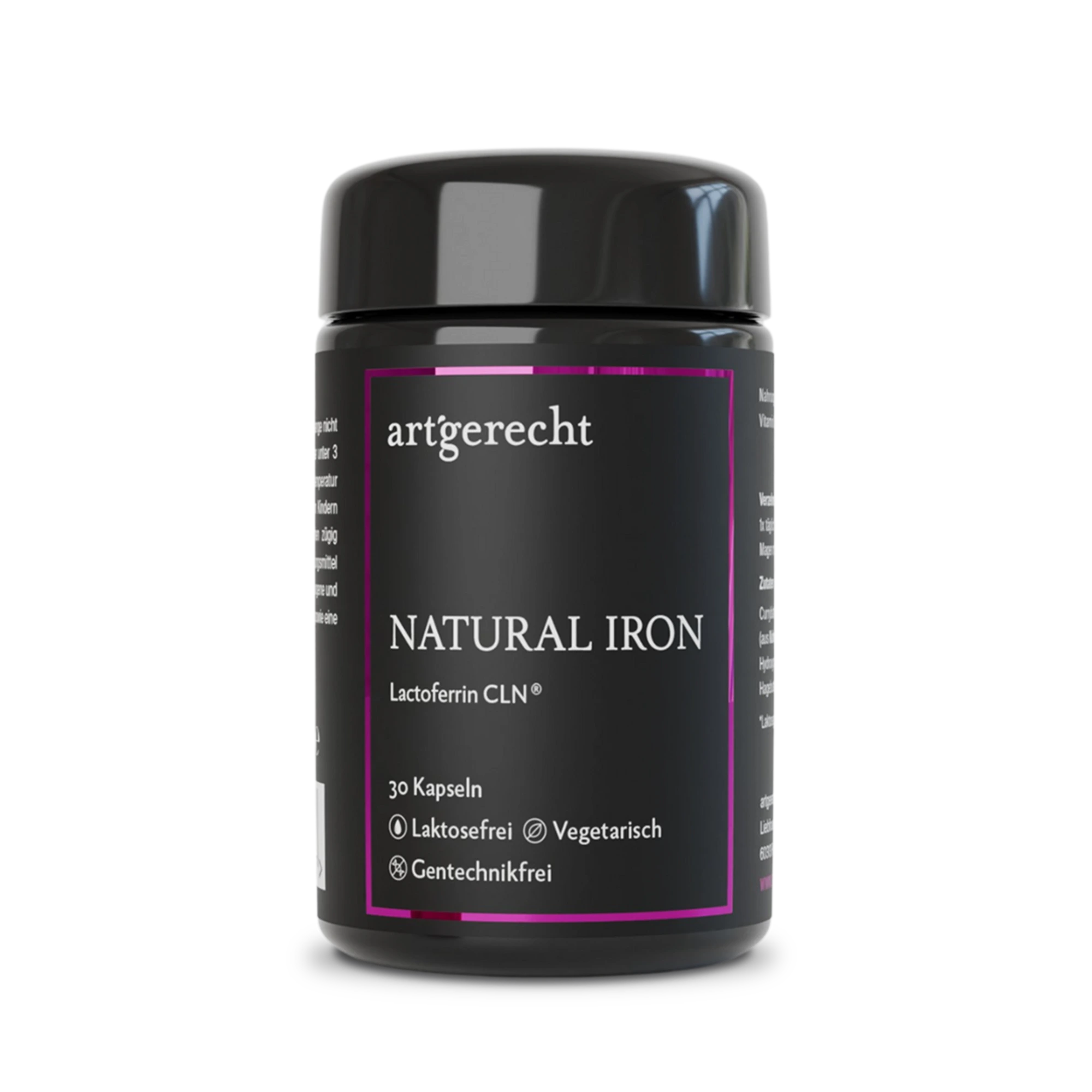
For your iron balance
Specially formulated for your iron balance with plant-based curry leaf iron, Lactoferrin CLN®, and natural Vitamin C from rose hips.
Best-selling products
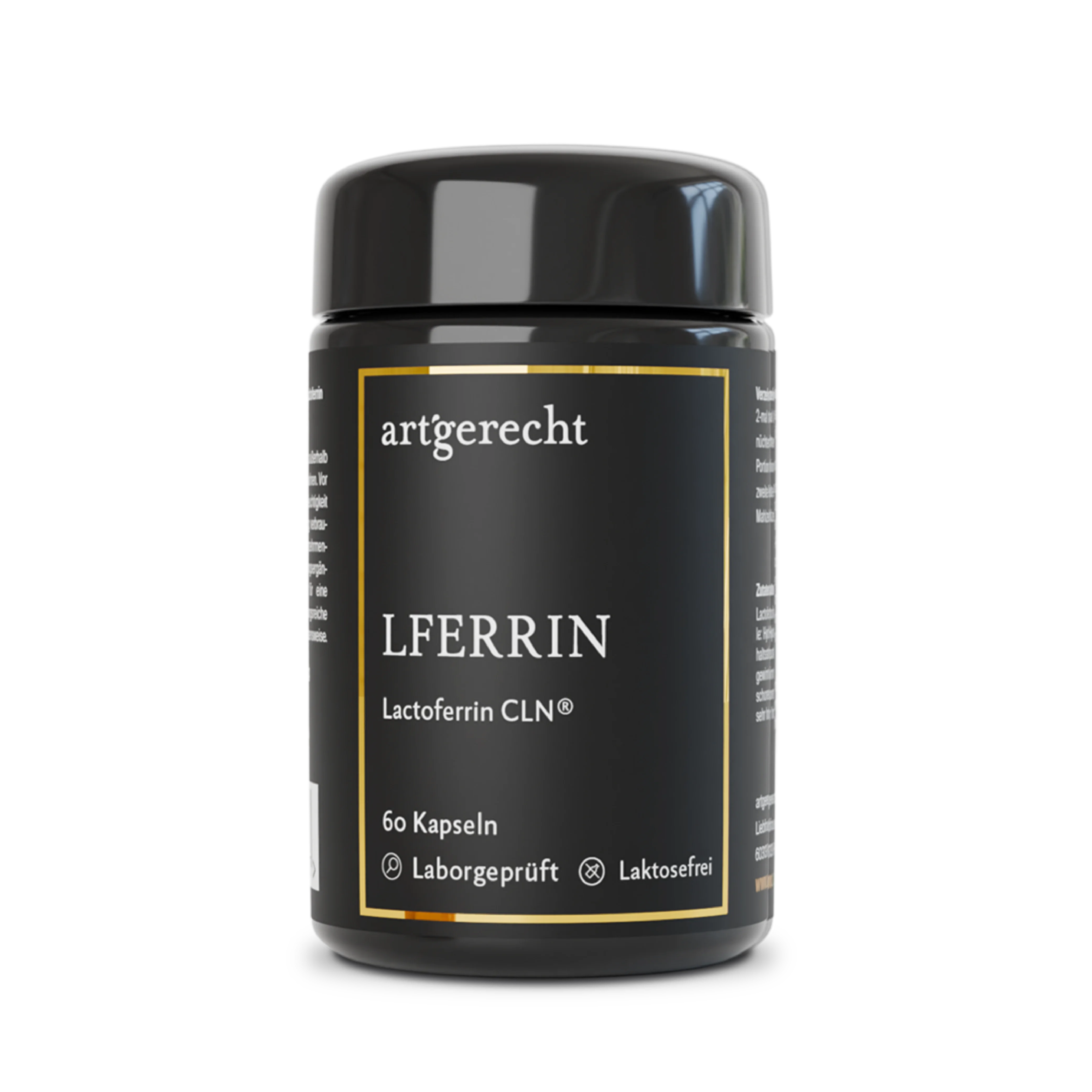
For your universal protection
As one of the most valuable proteins in the body, lactoferrin is a natural component of the immune system.
For your iron balance
Specially formulated for your iron balance with plant-based curry leaf iron, Lactoferrin CLN®, and natural Vitamin C from rose hips.
For Healthy Oral Flora & Dental Care
Formulated lozenges with Dentalac®, probiotic lactic acid bacteria, and Lactoferrin CLN®The latest entries
3 Posts in this encyclopedia categoryCandesartan
Most read entries
3 Posts in this encyclopedia categoryMagnesiumcarbonat
Cologne list
Calorie content
Related search terms: E200 + Sorbic Acid