


E214 (Ethylparaben): Preservative Explained
E214 (ethylparaben) is a synthetic preservative used in foods, cosmetics, and medicines to inhibit the growth of bacteria, yeasts, and moulds, thereby extending shelf life.
Wissenswertes über "E214"
E214 (ethylparaben) is a synthetic preservative used in foods, cosmetics, and medicines to inhibit the growth of bacteria, yeasts, and moulds, thereby extending shelf life.
What is E214?
E214, also known as ethyl 4-hydroxybenzoate or ethylparaben, is a synthetic preservative belonging to the paraben family. It is derived from 4-hydroxybenzoic acid and is widely used in the food, cosmetic, and pharmaceutical industries. Within the European Union, E214 is an approved food additive used to extend the shelf life of various products.
Origin and Chemical Properties
Parabens such as E214 are esters of 4-hydroxybenzoic acid. Ethylparaben is produced by esterification of this acid with ethanol. The substance appears as a white, odourless, and tasteless powder. It is moderately soluble in water and highly soluble in alcohol. Due to its chemical stability and broad antimicrobial activity, E214 is often used in combination with other parabens (e.g., E218 methylparaben) to achieve a wider spectrum of protection.
Use in Food
In the food industry, E214 may be used in specific product categories as permitted under EU Food Additives Regulation (EC) No. 1333/2008. Typical applications include:
- Jelly coatings on meat and fish products
- Various confectionery and delicatessen products
- Food supplements in liquid or semi-liquid form
The maximum permitted levels are regulated by EU legislation and are generally up to 300 mg/kg, with the total content of all parabens calculated collectively.
Mechanism of Action
E214 exerts its antimicrobial effect by damaging the cell membranes of microorganisms and inhibiting key enzymatic functions within the cell. It is effective against a broad range of bacteria, yeasts, and moulds. Its preserving activity remains stable across a relatively wide pH range (4 to 8), giving E214 an advantage over many other preservatives that are only effective in acidic environments.
Safety and Health Assessment
The European Food Safety Authority (EFSA) has evaluated E214 and established an acceptable daily intake (ADI) for the paraben group (E214, E215, E218, E219) of 0 to 10 mg/kg body weight per day.
Parabens have been discussed in scientific literature as potential endocrine disruptors, meaning they may weakly mimic the female hormone oestrogen and interfere with hormonal balance. However, existing studies indicate that the oestrogenic activity of ethylparaben is considerably lower than that of endogenous oestrogen. When consumed within approved limits, E214 is currently considered safe based on available scientific evidence.
The following groups should exercise particular caution:
- Individuals with known paraben sensitivity or contact allergy
- Pregnant and breastfeeding women (precautionary principle)
- Infants and young children (lower body weight may result in relatively higher intake)
Labelling
Foods containing E214 must declare this additive on the ingredient list by its name ethyl 4-hydroxybenzoate or its E-number E214. This allows consumers to make informed choices about whether to purchase products containing this preservative.
References
- European Food Safety Authority (EFSA): Re-evaluation of methyl p-hydroxybenzoate (E 218) and ethyl p-hydroxybenzoate (E 214) as food additives. EFSA Journal, 2021.
- European Commission: Regulation (EC) No. 1333/2008 on food additives. Official Journal of the European Union.
- Darbre, P.D. & Harvey, P.W.: Paraben esters: review of recent studies of endocrine toxicity, absorption, esterase and human exposure, and discussion of potential human health risks. Journal of Applied Toxicology, 2008.
Verwandte Produkte
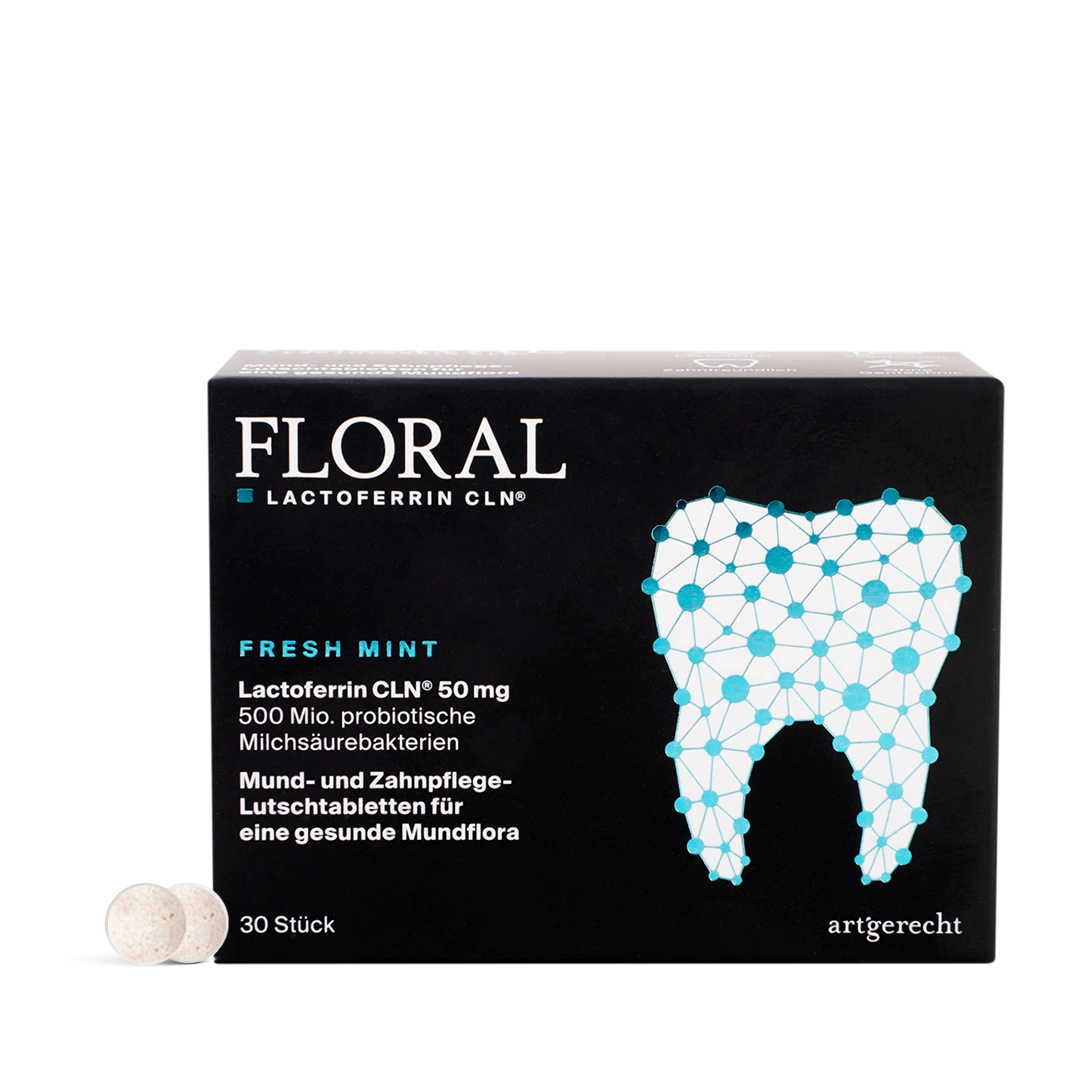
For Healthy Oral Flora & Dental Care
Formulated lozenges with Dentalac®, probiotic lactic acid bacteria, and Lactoferrin CLN®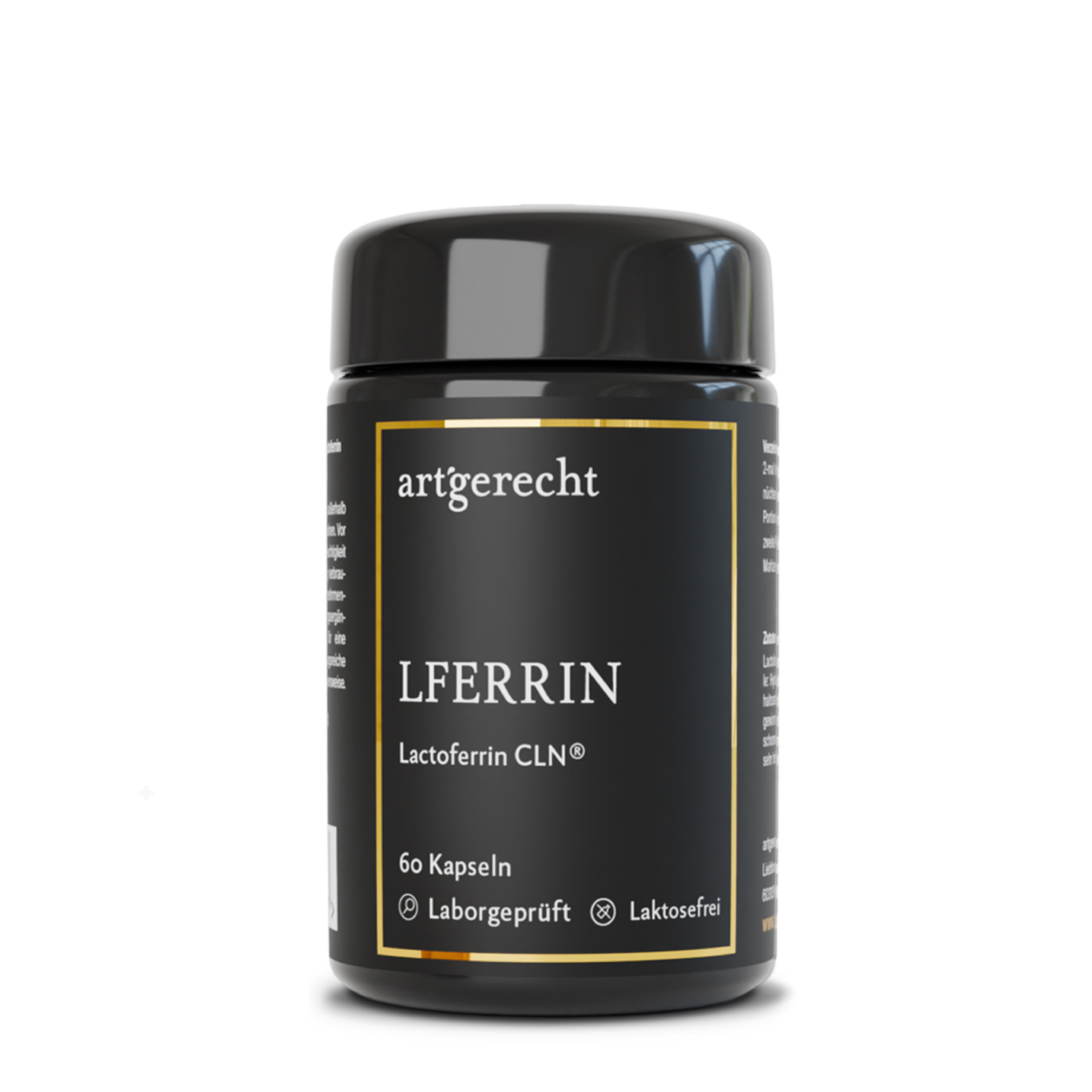
For your universal protection
As one of the most valuable proteins in the body, lactoferrin is a natural component of the immune system.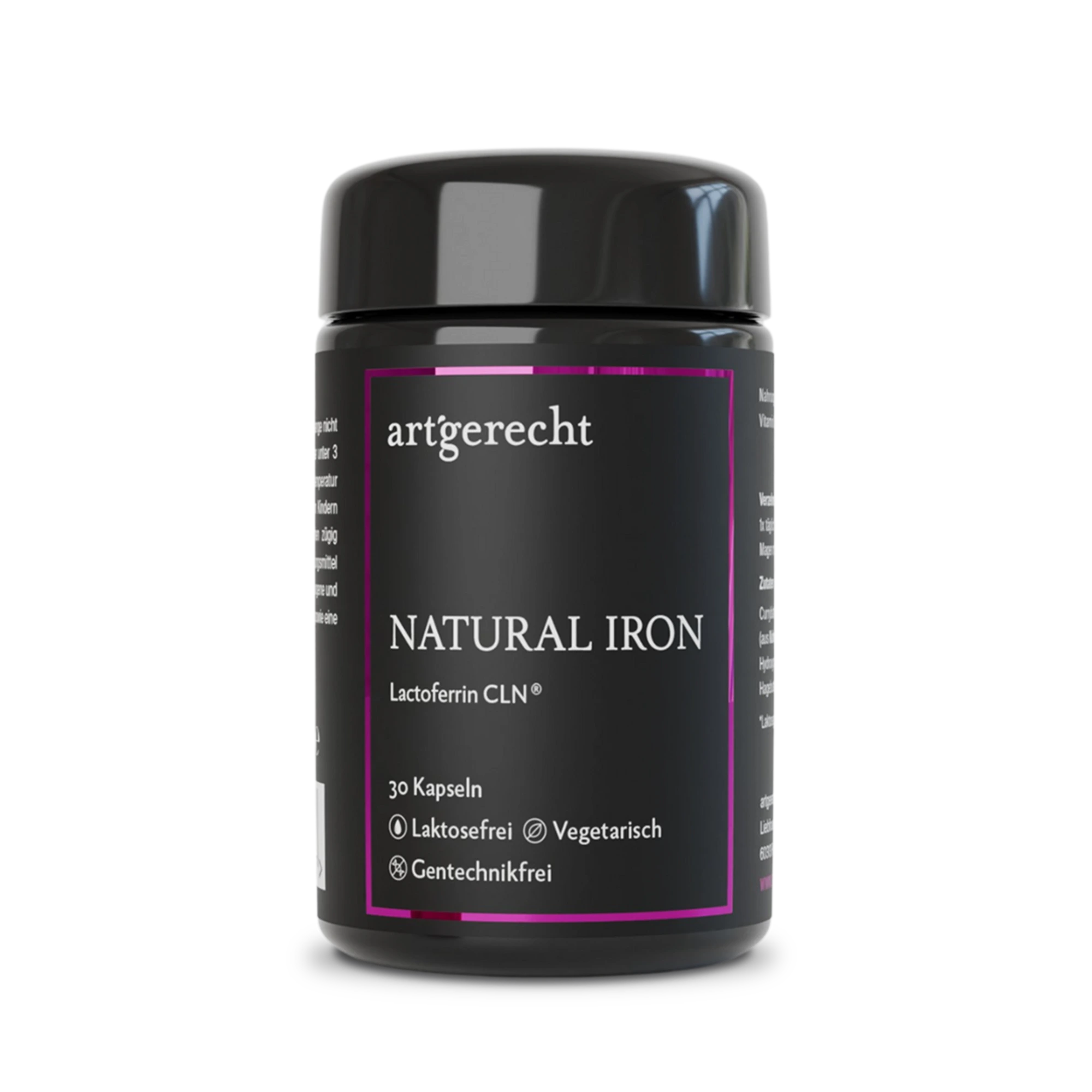
For your iron balance
Specially formulated for your iron balance with plant-based curry leaf iron, Lactoferrin CLN®, and natural Vitamin C from rose hips.
Best-selling products
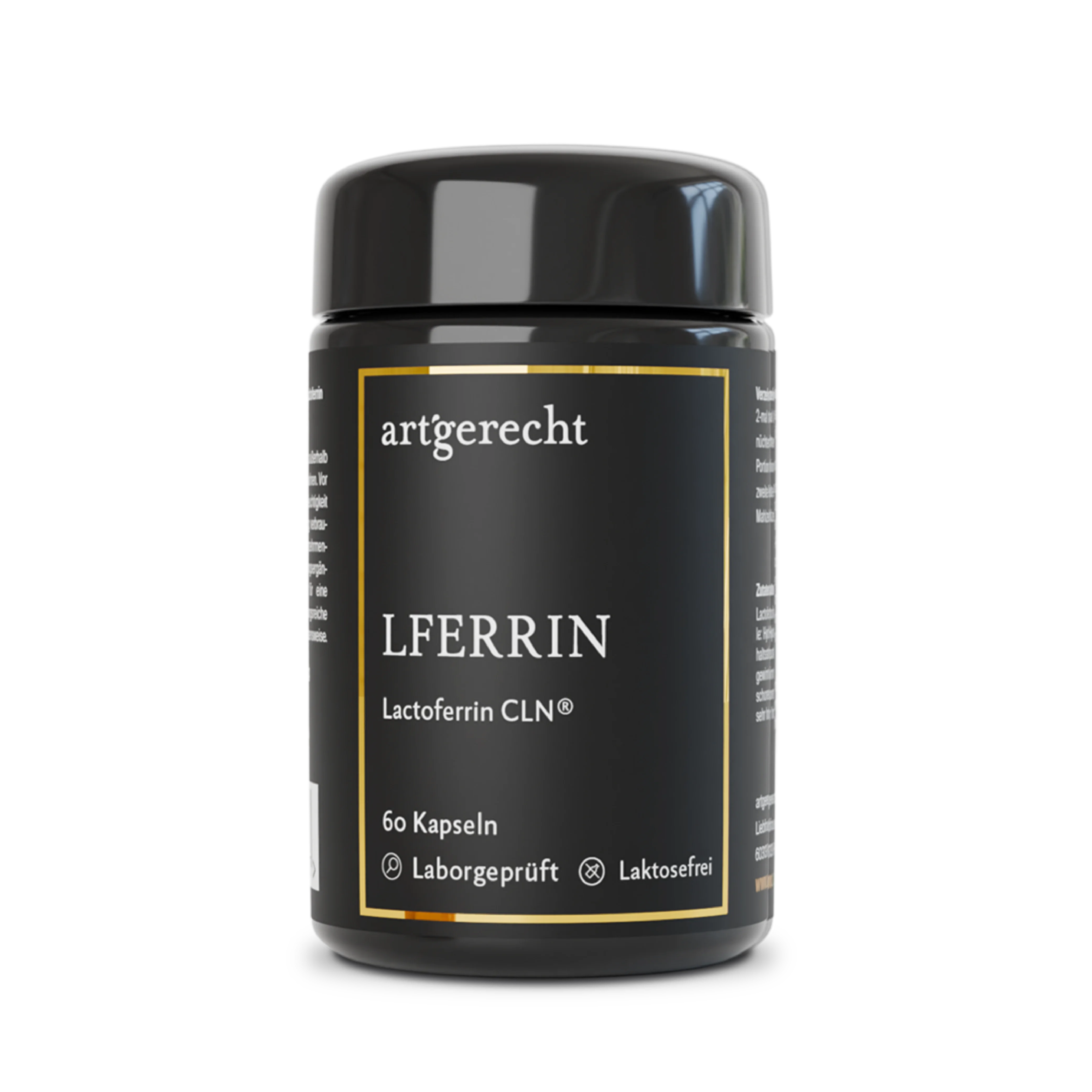
For your universal protection
As one of the most valuable proteins in the body, lactoferrin is a natural component of the immune system.
For your iron balance
Specially formulated for your iron balance with plant-based curry leaf iron, Lactoferrin CLN®, and natural Vitamin C from rose hips.
For Healthy Oral Flora & Dental Care
Formulated lozenges with Dentalac®, probiotic lactic acid bacteria, and Lactoferrin CLN®The latest entries
3 Posts in this encyclopedia categoryDabigatran
Most read entries
3 Posts in this encyclopedia categoryMagnesiumcarbonat
Cologne list
Calorie content
Related search terms: E214 + Ethyl 4-hydroxybenzoate + Ethylparaben