 Your fresh start in 2026: A cure for many resolutions – now with a 15% early bird discount!




Cell protection - How antioxidants protect our cells from damage
Cell protection describes the natural mechanisms our body uses to protect cells from oxidative stress and ageing. Find out more about the importance for health and prevention.
Wissenswertes über "Cell protection"
Cell protection refers to the body's ability to protect its cells from harmful influences - in particular from so-called free radicals.
Free radicals are constantly produced in the metabolism, but can be intensified by environmental toxins, UV radiation, stress or poor nutrition. If the balance between free radicals and the body's own protective mechanisms is disrupted, this is known as oxidative stress - a major cause of cell ageing, inflammation and chronic diseases.
At the centre of the cellular protection system are antioxidants. These molecules - which include vitamins such as C and E, trace elements such as selenium and plant substances such as OPC, curcumin or astaxanthin - neutralise free radicals and thus prevent DNA damage or the oxidation of cell membranes. The body's own enzyme systems such as glutathione peroxidase or superoxide dismutase also play an important role in the breakdown of oxidative substances.
Healthy cell protection is crucial for the vitality and longevity of the organism. A sufficient supply of protective micronutrients is particularly important in times of high stress - whether due to intensive sporting activity, stress or toxin exposure. The targeted use of food supplements with an antioxidant effect can have a supportive effect here, but is no substitute for a balanced diet and a healthy lifestyle.
Functions of cell protection:- Neutralisation of free radicals to prevent cell damage
- Protection against premature cell ageing and degenerative diseases
- Support of mitochondrial function (energy production)
- Maintenance of cell membrane integrity and DNA stability
Relevant protective factors:
- Antioxidants: e.g. vitamin C, E, seleniume.g. vitamins C, E, selenium, zinc
- Plant substances: e.g. OPC (grape extract).e.g. OPC (grape seed extract), curcumin, astaxanthin
- Enzymatic systems: e.g. glutathione, catalyser, catalyser, catalyser.e.g. glutathione, catalase, superoxide dismutase
Supportive measures:
- Nutrition with a high proportion of fruit, vegetables and secondary plant substances
- Avoidance of smoking, excessive alcohol and environmental toxins
- Adequate sleep, exercise and stress reduction
Literature references:
- Halliwell, B., & Gutteridge, J.M.C. (2015): Free Radicals in Biology and Medicine. Oxford University Press.
- Valko, M. et al. (2007): Free radicals and antioxidants in normal physiological functions and human disease. The International Journal of Biochemistry & Cell Biology.
- Ames, B.N. (2004): Delaying the mitochondrial decay of aging. Annals of the New York Academy of Sciences.
Verwandte Produkte
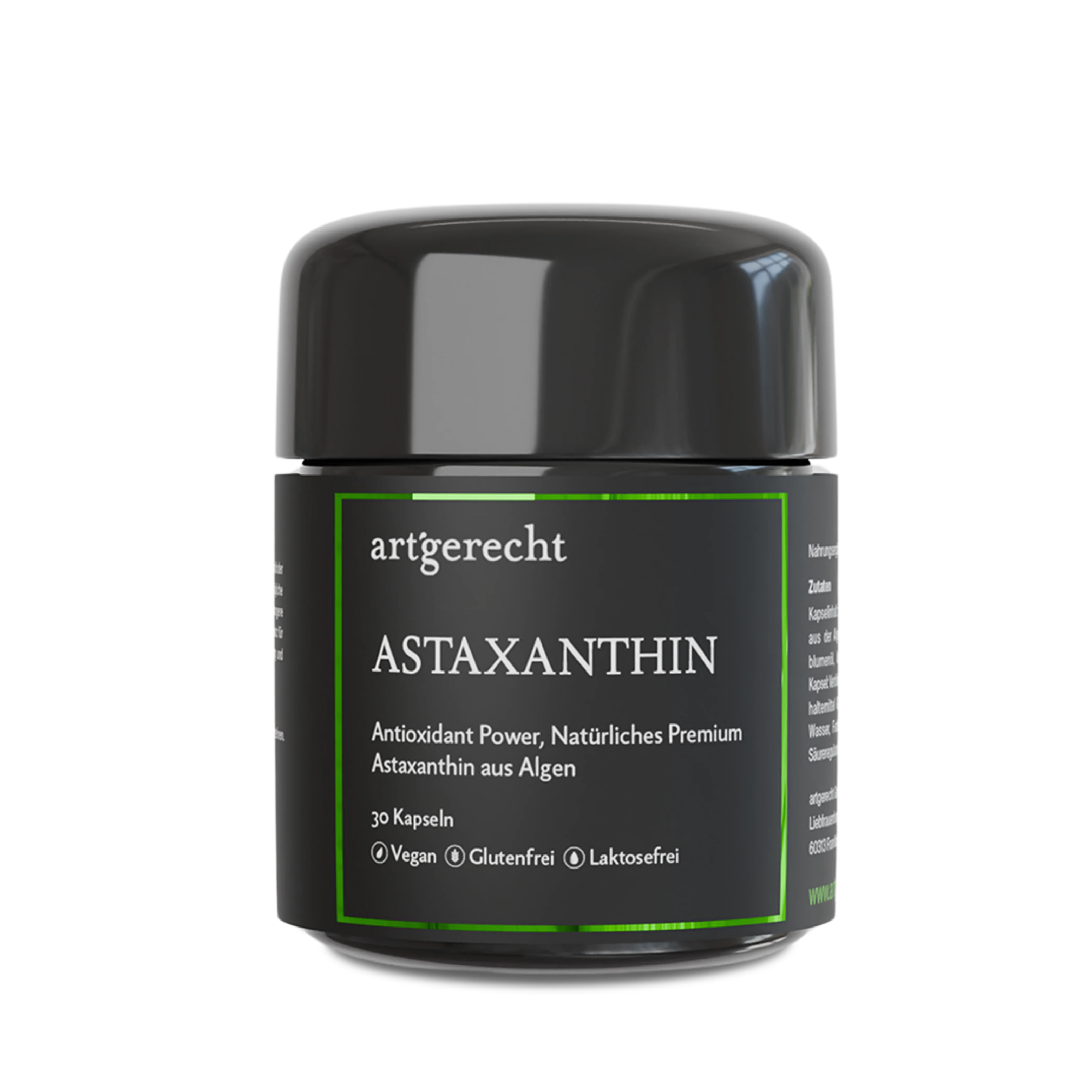
Antioxidant Power Deluxe
High-purity Astaxanthin, derived purely from algae, for natural skin protection and anti-aging effects. Product listed on the Cologne List®
 Gluten-free
 Lactose-free
 Vegan
Vegan

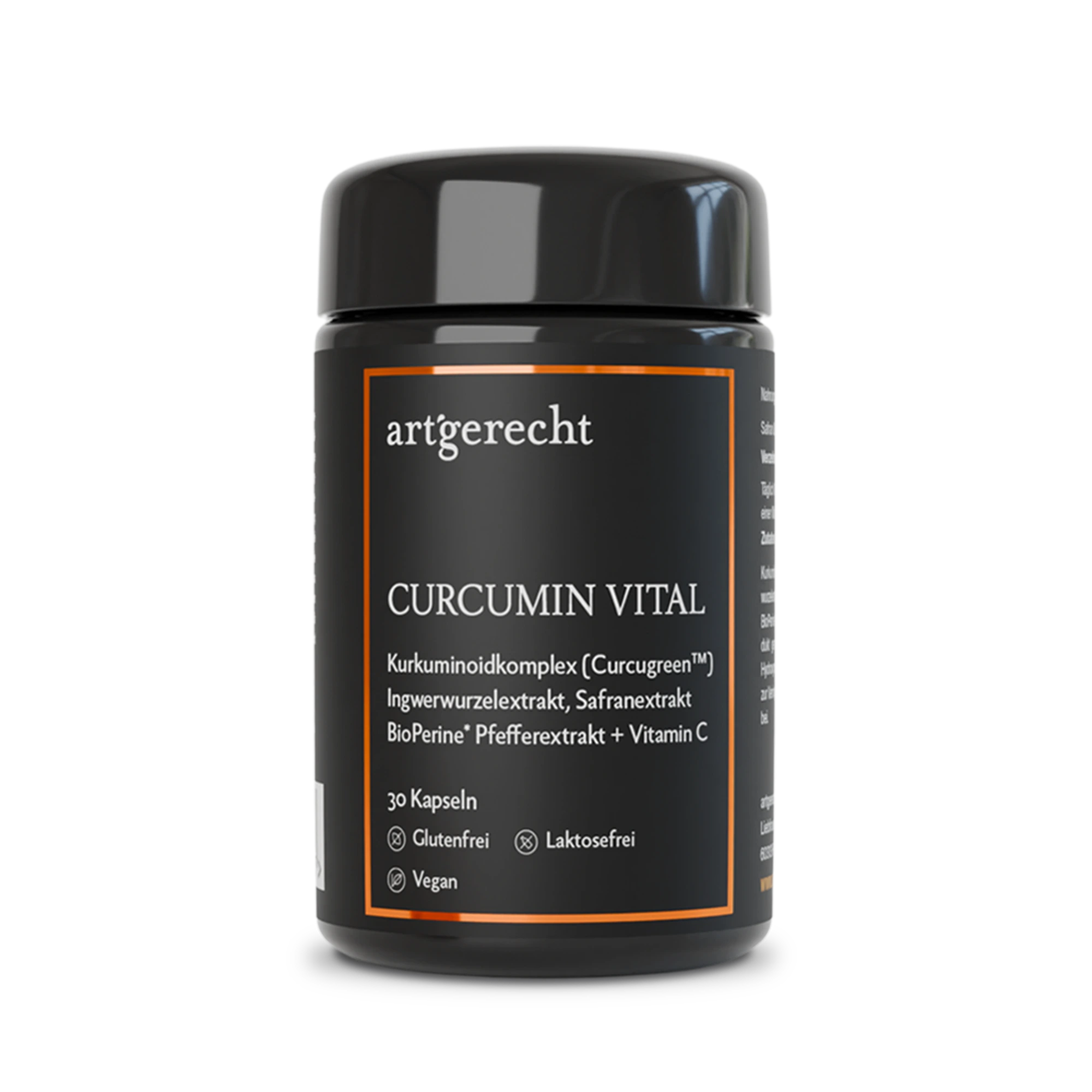
Powerful combination for your well-being
Traditionally proven ingredients: Ginger, saffron, and turmeric for your moment of comfort UV-protected glass
 Lab-tested
 Non-GMO
 No artificial additives
Vegan
No artificial additives
Vegan
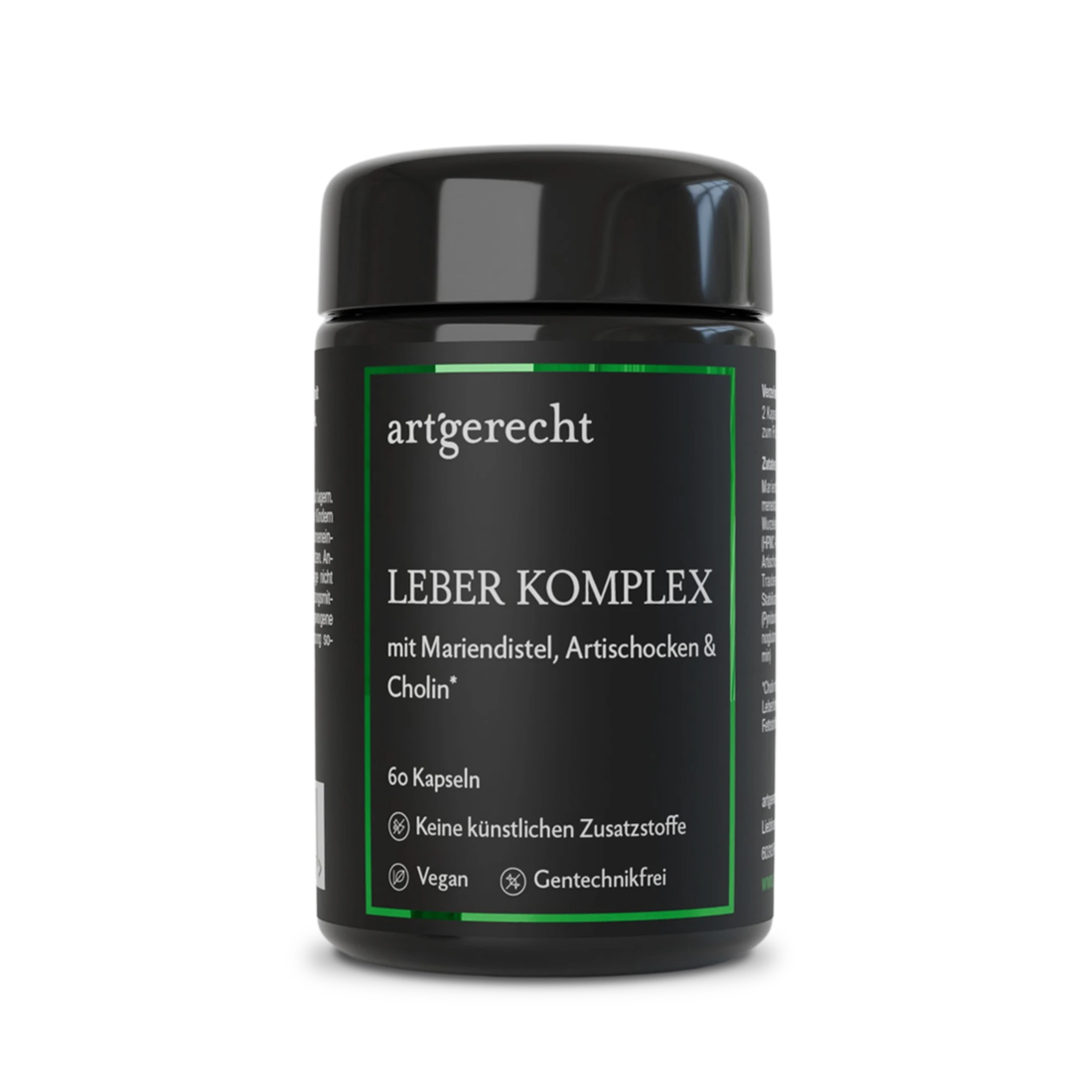
Plant-based support for your liver
Supports liver function with milk thistle, artichoke, choline & OPC UV-protected glass
Lab-tested
Non-GMO
No artificial additives
Product listed on the Cologne List®
Vegan
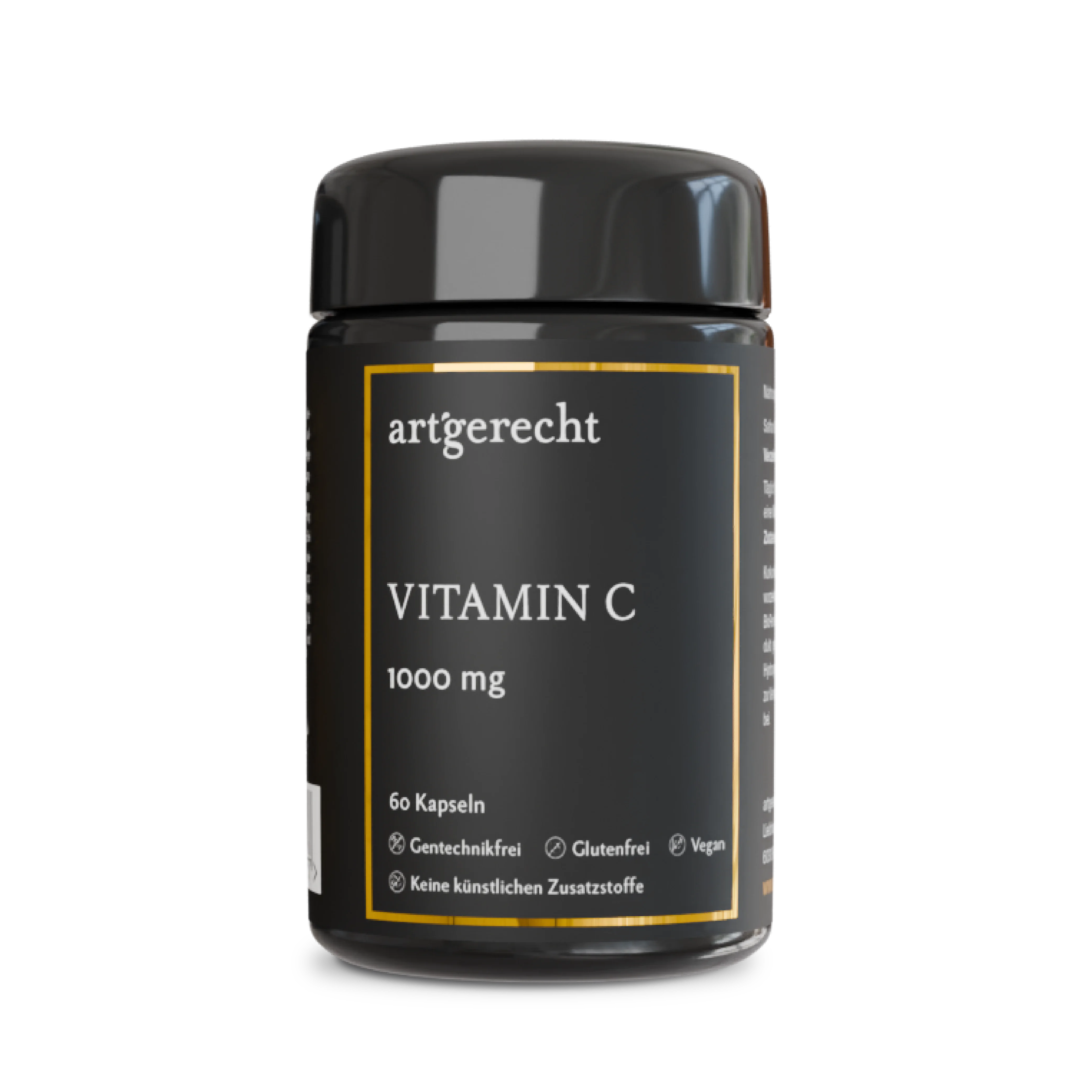
High-dose vitamin C from rosehip extract
Natural vitamin C from rosehip Non-GMO
No artificial additives
Product listed on the Cologne List®
Gluten-free
Vegan
Die neusten Einträge
3 Posts in this encyclopedia categoryGerman Association of Occupational Therapy
Irritable Bowel Syndrome (IBS) Symptoms
Die meistgelesenen Einträge
3 Posts in this encyclopedia categoryMagnesiumcarbonat
Cologne list
Calorie content
Verwandte Suchbegriffe: Cell protection