


Vegetative nervous system - function & regulation
The autonomic nervous system controls unconscious bodily functions such as heartbeat, digestion and breathing. Tips for balancing and strengthening the VNS.
Wissenswertes über "Vegetative nervous system"
The autonomic nervous system, also known as the autonomic nervous system, is part of the peripheral nervous system and controls vital bodily functions that cannot be controlled voluntarily.
The vegetative nervous system (VNS) includes heart rate, respiration, digestion, blood pressure, metabolism, sweat production and many other automatic processes.blood pressure, metabolism, sweat production and many other automatic processes. The VNS ensures that the body reacts optimally to external and internal stimuli in order to maintain internal balance (homeostasis).
The autonomic nervous system consists of two main parts, which usually work in opposite directions. The sympathetic nervous system (sympathetic nervous system) is responsible for activating the body in stressful and dangerous situations. It increases the heart rate, raises blood pressure, dilates the bronchi and inhibits digestion in order to provide energy reserves for flight or fight (""fight-or-flight"" response). The parasympathetic nervous system is the antagonist of the sympathetic nervous system and promotes relaxation, regeneration and digestion. By lowering the heart rate, activating the digestive organs and promoting energy storage, it ensures recovery and regeneration (""rest and digest""). A third part of the autonomic nervous system is theenteric nervous system (ENS), also known as the ""gut brain"". It regulates digestion largely independently and contains millions of nerve cells that control intestinal movements.
An imbalance of the autonomic nervous system can cause various complaints, including chronic stress, digestive problems, hypertension, sleep disorders, anxiety or cardiovascular disease. Relaxation techniques, breathing exercises, sufficient sleep, a healthy diet and certain vitamins and minerals can support the VNS. Particularly important are magnesium, which has a calming effect on nerves and muscles, and B vitamins, which are important for nerve function. Omega-3 fatty acids can also have a positive effect on the nervous system due to their anti-inflammatory effect.
Verwandte Produkte
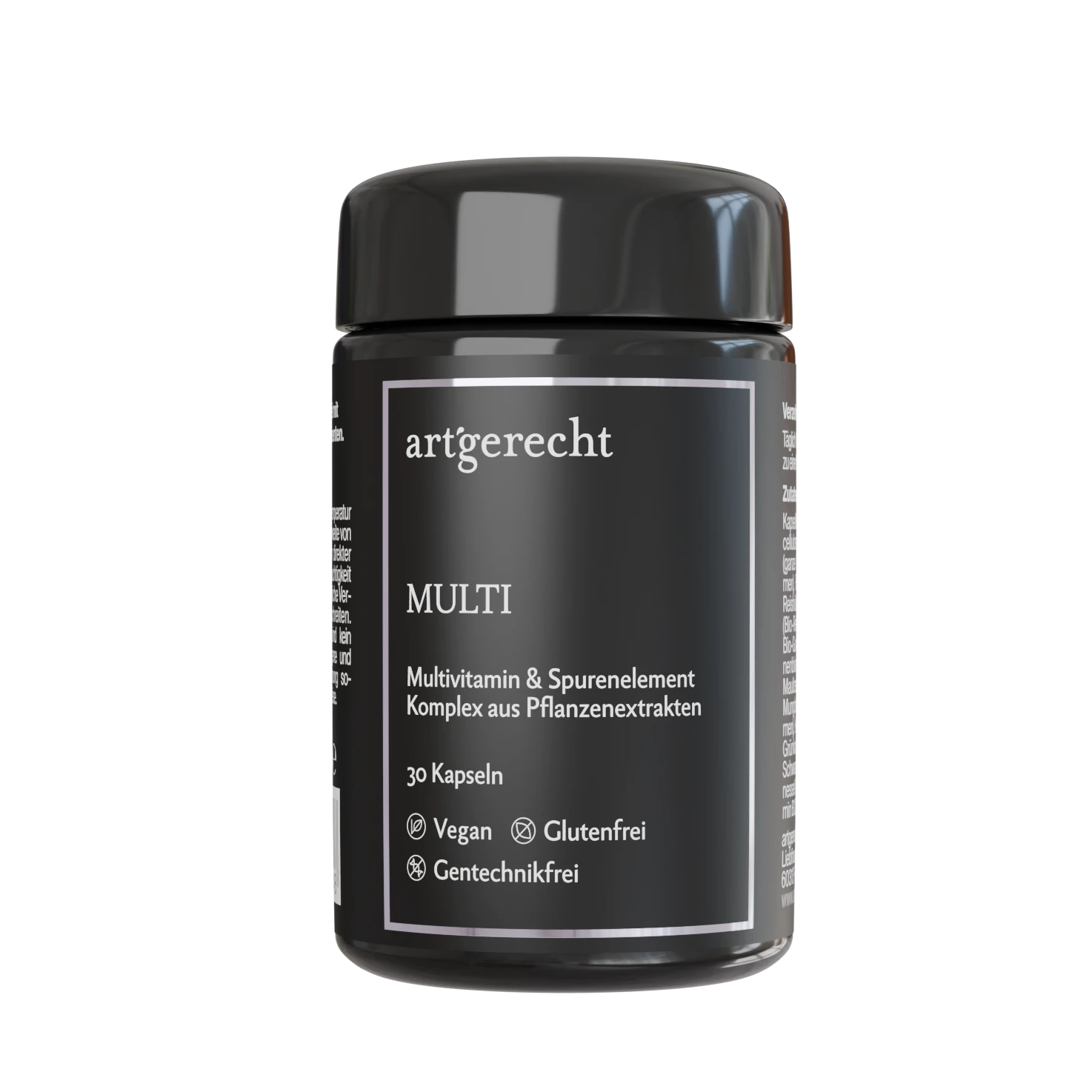
Daily basic supply: the complete spectrum of micronutrients
Natural multivitamin complex for the immune system, energy, and central body functions
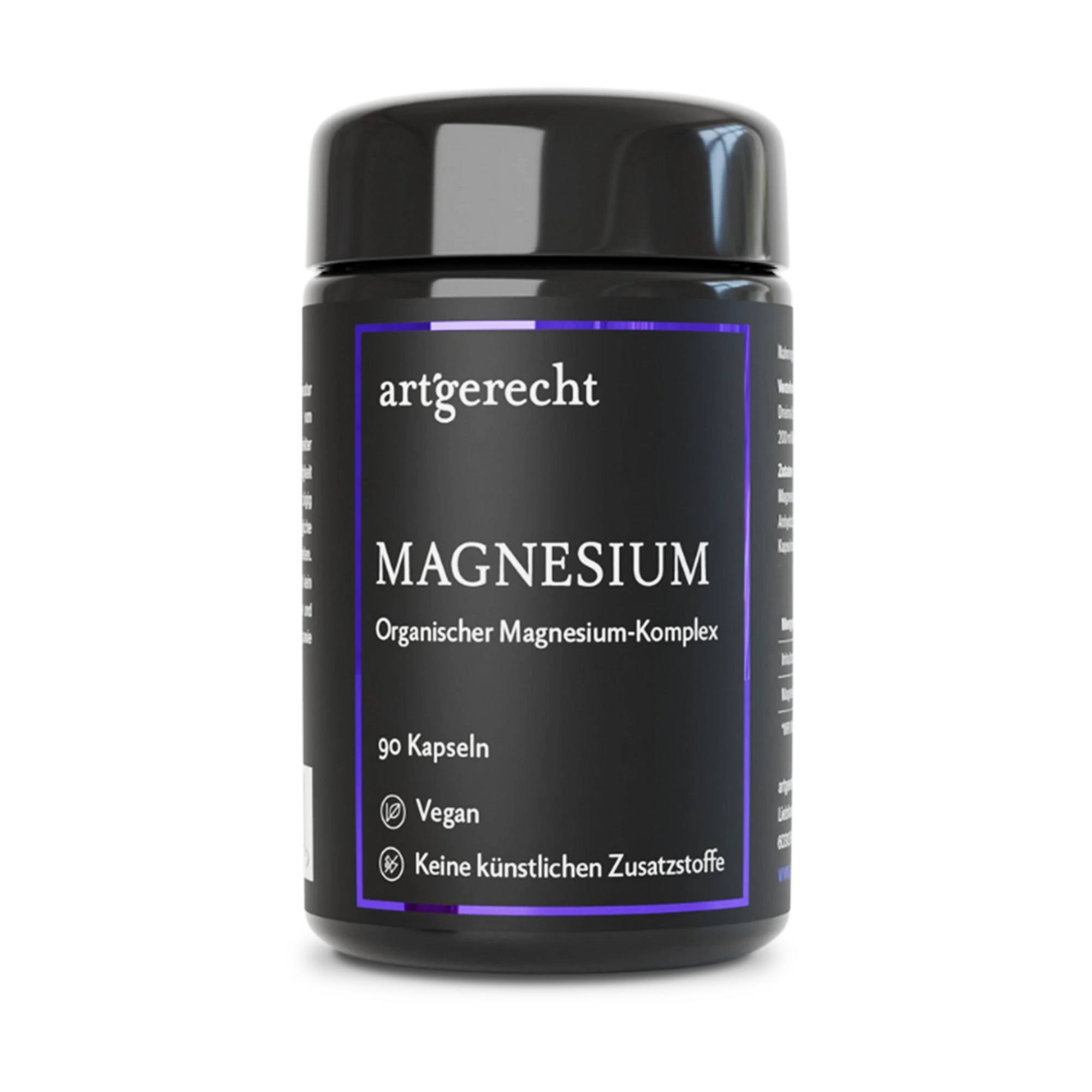
For your daily magnesium needs
Organic magnesium complex to reduce fatigue and tiredness and support normal muscle function

For Your Eyes, Heart, and Brain
High content of essential Omega-3 fatty acids EPA and DHA, sourced from sustainable fishing.
Best-selling products

For your universal protection
As one of the most valuable proteins in the body, lactoferrin is a natural component of the immune system.

For your iron balance
Specially formulated for your iron balance with plant-based curry leaf iron, Lactoferrin CLN®, and natural Vitamin C from rose hips.

For Healthy Oral Flora & Dental Care
Formulated lozenges with Dentalac®, probiotic lactic acid bacteria, and Lactoferrin CLN®The latest entries
3 Posts in this encyclopedia categoryAbdominal Ganglion
Mercury Test
Bioelectrical Impedance
Most read entries
3 Posts in this encyclopedia categoryMagnesiumcarbonat
Cologne list
Calorie content
Related search terms: Vegetative nervous system + Autonomic nervous system + Vegetative nervous system calming + Vegetative nervous system imbalance