


Exsiccosis – Causes, Symptoms and Treatment
Exsiccosis refers to a severe lack of fluid in the body. It occurs when the body loses more water than it takes in and can become life-threatening if untreated.
Wissenswertes über "Exsiccosis"
Exsiccosis refers to a severe lack of fluid in the body. It occurs when the body loses more water than it takes in and can become life-threatening if untreated.
What is Exsiccosis?
Exsiccosis (also known as dehydration or desiccation) is a condition in which the body experiences a significant deficit of fluid. The term derives from the Latin word exsiccare, meaning to dry out. When fluid loss exceeds fluid intake, the balance of water and electrolytes in the body is disrupted, impairing the function of vital organs. In severe cases, exsiccosis can be life-threatening. Older adults, infants, young children, and individuals with chronic illnesses are at the highest risk.
Causes
Exsiccosis can result from a variety of factors:
- Insufficient fluid intake: Reduced drinking, for example in older adults with a diminished sense of thirst, in unconscious individuals, or in those with swallowing difficulties.
- Increased fluid loss: Excessive sweating (e.g., during fever, heat exposure, or physical exertion), vomiting, diarrhea, or increased urination (e.g., in diabetes mellitus or diabetes insipidus).
- Medications: Certain drugs such as diuretics can increase fluid loss.
- Medical conditions: Kidney disease, hormonal disorders, or febrile infections can contribute to elevated fluid loss.
Symptoms
The symptoms of exsiccosis depend on the severity of the fluid deficit:
Mild Exsiccosis
Moderate Exsiccosis
- Dizziness and lightheadedness
- Reduced skin turgor (skin tenting)
- Sunken eyes
- Rapid heartbeat (tachycardia)
Severe Exsiccosis
- Confusion and altered consciousness
- Low blood pressure (hypotension) and circulatory shock
- Seizures
- Loss of consciousness
Diagnosis
The diagnosis of exsiccosis is based on clinical findings and laboratory tests:
- Physical examination: Assessment of skin turgor, mucous membranes, blood pressure, and heart rate.
- Blood tests: Elevated hematocrit, blood urea nitrogen, and creatinine levels, along with electrolyte imbalances (e.g., sodium, potassium), indicate fluid deficit.
- Urine analysis: Concentrated, dark urine with a high specific gravity is a typical sign of dehydration.
- Weight monitoring: A rapid decrease in body weight over a short period can indicate significant fluid loss.
Treatment
Treatment of exsiccosis focuses on restoring fluid and electrolyte balance:
Mild to Moderate Exsiccosis
In mild cases, oral fluid replacement is usually sufficient. Suitable options include water, diluted fruit juices, or specially formulated oral rehydration solutions (ORS), which contain both water and essential electrolytes such as sodium and potassium.
Severe Exsiccosis
Severe dehydration requires hospitalization. Fluid and electrolyte replacement is administered intravenously to ensure rapid, controlled rehydration under medical supervision.
Prevention
To prevent exsiccosis, health authorities recommend a daily fluid intake of at least 1.5 to 2 liters for adults. During hot weather, physical activity, fever, or illness accompanied by diarrhea or vomiting, fluid intake should be increased accordingly. Older adults in particular should be reminded to drink regularly throughout the day.
References
- World Health Organization (WHO) - The Treatment of Diarrhoea: A Manual for Physicians and Other Senior Health Workers, WHO Press (2005).
- Kasper, D. L. et al. - Harrison's Principles of Internal Medicine, 21st Edition, McGraw-Hill Education (2022).
- Thomas, D. R. et al. - Understanding Clinical Dehydration and Its Treatment, Journal of the American Medical Directors Association, 9(5), 292-301 (2008).
Verwandte Produkte
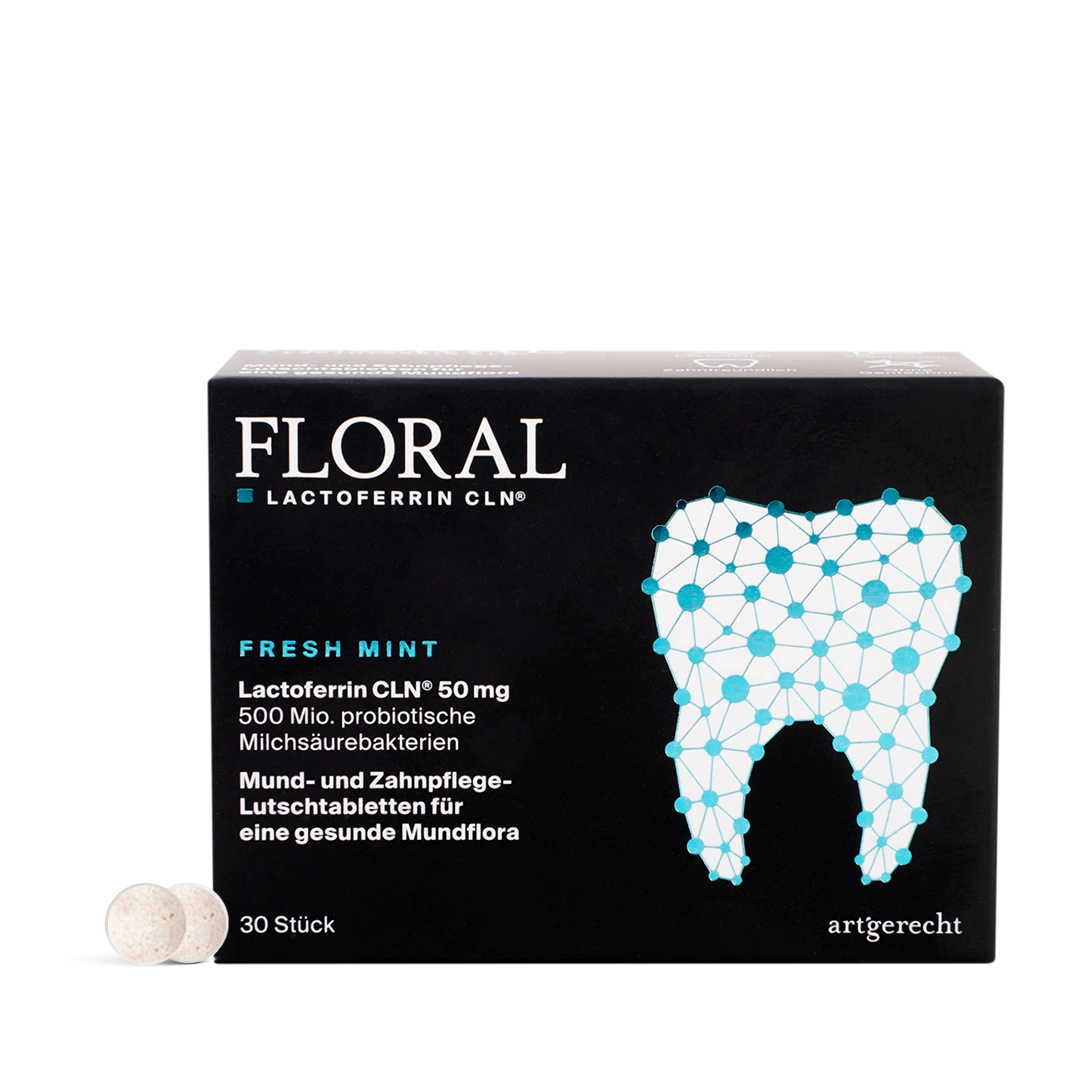
For Healthy Oral Flora & Dental Care
Formulated lozenges with Dentalac®, probiotic lactic acid bacteria, and Lactoferrin CLN®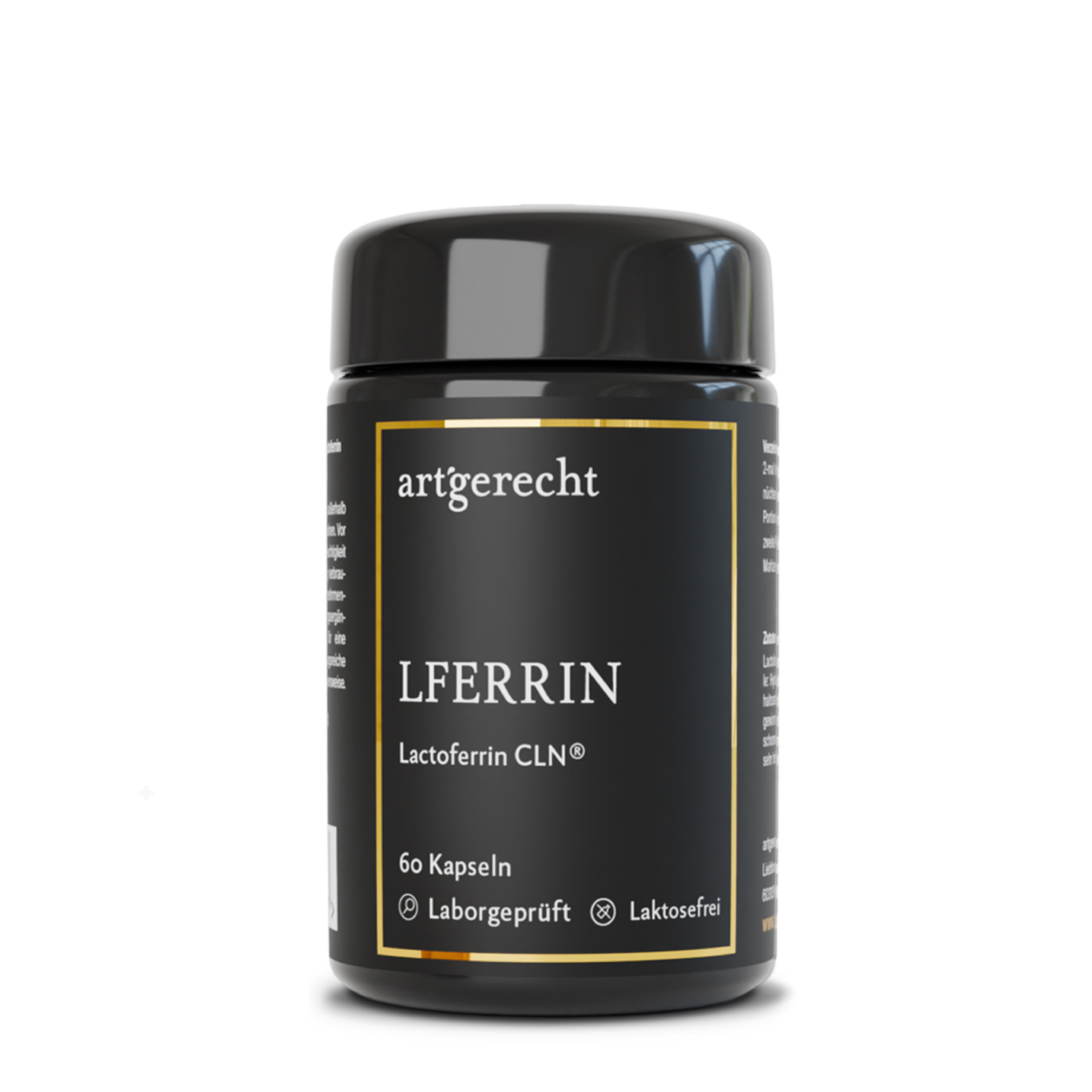
For your universal protection
As one of the most valuable proteins in the body, lactoferrin is a natural component of the immune system.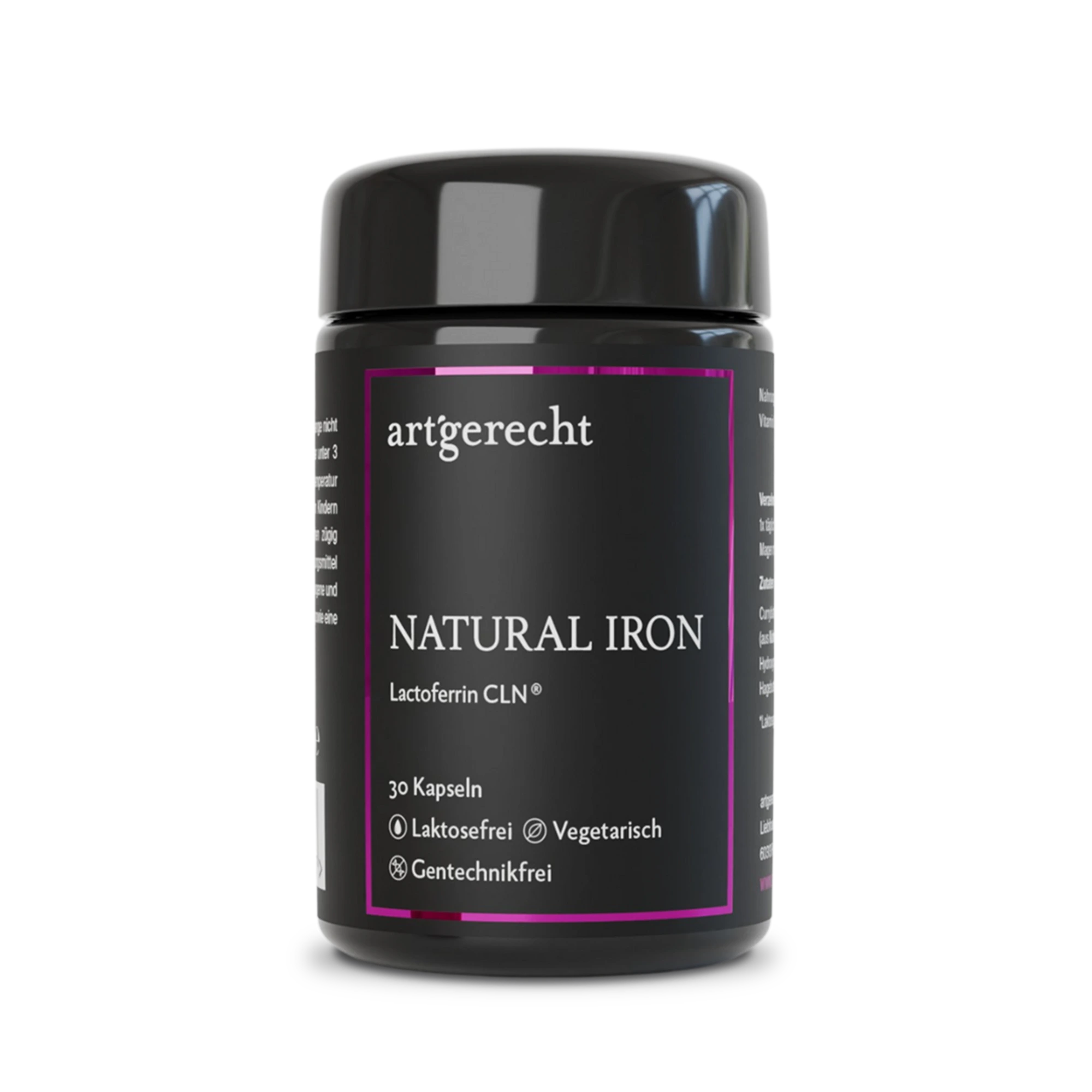
For your iron balance
Specially formulated for your iron balance with plant-based curry leaf iron, Lactoferrin CLN®, and natural Vitamin C from rose hips.
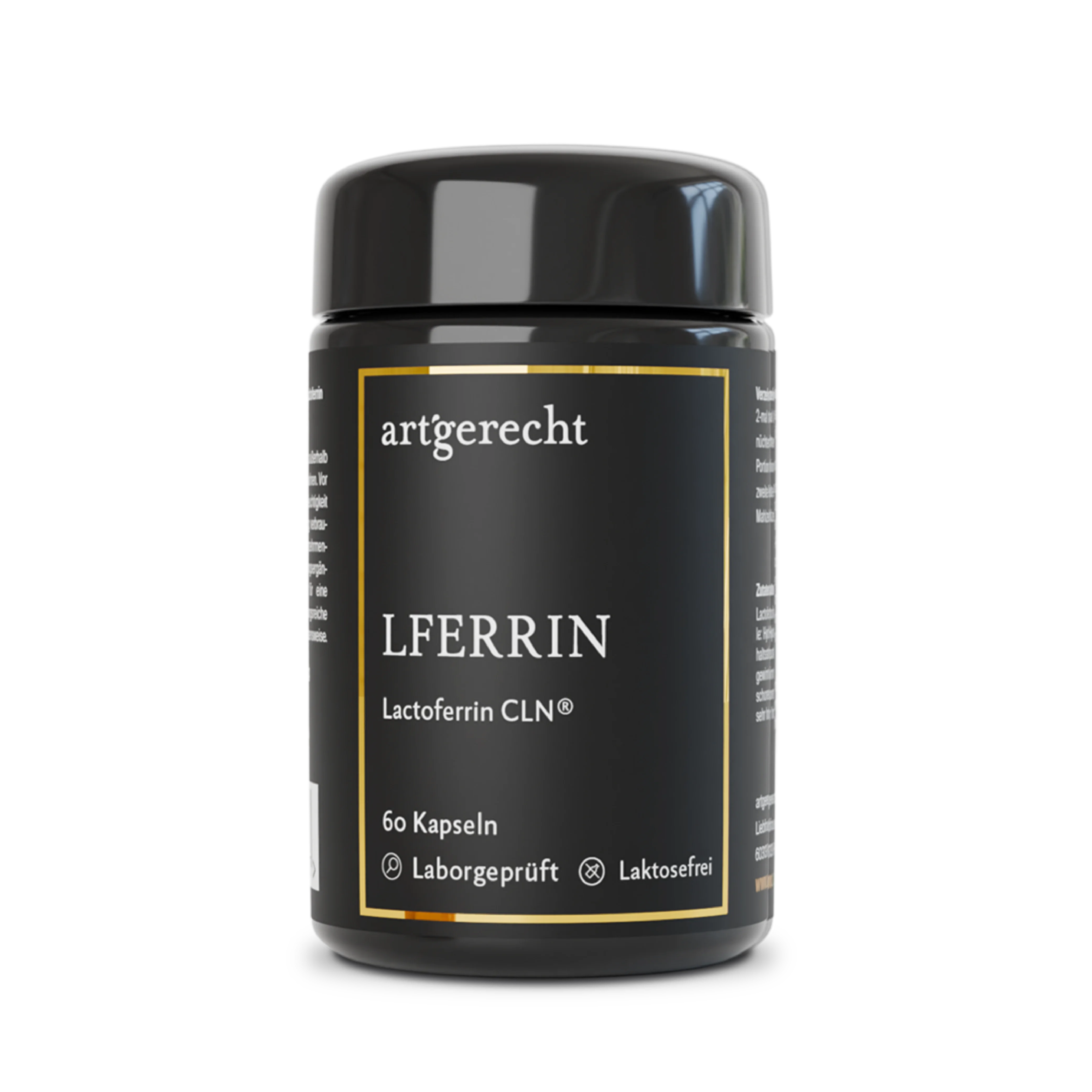
For your universal protection
As one of the most valuable proteins in the body, lactoferrin is a natural component of the immune system.
For your iron balance
Specially formulated for your iron balance with plant-based curry leaf iron, Lactoferrin CLN®, and natural Vitamin C from rose hips.
For Healthy Oral Flora & Dental Care
Formulated lozenges with Dentalac®, probiotic lactic acid bacteria, and Lactoferrin CLN®Die neusten Einträge
3 Posts in this encyclopedia categoryAmphifila sp.
Birth Position
Premature Ovarian Insufficiency
Die meistgelesenen Einträge
3 Posts in this encyclopedia categoryMagnesiumcarbonat
Cologne list
Calorie content
Verwandte Suchbegriffe: Exsiccosis + Exsikkose + Exsiccation