


Triglyceride-Lowering Agents – Types & Effects
Triglyceride-lowering agents are medications or substances used to reduce elevated triglyceride levels in the blood, thereby lowering the risk of cardiovascular disease.
Wissenswertes über "Triglyceride-Lowering Agents"
Triglyceride-lowering agents are medications or substances used to reduce elevated triglyceride levels in the blood, thereby lowering the risk of cardiovascular disease.
What Are Triglyceride-Lowering Agents?
Triglyceride-lowering agents are medications, supplements, or natural substances used to reduce elevated levels of triglycerides (also called neutral fats) in the blood. Triglycerides are a type of blood fat that serves as an important energy source. However, persistently high levels increase the risk of cardiovascular disease, pancreatitis, and metabolic disorders. Elevated triglyceride levels are referred to as hypertriglyceridemia and are generally defined as levels above 150 mg/dL (1.7 mmol/L).
Causes of Elevated Triglyceride Levels
Understanding the underlying causes of high triglycerides is essential before initiating treatment:
- Poor diet high in sugar and refined carbohydrates
- Overweight and obesity
- Physical inactivity
- Excessive alcohol consumption
- Diabetes mellitus and insulin resistance
- Hypothyroidism (underactive thyroid)
- Genetic factors (familial hypertriglyceridemia)
- Certain medications (e.g., corticosteroids, beta-blockers)
Types of Triglyceride-Lowering Agents
Fibrates
Fibrates (e.g., fenofibrate, bezafibrate, gemfibrozil) are among the most potent pharmacological triglyceride-lowering agents. They activate PPAR-alpha receptors in the liver, enhancing fat breakdown and reducing triglyceride production. Fibrates can lower triglyceride levels by 30 to 50 percent.
Omega-3 Fatty Acids
High-dose omega-3 fatty acids (EPA and DHA), available both as prescription medications and dietary supplements, reduce the production of triglyceride-rich lipoproteins in the liver. They are particularly effective for severely elevated triglyceride levels and can reduce them by up to 45 percent.
Nicotinic Acid (Niacin)
Nicotinic acid (niacin) inhibits the release of free fatty acids from adipose tissue, thereby reducing triglyceride production in the liver. Due to side effects such as skin flushing, its clinical use has declined in recent years.
Statins
Statins (e.g., atorvastatin, rosuvastatin) are primarily known for lowering LDL cholesterol but can also have a moderate triglyceride-lowering effect, depending on the specific agent and dosage used.
Lifestyle and Dietary Interventions
In addition to medications, lifestyle modifications play a critical role in managing triglyceride levels:
- Reduction of sugar and refined carbohydrate intake
- Regular physical activity
- Weight loss in overweight individuals
- Limiting alcohol consumption
- Increased intake of fatty fish (a natural source of omega-3 fatty acids)
Mechanism of Action
Triglyceride-lowering agents work through different mechanisms. Fibrates activate nuclear receptors (PPAR-alpha) that regulate genes involved in fat metabolism. Omega-3 fatty acids inhibit hepatic lipogenesis (fat production in the liver) and promote the breakdown of triglycerides via the enzyme lipoprotein lipase. Nicotinic acid acts through G-protein-coupled receptors to reduce the mobilization of free fatty acids from fat tissue.
Usage and Dosage
The choice of triglyceride-lowering agent depends on the severity of the triglyceride elevation, comorbidities, and individual risk factors. Mild to moderate elevations are often initially managed through lifestyle changes. When triglyceride levels exceed 500 mg/dL, the risk of acute pancreatitis increases significantly, making pharmacological therapy strongly recommended. Dosage should always be determined by a qualified healthcare professional.
Side Effects
Side effects vary depending on the drug class:
- Fibrates: Gastrointestinal complaints, muscle pain (myopathy), increased risk of gallstones
- Omega-3 fatty acids: Fishy aftertaste, burping, rarely increased LDL levels
- Nicotinic acid: Skin flushing, itching, elevated liver enzymes
- Statins (used as triglyceride-lowering agents): Muscle pain, liver enzyme changes
References
- European Society of Cardiology (ESC) / European Atherosclerosis Society (EAS) - Guidelines for the Management of Dyslipidaemias (2019). European Heart Journal.
- Berglund L. et al. - Evaluation and Treatment of Hypertriglyceridemia: An Endocrine Society Clinical Practice Guideline. Journal of Clinical Endocrinology and Metabolism, 2012.
- World Health Organization (WHO) - Cardiovascular diseases: Key facts. https://www.who.int/news-room/fact-sheets/detail/cardiovascular-diseases-(cvds)
Verwandte Produkte
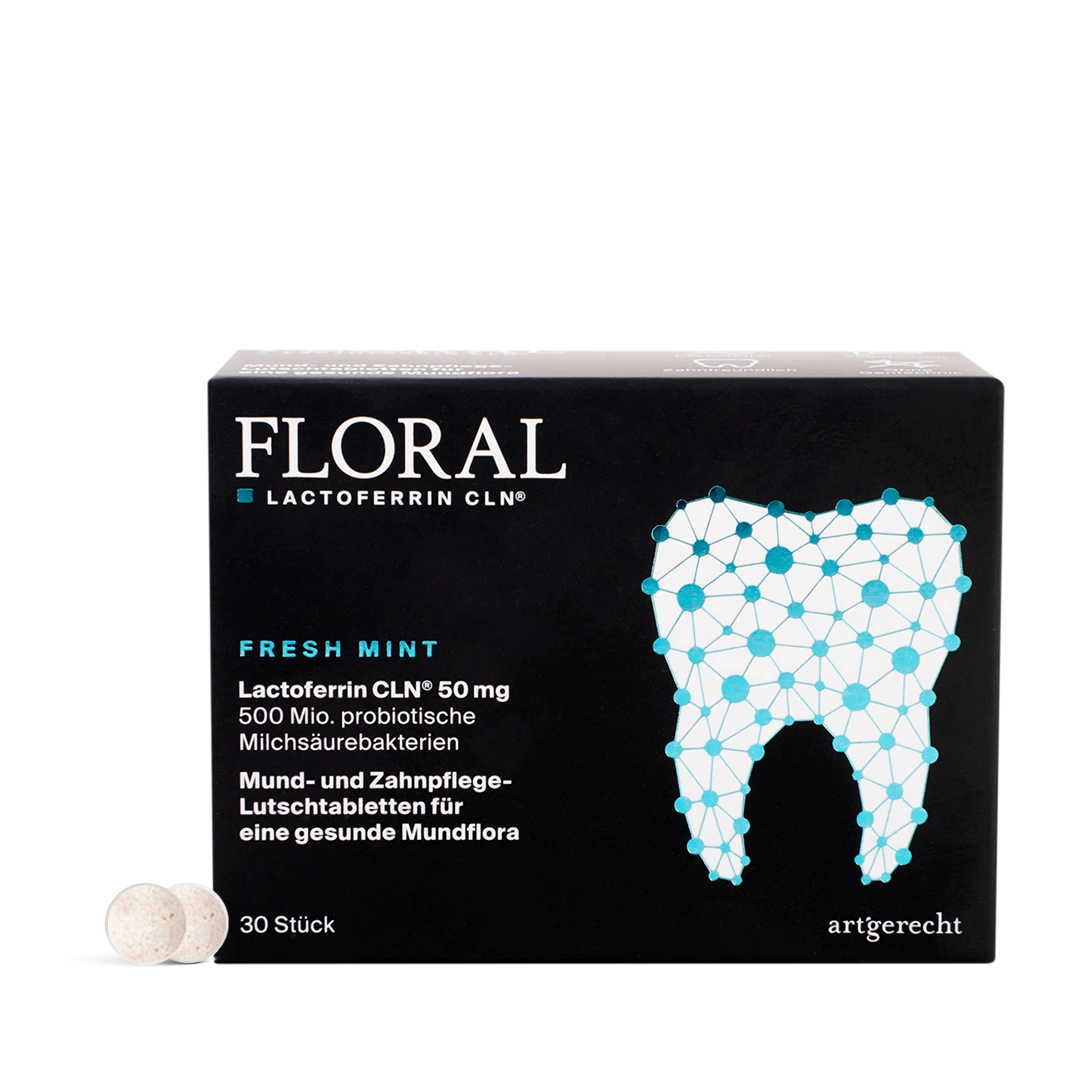
For Healthy Oral Flora & Dental Care
Formulated lozenges with Dentalac®, probiotic lactic acid bacteria, and Lactoferrin CLN®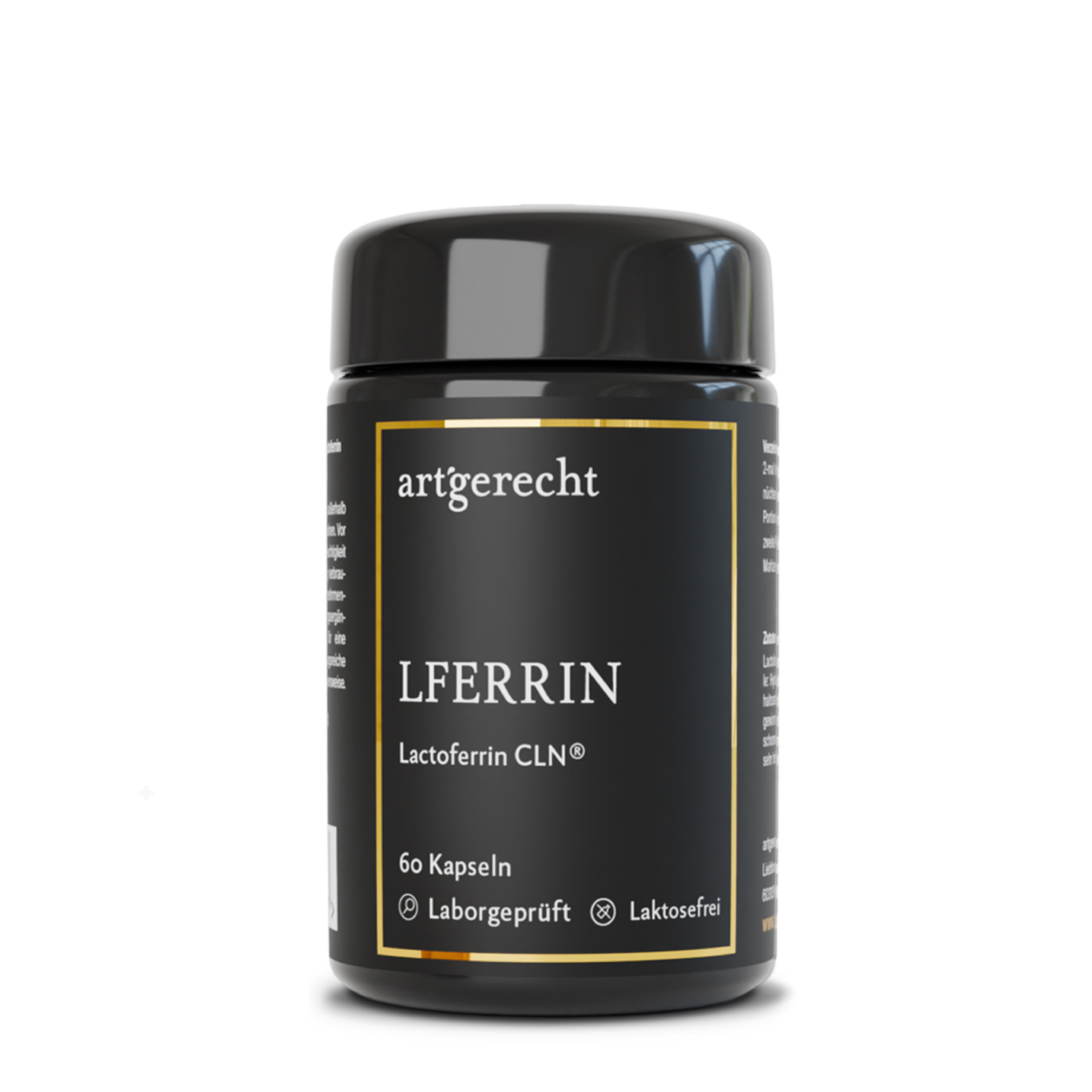
For your universal protection
As one of the most valuable proteins in the body, lactoferrin is a natural component of the immune system.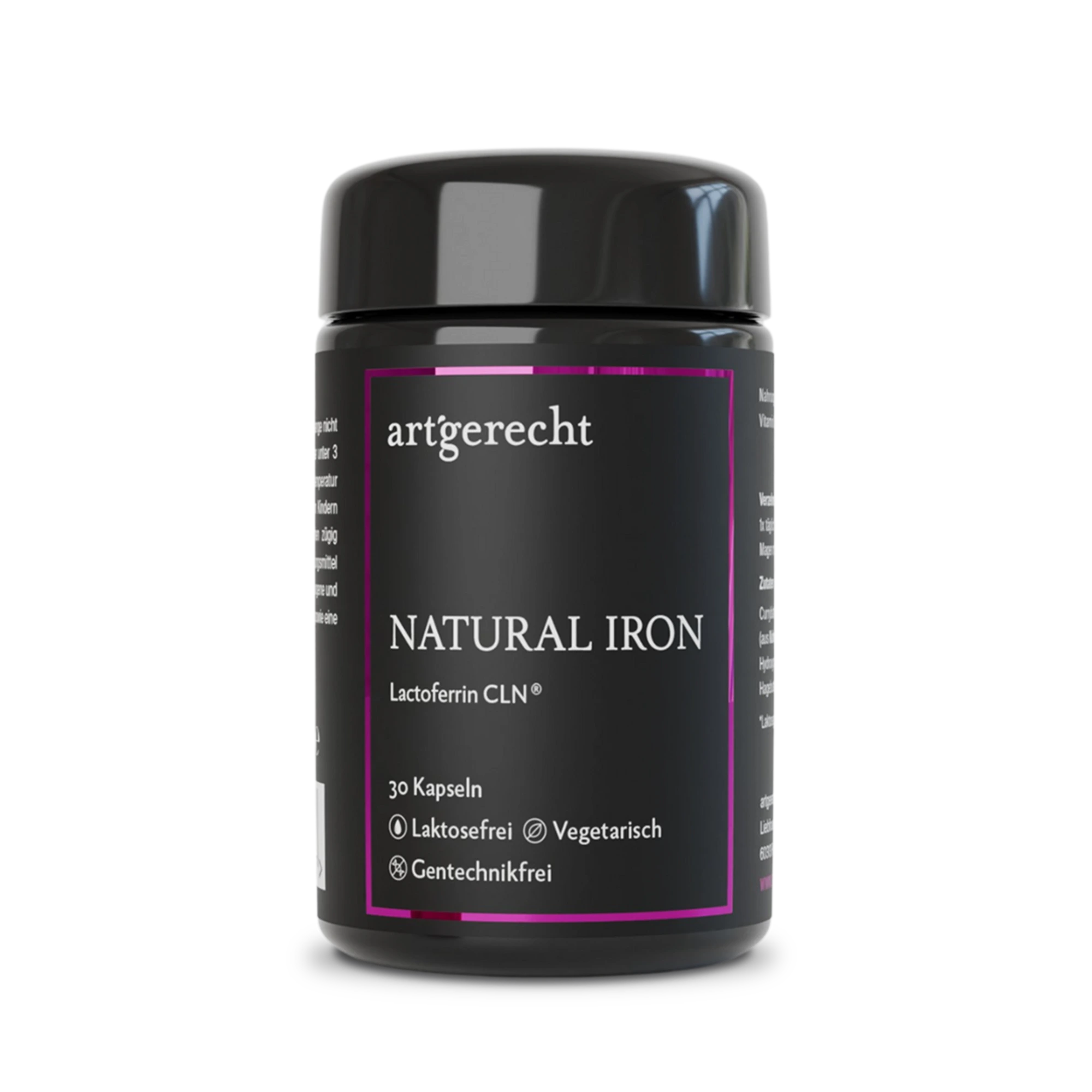
For your iron balance
Specially formulated for your iron balance with plant-based curry leaf iron, Lactoferrin CLN®, and natural Vitamin C from rose hips.
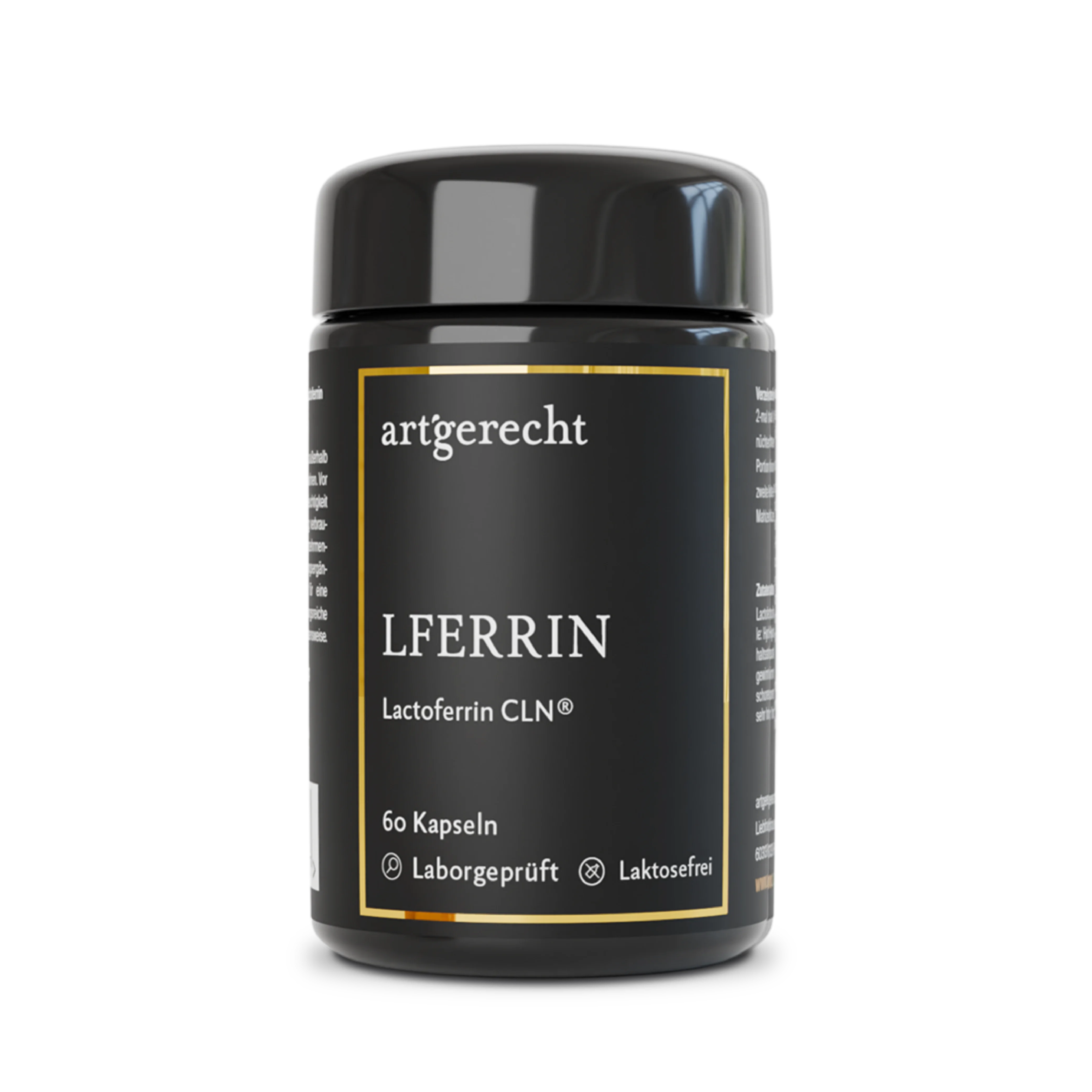
For your universal protection
As one of the most valuable proteins in the body, lactoferrin is a natural component of the immune system.
For your iron balance
Specially formulated for your iron balance with plant-based curry leaf iron, Lactoferrin CLN®, and natural Vitamin C from rose hips.
For Healthy Oral Flora & Dental Care
Formulated lozenges with Dentalac®, probiotic lactic acid bacteria, and Lactoferrin CLN®Die neusten Einträge
3 Posts in this encyclopedia categoryAmphifila sp.
Birth Position
Premature Ovarian Insufficiency
Die meistgelesenen Einträge
3 Posts in this encyclopedia categoryMagnesiumcarbonat
Cologne list
Calorie content
Verwandte Suchbegriffe: Triglyceride-Lowering Agents + Triglyceride Lowering Agents + Triglyceride-Lowering Medications + Triglyceride Reducers