


Novel Food Authorisation EU – Explained
The EU Novel Food authorisation process regulates which new foods may be safely marketed in the EU. It is governed by Regulation (EU) 2015/2283.
Wissenswertes über "Novel Food Authorisation EU"
The EU Novel Food authorisation process regulates which new foods may be safely marketed in the EU. It is governed by Regulation (EU) 2015/2283.
What is the EU Novel Food Authorisation?
Novel foods are foods and food ingredients that were not used for human consumption to a significant degree within the European Union before 15 May 1997. The EU Novel Food authorisation is the official approval procedure that ensures such products are assessed for safety, nutritional value, and consumer suitability before they can be placed on the market.
The legal basis is Regulation (EU) 2015/2283 of the European Parliament and of the Council, which has been in force since 1 January 2018, replacing the earlier Regulation (EC) No 258/97. The regulation applies across all EU member states and is implemented by the European Commission in cooperation with the European Food Safety Authority (EFSA).
Which Products Fall Under Novel Food?
The novel food category is broad and covers a wide range of product groups:
- New foods of plant or animal origin (e.g. chia seeds, moringa)
- Insects and insect-based products (e.g. mealworms, migratory locusts)
- Foods from new production processes (e.g. UV-treated foods, high-pressure processing)
- Nanotechnology-based foods and ingredients
- Vitamins, minerals, and other substances from new sources or produced by new processes
- Cell-cultivated foods (e.g. cultivated meat)
- Algae and microalgae and their extracts
The Authorisation Procedure at a Glance
The process for obtaining EU novel food authorisation is clearly structured and involves several key steps:
1. Application Submission
Food business operators or applicants submit a complete application to the European Commission via the central online portal. The application must include comprehensive scientific data on the safety, composition, production process, and proposed conditions of use of the product.
2. Safety Assessment by EFSA
The EFSA (European Food Safety Authority) conducts an independent scientific risk assessment. This covers aspects such as toxicity, allergenicity, nutritional value, absorption behaviour, and potential interactions. EFSA typically has nine months to deliver its opinion.
3. Decision by the European Commission
Based on the EFSA opinion, the European Commission, together with the member states, decides on the authorisation. If approved, the product is added to the Union list of authorised novel foods, which is publicly accessible.
4. Labelling Requirements
Authorised novel foods are subject to specific labelling requirements. For example, foods containing insect-derived ingredients must carry allergen warnings. All labelling must be transparent and understandable for consumers.
Simplified Procedure: Traditional Foods from Third Countries
For foods that have a documented history of safe use in a non-EU country, known as traditional foods from third countries, Regulation (EU) 2015/2283 provides for a simplified notification procedure. In these cases, it is sufficient to demonstrate at least 25 years of safe use in a country outside the EU.
Data Protection and Data Exclusivity
An important aspect of the current authorisation framework is data protection for applicants: newly submitted scientific data can be protected for a period of up to five years. During this time, no competitor may use this data in their own application without the consent of the original applicant.
Relevance for Health and Nutrition
The novel food authorisation has direct relevance for public health. It ensures that new food products pose no risk to consumers before they reach the market. At the same time, it enables innovation in the food industry that can contribute to food security, sustainability, and meeting evolving nutritional needs.
References
- European Parliament and Council of the European Union: Regulation (EU) 2015/2283 on novel foods. Official Journal of the European Union, 2015. Available at: https://eur-lex.europa.eu
- European Food Safety Authority (EFSA): Novel food. EFSA, Parma, Italy. Available at: https://www.efsa.europa.eu/en/topics/topic/novel-food
- European Commission: Novel food - Food Safety. Available at: https://food.ec.europa.eu/safety/novel-food_en
Verwandte Produkte
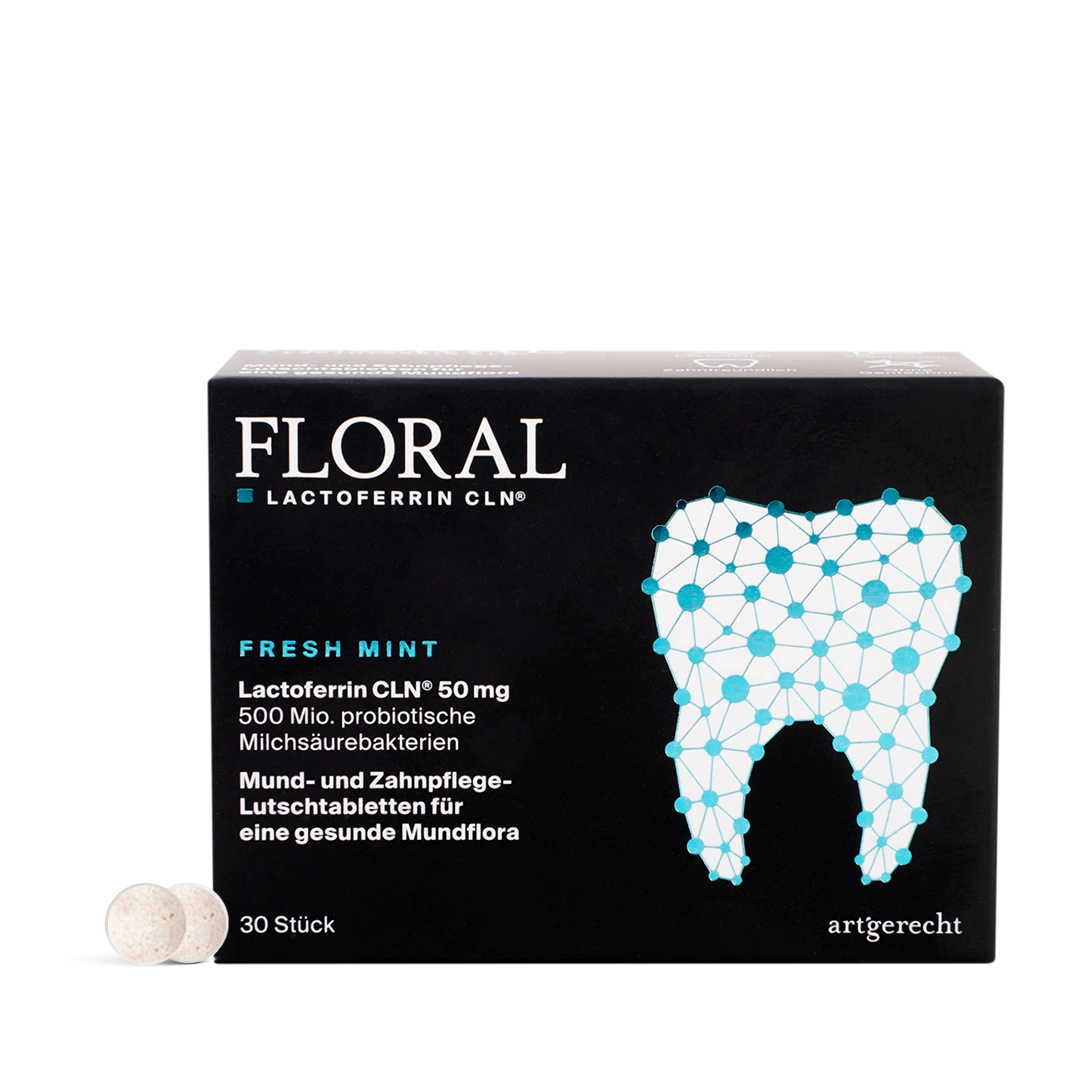
For Healthy Oral Flora & Dental Care
Formulated lozenges with Dentalac®, probiotic lactic acid bacteria, and Lactoferrin CLN®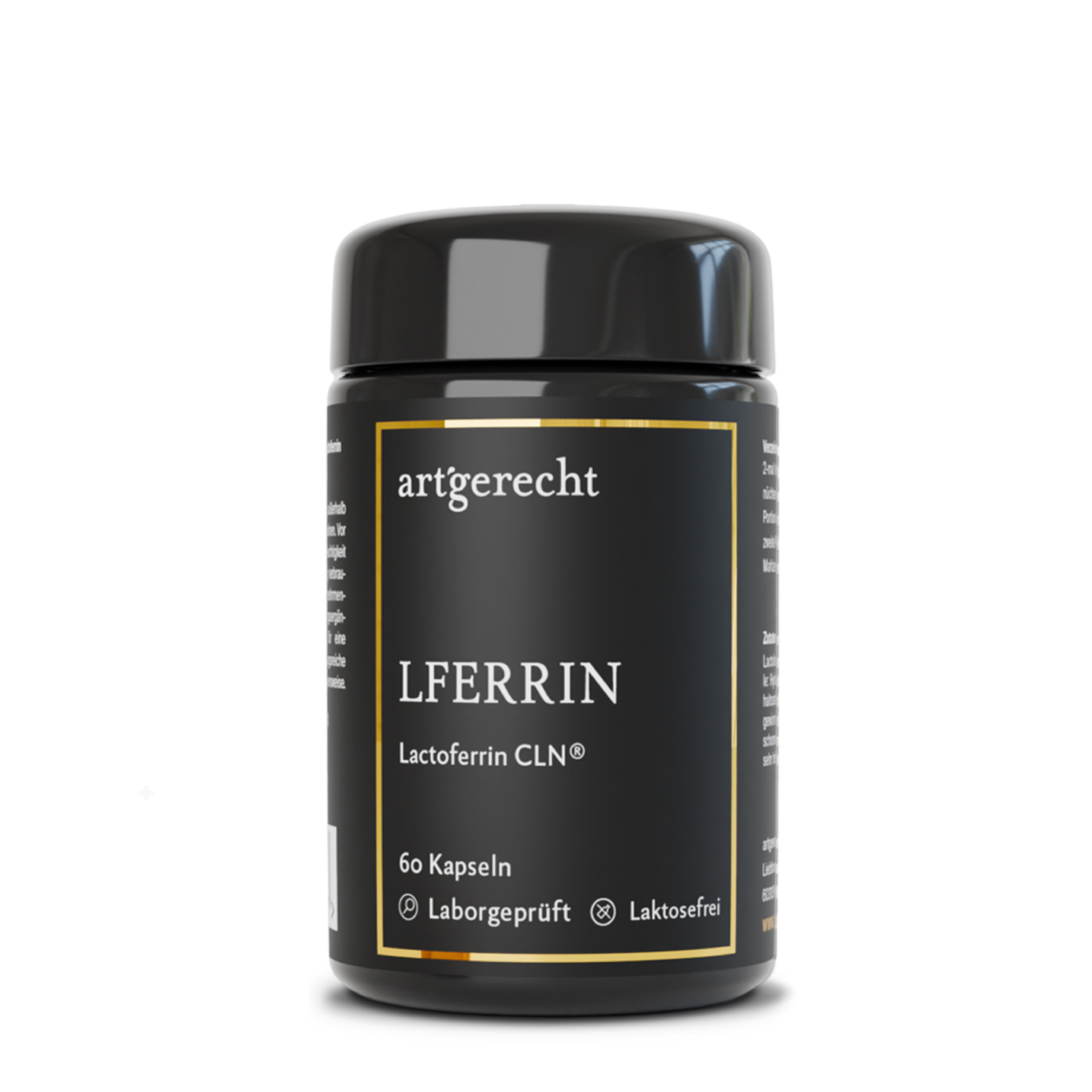
For your universal protection
As one of the most valuable proteins in the body, lactoferrin is a natural component of the immune system.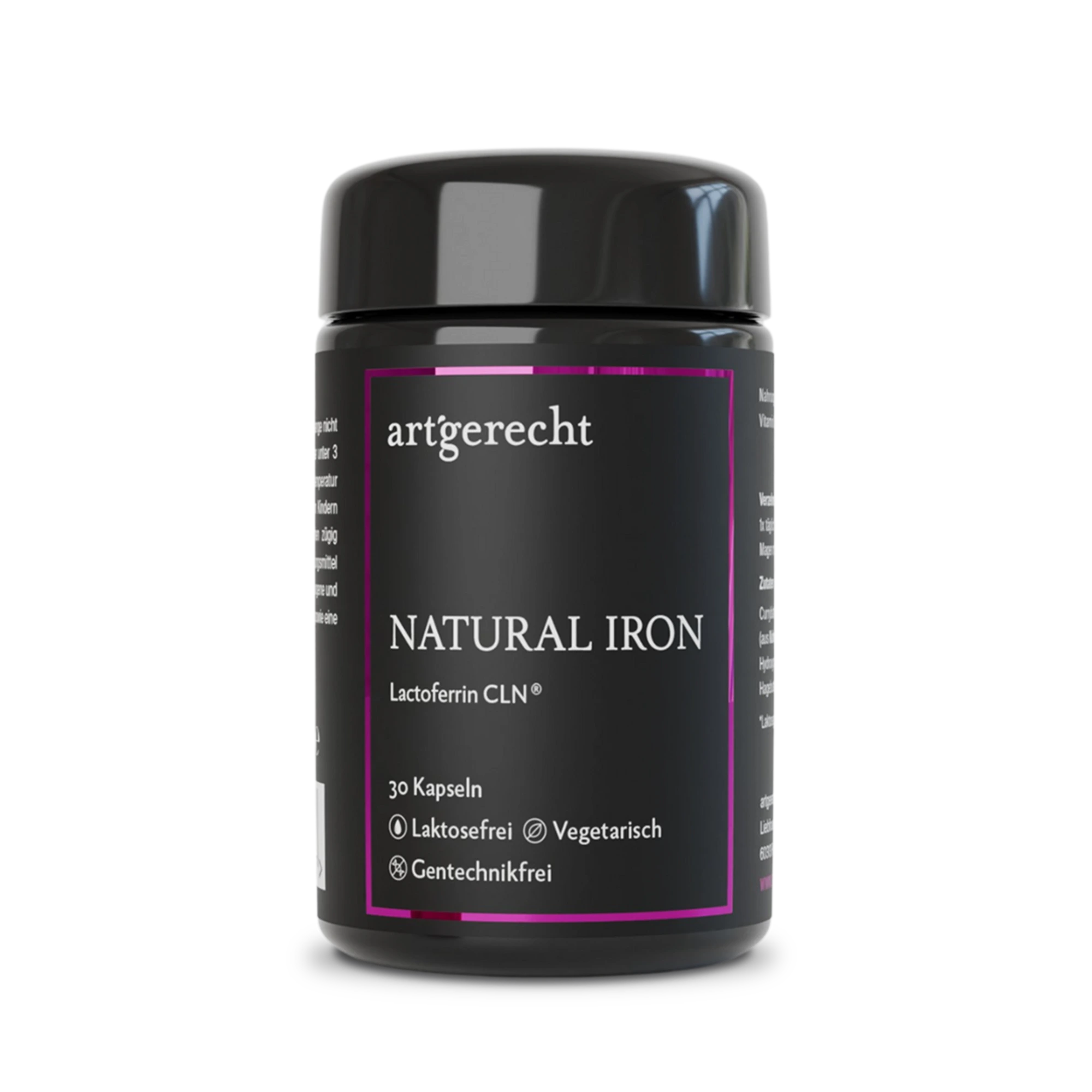
For your iron balance
Specially formulated for your iron balance with plant-based curry leaf iron, Lactoferrin CLN®, and natural Vitamin C from rose hips.
For your universal protection
As one of the most valuable proteins in the body, lactoferrin is a natural component of the immune system.
For your iron balance
Specially formulated for your iron balance with plant-based curry leaf iron, Lactoferrin CLN®, and natural Vitamin C from rose hips.
For Healthy Oral Flora & Dental Care
Formulated lozenges with Dentalac®, probiotic lactic acid bacteria, and Lactoferrin CLN®Die neusten Einträge
3 Posts in this encyclopedia categoryAlkaline Fasting
Acne Sebum
Oblongichytrium sp.
Die meistgelesenen Einträge
3 Posts in this encyclopedia categoryMagnesiumcarbonat
Cologne list
Calorie content
Verwandte Suchbegriffe: Novel Food Authorisation EU + Novel Food Authorization EU + Novel Food Approval EU + EU Novel Food Authorisation