


Alkaline Fasting – Definition, Process and Effects
Alkaline fasting is a dietary approach in which only base-forming foods are consumed to support the body's acid-base balance and overall wellbeing.
Wissenswertes über "Alkaline Fasting"
Alkaline fasting is a dietary approach in which only base-forming foods are consumed to support the body's acid-base balance and overall wellbeing.
What Is Alkaline Fasting?
Alkaline fasting is a structured dietary practice in which a person consumes only base-forming foods for a set period of time. Unlike traditional fasting, which involves significantly restricting food intake, alkaline fasting allows generous portions of vegetables, fruits, herbs, and certain whole foods. The primary goal is to reduce the burden of acid-forming metabolic byproducts and to support general health and vitality. Most alkaline fasting programs last between 7 and 14 days.
Background: The Acid-Base Balance
The human body carefully maintains blood pH levels between 7.35 and 7.45 – a slightly alkaline range. Proponents of alkaline fasting argue that a modern diet high in meat, sugar, refined flour, and processed foods generates an excess of acid-forming compounds, placing strain on the body's buffering systems. Alkaline fasting aims to counteract this by temporarily eliminating acid-forming foods from the diet.
From a medical perspective, it is important to note that healthy kidneys and lungs regulate blood pH autonomously and very effectively. However, shifting to a nutrient-rich, plant-based diet can still support the body's detoxification organs and encourage healthier eating habits overall.
Allowed and Avoided Foods
Base-Forming Foods (Allowed)
- All types of vegetables (e.g., spinach, broccoli, zucchini, carrots)
- Fresh fruits (e.g., lemons, bananas, berries, apples)
- Herbs and spices (e.g., parsley, basil, ginger)
- Almonds and certain other nuts
- Herbal teas and still mineral water
- Legumes in moderation
Acid-Forming Foods (Avoided)
- Meat, cold cuts, and fish
- Dairy products (cheese, yogurt, cream)
- Refined grain products (white bread, pasta, pastries)
- Sugar and sweets
- Coffee, alcohol, and soft drinks
- Ready-made meals and heavily processed foods
Potential Benefits and Areas of Application
Many people report improved wellbeing, increased energy, and better digestion after completing an alkaline fasting program. Potential positive effects include:
- Enhanced general vitality and sense of wellbeing
- Support for mild weight loss through a lower-calorie diet
- Encouragement of a fiber-rich, plant-based dietary pattern
- Possible relief of the digestive system
- Greater awareness of personal eating habits
How to Conduct an Alkaline Fast
A typical alkaline fasting program is divided into three phases:
1. Preparation Phase (1 to 3 Days)
Gradually reducing acid-forming foods to ease the transition and minimize withdrawal symptoms such as headaches or fatigue.
2. Fasting Phase (7 to 14 Days)
Consuming exclusively base-forming foods. Adequate hydration is essential – at least 2 liters of water or herbal tea per day. Gentle physical activity such as walking, yoga, or light stretching can complement the program.
3. Reintroduction Phase (2 to 3 Days)
Slowly reintroducing other food groups to avoid overloading the digestive system and to integrate healthier habits into everyday life.
Possible Side Effects and Risks
Alkaline fasting is generally considered well tolerated. However, the following symptoms may occur in the initial phase:
- Headaches and fatigue due to caffeine and sugar withdrawal
- Digestive changes caused by increased fiber intake
- Mild circulatory discomfort if fluid intake is insufficient
People with certain medical conditions such as kidney insufficiency, eating disorders, or those who are pregnant should consult a healthcare professional before starting an alkaline fast.
Scientific Assessment
The claim that diet can directly alter blood pH levels is not supported by scientific evidence. The body regulates this value autonomously and with great precision. Nevertheless, research consistently shows that a plant-based, vegetable-rich diet – as practiced during alkaline fasting – offers numerous health benefits, including a reduced risk of cardiovascular disease and type 2 diabetes. Alkaline fasting should therefore be understood less as a medical treatment and more as a dietary reset and mindful eating practice.
References
- Remer T, Manz F. Potential renal acid load of foods and its influence on urine pH. Journal of the American Dietetic Association. 1995;95(7):791-797.
- Schwalfenberg GK. The alkaline diet: is there evidence that an alkaline pH diet benefits health? Journal of Environmental and Public Health. 2012;2012:727630.
- World Health Organization (WHO). Healthy diet fact sheet. Geneva: WHO; 2020. Available at: https://www.who.int/news-room/fact-sheets/detail/healthy-diet
Verwandte Produkte

For Healthy Oral Flora & Dental Care
Formulated lozenges with Dentalac®, probiotic lactic acid bacteria, and Lactoferrin CLN®
For your universal protection
As one of the most valuable proteins in the body, lactoferrin is a natural component of the immune system.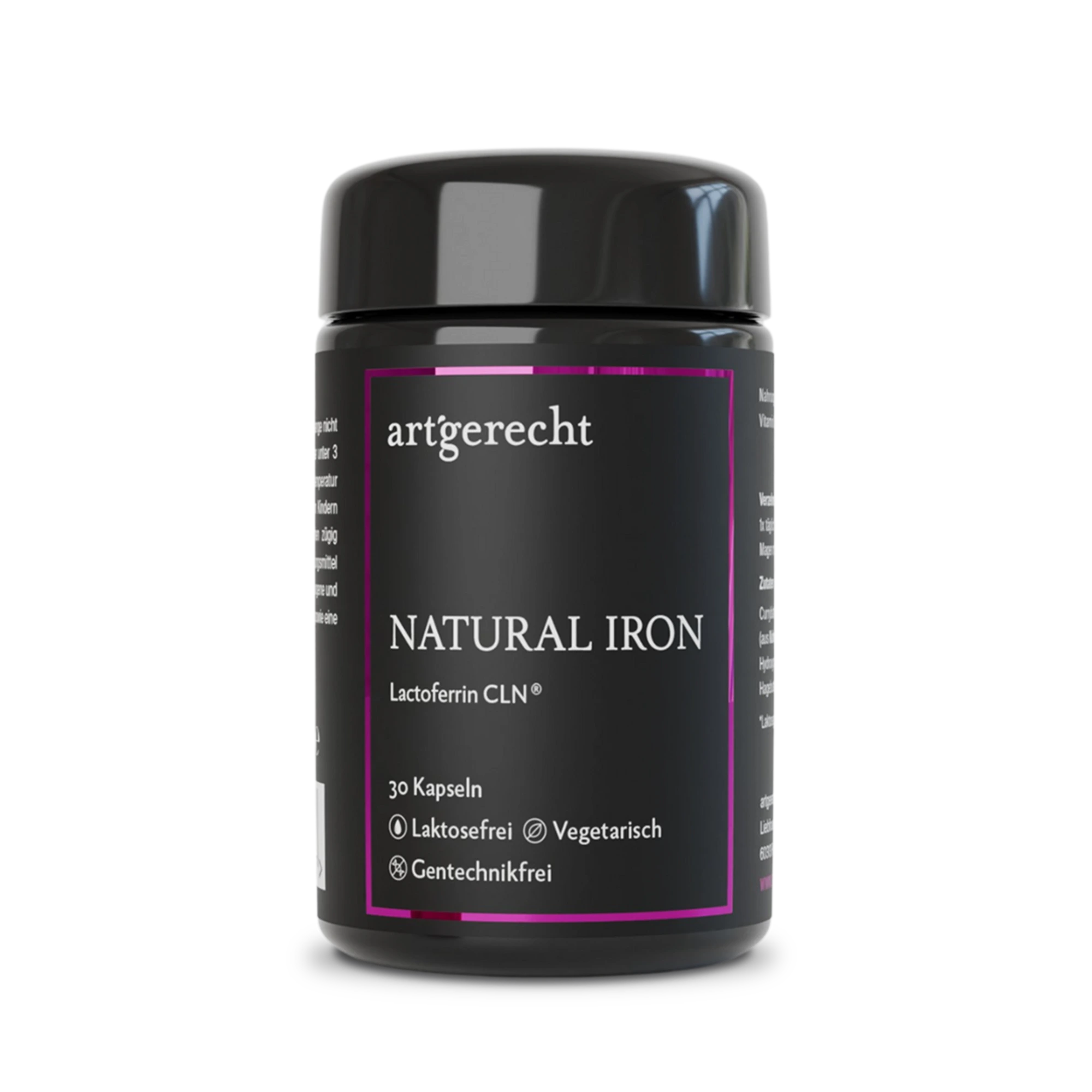
For your iron balance
Specially formulated for your iron balance with plant-based curry leaf iron, Lactoferrin CLN®, and natural Vitamin C from rose hips.

For your universal protection
As one of the most valuable proteins in the body, lactoferrin is a natural component of the immune system.
For your iron balance
Specially formulated for your iron balance with plant-based curry leaf iron, Lactoferrin CLN®, and natural Vitamin C from rose hips.
For Healthy Oral Flora & Dental Care
Formulated lozenges with Dentalac®, probiotic lactic acid bacteria, and Lactoferrin CLN®Die neusten Einträge
3 Posts in this encyclopedia categoryAlkaline Fasting
Acne Sebum
Oblongichytrium sp.
Die meistgelesenen Einträge
3 Posts in this encyclopedia categoryMagnesiumcarbonat
Cologne list
Calorie content
Verwandte Suchbegriffe: Alkaline Fasting + Alkaline Fast + Base Fasting