


Acne Sebum – Skin Oil and Acne Explained
Acne sebum refers to the role of excess skin oil production in the development of acne. Overproduction of sebum clogs pores and triggers inflammation.
Wissenswertes über "Acne Sebum"
Acne sebum refers to the role of excess skin oil production in the development of acne. Overproduction of sebum clogs pores and triggers inflammation.
What Is Acne Sebum?
Acne sebum describes the relationship between the overproduction of the skin´s natural oil — known as sebum — and the development of acne. Sebum is produced by the sebaceous glands in the skin and normally serves to keep the skin moisturized and protected. However, when too much sebum is produced, it can combine with dead skin cells, clog the hair follicles (pores), and create the conditions for acne to develop.
Causes of Excess Sebum Production
Several factors can lead to overactive sebaceous glands:
- Hormonal changes: Androgens — male sex hormones such as testosterone — strongly stimulate sebum production. This is why acne is especially common during puberty, the menstrual cycle, or hormonal disorders.
- Genetic predisposition: A family history of oily skin or acne significantly increases the risk of developing the condition.
- Diet: High-glycemic foods and dairy products have been linked to increased sebum production in some studies.
- Stress: Stress hormones such as cortisol can stimulate the activity of sebaceous glands.
- Skincare products: Comedogenic (pore-clogging) cosmetics can worsen follicular blockages.
How Does Sebum Cause Acne?
The development of acne through sebum follows a series of steps:
- The sebaceous glands produce an excess of sebum.
- Sebum mixes with dead skin cells and blocks the hair follicle — forming a comedone (blackhead or whitehead).
- The bacterium Cutibacterium acnes (formerly Propionibacterium acnes) multiplies within the sebum plug, triggering an inflammatory response.
- This results in papules, pustules, nodules, or cysts — the hallmark lesions of acne.
Symptoms
Depending on severity, acne caused by excess sebum may present as:
- Open and closed comedones (blackheads and whiteheads)
- Red, inflamed papules and pustules
- Painful nodules and cysts in severe cases
- Oily, shiny skin due to excessive sebum secretion
- Scarring following the resolution of deep inflammatory lesions
Diagnosis
Acne is typically diagnosed through a dermatological examination. The dermatologist assesses the type, number, and distribution of skin lesions, as well as overall skin condition. If a hormonal cause is suspected, blood tests to measure hormone levels may be ordered.
Treatment
Treatment depends on the severity of acne and aims to reduce sebum production, control bacterial growth, and suppress inflammation:
Topical (Local) Treatment
- Retinoids (e.g., tretinoin, adapalene): Normalize skin cell turnover and prevent follicular plugging.
- Benzoyl peroxide: Has antibacterial properties and helps break down sebum plugs.
- Topical antibiotics (e.g., clindamycin): Reduce colonization of Cutibacterium acnes.
Systemic Treatment
- Oral antibiotics (e.g., doxycycline): Used for moderate to severe inflammatory acne.
- Isotretinoin: An oral retinoid that dramatically reduces sebaceous gland size and sebum output — considered the most effective treatment for severe acne.
- Hormonal therapy (e.g., anti-androgens, hormonal contraceptives): Effective for women with hormonally driven acne.
Skincare and Prevention
- Gentle cleansing with non-comedogenic products
- Avoiding harsh scrubs that may stimulate sebum production
- Stress management and a balanced diet
References
- Zouboulis CC et al. - Acne vulgaris. Nature Reviews Disease Primers, 2022. Available via PubMed.
- Tan JKL, Bhate K. - A global perspective on the epidemiology of acne. British Journal of Dermatology, 2015.
- Zaenglein AL et al. - Guidelines of care for the management of acne vulgaris. Journal of the American Academy of Dermatology, 2016.
Verwandte Produkte
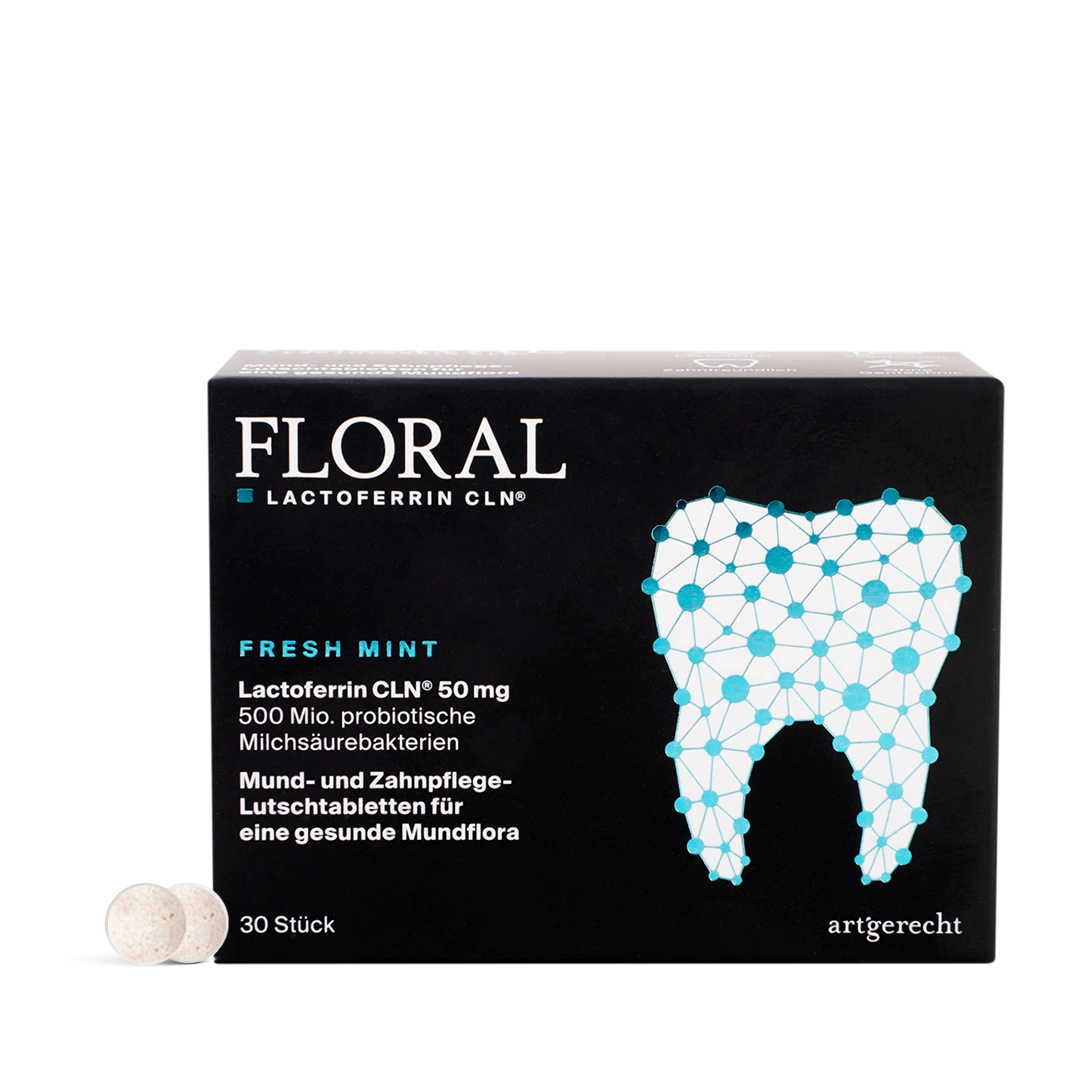
For Healthy Oral Flora & Dental Care
Formulated lozenges with Dentalac®, probiotic lactic acid bacteria, and Lactoferrin CLN®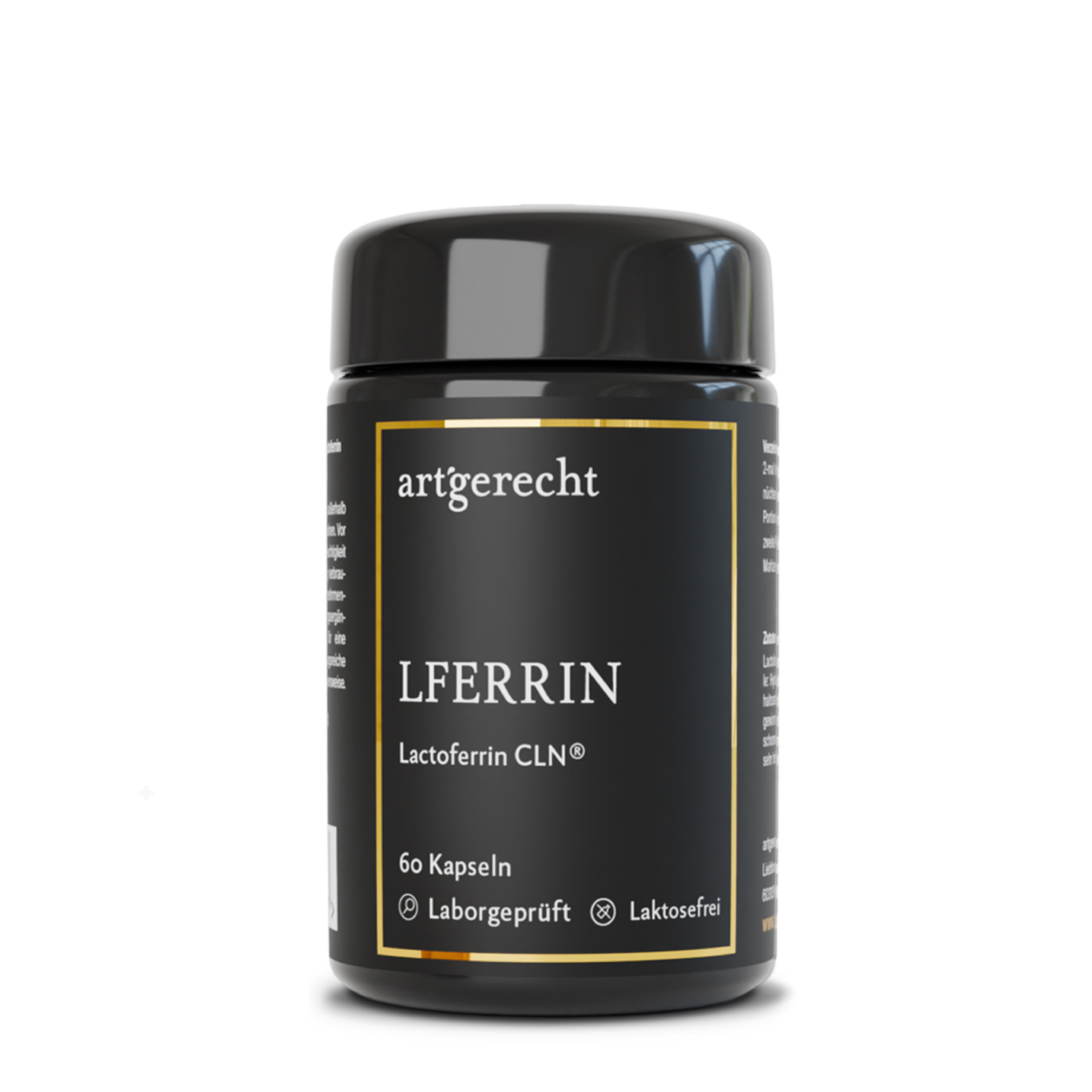
For your universal protection
As one of the most valuable proteins in the body, lactoferrin is a natural component of the immune system.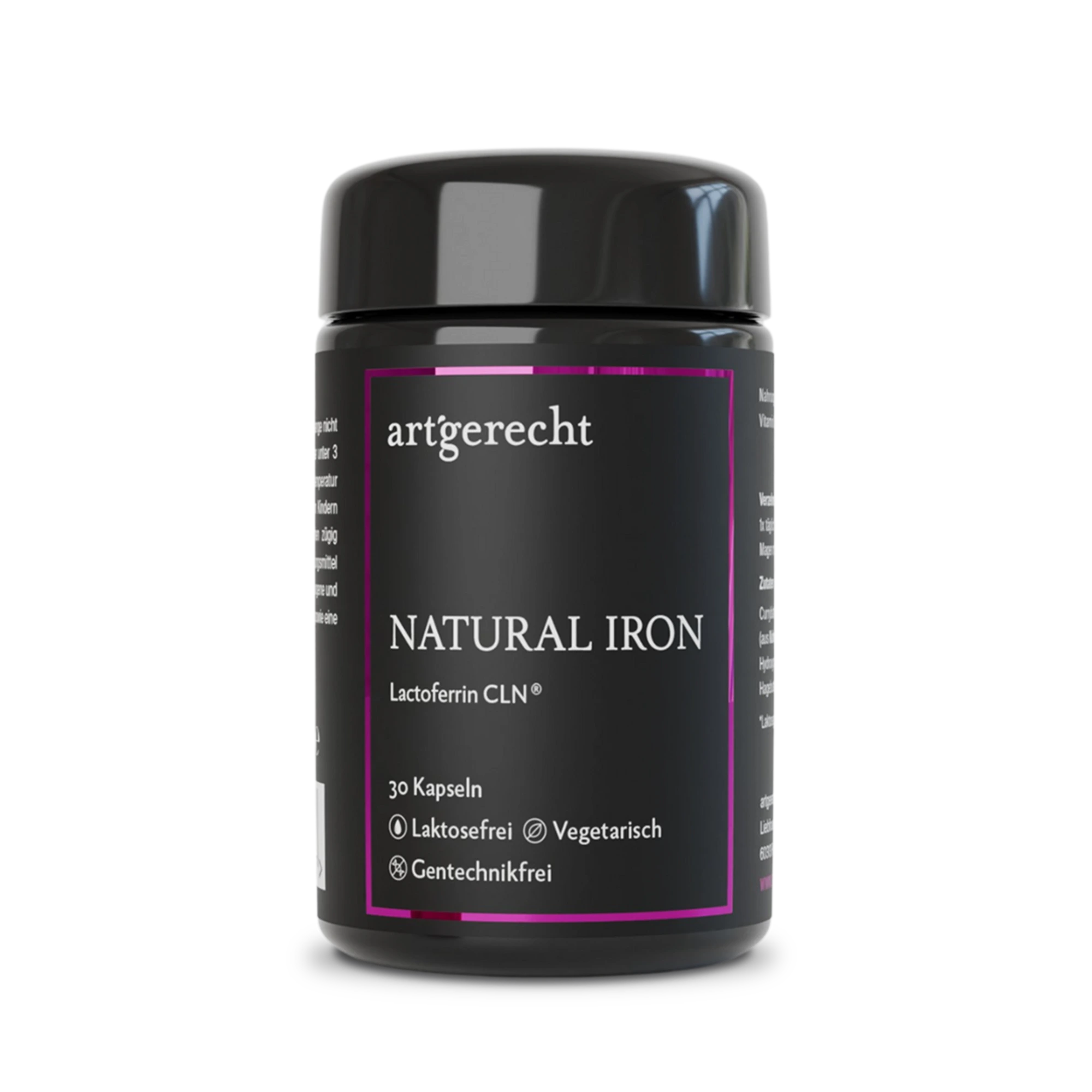
For your iron balance
Specially formulated for your iron balance with plant-based curry leaf iron, Lactoferrin CLN®, and natural Vitamin C from rose hips.
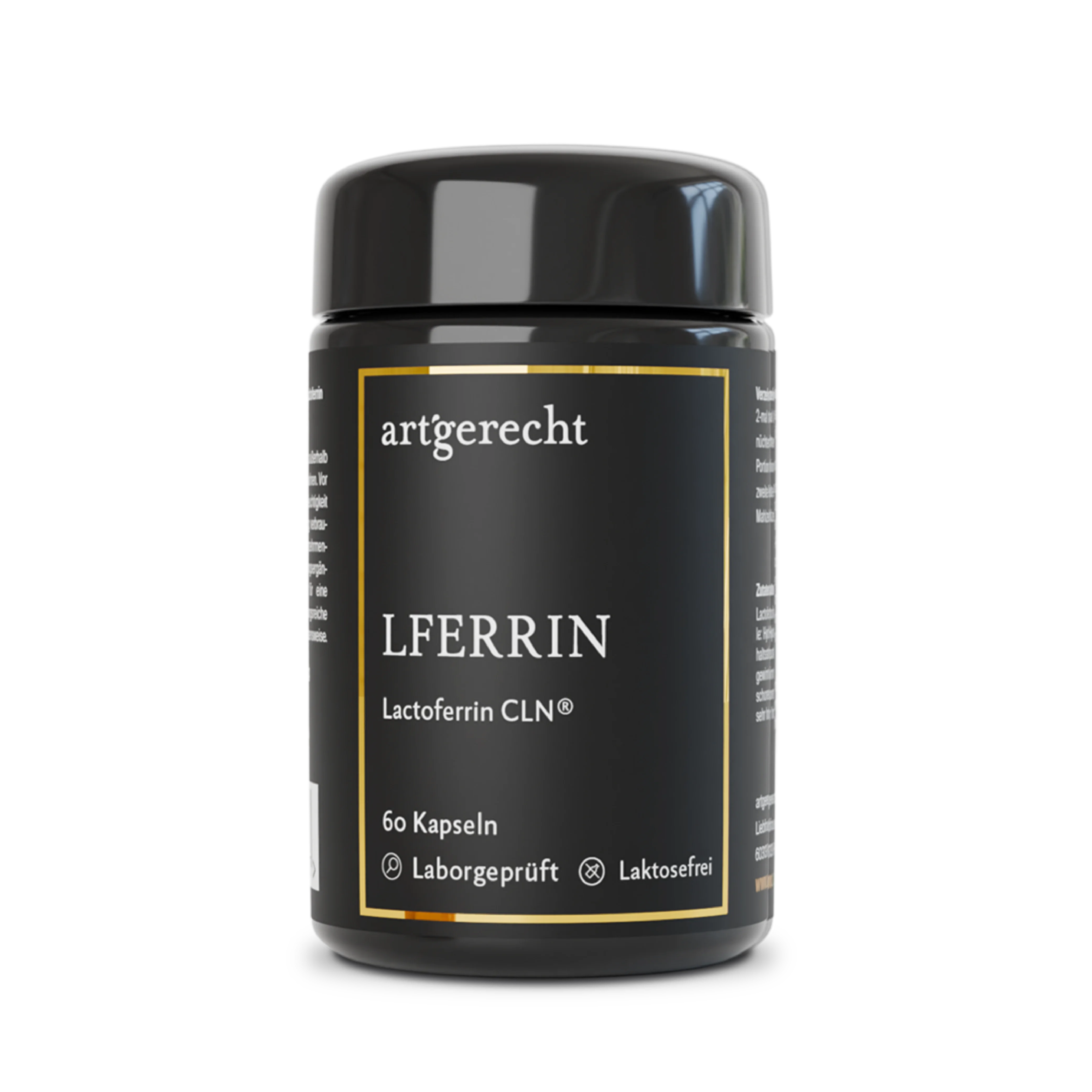
For your universal protection
As one of the most valuable proteins in the body, lactoferrin is a natural component of the immune system.
For your iron balance
Specially formulated for your iron balance with plant-based curry leaf iron, Lactoferrin CLN®, and natural Vitamin C from rose hips.
For Healthy Oral Flora & Dental Care
Formulated lozenges with Dentalac®, probiotic lactic acid bacteria, and Lactoferrin CLN®Die neusten Einträge
3 Posts in this encyclopedia categoryAmitriptyline
Shortness of Breath
Difficulty Concentrating
Die meistgelesenen Einträge
3 Posts in this encyclopedia categoryMagnesiumcarbonat
Cologne list
Calorie content
Verwandte Suchbegriffe: Acne Sebum + Acne-Sebum + AcneSebum