


E161b (Lutein) – Food Colouring Agent Explained
E161b is a natural yellow-to-orange food colouring agent (lutein) used in a wide range of food products and considered safe for consumption.
Wissenswertes über "E161b"
E161b is a natural yellow-to-orange food colouring agent (lutein) used in a wide range of food products and considered safe for consumption.
What is E161b?
E161b is the European approval number for the food colouring agent lutein. Lutein is a naturally occurring carotenoid known for its characteristic yellow to orange-red colour. It is primarily extracted from marigold flowers (Tagetes erecta) but is also found in green leafy vegetables such as spinach and kale. In the food industry, E161b is used to give products an appealing colour.
Origin and Production
Lutein (E161b) is a fat-soluble pigment belonging to the xanthophyll subgroup of carotenoids. It occurs naturally in many plants and is industrially produced mainly by extraction from marigold flowers. The pigment is often present in esterified form and is converted to its free form through saponification.
Use in Food Products
E161b is used as a colouring agent in a wide variety of food products, including:
- Baked goods and pastries
- Margarine and fat-based spreads
- Pasta and noodles
- Confectionery and sweets
- Beverages
- Sauces and dressings
- Animal feed (particularly for colouring egg yolks and poultry skin)
Within the European Union, E161b is authorised under Regulation (EC) No 1333/2008 on food additives. The permitted maximum levels vary depending on the food category.
Health Aspects and Safety
Lutein is regarded both as a food colouring agent and as a naturally occurring nutritional pigment. The European Food Safety Authority (EFSA) has assessed lutein as a food additive and classified it as safe when used within the established maximum levels. No specific ADI (Acceptable Daily Intake) value has been set for E161b, as there is no evidence of harm at normal dietary intake levels.
Furthermore, lutein is extensively researched in nutritional science and ophthalmology. As a natural carotenoid, it is associated with a potentially protective effect on the retina of the eye, particularly with regard to age-related macular degeneration (AMD).
Labelling Requirements
Food products containing E161b must declare this additive in the list of ingredients, either under its name lutein or under the E-number E161b. This labelling requirement applies in all EU member states and is designed to provide transparent information to consumers.
Difference from Synthetic Colourings
Unlike many synthetic food dyes, E161b is derived from natural sources. It is not subject to the so-called Southampton labelling requirement, which applies to certain synthetic azo dyes and warns of possible effects on the activity and attention of children. E161b is generally considered to be well tolerated.
References
- European Food Safety Authority (EFSA): Re-evaluation of lutein (E 161b) as a food additive. EFSA Journal, 2020.
- European Parliament and Council of the EU: Regulation (EC) No 1333/2008 on food additives. Official Journal of the European Union, 2008.
- Bernstein, P.S. et al.: Lutein, zeaxanthin, and meso-zeaxanthin: The basic and clinical science underlying carotenoid-based nutritional interventions against ocular disease. Progress in Retinal and Eye Research, 2016.
Verwandte Produkte
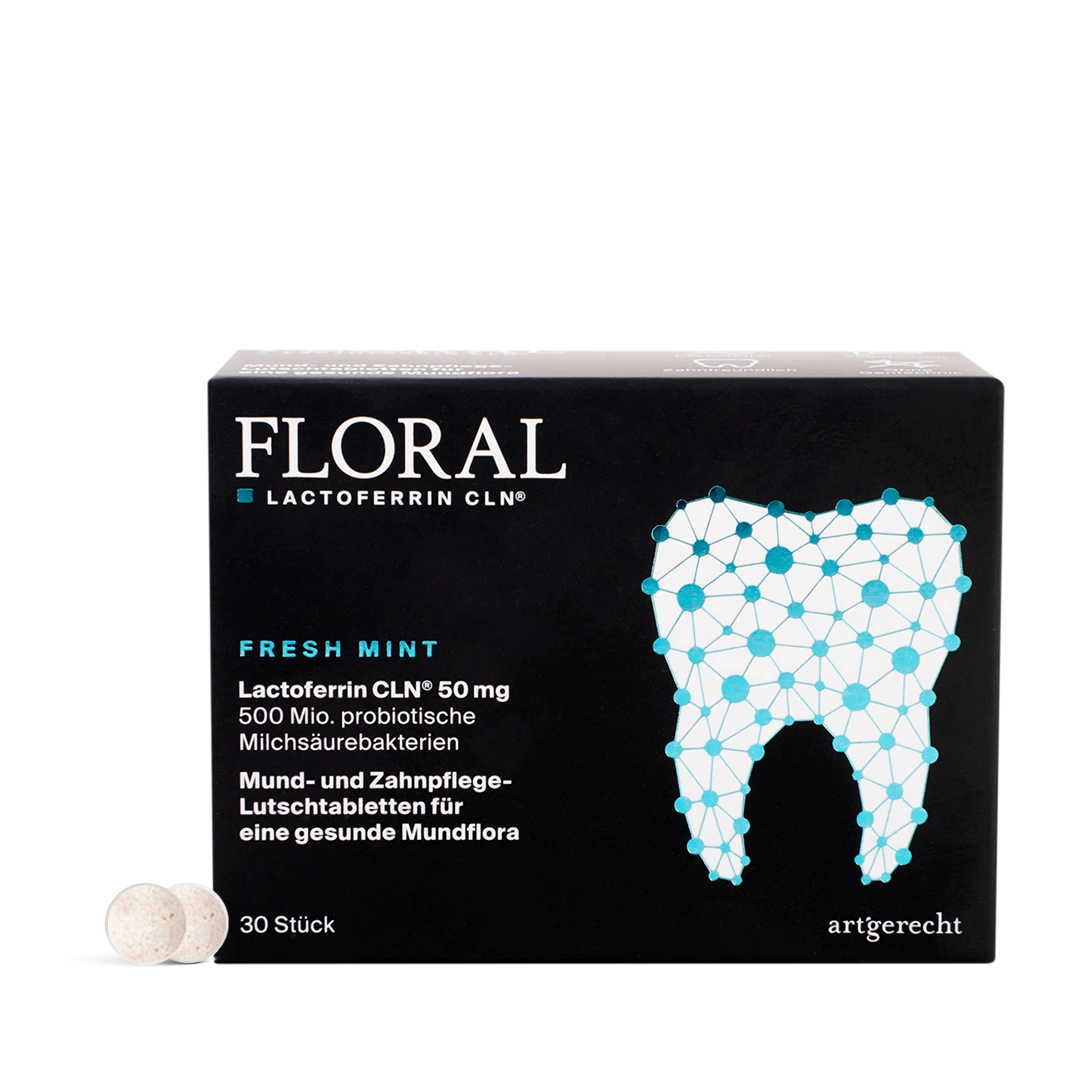
For Healthy Oral Flora & Dental Care
Formulated lozenges with Dentalac®, probiotic lactic acid bacteria, and Lactoferrin CLN®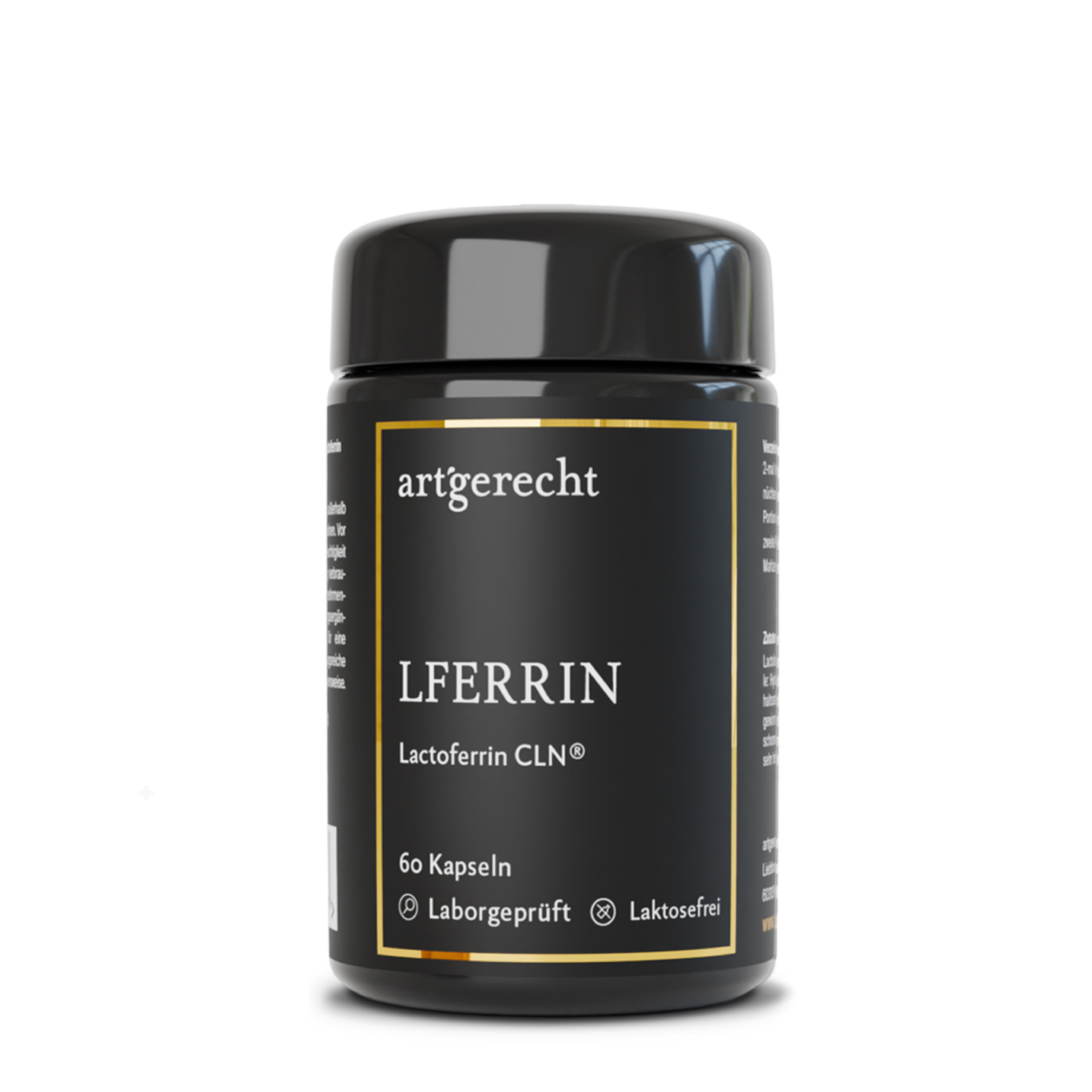
For your universal protection
As one of the most valuable proteins in the body, lactoferrin is a natural component of the immune system.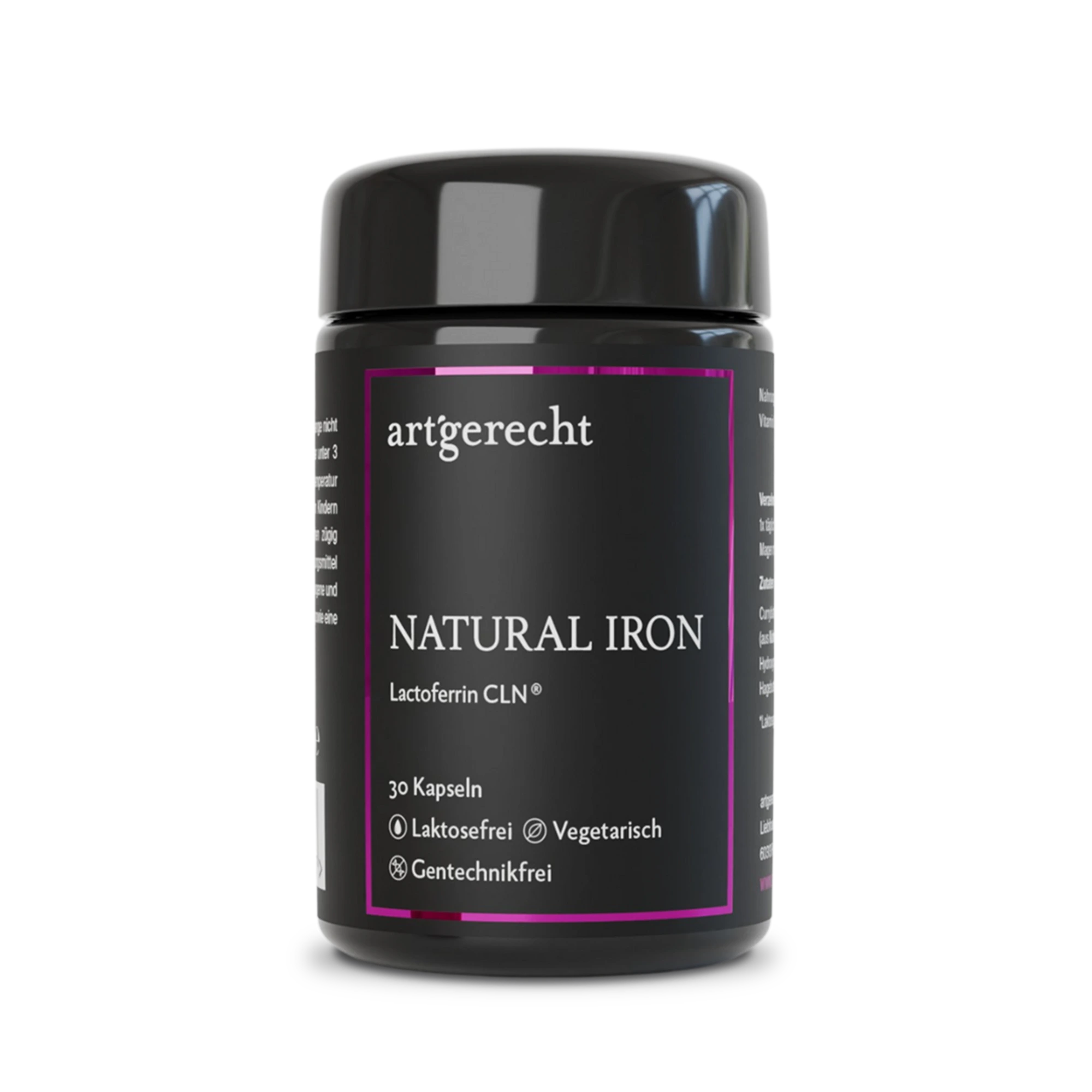
For your iron balance
Specially formulated for your iron balance with plant-based curry leaf iron, Lactoferrin CLN®, and natural Vitamin C from rose hips.
Best-selling products
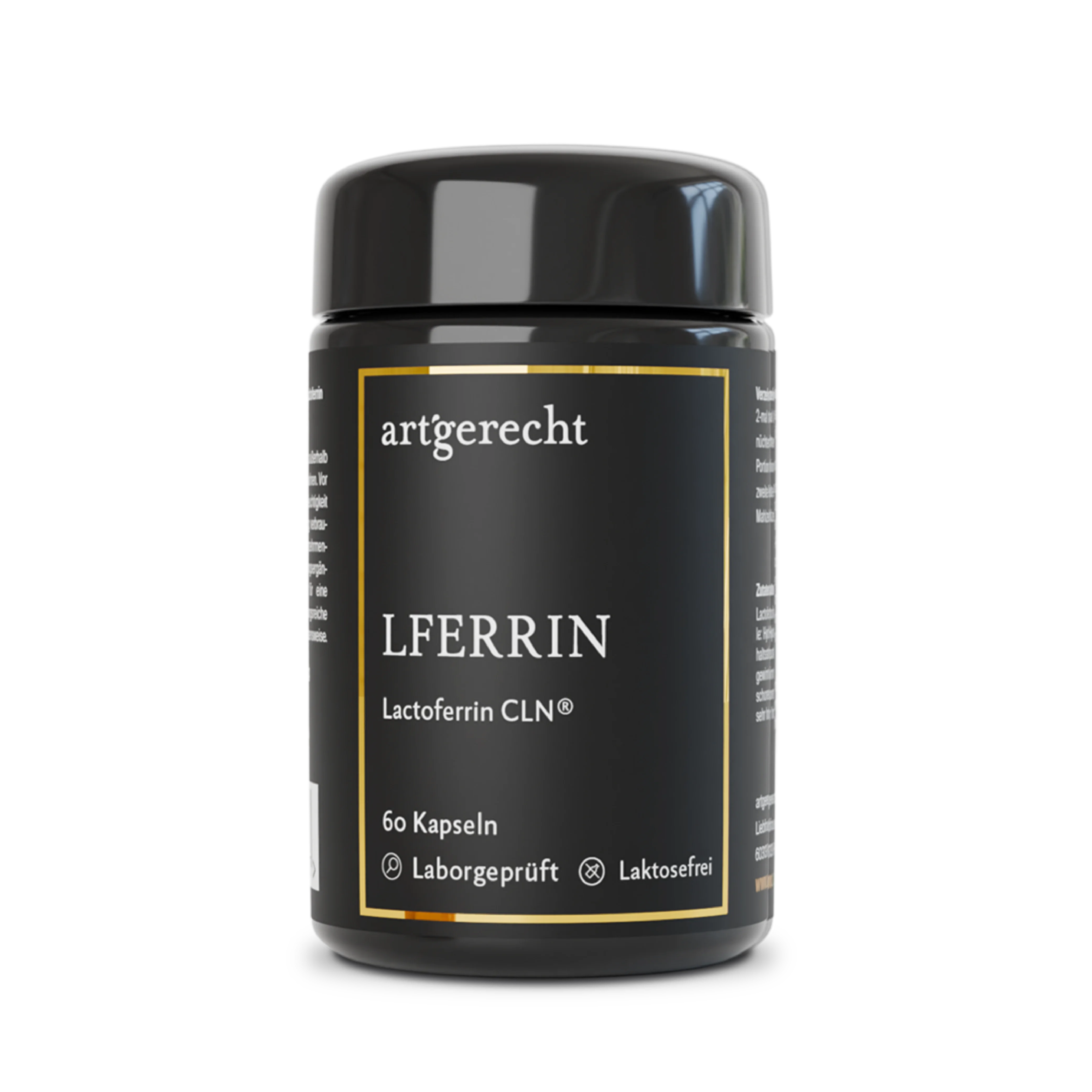
For your universal protection
As one of the most valuable proteins in the body, lactoferrin is a natural component of the immune system.
For your iron balance
Specially formulated for your iron balance with plant-based curry leaf iron, Lactoferrin CLN®, and natural Vitamin C from rose hips.
For Healthy Oral Flora & Dental Care
Formulated lozenges with Dentalac®, probiotic lactic acid bacteria, and Lactoferrin CLN®The latest entries
3 Posts in this encyclopedia categorySalbutamol
Most read entries
3 Posts in this encyclopedia categoryMagnesiumcarbonat
Cologne list
Calorie content
Related search terms: E161b + E 161b + E161 b