


E150c – Ammonia Sulphite Caramel Colour Explained
E150c is an approved food colouring agent known as ammonia sulphite caramel. It is produced by heating sugars with ammonium and sulphite compounds, giving foods a characteristic brown colour.
Wissenswertes über "E150c"
E150c is an approved food colouring agent known as ammonia sulphite caramel. It is produced by heating sugars with ammonium and sulphite compounds, giving foods a characteristic brown colour.
What is E150c?
E150c, also referred to as ammonia sulphite caramel or caramel colour class III, is a heat-processed food colouring agent belonging to the caramel colour family. It is produced by the controlled heating of carbohydrates -- typically sucrose, glucose, or fructose -- in the presence of both ammonium and sulphite compounds. The result is a dark brown to black colouring substance that is widely used in the food and beverage industry.
Production
E150c is manufactured through a high-temperature caramelisation process involving ammonium compounds (such as ammonium carbonate) and sulphite compounds (such as sodium sulphite). This distinguishes it from the other caramel colour classes: E150a (plain caramel), E150b (caustic sulphite caramel), and E150d (sulphite ammonia caramel). The combination of both ammonium and sulphite reagents in the production of E150c results in a specific pigment profile and functional properties.
Uses in Food and Beverages
E150c is used as a colouring agent in a broad range of food products to achieve an appealing brown or golden-brown appearance. Common applications include:
- Beer and malt-based beverages
- Vinegar and sauces
- Baked goods and bread
- Meat products and marinades
- Jams and fruit spreads
- Seasonings and condiments
Safety and Regulatory Status
E150c is authorised for use in the European Union under Regulation (EC) No 1333/2008 on food additives. The European Food Safety Authority (EFSA) has conducted multiple safety evaluations of caramel colours, including E150c. In its 2011 scientific opinion and subsequent reviews, EFSA concluded that E150c is safe for consumption at typical dietary intake levels.
A notable aspect of E150c production is the potential formation of 4-methylimidazole (4-MEI) and 2-acetyl-4-tetrahydroxybutylimidazole (THI). THI has been associated with immunological effects in animal studies; however, EFSA determined that human exposure levels remain well below toxicologically relevant thresholds.
Labelling Requirements
In the European Union, E150c must be declared on food labels either as E150c or as caramel colour (ammonia sulphite process). Consumers who wish to avoid specific additives are advised to carefully check the ingredient list of packaged products.
Tolerability and Allergy Considerations
Although E150c is derived from sugar, the final product contains negligible residual sugar and is generally well tolerated. However, because sulphite compounds are used during production, E150c may contain trace amounts of sulphite residues. Individuals with known sulphite sensitivity or intolerance should be aware of this and consult a healthcare professional if uncertain.
References
- European Food Safety Authority (EFSA): Scientific Opinion on the re-evaluation of caramel colours (E 150 a, b, c, d) as food additives. EFSA Journal 2011;9(3):2004. Available at: https://efsa.onlinelibrary.wiley.com/doi/10.2903/j.efsa.2011.2004
- European Commission: Regulation (EC) No 1333/2008 of the European Parliament and of the Council on food additives. Official Journal of the European Union, 2008.
- Joint FAO/WHO Expert Committee on Food Additives (JECFA): Caramel colours. Safety evaluation. WHO Food Additives Series, No. 20. Geneva: WHO, 1986.
Verwandte Produkte
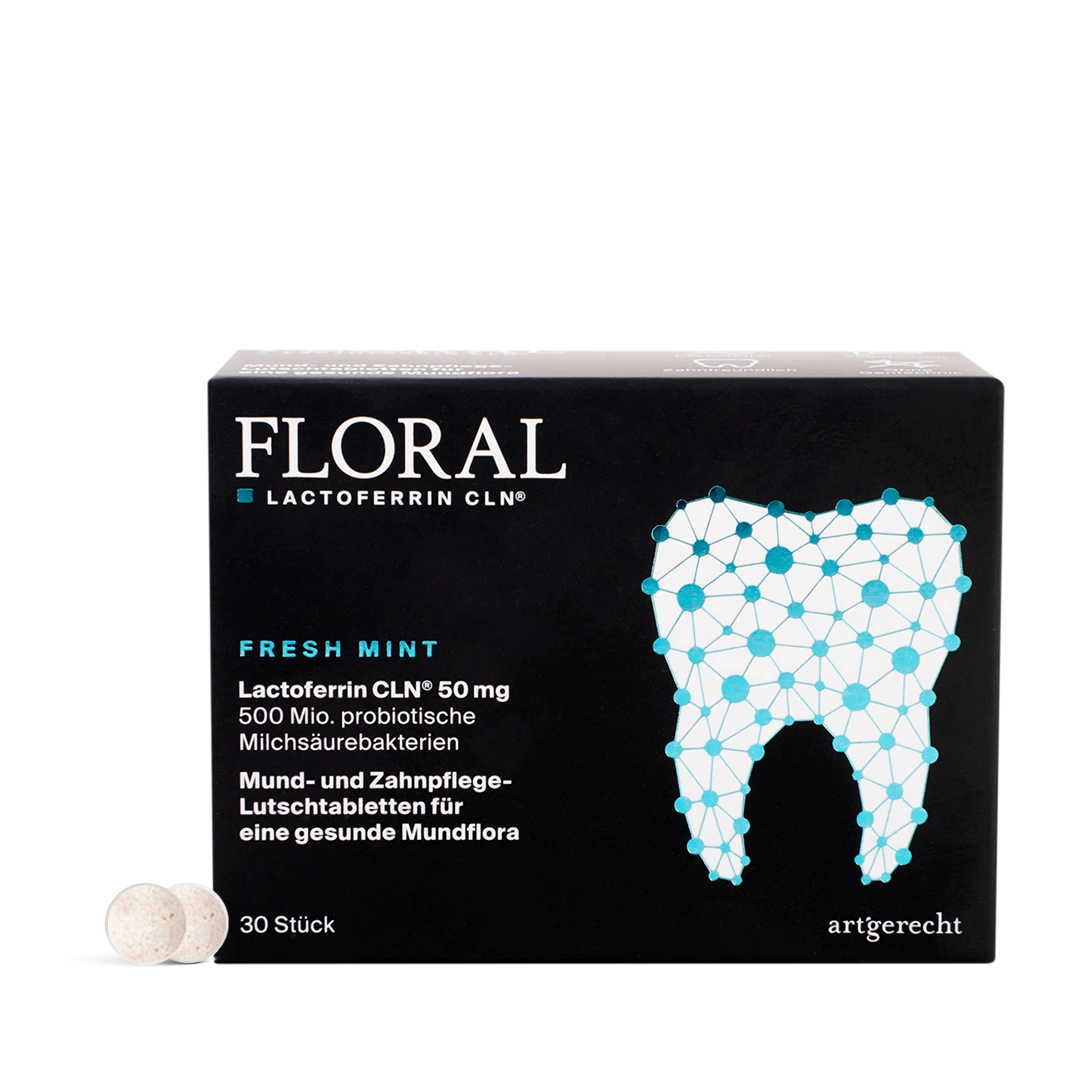
For Healthy Oral Flora & Dental Care
Formulated lozenges with Dentalac®, probiotic lactic acid bacteria, and Lactoferrin CLN®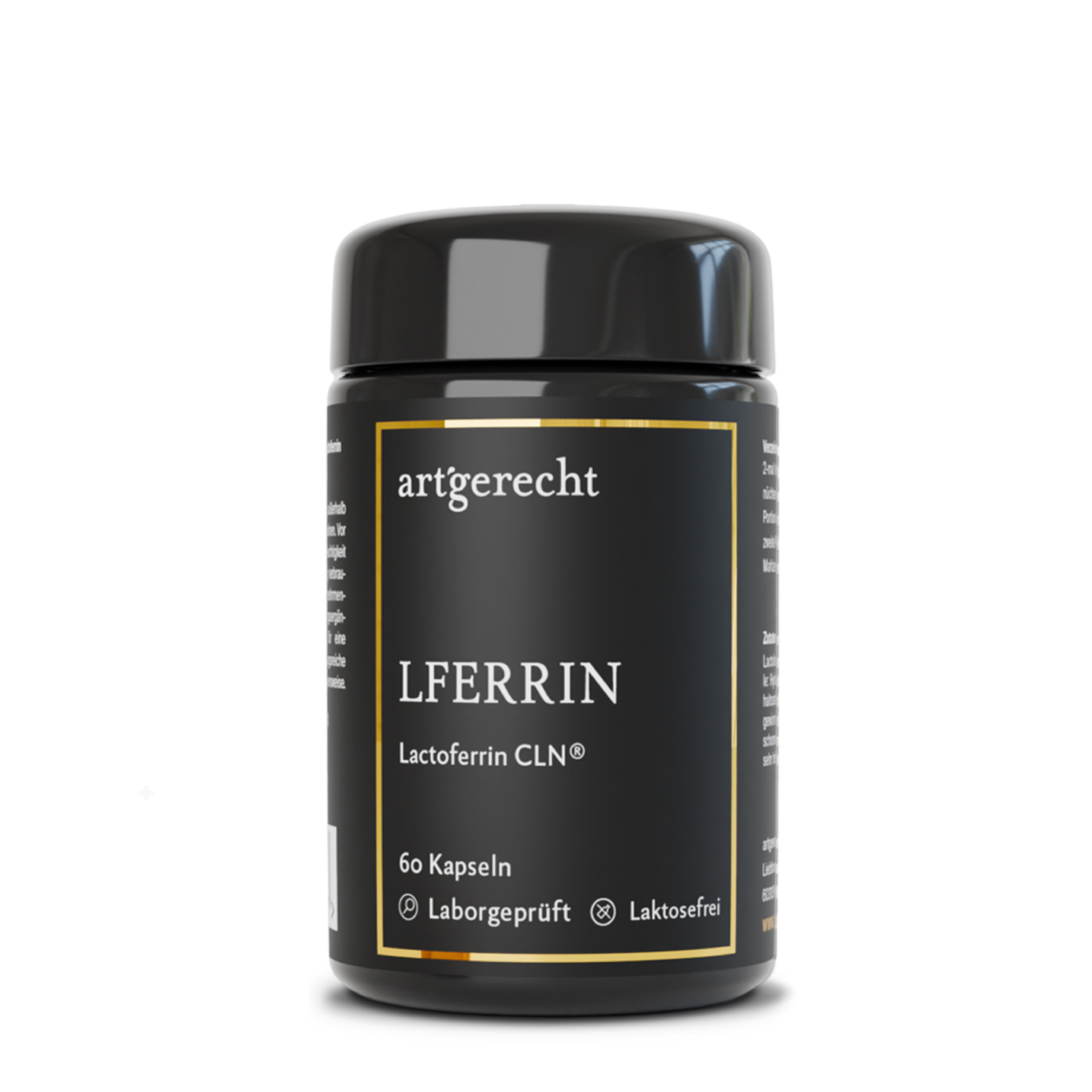
For your universal protection
As one of the most valuable proteins in the body, lactoferrin is a natural component of the immune system.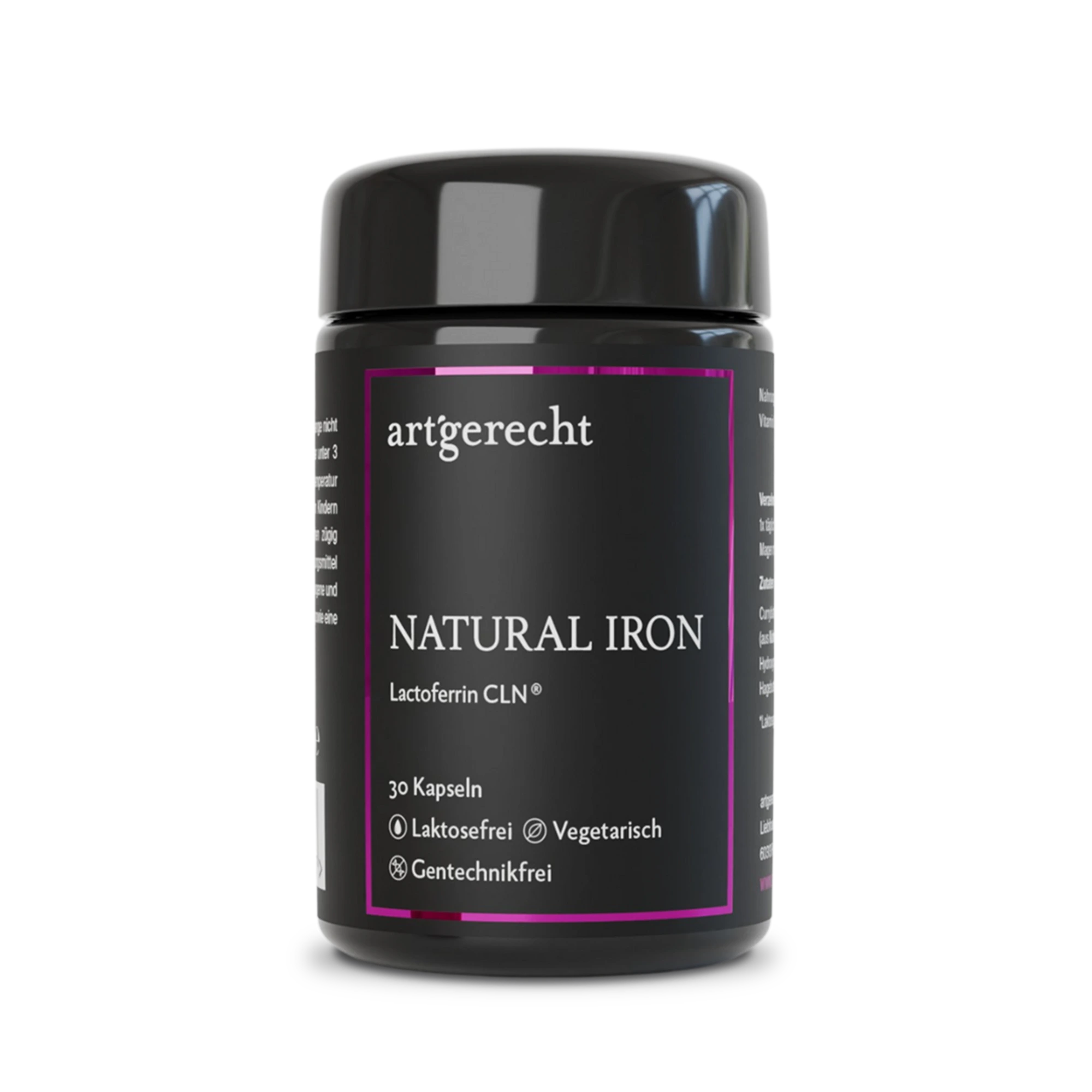
For your iron balance
Specially formulated for your iron balance with plant-based curry leaf iron, Lactoferrin CLN®, and natural Vitamin C from rose hips.
Best-selling products
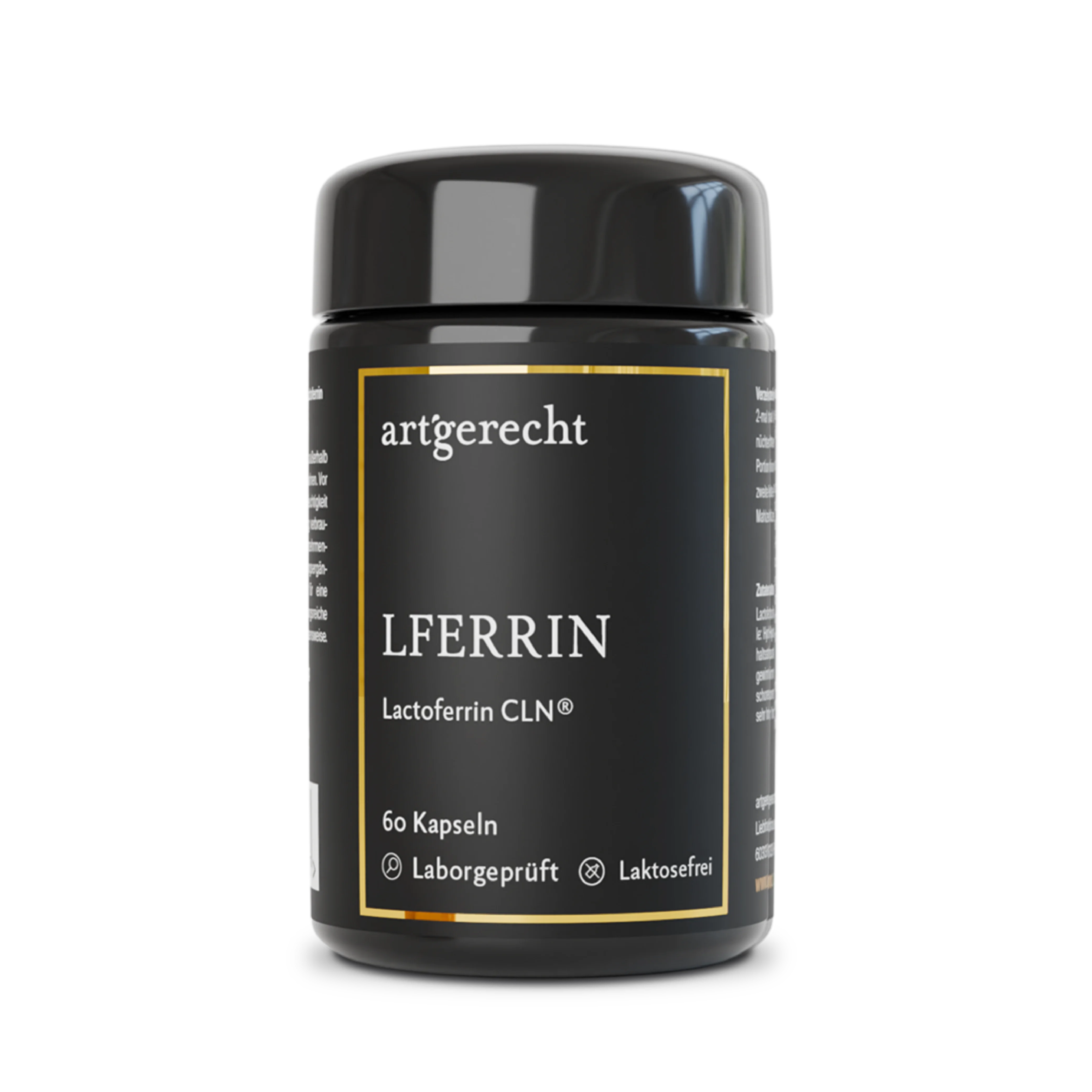
For your universal protection
As one of the most valuable proteins in the body, lactoferrin is a natural component of the immune system.
For your iron balance
Specially formulated for your iron balance with plant-based curry leaf iron, Lactoferrin CLN®, and natural Vitamin C from rose hips.
For Healthy Oral Flora & Dental Care
Formulated lozenges with Dentalac®, probiotic lactic acid bacteria, and Lactoferrin CLN®The latest entries
3 Posts in this encyclopedia categorySalbutamol
Most read entries
3 Posts in this encyclopedia categoryMagnesiumcarbonat
Cologne list
Calorie content
Related search terms: E150c + Ammonia Sulphite Caramel + Ammonium Sulphite Caramel Colour