


Hormonal acne - causes, symptoms & natural help
Hormonal acne is caused by internal imbalances. Find out how to recognise them, what really helps - and why lactoferrin can provide anti-inflammatory support.
Wissenswertes über "Hormonal acne"
Hormonal acne is caused by internal imbalances. Find out how to recognise it, what really helps - and why lactoferrin can provide anti-inflammatory support.
Hormonal acne: When the hormonal balance throws the skin out of sync
Hormonal acne is a special form of blemished skin that is mainly triggered or exacerbated by fluctuations in hormone levels. It often affects women in phases of hormonal changes - for example during puberty, the menstrual cycle, after stopping hormonal contraception, during pregnancy or during the menopause. Deep-seated, inflamed pimples are typical, especially in the lower third of the face (chin, jawline, neck) and recurring blemishes just before your period.
The cause is usually an imbalance between androgens (e.g. testosterone) and oestrogens. Increased androgen levels stimulate sebum production, lead to keratinisation of the pores and promote the growth of Cutibacterium acnes - a bacterium that favours inflammatory processes in the skin. The premenstrual drop in oestrogen or impaired insulin and cortisol regulation can also exacerbate hormonally induced acne. Hormonal acne is therefore not just a skin problem, but often an expression of systemic imbalances.
Therapy for hormonal acne works on several levels: In addition to anti-inflammatory skin care (e.g. with salicylic acid, niacinamide or zinc), diet, stress management, exercise and sleep also play a key role. Certain foods - especially sugar, dairy products and highly processed fats - can also promote hormonal inflammatory processes. From a holistic perspective, the gut-skin-hormone axis also comes into focus: a disturbed microbiome can have a negative impact on hormonal balance and intensify inflammatory processes.This also highlights the benefits of functional substances such as lactoferrin, which is valued for its antibacterial, anti-inflammatory and hormone-modulating effects. Studies suggest that lactoferrin can both inhibit the growth of acne-promoting bacteria and reduce the systemic inflammatory burden - providing gentle, natural support, especially for hormone-induced acne.
Literature references:- Kim, J. (2005). Review of the innate immune response in acne vulgaris: Activation of Toll-like receptor 2 in acne triggers inflammatory cytokine responses. Journal of Investigative Dermatology, 125(1), 1-13.
- Fabbrocini, G. et al (2010). Acne vulgaris: Pathogenesis and treatment. Dermatology, 4(1), 85-92.
- Kawakami, T. et al (2015). Effects of oral administration of lactoferrin on skin condition in healthy women: A randomised, double-blind, placebo-controlled study. The Journal of Clinical Biochemistry and Nutrition, 56(3), 190-195.
Verwandte Produkte

For your universal protection
As one of the most valuable proteins in the body, lactoferrin is a natural component of the immune system.
For your iron balance
Specially formulated for your iron balance with plant-based curry leaf iron, Lactoferrin CLN®, and natural Vitamin C from rose hips.
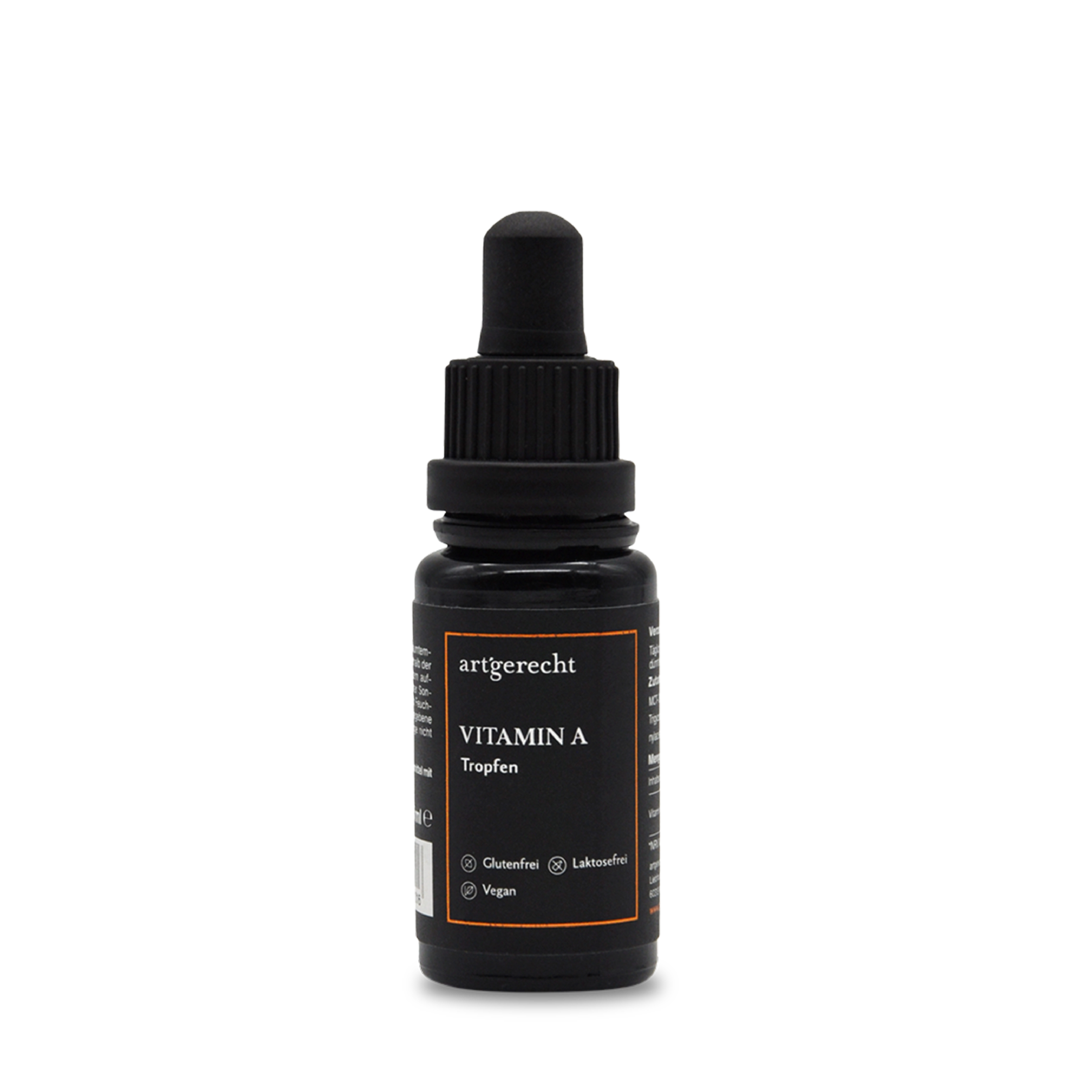
Essential Vitamin for Eyes, Skin, and Immune System
High-Dose Support for Cells & Immune Defense
Best-selling products

For your universal protection
As one of the most valuable proteins in the body, lactoferrin is a natural component of the immune system.
For your iron balance
Specially formulated for your iron balance with plant-based curry leaf iron, Lactoferrin CLN®, and natural Vitamin C from rose hips.

For Healthy Oral Flora & Dental Care
Formulated lozenges with Dentalac®, probiotic lactic acid bacteria, and Lactoferrin CLN®The latest entries
3 Posts in this encyclopedia categoryBile Acid Status
Osteoporosis Therapy
Urinary Protein
Most read entries
3 Posts in this encyclopedia categoryMagnesiumcarbonat
Cologne list
Calorie content
Related search terms: Hormonal acne