


Baby Bottle – Materials, Hygiene and Tips
A baby bottle is a container used to feed infants with breast milk or infant formula. It consists of a bottle, a teat, and a sealing ring.
Wissenswertes über "Baby Bottle"
A baby bottle is a container used to feed infants with breast milk or infant formula. It consists of a bottle, a teat, and a sealing ring.
What Is a Baby Bottle?
A baby bottle is a specially designed container used to feed infants and young children. It is used to administer breast milk, expressed breast milk, or commercially prepared infant formula. A baby bottle typically consists of three components: the bottle body, a teat (also called a nipple or feeding teat), and a locking ring that connects the teat to the bottle.
Materials and Types
Baby bottles are available in a variety of materials, each with its own advantages and disadvantages:
- Plastic: Lightweight and shatter-resistant. It is important to ensure the bottle is BPA-free (free of Bisphenol A), as BPA is a hormonally active substance that can be harmful to infants. BPA has been banned in baby bottles in the European Union since 2011.
- Glass: Hygienic, durable, and free from harmful chemicals. Glass does not leach any compounds into the contents. The main drawbacks are its weight and fragility compared to plastic.
- Stainless Steel: Robust, long-lasting, and free from harmful substances. Less common but a safe alternative to plastic.
- Polypropylene (PP) or Tritan: Modern BPA-free plastics that are widely used as safe alternatives in contemporary baby bottles.
Teats and Flow Rates
The feeding teat is a central component of the baby bottle. It is usually made from silicone or latex. Teats differ in:
- Shape: round (classic) or anatomically shaped (orthodontic)
- Flow rate: slow (for newborns), medium (for older infants), or fast (for toddlers from around 6 months)
- Number of holes: One hole produces a slow flow, while multiple holes produce a faster flow
Choosing the correct flow rate is essential to prevent choking, excessive air ingestion, and associated gas or colic in the infant.
Hygiene and Sterilisation
Maintaining proper hygiene when using baby bottles is critically important, as an infant's immune system is not yet fully developed. Recommended practices include:
- Thoroughly washing bottles and teats with hot water and dish soap after every use
- Regular sterilisation by boiling, using an electric or microwave steam steriliser, or chemical sterilising solutions
- Regularly inspecting teats for cracks or discolouration and replacing them as needed
- Not leaving prepared infant formula at room temperature for more than 2 hours
Preparation and Storage of Infant Formula
When preparing infant formula, the following guidelines should be observed:
- Wash hands thoroughly before preparation
- Use only freshly boiled or filtered water with a nitrate content below 10 mg/l
- Follow the manufacturer's dosage instructions precisely
- Use prepared formula immediately or store in the refrigerator for a maximum of 24 hours
- Test the temperature of the formula before feeding (approximately 37 °C, body-warm)
Baby Bottles and Breastfeeding
When a mother both breastfeeds and uses a baby bottle (known as combination feeding), some infants may experience nipple confusion. The infant may become accustomed to the easier flow from the bottle and show less interest in the breast. To minimise this, lactation consultants and paediatricians recommend waiting until breastfeeding is well established before introducing a bottle, and choosing teats that mimic the sucking motion at the breast.
When Should You Wean from the Bottle?
The World Health Organization (WHO) and paediatric associations recommend transitioning to a cup or sippy cup by 12 to 18 months of age at the latest. Prolonged use of a baby bottle has been associated with an increased risk of tooth decay (dental caries) and dental misalignment, especially when the infant falls asleep with the bottle or receives sugary drinks.
References
- World Health Organization (WHO): Infant and young child feeding. Geneva, 2023. Available at: https://www.who.int/news-room/fact-sheets/detail/infant-and-young-child-feeding
- American Academy of Pediatrics (AAP): Infant Food and Feeding. 2022. Available at: https://www.aap.org/en/patient-care/healthy-active-living-for-families/infant-food-and-feeding/
- Koletzko B. et al.: Pediatric Nutrition in Practice. 2nd edition. Karger Publishers, Basel, 2015.
Verwandte Produkte
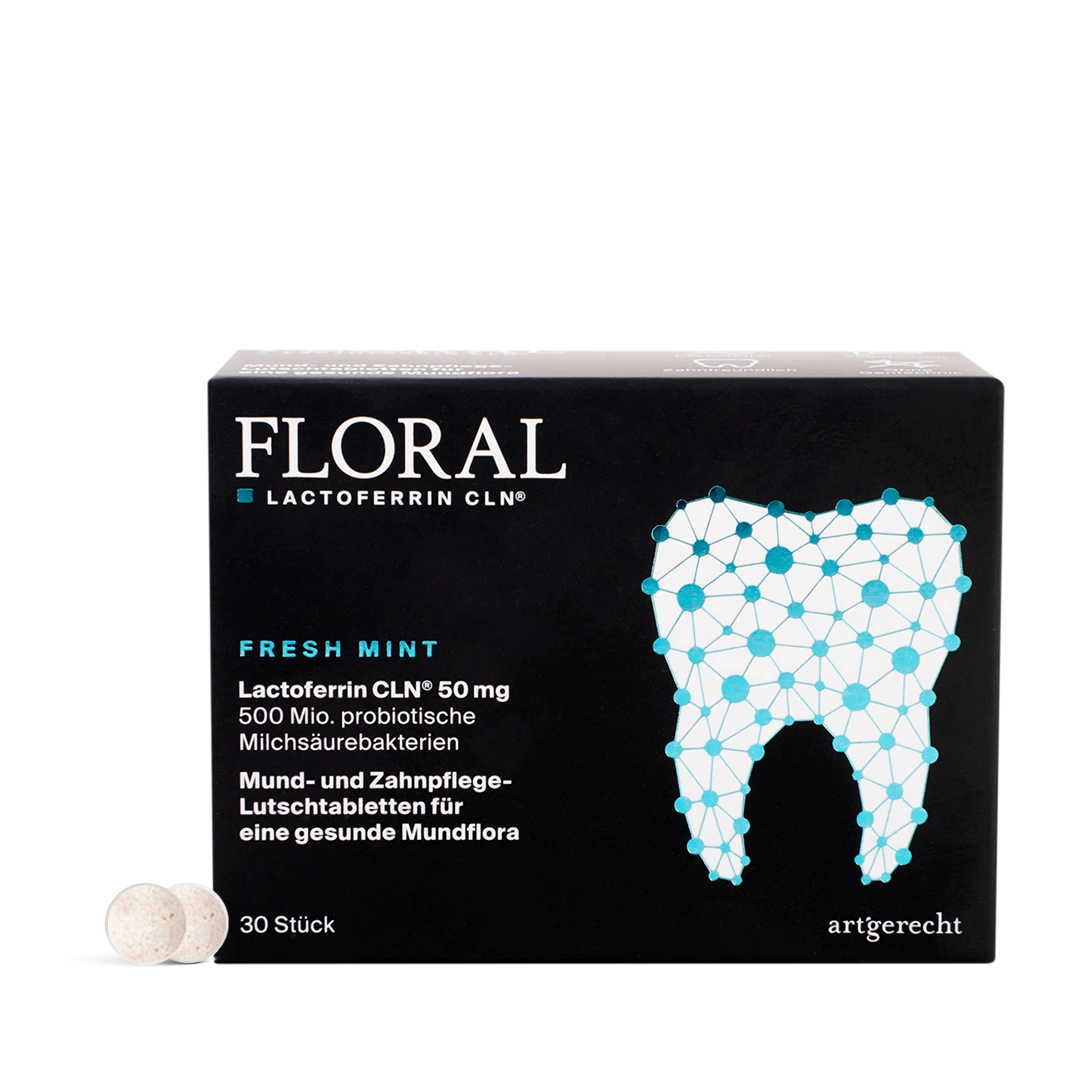
For Healthy Oral Flora & Dental Care
Formulated lozenges with Dentalac®, probiotic lactic acid bacteria, and Lactoferrin CLN®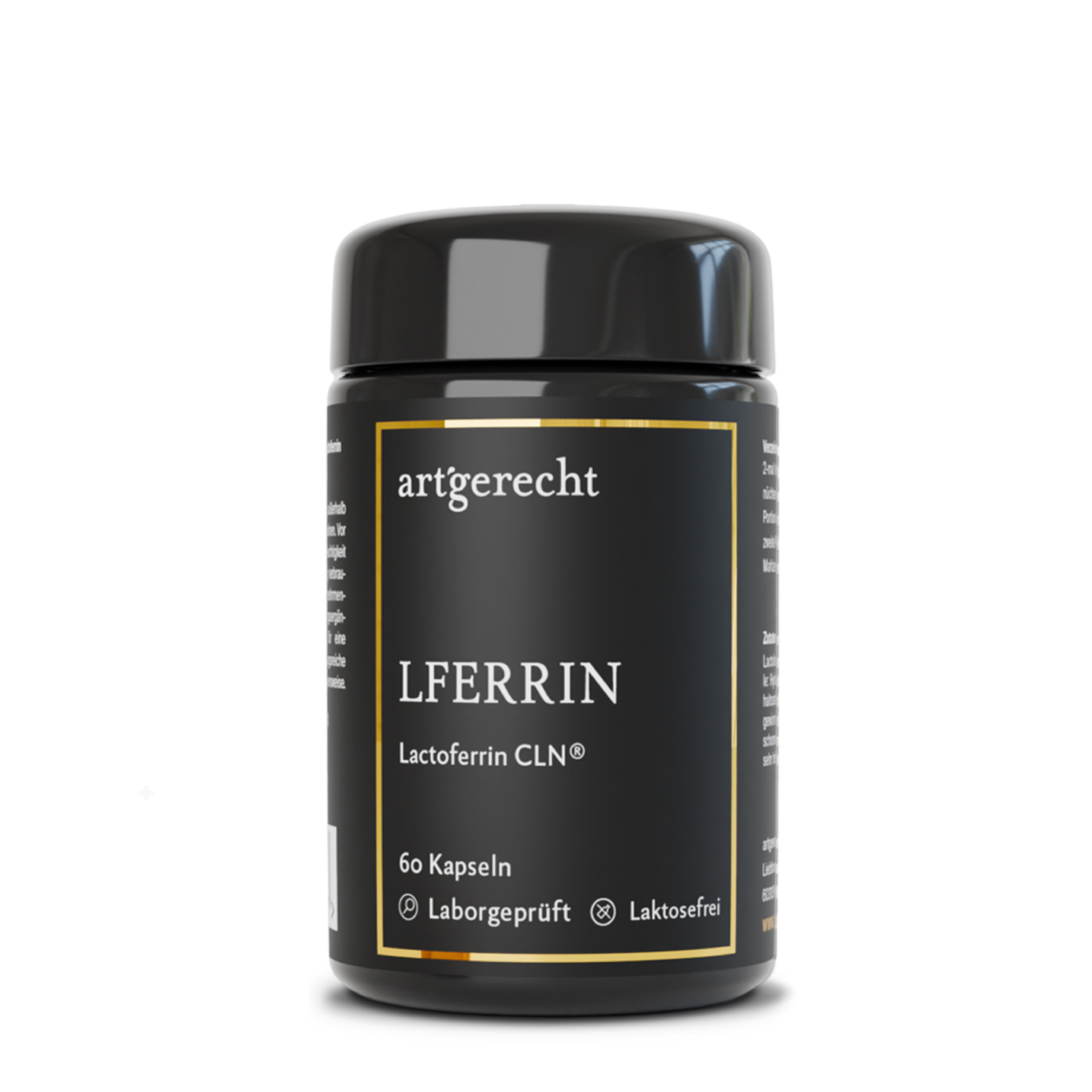
For your universal protection
As one of the most valuable proteins in the body, lactoferrin is a natural component of the immune system.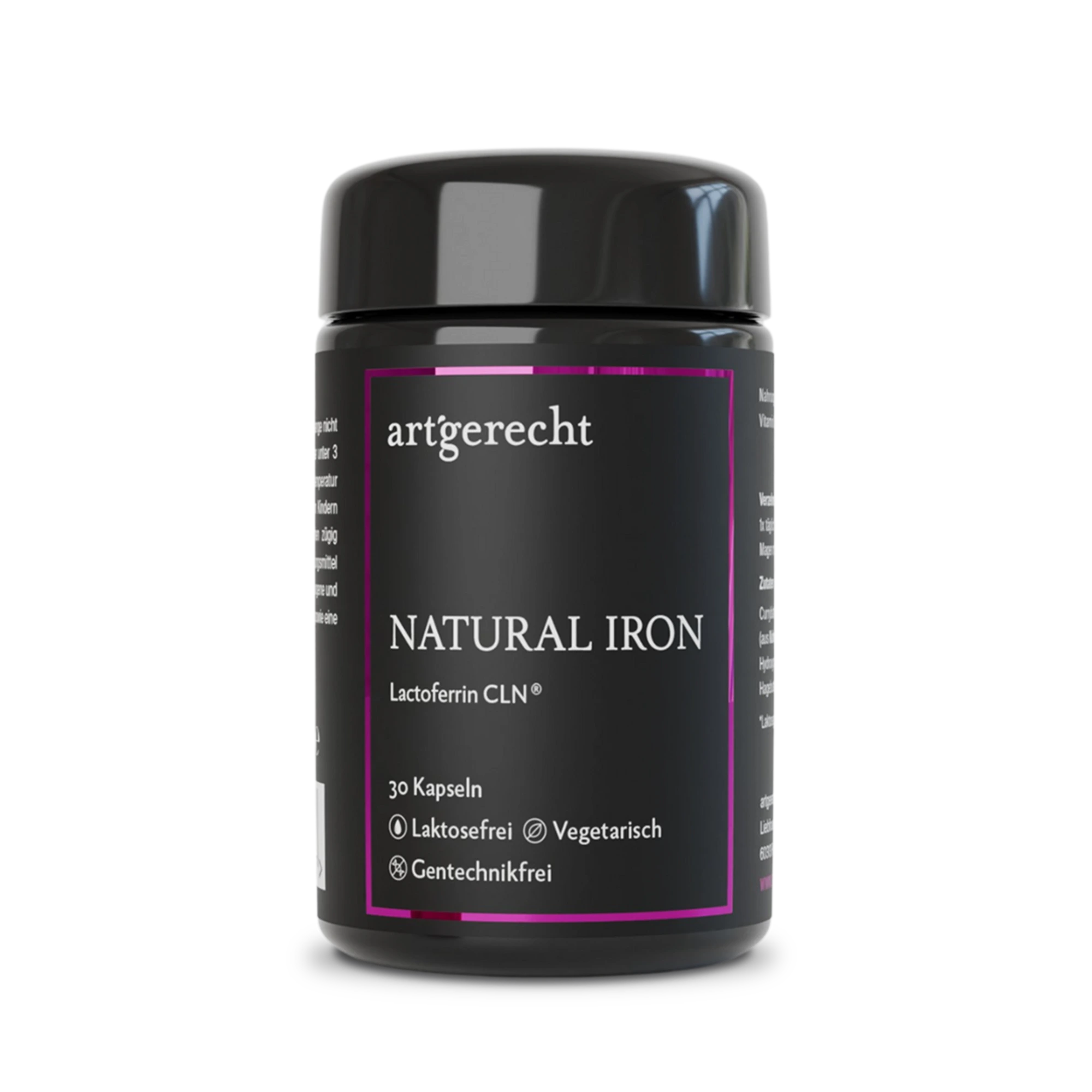
For your iron balance
Specially formulated for your iron balance with plant-based curry leaf iron, Lactoferrin CLN®, and natural Vitamin C from rose hips.
For your universal protection
As one of the most valuable proteins in the body, lactoferrin is a natural component of the immune system.
For your iron balance
Specially formulated for your iron balance with plant-based curry leaf iron, Lactoferrin CLN®, and natural Vitamin C from rose hips.
For Healthy Oral Flora & Dental Care
Formulated lozenges with Dentalac®, probiotic lactic acid bacteria, and Lactoferrin CLN®Die neusten Einträge
3 Posts in this encyclopedia categoryLuteinizing Hormone
Trying to Conceive Phase
Maternity Record (Mutterpass)
Die meistgelesenen Einträge
3 Posts in this encyclopedia categoryMagnesiumcarbonat
Cologne list
Calorie content
Verwandte Suchbegriffe: Baby Bottle + Baby-Bottle + Infant Bottle + Feeding Bottle