


Bioactive Substances – Definition and Effects
Bioactive substances are natural or synthetic compounds that exert a measurable biological effect in the human body, influencing health and physiological processes.
Wissenswertes über "Bioactive Substances"
Bioactive substances are natural or synthetic compounds that exert a measurable biological effect in the human body, influencing health and physiological processes.
What Are Bioactive Substances?
Bioactive substances are chemical compounds found in foods, plants, microorganisms, or produced synthetically that exert a demonstrable biological effect in the human body. They interact with cells, enzymes, hormones, or the immune system and can specifically influence bodily functions. The term encompasses a broad spectrum of compounds – from vitamins and minerals to polyphenols, flavonoids, bioactive peptides, and secondary plant metabolites.
Classification and Examples
Bioactive substances can be categorized into several groups based on their origin and chemical structure:
- Polyphenols and Flavonoids: Plant pigments such as resveratrol (in red wine), quercetin (in onions), or curcumin (in turmeric) with antioxidant and anti-inflammatory properties.
- Carotenoids: Fat-soluble plant pigments such as beta-carotene or lycopene, which act as precursors to vitamin A and have antioxidant effects.
- Bioactive Peptides: Short amino acid chains released during the digestion of dietary proteins, with potential blood pressure-lowering, antimicrobial, or immunomodulatory properties.
- Phytosterols: Plant-derived sterols that inhibit cholesterol absorption in the intestine, thereby positively influencing blood lipid levels.
- Probiotics and Prebiotics: Live microorganisms (probiotics) and non-digestible dietary fibers (prebiotics) that support a healthy gut microbiome.
- Omega-3 Fatty Acids: Polyunsaturated fatty acids from fish oil or linseed oil with anti-inflammatory and cardioprotective effects.
- Vitamins and Trace Elements: Essential micronutrients such as vitamin C, vitamin D, zinc, or selenium with regulatory functions in metabolism.
Mechanisms of Action
Bioactive substances exert their effects through various molecular mechanisms:
- Antioxidant Activity: They neutralize free radicals, protecting cells from oxidative stress, which is associated with aging processes and chronic diseases.
- Anti-inflammatory Effects: Many bioactive compounds inhibit pro-inflammatory signaling pathways, such as the NF-kB pathway, thereby reducing chronic inflammatory responses.
- Hormone-like Activity: Phytoestrogens such as isoflavones can exert mild estrogenic effects and influence hormonal balance.
- Enzyme Modulation: Some substances inhibit or activate specific enzymes involved in metabolic processes.
- Immunomodulation: Bioactive substances can regulate the immune system by influencing the activity of immune cells such as T-cells or natural killer cells.
- Epigenetic Effects: Emerging research shows that certain bioactive substances can influence gene expression through epigenetic mechanisms without altering the DNA sequence.
Food Sources
Bioactive substances are found predominantly in plant-based foods. Foods particularly rich in these compounds include:
- Fruits and vegetables (berries, cruciferous vegetables such as broccoli, tomatoes)
- Whole grains and legumes
- Nuts and seeds
- Herbs and spices (turmeric, ginger, garlic)
- Tea (especially green tea) and coffee
- Fatty fish (salmon, mackerel, herring)
- Fermented foods (yogurt, kefir, sauerkraut)
Health Significance and Clinical Relevance
Numerous epidemiological studies have shown that high intake of bioactive substances is associated with a reduced risk of chronic diseases such as cardiovascular disease, type 2 diabetes, certain cancers, and neurodegenerative disorders. However, caution is advised: isolated bioactive compounds in high-dose dietary supplements do not always produce the same beneficial effects as consuming bioactive-rich whole foods. Bioavailability – the proportion that the body can actually absorb and use – is strongly dependent on the food matrix, preparation method, and individual factors.
Bioactive Substances in Medicine and Pharmacy
In modern medicine, many bioactive natural compounds form the basis for drug development. Well-known examples include aspirin (derived from salicylic acid in willow bark), Taxol (paclitaxel, extracted from the Pacific yew tree), and morphine (from the opium poppy). The pharmaceutical exploration of bioactive natural products is a central field of drug discovery research. Additionally, bioactive substances are increasingly used as functional food ingredients and in the field of nutraceuticals.
Safety and Interactions
Although many bioactive substances are considered natural and safe, they can cause unwanted effects at high doses or when interacting with medications. For example, St. John's Wort can accelerate the breakdown of certain medications in the liver and reduce their effectiveness. Individuals who regularly take prescription medications should always consult their physician before using high-dose dietary supplements containing bioactive substances.
References
- Biesalski, H.K. et al. (2017): Nutritional Medicine. 5th Edition. Georg Thieme Verlag, Stuttgart.
- Williamson, G. (2017): The role of polyphenols in modern nutrition. Nutrition Bulletin, 42(3), 226–235. doi:10.1111/nbu.12278.
- World Health Organization (WHO) (2003): Diet, Nutrition and the Prevention of Chronic Diseases. WHO Technical Report Series 916. Geneva.
Verwandte Produkte
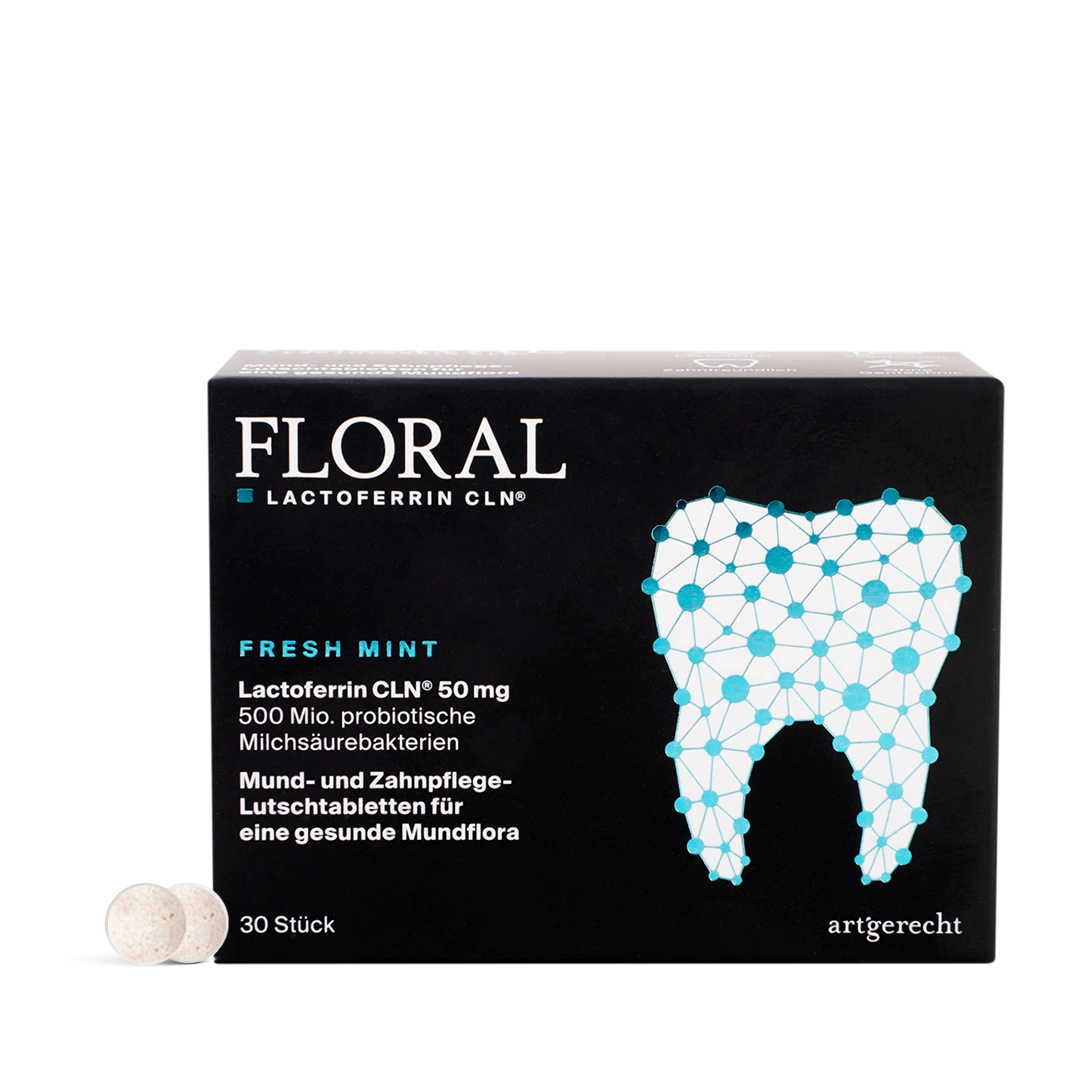
For Healthy Oral Flora & Dental Care
Formulated lozenges with Dentalac®, probiotic lactic acid bacteria, and Lactoferrin CLN®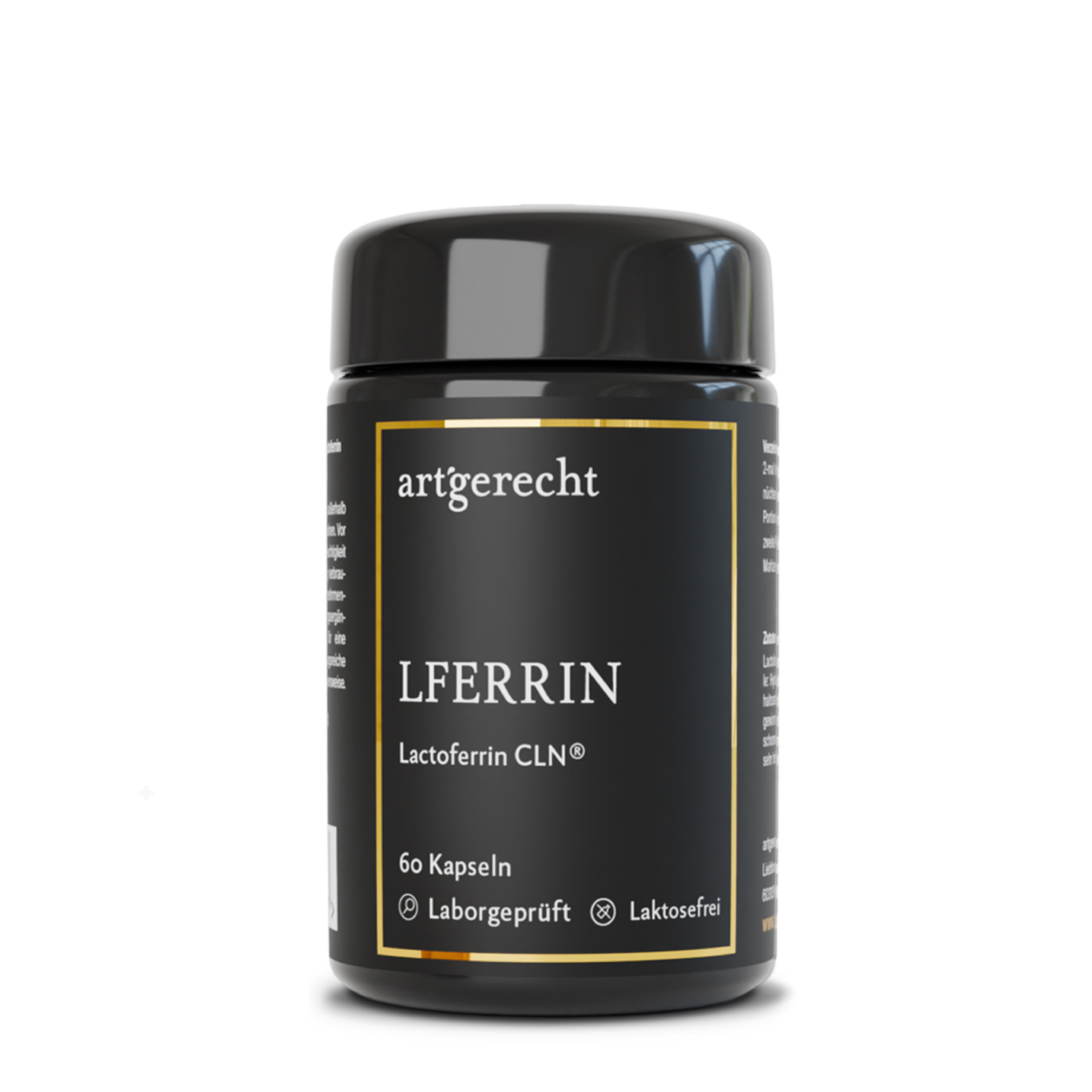
For your universal protection
As one of the most valuable proteins in the body, lactoferrin is a natural component of the immune system.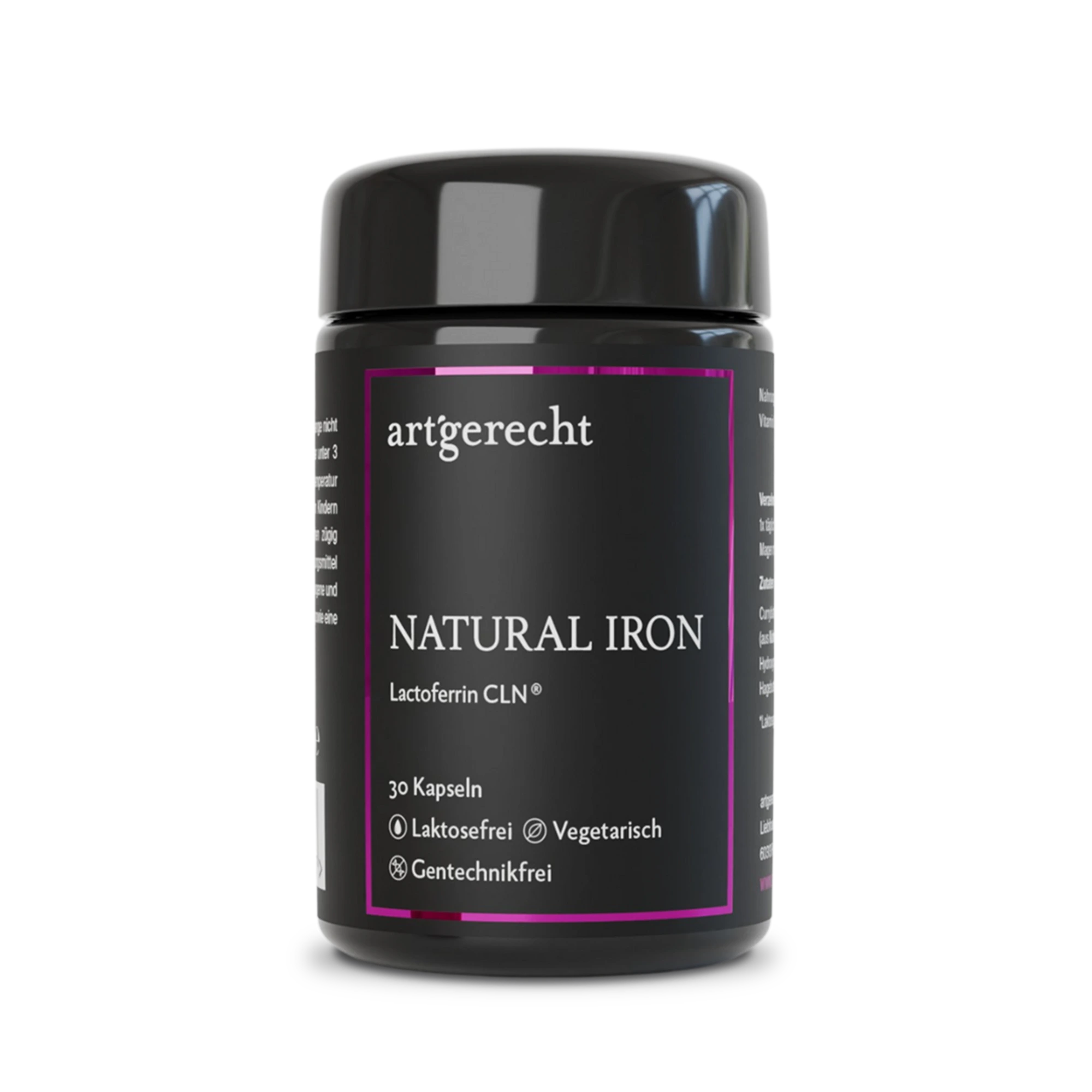
For your iron balance
Specially formulated for your iron balance with plant-based curry leaf iron, Lactoferrin CLN®, and natural Vitamin C from rose hips.
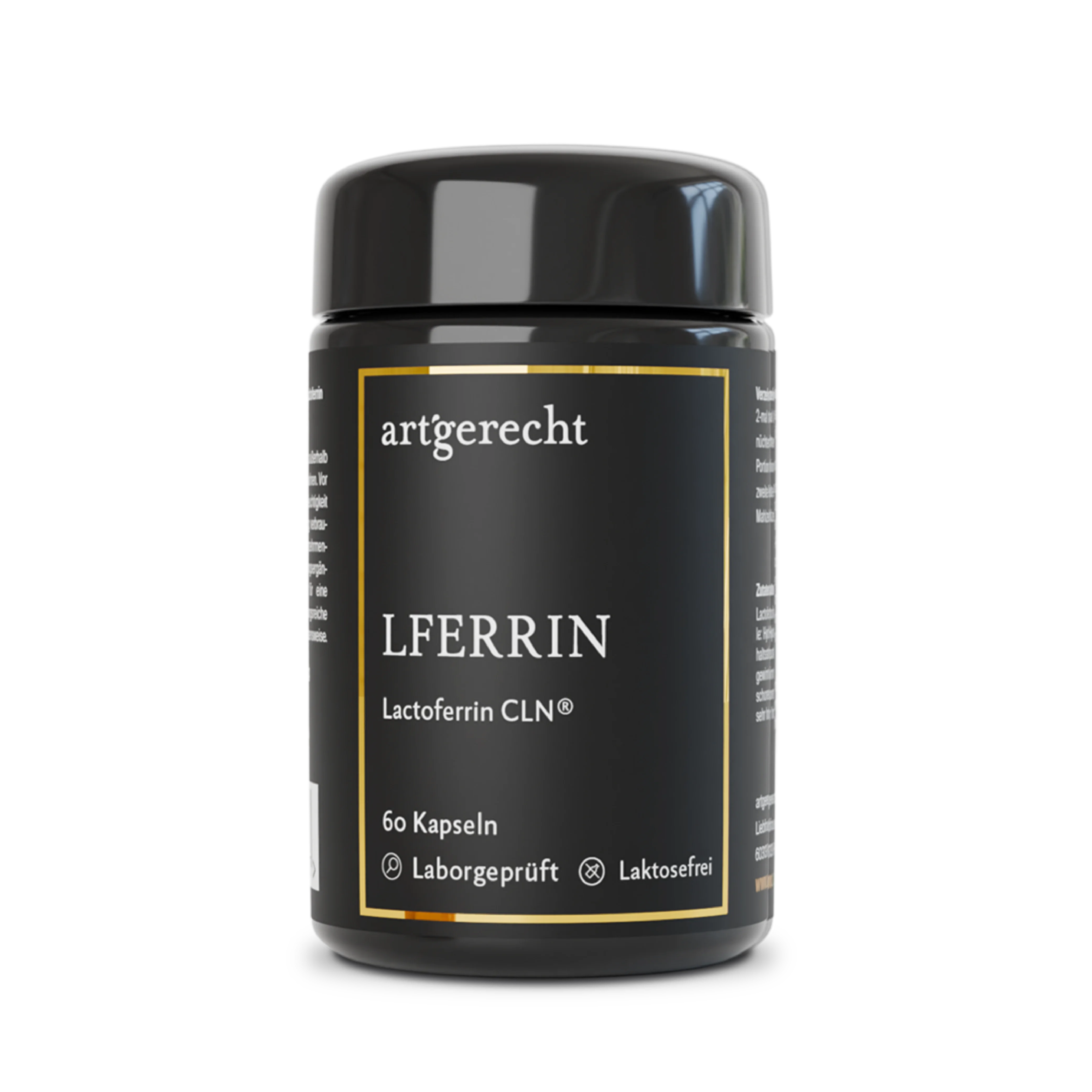
For your universal protection
As one of the most valuable proteins in the body, lactoferrin is a natural component of the immune system.
For your iron balance
Specially formulated for your iron balance with plant-based curry leaf iron, Lactoferrin CLN®, and natural Vitamin C from rose hips.
For Healthy Oral Flora & Dental Care
Formulated lozenges with Dentalac®, probiotic lactic acid bacteria, and Lactoferrin CLN®Die neusten Einträge
3 Posts in this encyclopedia categoryUmbilical Cord Stump
Genitourinary Syndrome
Irritable Bowel Syndrome
Die meistgelesenen Einträge
3 Posts in this encyclopedia categoryMagnesiumcarbonat
Cologne list
Calorie content
Verwandte Suchbegriffe: Bioactive Substances + Bioactive Compounds + Bioactive Agents + Bioactive Ingredients