


Cerebral Ischemia – Causes, Symptoms and Treatment
Cerebral ischemia refers to an insufficient blood supply to the brain, causing a lack of oxygen in brain tissue that can lead to a stroke.
Wissenswertes über "Cerebral Ischemia"
Cerebral ischemia refers to an insufficient blood supply to the brain, causing a lack of oxygen in brain tissue that can lead to a stroke.
What is Cerebral Ischemia?
Cerebral ischemia occurs when blood flow to the brain is reduced or interrupted, depriving brain tissue of the oxygen and glucose it needs to function. Because brain cells (neurons) are highly sensitive to oxygen deprivation, irreversible cell damage can begin within just a few minutes. Cerebral ischemia is the most common cause of ischemic stroke and is a medical emergency requiring immediate treatment.
Two main forms are distinguished: focal cerebral ischemia, in which only a specific region of the brain is affected, and global cerebral ischemia, in which blood flow to the entire brain is temporarily reduced, for example during cardiac arrest.
Causes
Cerebral ischemia can result from a variety of underlying conditions. The most common causes include:
- Atherosclerosis: Fatty deposits (plaques) build up inside cerebral arteries, narrowing them and reducing blood flow.
- Thrombosis: A blood clot forms within an artery supplying the brain, blocking blood flow.
- Embolism: A clot or other particle travels from another part of the body (e.g., the heart in atrial fibrillation) and lodges in a cerebral artery.
- Heart conditions: Atrial fibrillation, heart valve disease, or heart failure can promote clot formation.
- Severe drop in blood pressure: A sudden fall in blood pressure (e.g., during shock) can cause global ischemia.
- Vasculitis: Inflammatory diseases of the blood vessels can impair cerebral blood flow.
Symptoms
The symptoms of cerebral ischemia depend on which area of the brain is affected. Common signs include:
- Sudden weakness or numbness in the arm, leg, or face, typically on one side of the body
- Speech difficulties (aphasia): trouble speaking or understanding language
- Sudden vision problems in one or both eyes
- Sudden, severe headache with no known cause
- Dizziness, loss of balance, or coordination problems
- Confusion or loss of consciousness
A temporary form of cerebral ischemia is the transient ischemic attack (TIA), in which symptoms resolve completely within 24 hours. A TIA is a serious warning sign of an impending stroke and requires urgent medical evaluation.
Diagnosis
Rapid diagnosis is critical in cerebral ischemia. The following diagnostic tools are used:
- Computed Tomography (CT): The first-line imaging method used to differentiate between ischemic and hemorrhagic stroke.
- Magnetic Resonance Imaging (MRI): Provides detailed images of brain tissue and is especially sensitive for detecting early ischemic changes.
- CT Angiography / MR Angiography: Imaging of cerebral blood vessels to identify occlusions or stenoses.
- Doppler Ultrasound: Assessment of blood flow in the carotid and cerebral arteries.
- ECG and Echocardiography: To detect cardiac sources of emboli such as atrial fibrillation.
- Blood tests: Coagulation parameters, blood glucose, complete blood count, and other relevant markers.
Treatment
Acute Therapy
Treatment of cerebral ischemia must begin as quickly as possible, as every minute matters (the principle of Time is Brain). Key acute interventions include:
- Thrombolysis: Intravenous administration of Alteplase (rt-PA) to dissolve the blood clot. This can be applied within 4.5 hours of symptom onset.
- Mechanical Thrombectomy: A catheter is inserted into the blocked vessel to mechanically remove the clot. This approach is particularly effective for large vessel occlusions and may be used up to 24 hours after symptom onset in selected patients.
- Stabilization of blood pressure, blood glucose, body temperature, and oxygen saturation in a dedicated Stroke Unit.
Secondary Prevention
After a cerebral ischemic event, preventing further occurrences is essential:
- Antiplatelet agents (e.g., aspirin) or anticoagulants (e.g., for atrial fibrillation) to reduce clot formation
- Risk factor management: blood pressure control, blood glucose management in diabetes, treatment of elevated cholesterol with statins
- Lifestyle changes: smoking cessation, healthy diet, regular physical activity
- Rehabilitation: Physical, occupational, and speech therapy to restore lost functions
Risk Factors and Prevention
The most important risk factors for cerebral ischemia include high blood pressure, diabetes mellitus, smoking, elevated blood lipids, obesity, atrial fibrillation, and physical inactivity. Many of these factors can be effectively managed through a healthy lifestyle and medical therapy, significantly reducing the risk of cerebral ischemia.
References
- European Stroke Organisation (ESO): Guidelines for the Management of Ischaemic Stroke and Transient Ischaemic Attack, 2021. Available at: https://eso-stroke.org
- Hacke W. et al. - Neurology. 14th Edition. Springer, 2019.
- World Health Organization (WHO): Stroke, Cerebrovascular Accident. Available at: https://www.who.int
Verwandte Produkte

For Healthy Oral Flora & Dental Care
Formulated lozenges with Dentalac®, probiotic lactic acid bacteria, and Lactoferrin CLN®
For your universal protection
As one of the most valuable proteins in the body, lactoferrin is a natural component of the immune system.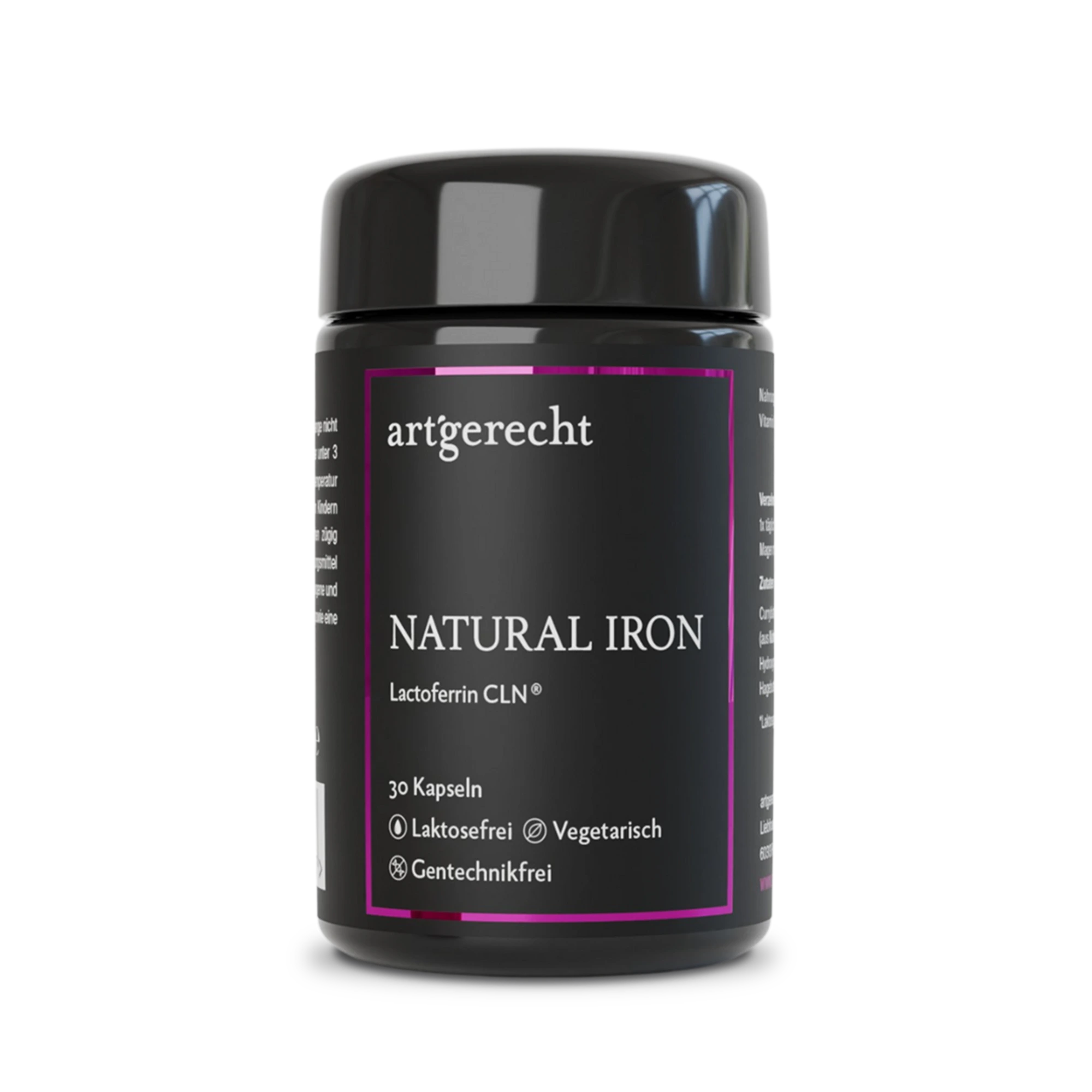
For your iron balance
Specially formulated for your iron balance with plant-based curry leaf iron, Lactoferrin CLN®, and natural Vitamin C from rose hips.

For your universal protection
As one of the most valuable proteins in the body, lactoferrin is a natural component of the immune system.
For your iron balance
Specially formulated for your iron balance with plant-based curry leaf iron, Lactoferrin CLN®, and natural Vitamin C from rose hips.
For Healthy Oral Flora & Dental Care
Formulated lozenges with Dentalac®, probiotic lactic acid bacteria, and Lactoferrin CLN®Die neusten Einträge
3 Posts in this encyclopedia categoryBad Breath
Bottle Feeding
Die meistgelesenen Einträge
3 Posts in this encyclopedia categoryMagnesiumcarbonat
Cologne list
Calorie content
Verwandte Suchbegriffe: Cerebral Ischemia + Cerebral Ischaemia + Brain Ischemia + Brain Ischaemia + Cerebral Infarction