


Caffeine withdrawal - symptoms, duration & natural strategies
Caffeine withdrawal can cause headaches, fatigue and irritability. Find out how long the symptoms last, how you can alleviate them and what helps with the transition.
Wissenswertes über "Caffeine withdrawal"
Caffeine withdrawal occurs when the regular consumption of caffeine-containing drinks such as coffee, cola, black tea or energy drinks is suddenly or sharply reduced.
Caffeine acts as an adenosine antagonist in the brain, which leads to reduced tiredness and increased alertness. With regular consumption, the body adapts to this - if the intake is suddenly stopped, a withdrawal reaction can occur. This reaction is not dangerous, but can be unpleasant and temporarily impair performance. Typical symptoms of caffeine withdrawal are headaches, irritability, concentration difficulties, fatigue, depressive mood, sleep problems, muscle stiffness and in some cases also flu-like symptoms. The symptoms usually occur within 12 to 24 hours after the last caffeine intake, reach their peak after around 1-2 days and subside again within 3 to 9 days. The intensity depends heavily on the previous level of consumption and individual sensitivity.
To make caffeine withdrawal easier, natural measures such as gradual reduction instead of sudden abstinence, plenty of water, sufficient sleep, a balanced diet and supportive herbal remedies such as ginseng, rhodiola or lemon balm. Taking magnesium and B vitamins can also help to stabilise the nervous system. Exercise in the fresh air, targeted rest breaks and gentle activation (e.g. through breathing exercises or alternating showers) support the transition to a caffeine-free everyday life.
Important features of caffeine withdrawal:
- Caused by sudden reduction of caffeine (e.g. coffee, tea, energy drinks). e.g. coffee, tea, energy drinks)
- Symptoms: headache, fatigue, irritability, concentration disorders
- Symptoms usually set in after 12-24 h, subside after a few days
- Better tolerated with slow reduction & healthy accompanying measures
- Supportive: Magnesium, B vitamins, adaptogens, lots of fluid
Literature
- Juliano, L. M., & Griffiths, R. R. (2004). "A critical review of caffeine withdrawal: empirical validation of symptoms and signs." Psychopharmacology.
- Meredith, S. E. et al. (2013). "Caffeine use disorder: A comprehensive review and research agenda."
- Journal of Caffeine Research.
Smith, A. (2002). "Effects of caffeine on human behaviour." Food and Chemical Toxicology.
Verwandte Produkte
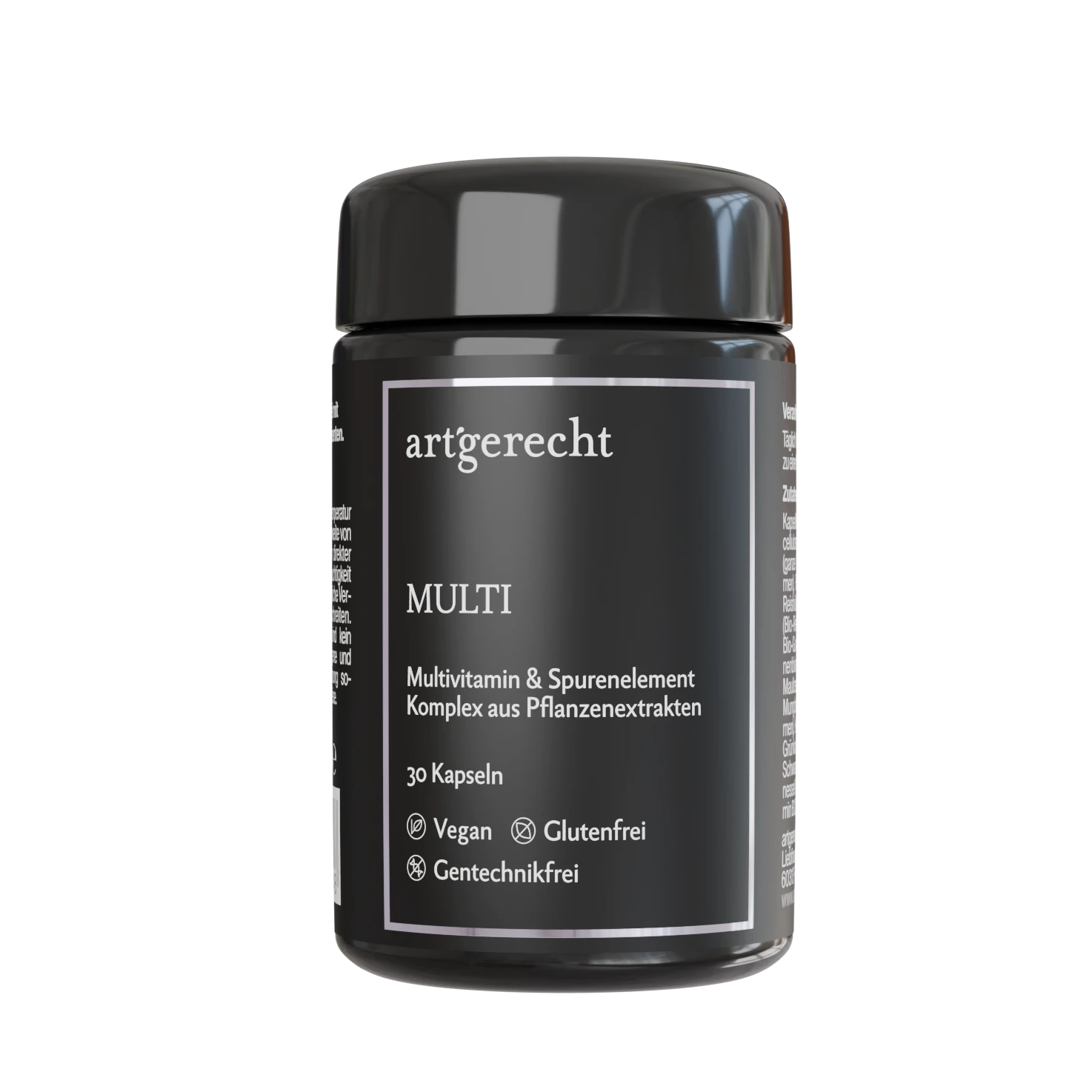
Daily basic supply: the complete spectrum of micronutrients
Natural multivitamin complex for the immune system, energy, and central body functions

For your daily magnesium needs
Organic magnesium complex to reduce fatigue and tiredness and support normal muscle function
Best-selling products

For your universal protection
As one of the most valuable proteins in the body, lactoferrin is a natural component of the immune system.

For your iron balance
Specially formulated for your iron balance with plant-based curry leaf iron, Lactoferrin CLN®, and natural Vitamin C from rose hips.

For Healthy Oral Flora & Dental Care
Formulated lozenges with Dentalac®, probiotic lactic acid bacteria, and Lactoferrin CLN®The latest entries
3 Posts in this encyclopedia categoryDegree of Cross-Linking
Pancreatic Enzyme Therapy
Growth Factor Analysis
Most read entries
3 Posts in this encyclopedia categoryMagnesiumcarbonat
Cologne list
Calorie content
Related search terms: Caffeine withdrawal + withdrawal Caffeine + caffeine withdrawal symptoms