


Collagen deficiency - causes, symptoms & natural treatment options
A collagen deficiency can weaken the skin, joints and connective tissue. Find out more about the causes, signs and how you can naturally compensate for collagen deficiency.
Wissenswertes über "Collagen deficiency"
Collagen is the most important structural protein in the human body and makes up around 30 % of the total protein content. A lack of collagen leads to remarkable changes in the body.
Collagen gives skin, bones, tendons, ligaments and connective tissue stability, elasticity and strength. A lack of collagen can be caused by the natural ageing process or by external influences and leads to visible and tangible changes in the body. The consequences include wrinkles, joint problems and reduced bone density.
Causes of a collagen deficiency
The body produces collagen itself, but this process slows down from the age of 25. By the age of 60, the body's own collagen production can decrease by up to 50%. A collagen deficiency can have various causes. The primary trigger is the age-related decrease in collagen synthesis. In addition, a diet low in vitamins and minerals, in particular a lack of vitamin C, zinc and copper, impairs collagen production. UV radiation also damages the collagen fibres and accelerates their breakdown. Other causes include hormone fluctuations, particularly during the menopause, chronic stress, which increases oxidative processes, as well as tobacco and alcohol consumption, which attack the collagen structure.
Symptoms of collagen deficiency
The symptoms of collagen deficiency can manifest themselves in various parts of the body. One common symptom is skin ageing. Collagen degradation causes the skin to lose elasticity and moisture, resulting in wrinkles and fine lines. The skin also becomes thinner and more vulnerable. The connective tissue is also affected, which manifests itself in the form of cellulite, stretch marks or a weakening of the vascular walls.
Another symptom is joint and cartilage problems. As collagen is an essential component of cartilage tissue, a deficiency leads to reduced joint lubrication, stiffness and pain. In the long term, this can increase the risk of degenerative diseases such as arthritis. Bone health also suffers from a collagen deficiency, as collagen is responsible for the stability and flexibility of bones. A chronic deficiency can reduce bone density and increase the risk of osteoporosis.
Collagen deficiency also affects hair and nails. Brittle nails, hair loss or reduced hair quality are common consequences. Digestive problems can also occur, as collagen plays an important role in the stability of the intestinal mucosa.
Natural treatment options
Verwandte Produkte

Holistic support for bones, joints, muscles & skin
For your well-being – inside and out
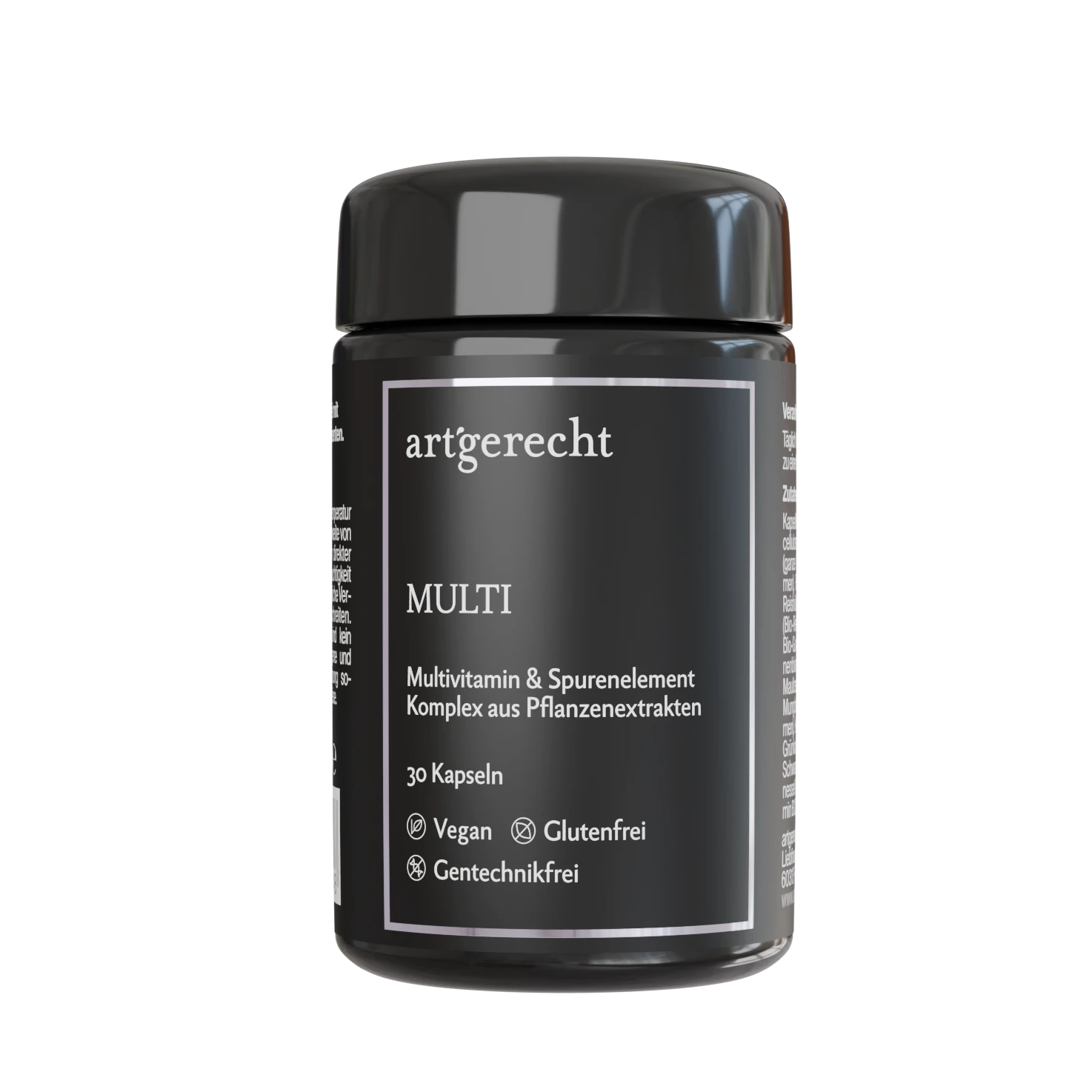
Daily basic supply: the complete spectrum of micronutrients
Natural multivitamin complex for the immune system, energy, and central body functions
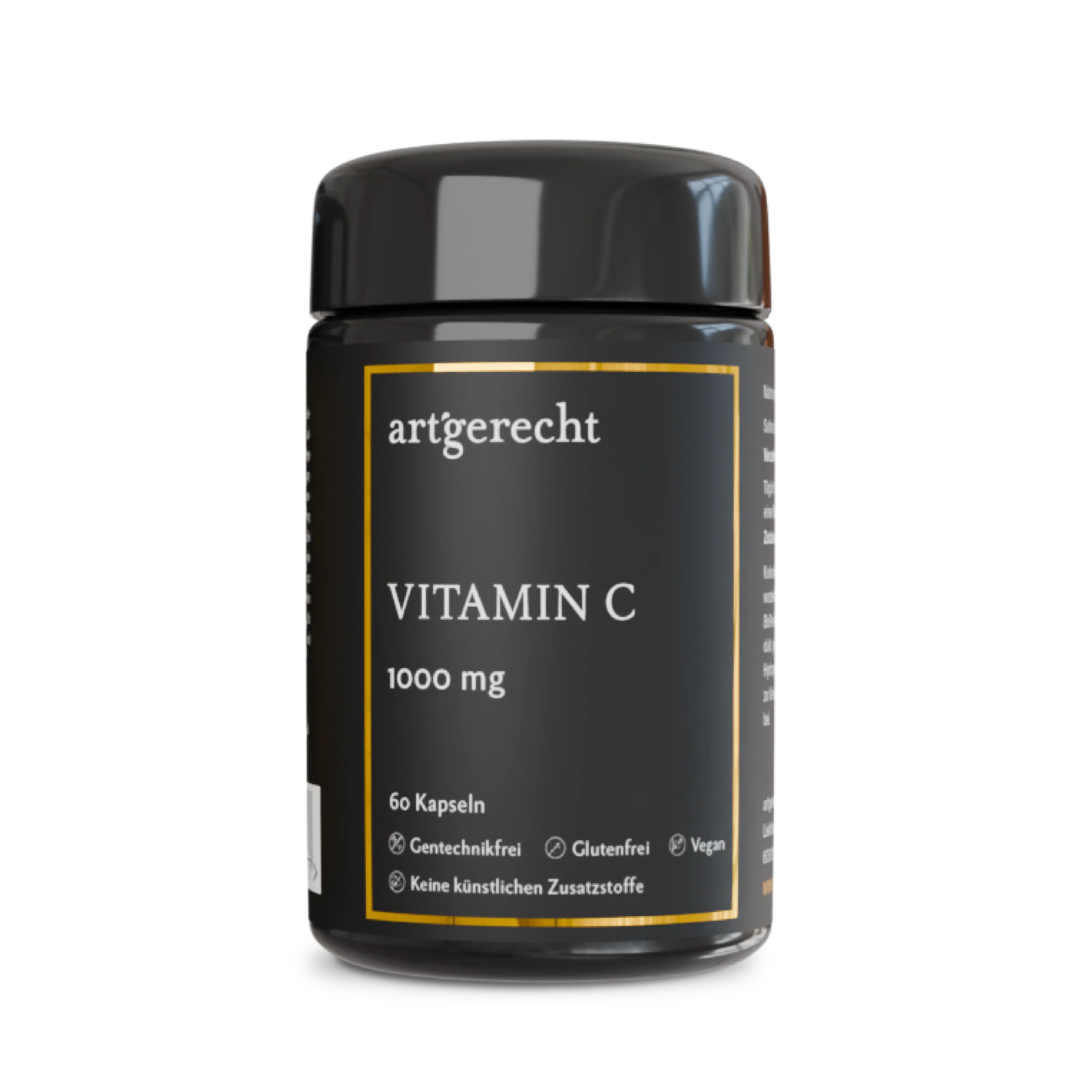
High-dose vitamin C from rosehip extract
Natural vitamin C from rosehipBest-selling products

For your universal protection
As one of the most valuable proteins in the body, lactoferrin is a natural component of the immune system.

For your iron balance
Specially formulated for your iron balance with plant-based curry leaf iron, Lactoferrin CLN®, and natural Vitamin C from rose hips.

For Healthy Oral Flora & Dental Care
Formulated lozenges with Dentalac®, probiotic lactic acid bacteria, and Lactoferrin CLN®The latest entries
3 Posts in this encyclopedia categoryAstrocytoma
Balneotherapy
Radial Head Fracture
Most read entries
3 Posts in this encyclopedia categoryMagnesiumcarbonat
Cologne list
Calorie content
Related search terms: Collagen deficiency + collagen deficiency