


Sebaceous glands - function, influence on acne and natural regulation with lactoferrin
Sebaceous glands protect the skin, but can lead to acne if they are overactive. Find out how you can regulate sebum production and inflammation holistically.
Wissenswertes über "Sebaceous gland"
Sebaceous glands protect the skin, but can lead to acne if they are overactive. Find out how you can regulate sebum production and inflammation holistically.
Sebaceous glands: protective mechanism of the skin with a central role in acne and skin balance
Sebaceous glands - also known as sebaceous glands - are specialised skin appendages that form a functional unit together with hair follicles. Their main task is to produce sebum, an oily substance that keeps the skin and hair supple, protects against dehydration and forms a natural barrier against microorganisms. Sebaceous glands are found all over the body, but are particularly abundant on the face, scalp, upper back and chest - in other words, exactly where skin blemishes are most likely to occur.
The activity of the sebaceous glands is hormonally controlled, in particular by androgens such as testosterone. During puberty or hormonal fluctuations, sebum production can increase excessively. Excess sebum, dead skin cells and bacteria then easily lead to clogging of the follicle outlet, which favours blackheads, inflammatory pimples and, in the further course, acne. External factors such as incorrect skincare products, stress or diet (e.g. highly processed carbohydrates or dairy products) can also have a negative impact on the function of the sebaceous glands.Healthy skin depends heavily on a balanced sebum flow. If this is disturbed, it not only leads to impurities, but also to irritation or a disturbed microbiome. This is where functional active ingredients such as lactoferrin can provide targeted support. The iron-binding protein has an antimicrobial, anti-inflammatory and regulating effect on the skin's immune system. Studies show that lactoferrin can have a regulating effect, particularly on overactive sebaceous glands and inflammatory acne - both externally and internally via dietary supplements. In combination with gentle skin care, a low-inflammatory diet and a stable gut microbiome, sebum-related skin problems can be addressed holistically.Literature references:- Zouboulis, C. C. (2004). Acne and sebaceous gland function. Clinics in Dermatology, 22(5), 360-366.
- Picardo, M. et al (2009). Acne and the sebaceous gland. Dermato-Endocrinology, 1(2), 68-71.
- Kawakami, T. et al (2015). Effects of oral administration of lactoferrin on skin condition in healthy women: A randomised, double-blind, placebo-controlled study. The Journal of Clinical Biochemistry and Nutrition, 56(3), 190-195.
Verwandte Produkte
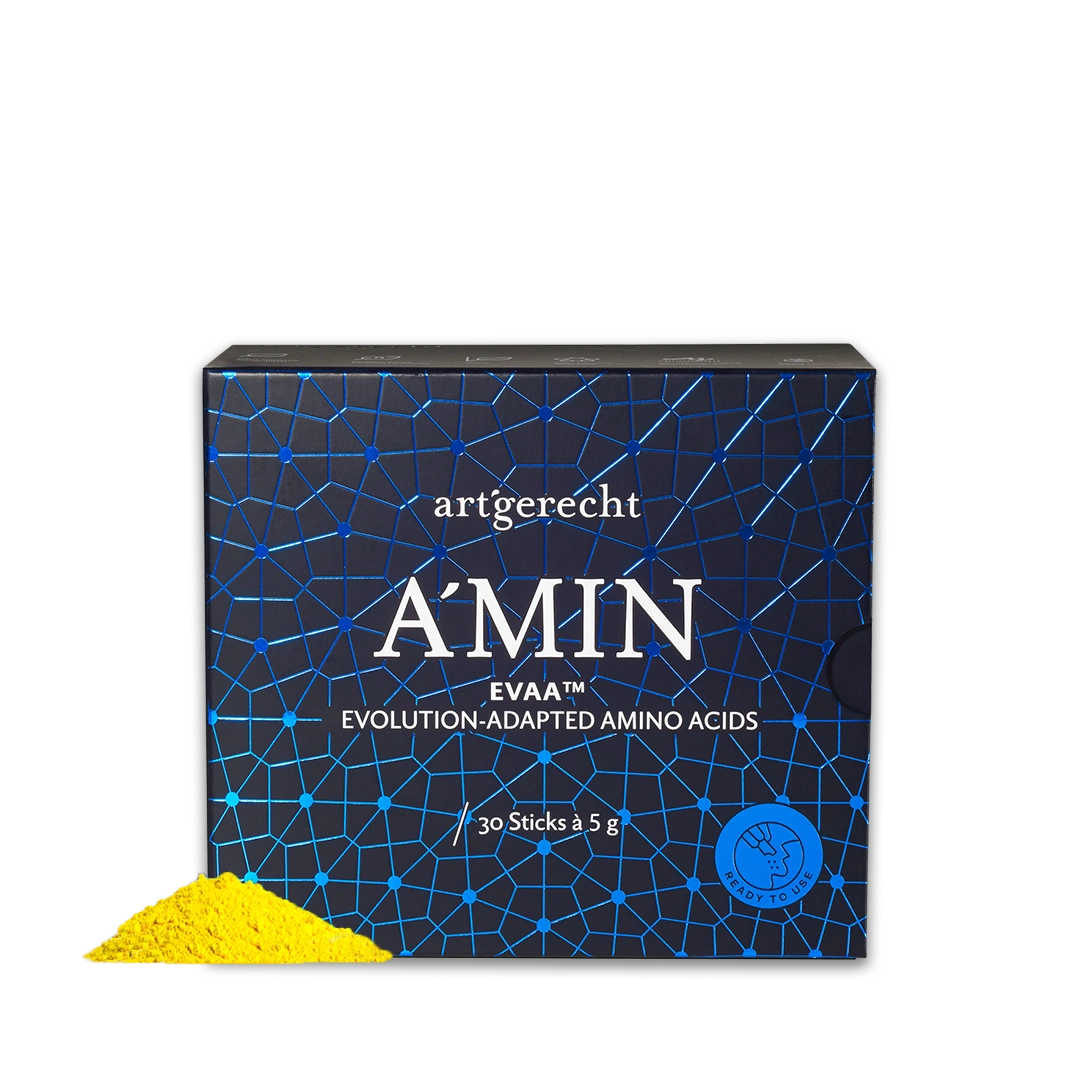
For Your Fast Recovery
Unique patented amino acid mix (EVAA™) for your recovery
For your universal protection
As one of the most valuable proteins in the body, lactoferrin is a natural component of the immune system.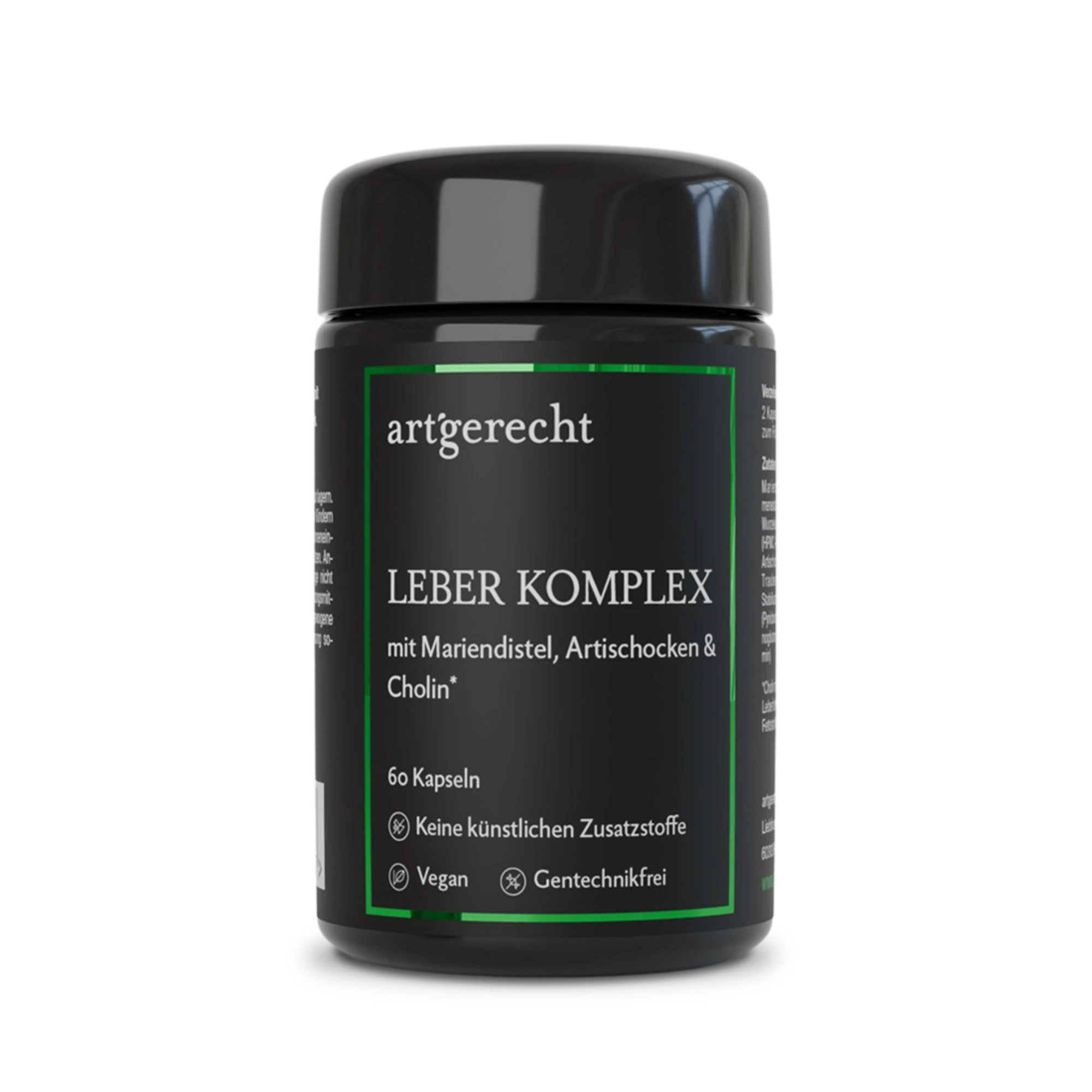
Plant-based support for your liver
Supports liver function with milk thistle, artichoke, choline & OPC
Best-selling products

For your universal protection
As one of the most valuable proteins in the body, lactoferrin is a natural component of the immune system.

For your iron balance
Specially formulated for your iron balance with plant-based curry leaf iron, Lactoferrin CLN®, and natural Vitamin C from rose hips.

For Healthy Oral Flora & Dental Care
Formulated lozenges with Dentalac®, probiotic lactic acid bacteria, and Lactoferrin CLN®The latest entries
3 Posts in this encyclopedia categoryCytokine Induction
Cerebellar Degeneration
Serum Albumin
Most read entries
3 Posts in this encyclopedia categoryMagnesiumcarbonat
Cologne list
Calorie content
Related search terms: Sebaceous gland + Sebaceous glands + Sebaceous glands