


Sebum - function, overproduction and skin care
What is sebum and what role does it play in blemished skin? All about its functions, causes of excessive sebum production and tips on how to regulate it.
Wissenswertes über "Tallow"
What is sebum and what role does it play in blemished skin? All about its functions, causes of excessive sebum production and tips on how to regulate it.
Tallow - protective film with side effects
Tallow is an oily substance produced by the sebaceous glands in our skin. It plays an important role in the skin's natural protective barrier: it prevents the skin from drying out, keeps it supple and offers a certain degree of protection against bacteria and environmental influences. Sebum consists mainly of triglycerides, waxes, free fatty acids and squalene - a lipid mixture that, together with sweat, forms the so-called hydrolipid film.
Problems arise when sebum production gets out of balance. Excessive production (seborrhoea) can lead to clogged pores - the ideal breeding ground for bacteria such as Cutibacterium acnes, which can cause inflammation and pimples. The activity of the sebaceous glands often increases, particularly during hormonal changes such as puberty or menstrual cycle fluctuations. Stress, diet and genetic factors also influence sebum production.
A healthy approach to sebum means neither removing it completely nor blocking it. Mild cleansing products, an anti-inflammatory diet and active ingredients such as lactoferrin or zinc can help to balance sebum production. Vegetable oils such as jojoba oil, which are similar to natural sebum, also have a regulating and nourishing effect without clogging the pores.Functions of sebum:
- Preservation of skin moisture
- Protection against external influences (cold, germs, UV radiation)
- Formation of a hydrolipidic film with antibacterial effect
- Supply of the skin surface with lipids
Causes of excessive sebum production:
- Hormonal changes (testosterone, androgens)
- Incorrect skin care (over-lubricating or drying)
- Genetic disposition
- Stress, diet (e.g. too much sugar, dairy products)
- Heat, high humidity
Measures for sebum regulation:
- Mild cleansing with pH-neutral products
- Zinc, niacinamide, lactoferrin to inhibit inflammation
- Avoidance of comedogenic ingredients
- Anti-inflammatory diet (e.g. omega-3 fatty acids)
- Adequate fluid intake and stress management
Literature references:
- Pappas, A. (2009). The relationship of diet and acne: a review. Dermato-Endocrinology, 1(5), 262-267.
- Fluhr, J. W., et al. (2010). Sebaceous gland activity and the role of sebum in skin physiology. Dermato-Endocrinology, 2(1), 22-26.
- Kim, J., et al (2010). Anti-inflammatory effect of lactoferrin in acne vulgaris. Journal of Dermatological Science, 60(2), 131-135.
Verwandte Produkte
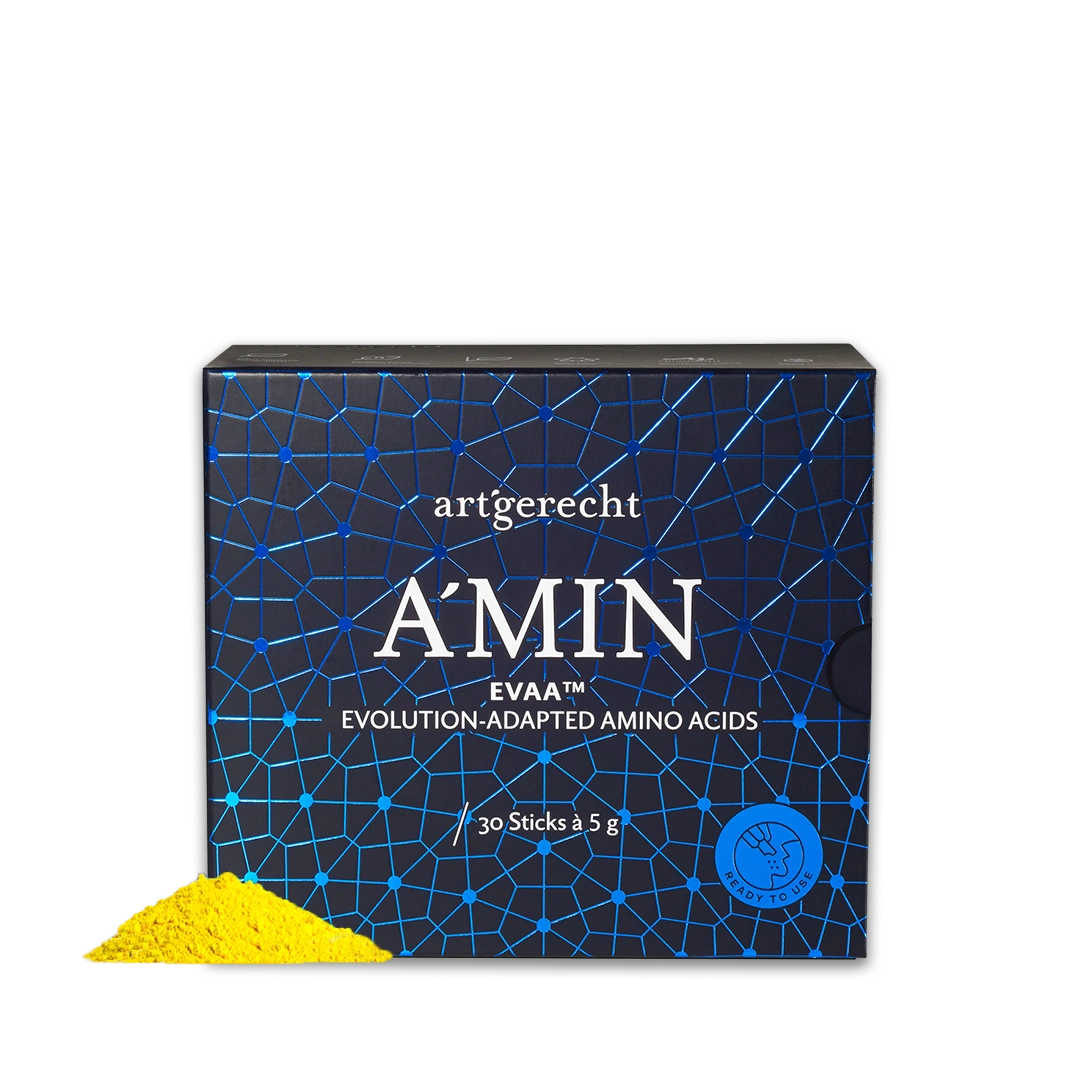
For Your Fast Recovery
Unique patented amino acid mix (EVAA™) for your recovery
For your universal protection
As one of the most valuable proteins in the body, lactoferrin is a natural component of the immune system.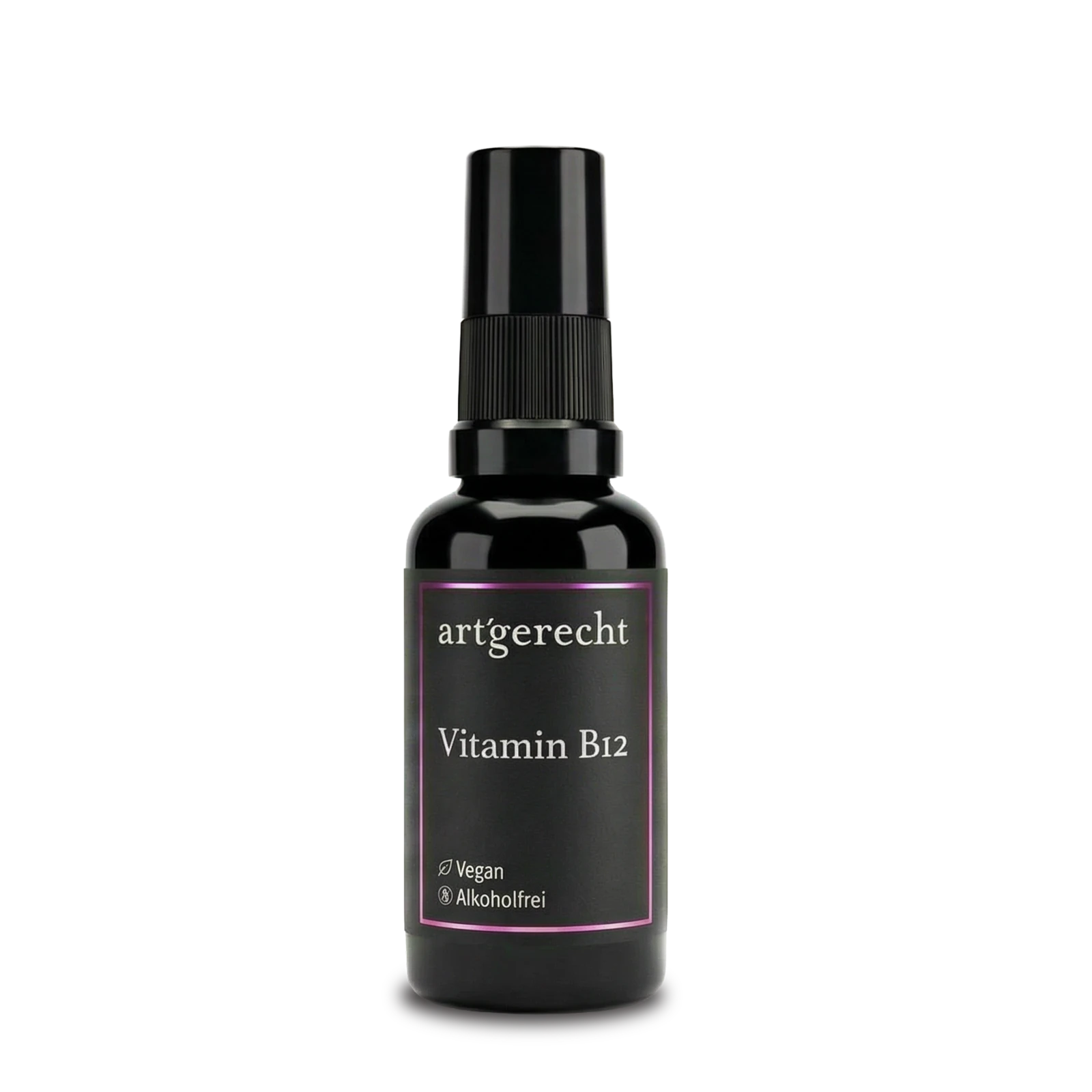
Holistic support for energy metabolism, nervous system & immune system²
Active Methylcobalamin (Vitamin B12) spray with 5x increased bioavailability
Best-selling products

For your universal protection
As one of the most valuable proteins in the body, lactoferrin is a natural component of the immune system.

For your iron balance
Specially formulated for your iron balance with plant-based curry leaf iron, Lactoferrin CLN®, and natural Vitamin C from rose hips.

For Healthy Oral Flora & Dental Care
Formulated lozenges with Dentalac®, probiotic lactic acid bacteria, and Lactoferrin CLN®The latest entries
3 Posts in this encyclopedia categoryCytokine Induction
Cerebellar Degeneration
Serum Albumin
Most read entries
3 Posts in this encyclopedia categoryMagnesiumcarbonat
Cologne list
Calorie content
Related search terms: Tallow