


Too much vitamin C - symptoms, risks and sensible upper intake limits
An excessive intake of vitamin C can lead to gastrointestinal complaints and kidney stones. Find out all about the symptoms, limits and sensible dosage of vitamin C supplements here.
Wissenswertes über "Too much vitamin C"
An excessive intake of vitamin C can lead to gastrointestinal complaints and kidney stones. Find out all about the symptoms, limits and sensible dosage of vitamin C supplements here.
Vitamin C, also known as ascorbic acid, is a vital, water-soluble vitamin that plays a central role in many physiological processes. Among other things, it supports the immune system, promotes iron absorption, has an antioxidant effect and is involved in collagen formation. As the human body cannot produce vitamin C itself, it must be supplied daily through food or food supplements.
In principle, vitamin C is very well tolerated - excess amounts are excreted via the kidneys. Nevertheless, side effects can occur if the intake is very high over the long term, especially with high-dose food supplements. These mostly affect the digestive tract and can vary in severity depending on sensitivity. The risk of certain kidney stones is also discussed among experts, particularly in the case of genetic predisposition or high oxalate consumption.The European Food Safety Authority (EFSA) has set a tolerable upper limit for vitamin C in order to avoid adverse effects. A balanced diet is usually sufficient to cover the requirement - fruit and vegetables such as peppers, citrus fruits and broccoli provide plenty of it. Additional intake should be individually tailored, especially if there is an increased need or for targeted therapeutic use.
Typical symptoms of an excessive intake of vitamin C:-
Nausea
-
Abdominal pain or cramps
-
Flatulence
-
Diarrhoea
-
Irritation of the gastric mucosa
Long-term risks (with very high and regular intake):
-
Increased risk of kidney stones (oxalate stones)
-
Altered iron utilisation (in haemochromatosis)
-
Stress on kidney function with previous damage
Upper limits according to professional societies:
-
EFSA (European Food Safety Authority): 2000 mg/day
-
Institute of Medicine (USA): also 2000 mg/day
When does vitamin C supplementation still make sense?
-
For acute or chronic infections
-
For severe oxidative stress
-
For people with malabsorption
-
In case of severe physical or mental stress
-
For smokers (increased requirement)
Recommended natural sources of vitamin C:
-
Paprika
-
Rose hip
-
Sea buckthorn
-
Broccoli
-
Citrus fruits
-
Berries (e.g. blackcurrant)
Literature references:
-
EFSA Panel on Dietetic Products, Nutrition and Allergies (2013). ""Scientific Opinion on the Tolerable Upper Intake Level of Vitamin C.""
-
Institute of Medicine (2000). ""Dietary Reference Intakes for Vitamin C, Vitamin E, Selenium, and Carotenoids.""
- German Society for Nutrition (2023). ""Vitamin C - Functions, requirements and sources of supply.""
Verwandte Produkte
Holistic support for bones, joints, muscles & skin
For your well-being – inside and out

For your iron balance
Specially formulated for your iron balance with plant-based curry leaf iron, Lactoferrin CLN®, and natural Vitamin C from rose hips.
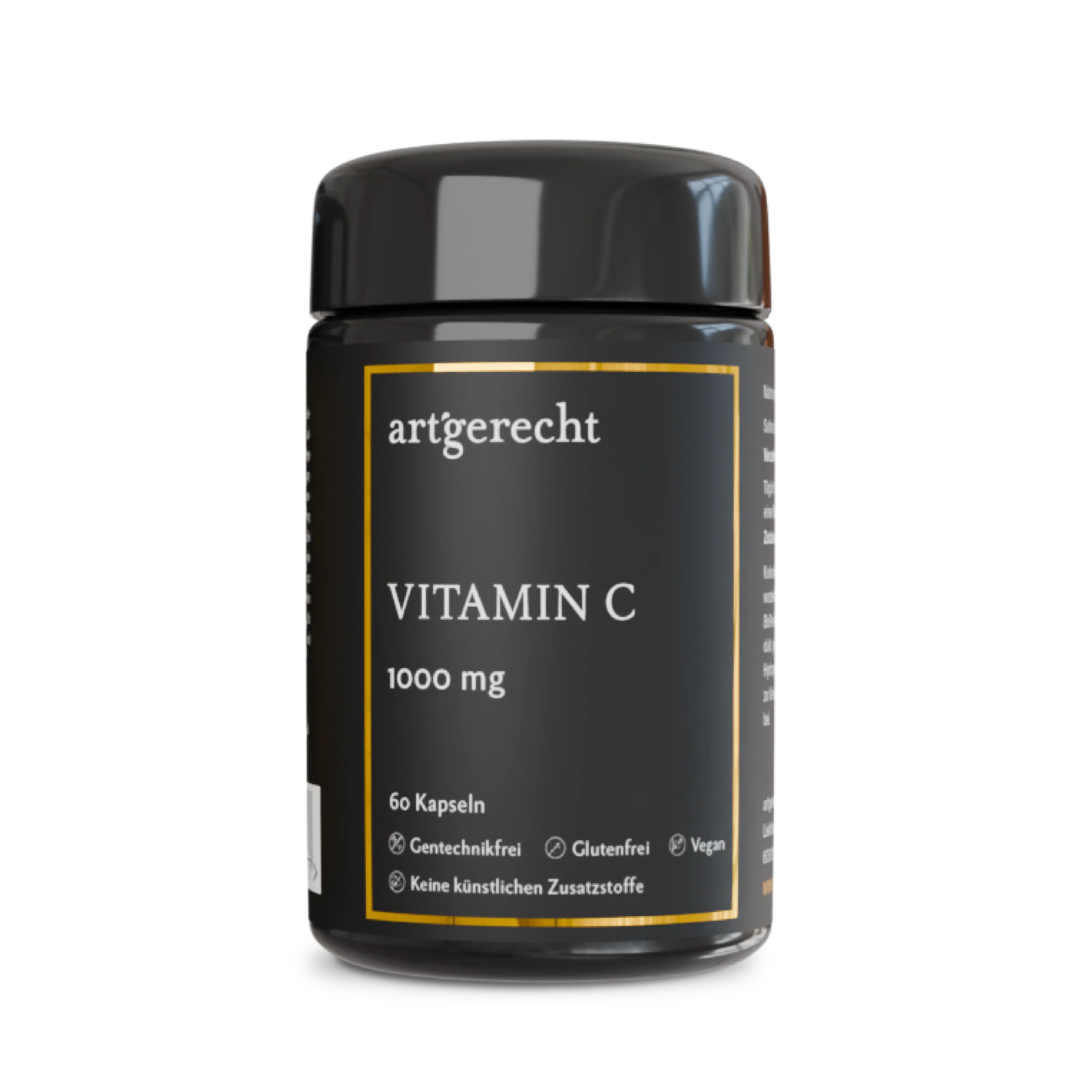
High-dose vitamin C from rosehip extract
Natural vitamin C from rosehipBest-selling products

For your universal protection
As one of the most valuable proteins in the body, lactoferrin is a natural component of the immune system.
For your iron balance
Specially formulated for your iron balance with plant-based curry leaf iron, Lactoferrin CLN®, and natural Vitamin C from rose hips.

For Healthy Oral Flora & Dental Care
Formulated lozenges with Dentalac®, probiotic lactic acid bacteria, and Lactoferrin CLN®The latest entries
3 Posts in this encyclopedia categoryAuricular Dysmorphia
Intestinal Mucosal Atrophy
Bowel Pacemaker
Most read entries
3 Posts in this encyclopedia categoryMagnesiumcarbonat
Cologne list
Calorie content
Related search terms: Too much vitamin C