


Typhoid fever - symptoms, treatment & intestinal reconstruction afterwards
Typhoid fever is a bacterial infection with serious consequences. Find out more about the symptoms, treatment with antibiotics and tips for intestinal regeneration after the illness.
Wissenswertes über "Typhoid fever"
Typhoid fever is a bacterial infectious disease caused by Salmonella enterica serovar Typhi and is mainly transmitted via contaminated water or food.
Typhoid fever is particularly widespread in regions with poor hygiene conditions. After infection, the bacterium spreads in the intestine, can enter the bloodstream and cause systemic inflammation. Typical symptoms are persistent high fever, headache, abdominal pain, loss of appetite, digestive disorders such as diarrhoea or constipation and general weakness. If left untreated, typhoid fever can lead to serious complications such as intestinal perforations, blood poisoning or organ failure. Diagnosis is made by detecting the pathogen in blood, stool or urine samples.
The standard treatment for typhoid fever is antibiotics to eliminate the bacteria and prevent complications. However, antibiotics can not only kill the pathogenic bacteria, but also damage the healthy intestinal flora, which can result in digestive problems, a weakened immune system and nutrient deficiencies. It is therefore particularly important to regenerate the gut and strengthen the immune defence after typhoid therapy. High-quality probiotics with strains such as Lactobacillus and Bifidobacterium can help to rebalance the intestinal flora. Prebiotic fibres such as inulin or resistant starch serve as a food source for healthy intestinal bacteria and promote their growth. Lactoferrin, an iron-binding glycoprotein with antimicrobial and immunomodulating properties, can support the restoration of the intestinal barrier and regulate the inflammatory response in the body. The amino acid glutamine is essential for the regeneration of the intestinal mucosa and can help to reduce inflammation in the digestive tract.In addition, omega-3 fatty acids can have an anti-inflammatory effect and help to repair damaged tissue. Vitamin B12 and folic acid play an important role in cell regeneration and support the energy balance, which can be impaired after a severe infection. As typhoid fever often leads to a loss of minerals, electrolytes such as potassium, magnesium and zinc should be replenished. An easily digestible diet with nutrient-rich foods, sufficient fluid intake and a slow return to a wholesome diet are crucial for a full recovery.
Verwandte Produkte
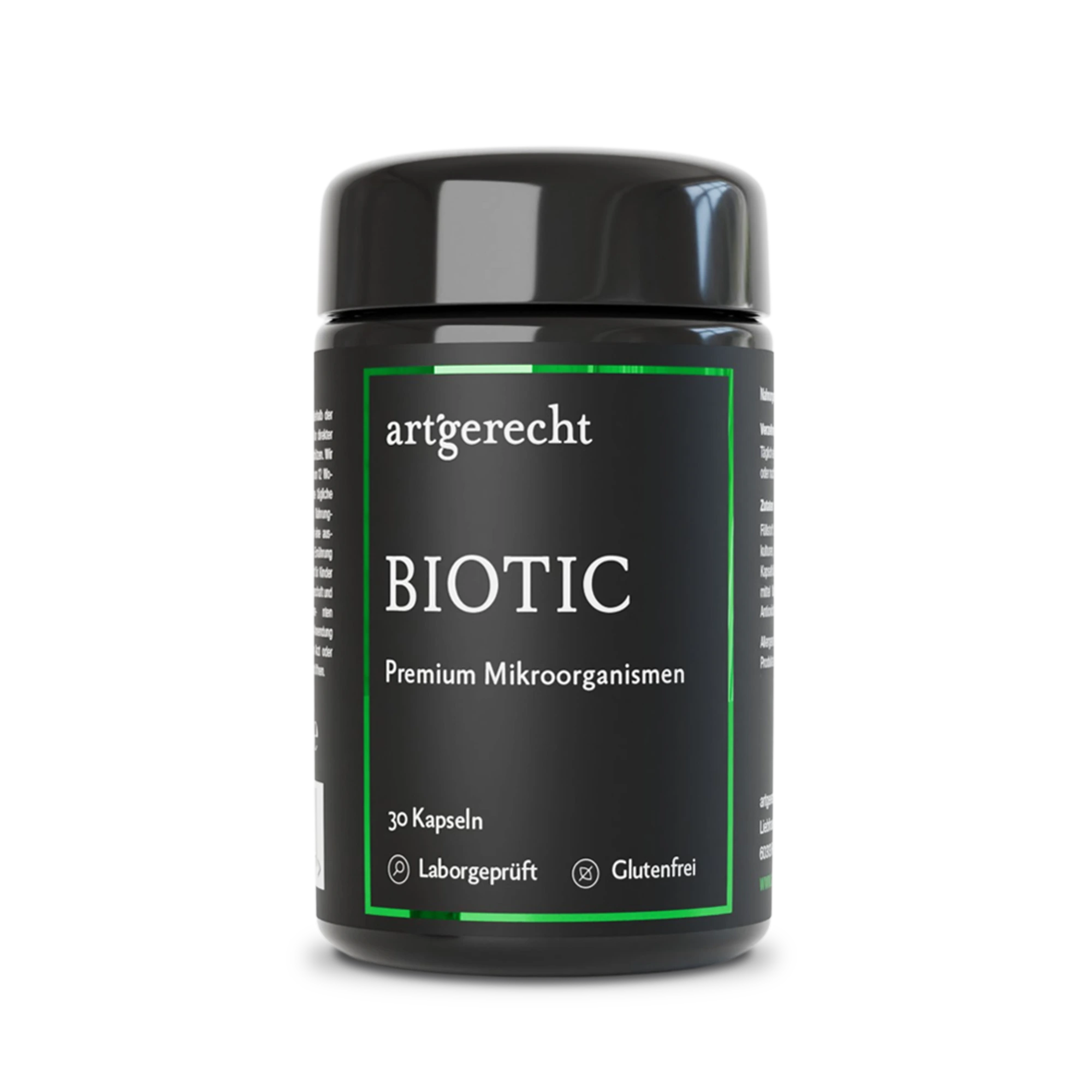
For the support of your healthy gut flora
Specifically cultivated symbiotic microorganisms, tailored to the human gut
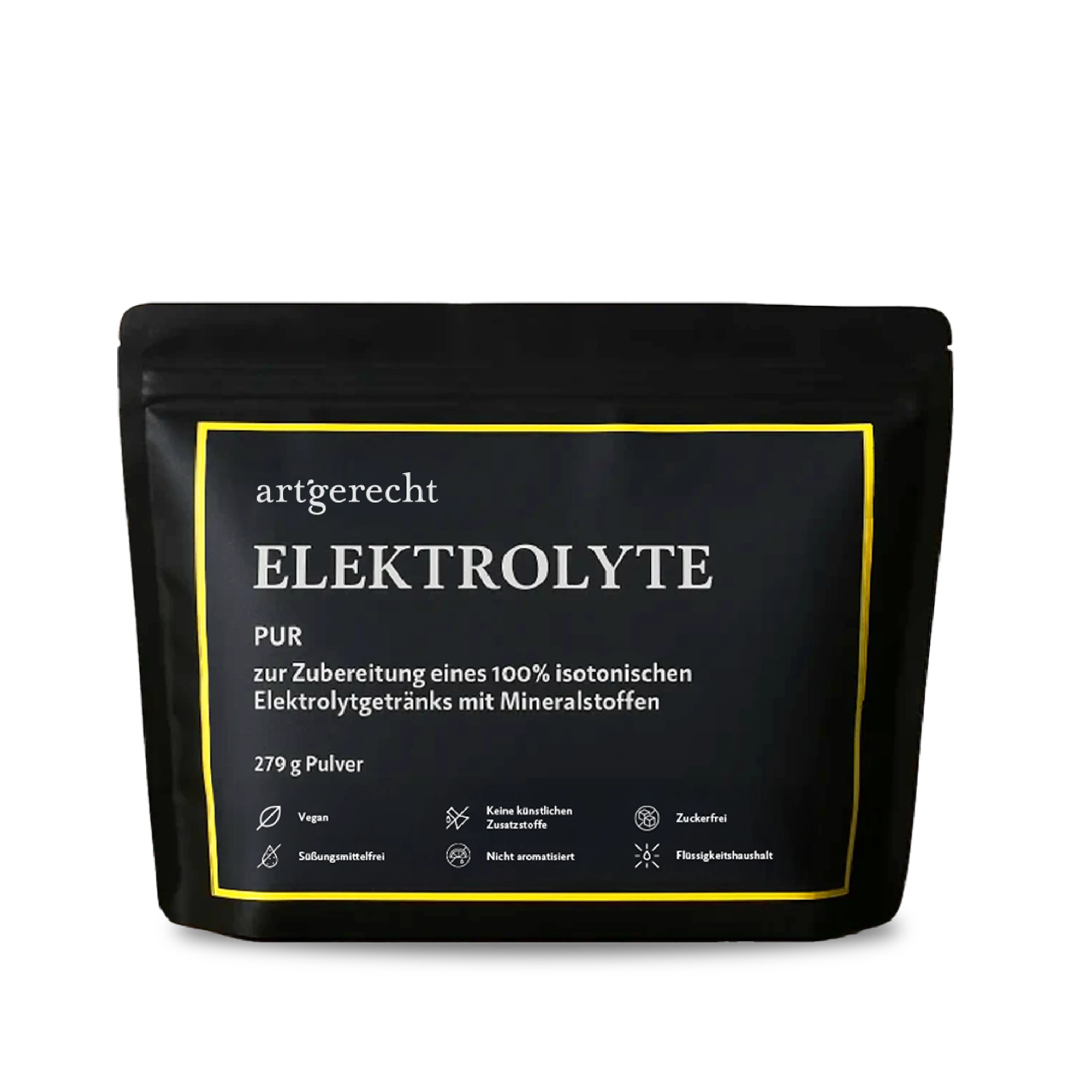
Pure. Isotonic. Effective. artgerecht Pure.
Replenish what you lack – naturally and fast

For your universal protection
As one of the most valuable proteins in the body, lactoferrin is a natural component of the immune system.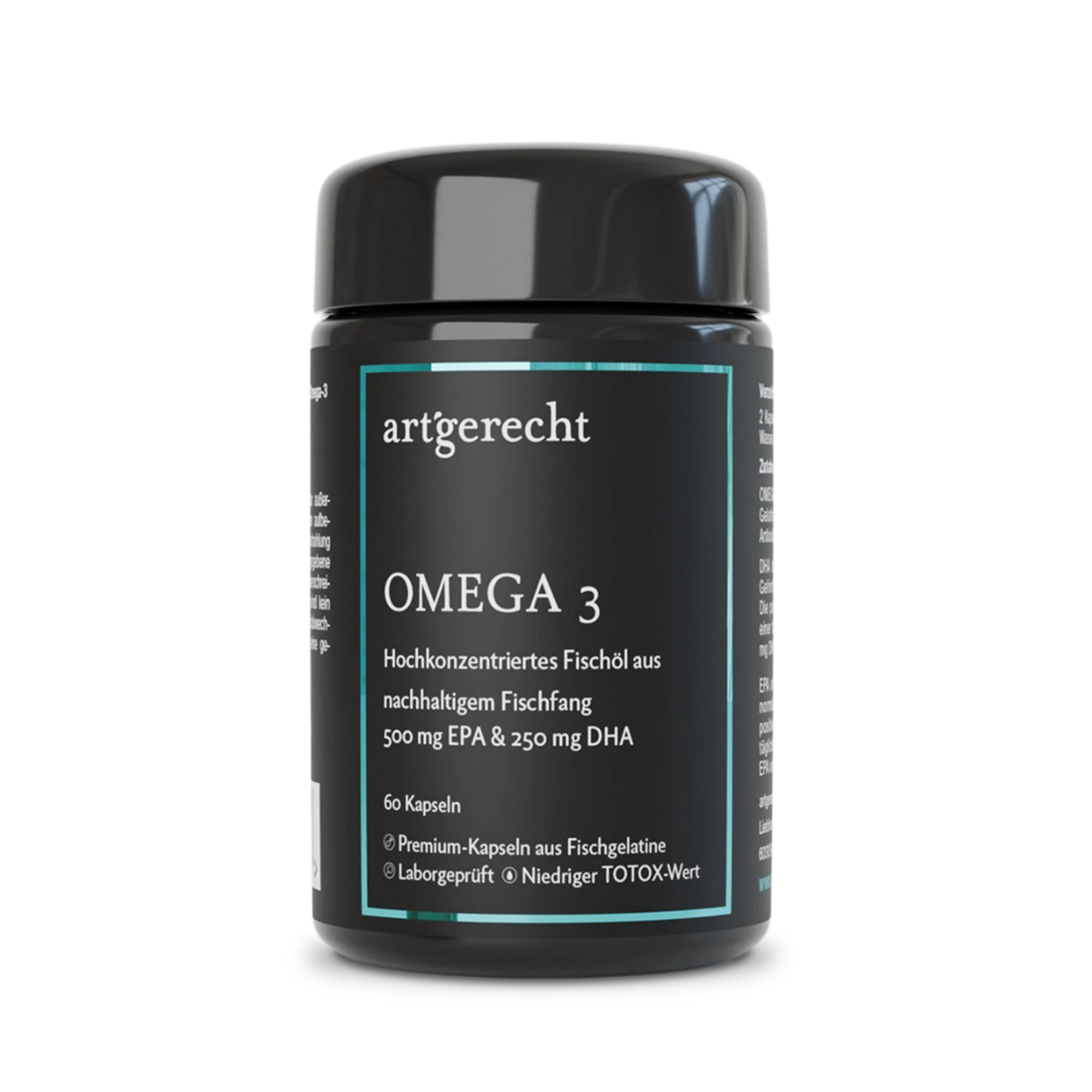
For Your Eyes, Heart, and Brain
High content of essential Omega-3 fatty acids EPA and DHA, sourced from sustainable fishing.
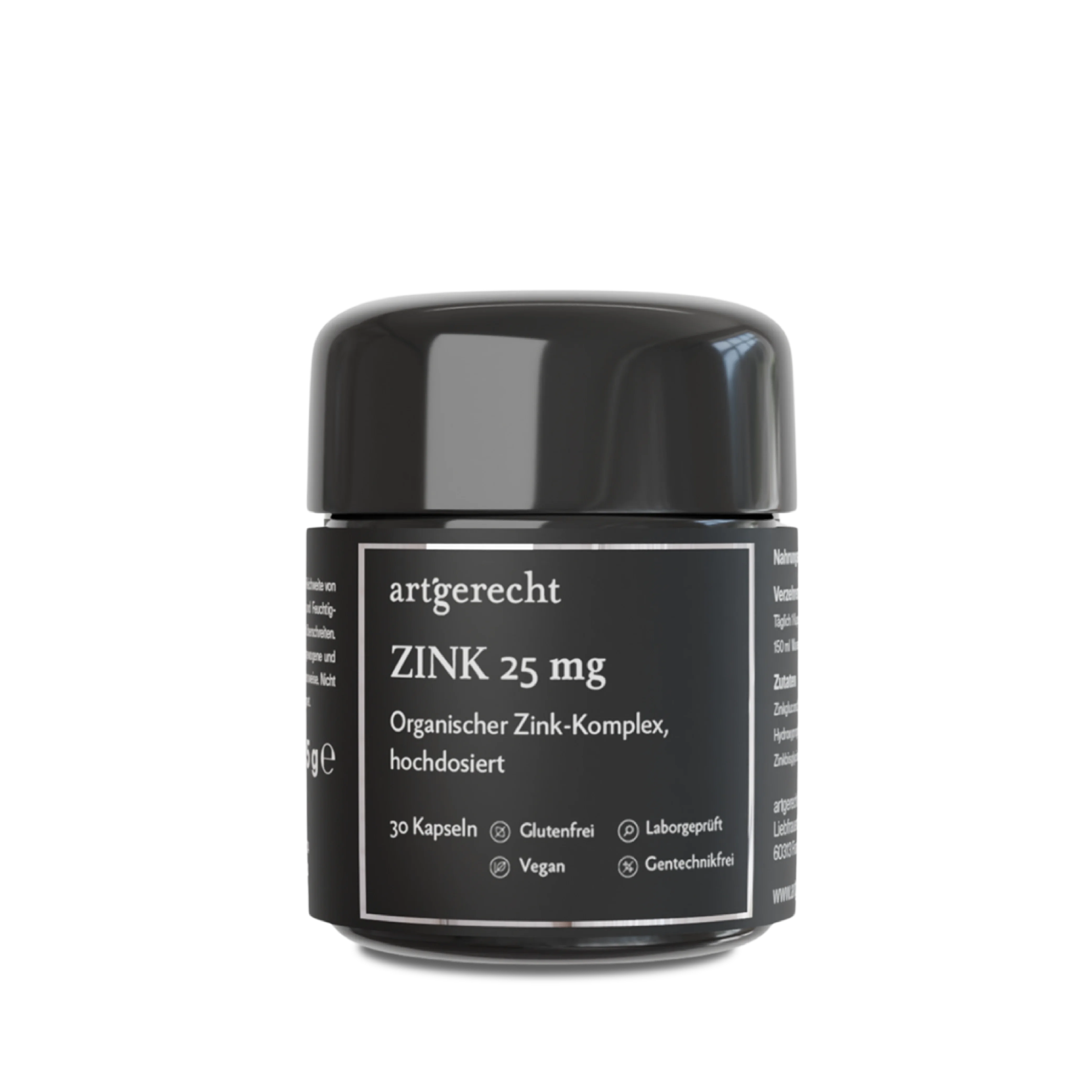
Essential trace element for your health & well-being
High-purity organic zinc compounds for the immune system, skin & hair
Best-selling products

For your universal protection
As one of the most valuable proteins in the body, lactoferrin is a natural component of the immune system.

For your iron balance
Specially formulated for your iron balance with plant-based curry leaf iron, Lactoferrin CLN®, and natural Vitamin C from rose hips.

For Healthy Oral Flora & Dental Care
Formulated lozenges with Dentalac®, probiotic lactic acid bacteria, and Lactoferrin CLN®The latest entries
3 Posts in this encyclopedia categoryFasting Reaction
Vasculogenesis
Lymphocyte Subtype
Most read entries
3 Posts in this encyclopedia categoryMagnesiumcarbonat
Cologne list
Calorie content
Related search terms: Typhoid + Typhus + Tifus + Tiphus + Typhus symptoms