


Paranasal Sinuses – Anatomy, Function and Diseases
The paranasal sinuses are air-filled cavities in the skull bones connected to the nasal cavity. They play a key role in breathing, voice resonance, and immune defense.
Wissenswertes über "Paranasal Sinuses"
The paranasal sinuses are air-filled cavities in the skull bones connected to the nasal cavity. They play a key role in breathing, voice resonance, and immune defense.
What Are the Paranasal Sinuses?
The paranasal sinuses (Latin: Sinus paranasales) are air-filled hollow spaces located within the bones of the skull. They are connected to the nasal cavity through small openings and are lined with a mucous membrane that produces secretions. These secretions help to humidify and filter the inhaled air. The paranasal sinuses are part of the upper respiratory tract and contribute to breathing, immune defense, and voice resonance.
Anatomy and Location
In humans, there are four pairs of paranasal sinuses, each located symmetrically on both sides of the facial skull:
- Maxillary sinuses (Sinus maxillares): The largest of the paranasal sinuses, located in the cheekbones on either side of the nose.
- Frontal sinuses (Sinus frontales): Found above the eye sockets in the forehead. They are absent at birth and develop gradually during childhood.
- Ethmoid sinuses (Sinus ethmoidales): A group of small, honeycomb-like air cells located in the ethmoid bone between the eye sockets.
- Sphenoid sinuses (Sinus sphenoidales): Situated deep within the skull in the sphenoid bone, just below the pituitary gland (hypophysis).
Functions of the Paranasal Sinuses
The paranasal sinuses serve several important roles in the human body:
- Humidification and warming of inhaled air: The mucous membranes produce secretions that moisten and warm the air before it reaches the lungs.
- Filtering of inhaled air: Tiny hair-like structures called cilia sweep dust particles and pathogens toward the throat, where they are swallowed or expelled.
- Reduction of skull weight: The air-filled cavities reduce the overall weight of the skull bones.
- Voice resonance: The sinuses act as resonance chambers that contribute to the unique timbre and quality of a person's voice.
- Protective function: The hollow spaces may act as a buffer during mechanical impacts to the face.
Common Diseases of the Paranasal Sinuses
Sinusitis (Sinus Infection)
The most common condition affecting the paranasal sinuses is sinusitis, an inflammation of the sinus lining. It can be acute (short-term, typically following a cold) or chronic (lasting more than 12 weeks). Typical symptoms include facial pressure or pain, nasal congestion, headache, fever, and purulent nasal discharge.
Nasal Polyps
Nasal polyps are benign (non-cancerous) growths of the mucous membrane that frequently develop in the paranasal sinuses. They can block the natural drainage openings of the sinuses, leading to chronic congestion and reduced sense of smell.
Cysts and Benign Tumors
Mucous retention cysts or, less commonly, benign tumors such as papillomas can form within the paranasal sinuses. Depending on their size and location, they may cause varying degrees of discomfort.
Malignant Tumors
Malignant tumors of the paranasal sinuses are rare but clinically significant. They are often diagnosed at a late stage because they can remain asymptomatic for a prolonged period.
Diagnosis
Several diagnostic methods are available to evaluate the paranasal sinuses:
- Nasal endoscopy: A thin, flexible endoscope is inserted into the nose to directly inspect the mucous membranes and sinus openings.
- Computed tomography (CT): Provides detailed cross-sectional images of the sinuses and is the standard imaging method before surgical intervention.
- Magnetic resonance imaging (MRI): Particularly useful for evaluating soft tissue changes and tumors.
- X-ray: A basic but less informative imaging method, largely replaced by CT in modern clinical practice.
Treatment
Treatment depends on the underlying condition:
- Medical therapy: Acute sinusitis is typically managed with decongestant nasal sprays, saline irrigation, mucolytic agents, and antibiotics in cases of bacterial infection. Nasal polyps and chronic inflammation are often treated with corticosteroid nasal sprays.
- Surgical therapy: For chronic sinusitis or nasal polyps that do not respond to medication, functional endoscopic sinus surgery (FESS) may be performed. This procedure widens the natural sinus openings and removes diseased tissue to restore normal drainage and ventilation.
References
- Fokkens WJ et al. - European Position Paper on Rhinosinusitis and Nasal Polyps (EPOS) 2020. Rhinology. 2020;58(Suppl S29):1-464.
- Rosenfeld RM et al. - Clinical Practice Guideline: Adult Sinusitis. Otolaryngology–Head and Neck Surgery. 2015;152(2 Suppl):S1-S39.
- Drake RL, Vogl AW, Mitchell AWM: Gray's Anatomy for Students. 4th Edition. Elsevier, Philadelphia, 2019.
Verwandte Produkte
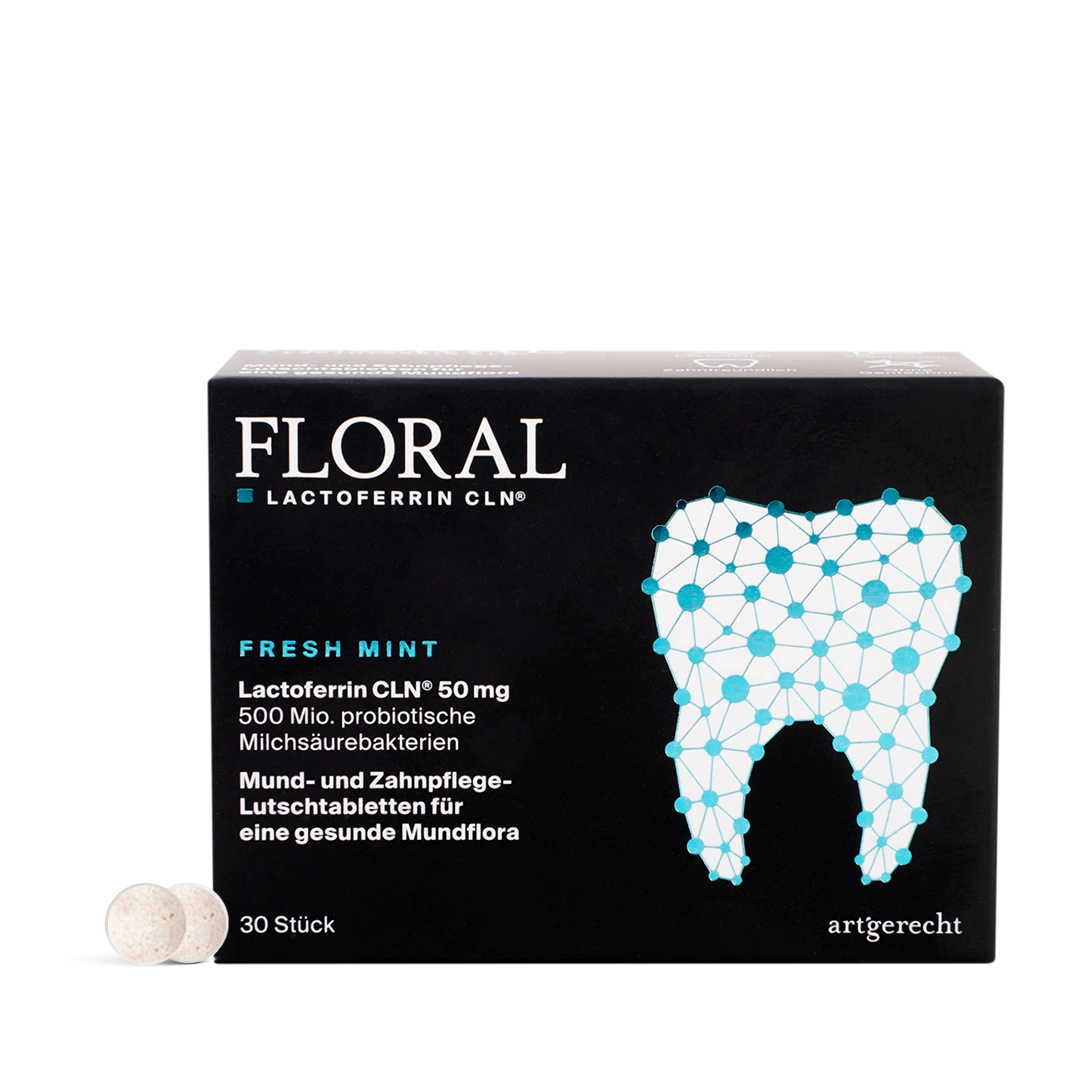
For Healthy Oral Flora & Dental Care
Formulated lozenges with Dentalac®, probiotic lactic acid bacteria, and Lactoferrin CLN®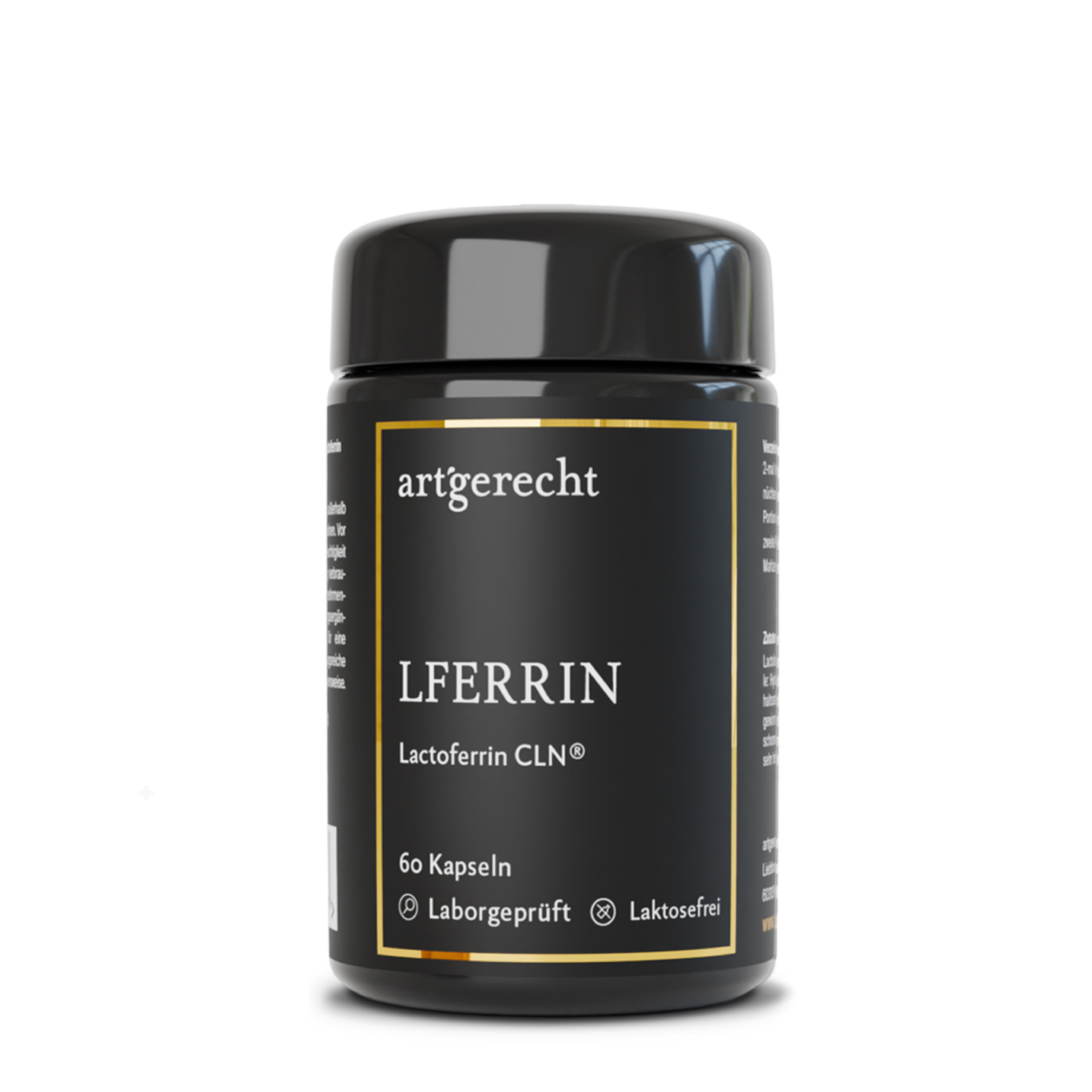
For your universal protection
As one of the most valuable proteins in the body, lactoferrin is a natural component of the immune system.
For your iron balance
Specially formulated for your iron balance with plant-based curry leaf iron, Lactoferrin CLN®, and natural Vitamin C from rose hips.
Best-selling products
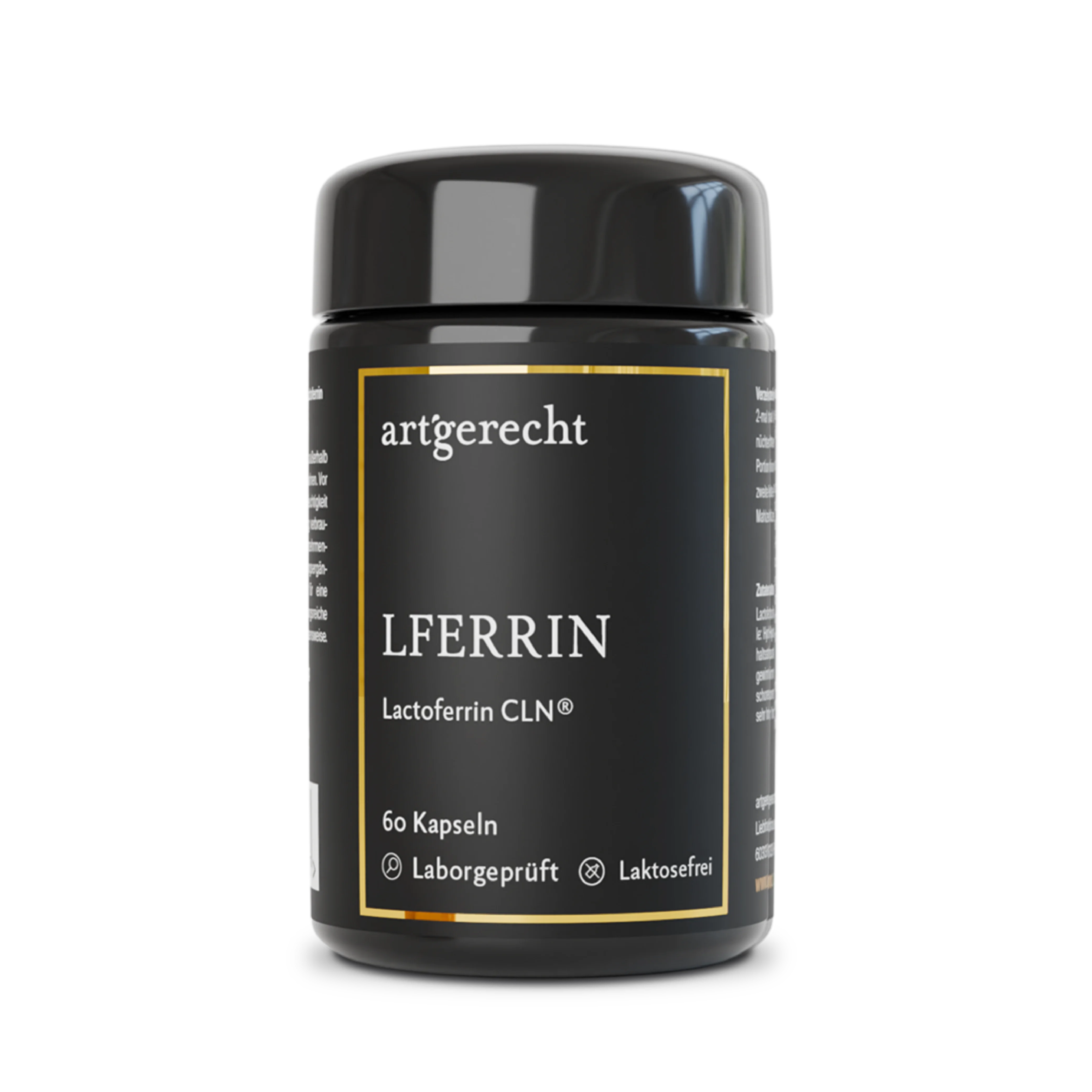
For your universal protection
As one of the most valuable proteins in the body, lactoferrin is a natural component of the immune system.
For your iron balance
Specially formulated for your iron balance with plant-based curry leaf iron, Lactoferrin CLN®, and natural Vitamin C from rose hips.
For Healthy Oral Flora & Dental Care
Formulated lozenges with Dentalac®, probiotic lactic acid bacteria, and Lactoferrin CLN®The latest entries
3 Posts in this encyclopedia categoryNeuroblastoma
Swollen Lymph Nodes
Most read entries
3 Posts in this encyclopedia categoryMagnesiumcarbonat
Cologne list
Calorie content
Related search terms: Paranasal Sinuses + Paranasal Sinus + Sinuses + Sinus paranasales