


Cholesterol - a fatty substance important for cells, hormones & heart health
Cholesterol is a vital substance for cell structure and hormone production. Too much LDL cholesterol increases the risk of a heart attack - diet and exercise help to regulate this.
Wissenswertes über "Cholesterol"
Cholesterol is a fat-like substance (lipid molecule) that is vital for cell membranes and is both produced in the liver and absorbed through food.
In addition to its function as a building block for the body's cell membranes, cholesterol serves as a starting material for the production of hormones such as oestrogen, testosterone and cortisol and plays a central role in the formation of bile acids, which are required for the digestion of fat.Cholesterol is transported in the blood in the form of lipoproteins, which consist of fats and proteins.
Cholesterol is often associated with health risks such as heart attacks, especially if the ratio of LDL cholesterol (the "bad" cholesterol) to HDL cholesterol (the "good" cholesterol) is too high.
- LDL cholesterol (low density lipoprotein) is colloquially referred to as "bad cholesterol", as it can be deposited in the vessel walls in excess and form plaques or calcifications there, which increase the risk of arteriosclerosis (vascular calcification). This can lead to circulatory disorders, heart attacks or strokes.
- HDL cholesterol (high density lipoprotein) is considered "good cholesterol" as it transports excess cholesterol from the tissues back to the liver and thus has a vasoprotective effect.
The most common causes of high cholesterol levels include an unhealthy diet, lack of exercise, smoking, genetic predisposition and chronic diseases such as diabetes. Stress and obesity can also have a negative effect on cholesterol levels. Foods rich in fibre such as oatmeal, fruit, vegetables and pulses can help with high cholesterol levels. They bind cholesterol in the intestine and promote its excretion. Saturated fatty acids, which are found in avocados, nuts, olive oil and fish, help to lower LDL. Omega-3 fatty acids from fish or algae oil are known to lower triglyceride levels (subgroup of fats) and promote heart health.
Important features of cholesterol:
- Issential for cell membranes, hormones, vitamin D, bile acids
- Differentiated into LDL (bad) and HDL (good)
- Elevated levels increase the risk of arteriosclerosis and heart attack
- Regulation via lifestyle, diet and, if necessary, medication
- . Medication
- Part of every routine blood test for cardiovascular prophylaxis
Literature references
- Grundy, S. M. (2003). "Cholesterol and coronary heart disease: a new era." JAMA.
- Gotto, A. M. (1997). "Therapeutic approaches to the management of hypercholesterolemia." Circulation.
- German Society of Cardiology (2021). "Guideline on lipid therapy and prevention of cardiovascular disease."
Verwandte Produkte
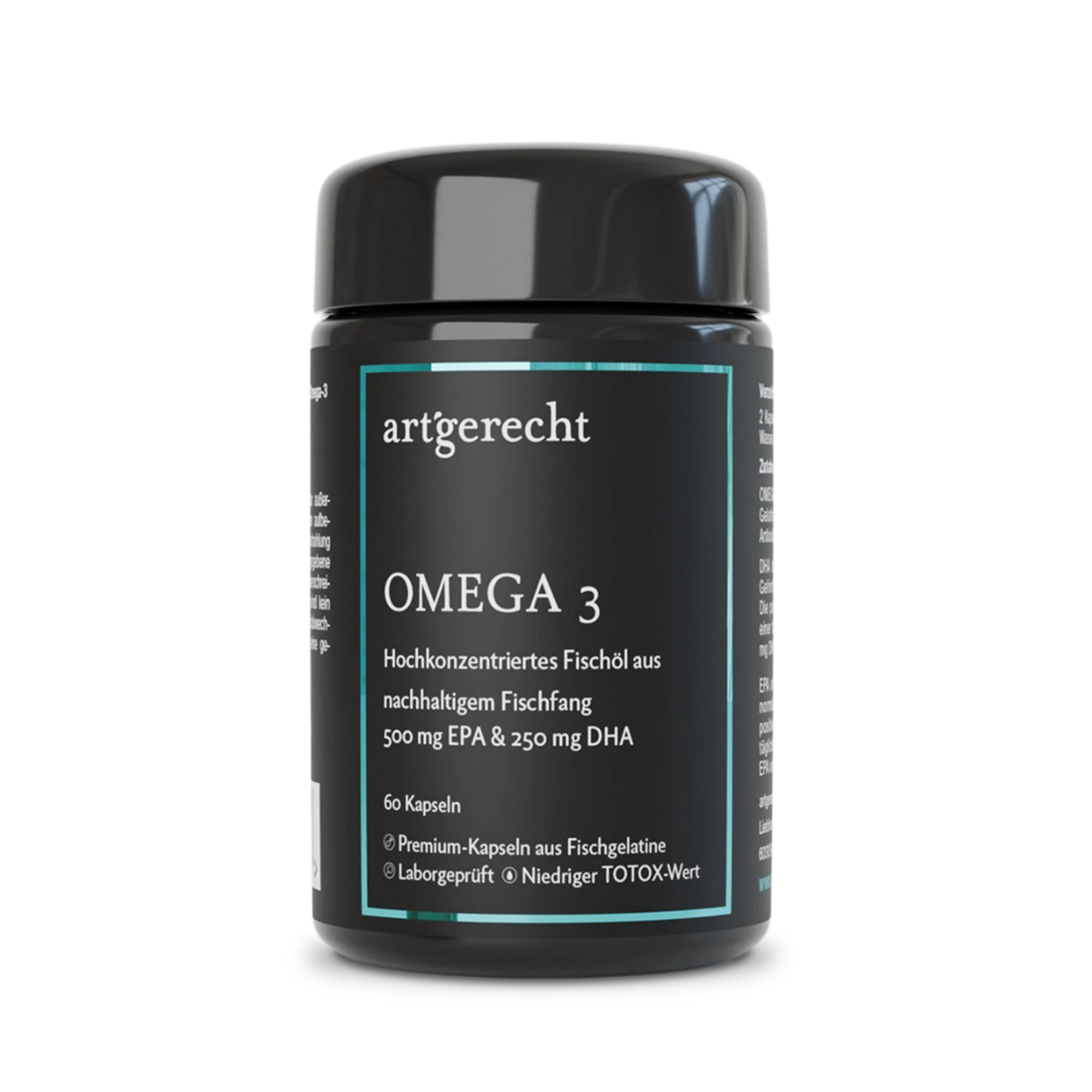
For Your Eyes, Heart, and Brain
High content of essential Omega-3 fatty acids EPA and DHA, sourced from sustainable fishing.
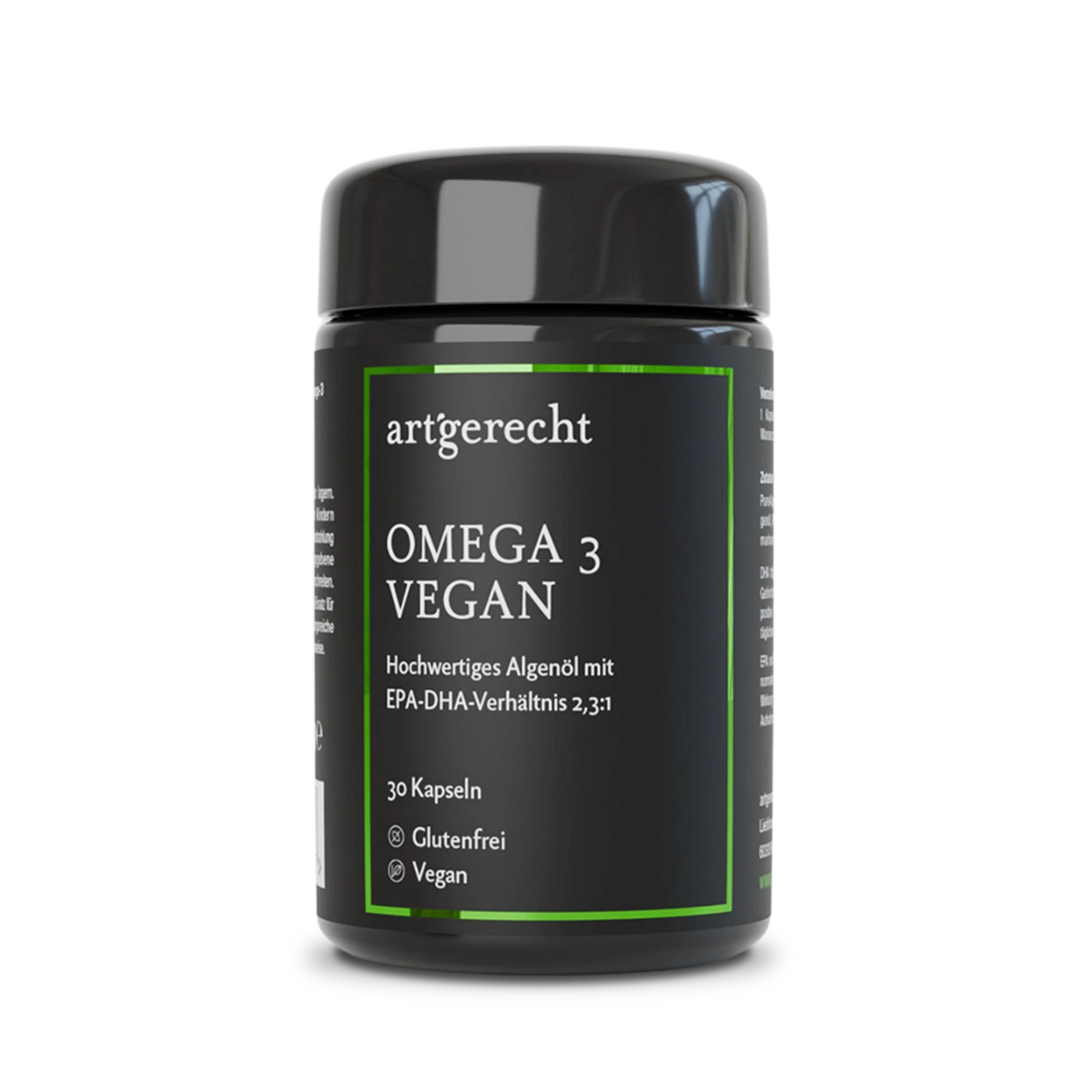
For Your Eyes, Heart, and Brain
High content of essential Omega-3 fatty acids EPA and DHA exclusively from high-quality algae oil (PureAlgaeOmega3™)
Best-selling products

For your universal protection
As one of the most valuable proteins in the body, lactoferrin is a natural component of the immune system.

For your iron balance
Specially formulated for your iron balance with plant-based curry leaf iron, Lactoferrin CLN®, and natural Vitamin C from rose hips.

For Healthy Oral Flora & Dental Care
Formulated lozenges with Dentalac®, probiotic lactic acid bacteria, and Lactoferrin CLN®The latest entries
3 Posts in this encyclopedia categoryScar Tissue
Bulla Drainage
Biorhythm Disorder
Most read entries
3 Posts in this encyclopedia categoryMagnesiumcarbonat
Cologne list
Calorie content
Related search terms: Cholesterol + colesterol + lower cholesterol + LDL cholesterol + HDL cholesterol + cholesterol too high