


Collagen - function, effect & benefits for skin, joints & connective tissue
Collagen is a structural protein that is found in bones, skin, tendons and connective tissue and gives the body stability and elasticity.
Verwandte Produkte
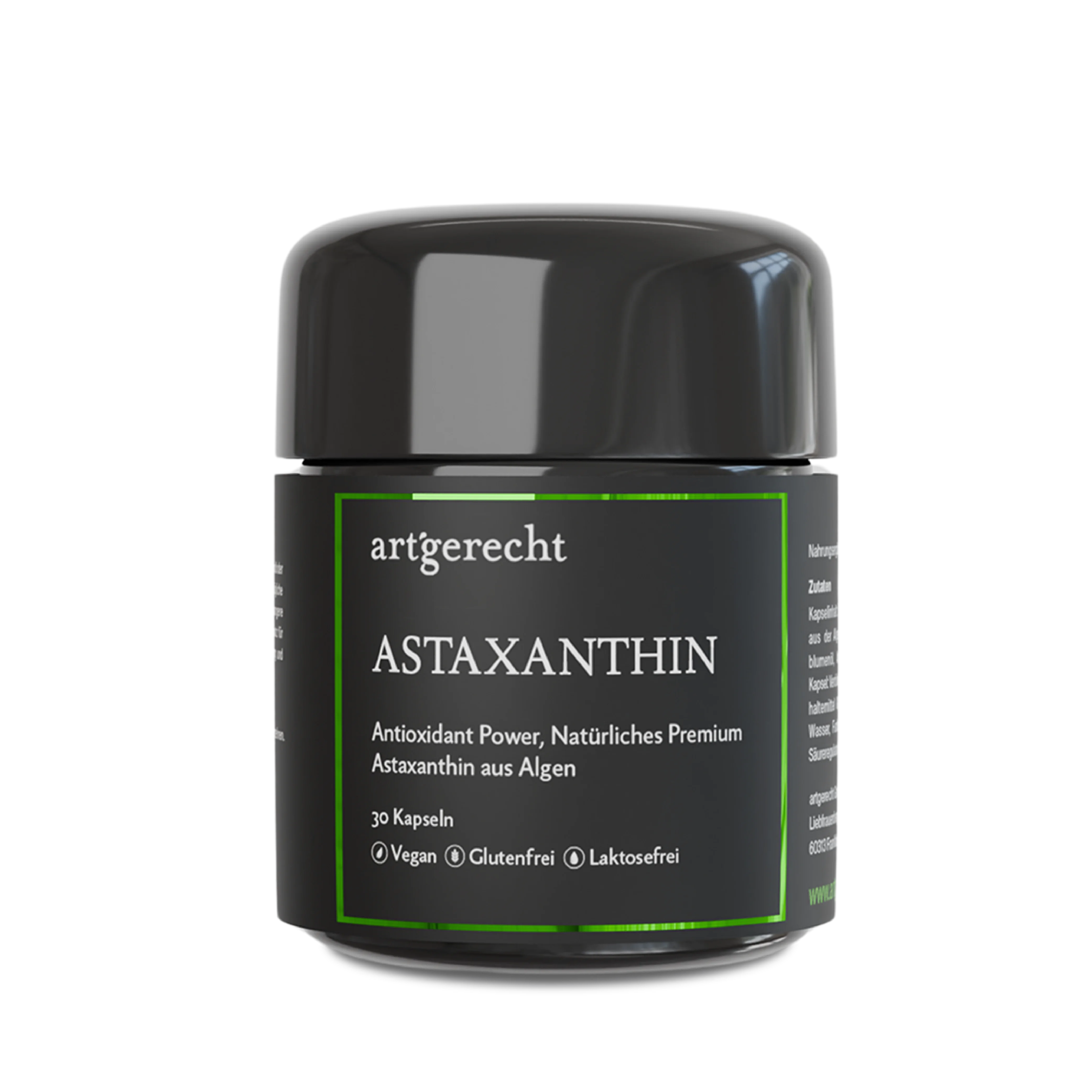
Astaxanthin

Antioxidant Power Deluxe
High-purity Astaxanthin, derived purely from algae, for natural skin protection and anti-aging effects.
30 Capsules
€39.90
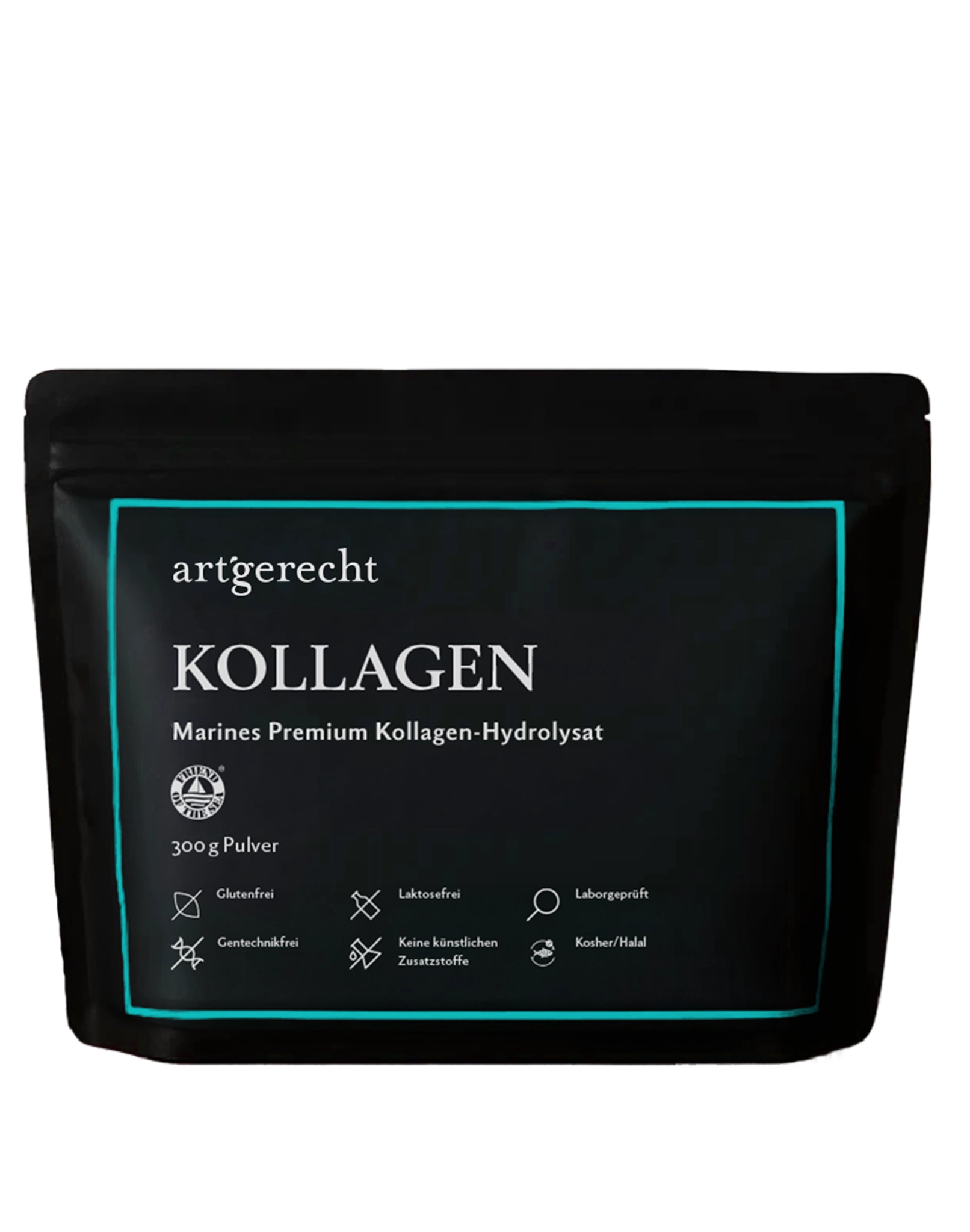
Collagen

Holistic support for bones, joints, muscles & skin
For your well-being – inside and out
300 g
€29.90
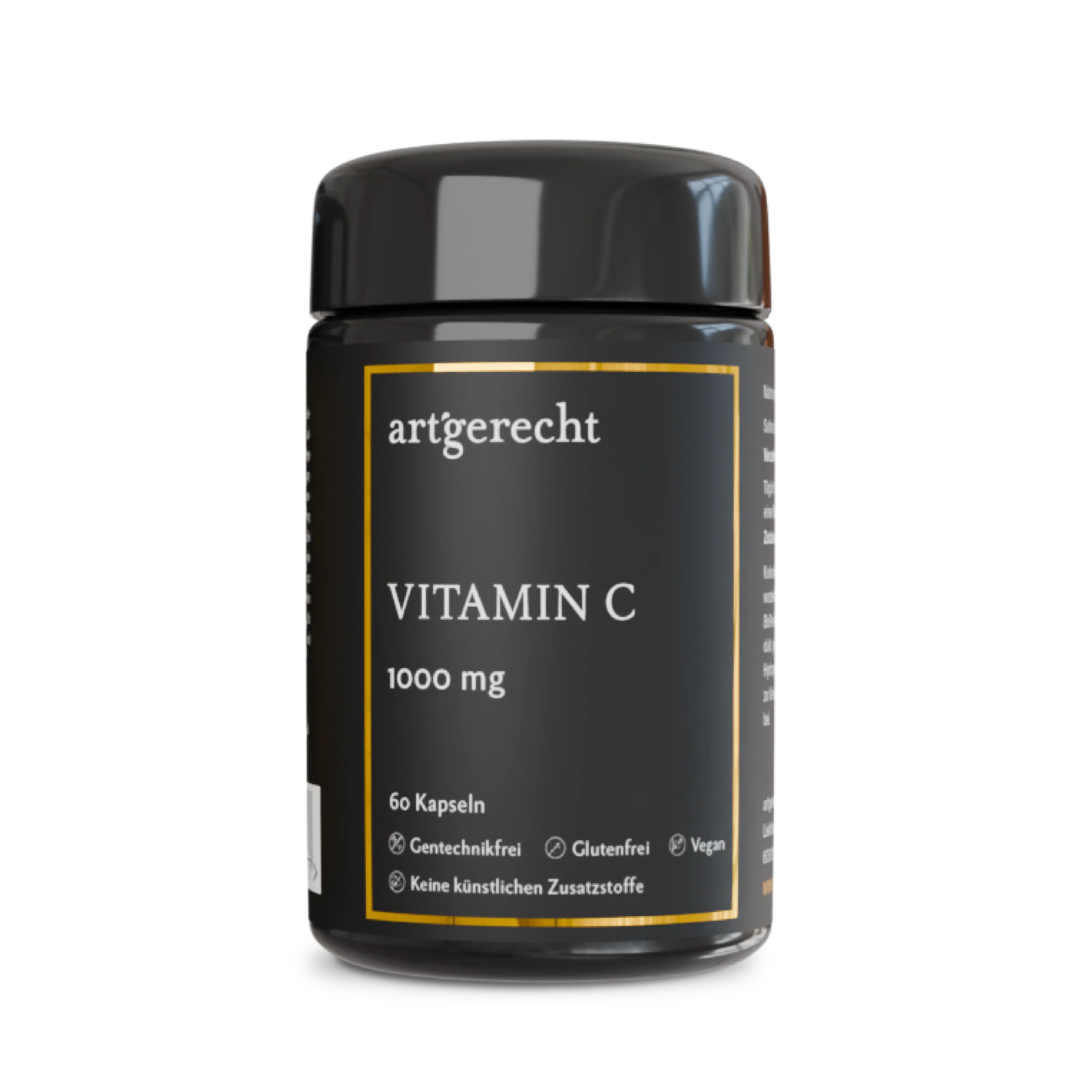
Vitamin C
High-dose vitamin C from rosehip extract
Natural vitamin C from rosehip60 capsules
€16.90
Best-selling products

Lactoferrin 60 Capsules
For your universal protection
As one of the most valuable proteins in the body, lactoferrin is a natural component of the immune system.
60 Capsules
€59.90

Natural Iron
For your iron balance
Specially formulated for your iron balance with plant-based curry leaf iron, Lactoferrin CLN®, and natural Vitamin C from rose hips.
30 Capsules
€35.90

Floral
For Healthy Oral Flora & Dental Care
Formulated lozenges with Dentalac®, probiotic lactic acid bacteria, and Lactoferrin CLN®30 lozenges
€25.90
The latest entries
3 Posts in this encyclopedia categoryUridine Supplement
A uridine supplement provides the nucleobase uridine as a dietary supplement. It is used to support nerve function, memory, and cellular metabolism.
Auricular Dysmorphia
Auricular dysmorphia refers to a malformation or shape abnormality of the outer ear, which can be congenital or acquired and may affect both the appearance and function of the ear.
Intestinal Mucosal Atrophy
Intestinal mucosal atrophy refers to the deterioration of the intestinal lining, impairing nutrient absorption and the protective barrier function of the gut.
Most read entries
3 Posts in this encyclopedia categoryMagnesiumcarbonat
Magnesiumcarbonat ist eine anorganische Magnesiumverbindung mit säure-neutralisierender (antazidischer) Wirkung. Erfahre mehr über Vorteile, Einsatzgebiete und Unterschiede zu besser resorbierbaren Magnesiumformen.
Cologne list
The Cologne List ® is an important initiative in competitive sports that offers athletes guidance in the selection of nutritional supplements.
Calorie content
The choice of food influences our energy intake. The calorie content varies greatly - some provide little energy, others a lot.
Related search terms: Collagen + collagen + collagen effect