


Free radicals - what they trigger and protective measures
Free radicals promote cell damage & ageing. Learn how antioxidants and lactoferrin help to reduce oxidative stress and protect cells.
Wissenswertes über "Free radicals"
Free radicals are highly reactive oxygen compounds that are produced in the body as a by-product of metabolic processes - especially in the mitochondria, the ""power stations"" of the cells.
Free radicals contain an unpaired electron and therefore tend to steal electrons from other molecules. This process - oxidation - can damage cell structures such as membranes, enzymes and DNA -. In small quantities, free radicals fulfil important functions in the immune system and signal transmission. However, it becomes critical when their levels become excessive - for example due to UV radiation, environmental toxins, smoking, chronic stress or an unbalanced diet.
Excess free radicals lead to oxidative stress, which is associated with a variety of chronic diseases: including cardiovascular disease, neurodegenerative processes, type 2 diabetes, accelerated cell ageing as well as skin problemsand inflammation. To maintain balance, the body uses endogenous antioxidants such as glutathione, superoxide dismutase or catalase - and relies on an antioxidant-rich diet to neutralise free radicals.
Important protective substances include astaxanthin, vitamin C, vitamin E, selenium and secondary plant substances such as flavonoids or quercetin. The natural protein lactoferrin has also been shown in studies to have a radical-scavenging, anti-inflammatory and cell-stabilising effect. It can alleviate oxidative stress, strengthen the body's own defences and is therefore increasingly being used as a functional active ingredient to prevent cellular damage - particularly in the case of inflammation, ageing processes and immune stress.
Literature references:- Valko, M. et al. (2007). Free radicals and antioxidants in normal physiological functions and human disease. The International Journal of Biochemistry & Cell Biology, 39(1), 44-84.
- Pham-Huy, L. A. et al. (2008). Free radicals, antioxidants in disease and health. International Journal of Biomedical Science, 4(2), 89-96.
- Paesano, R. et al. (2010). Oral lactoferrin supplementation improves markers of inflammation and oxidative stress. Biometals, 23(3), 411-417.
Verwandte Produkte
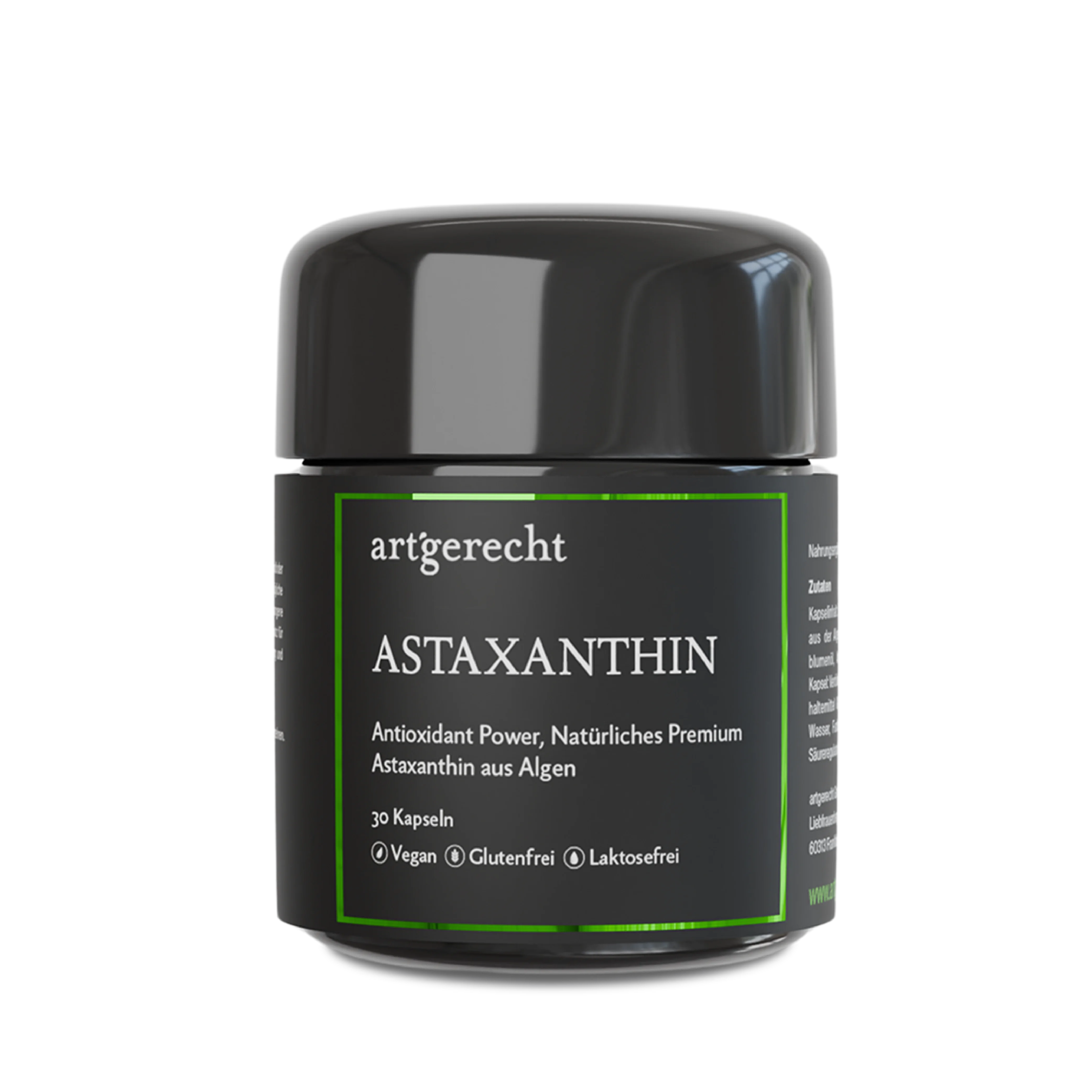
Antioxidant Power Deluxe
High-purity Astaxanthin, derived purely from algae, for natural skin protection and anti-aging effects.

For your universal protection
As one of the most valuable proteins in the body, lactoferrin is a natural component of the immune system.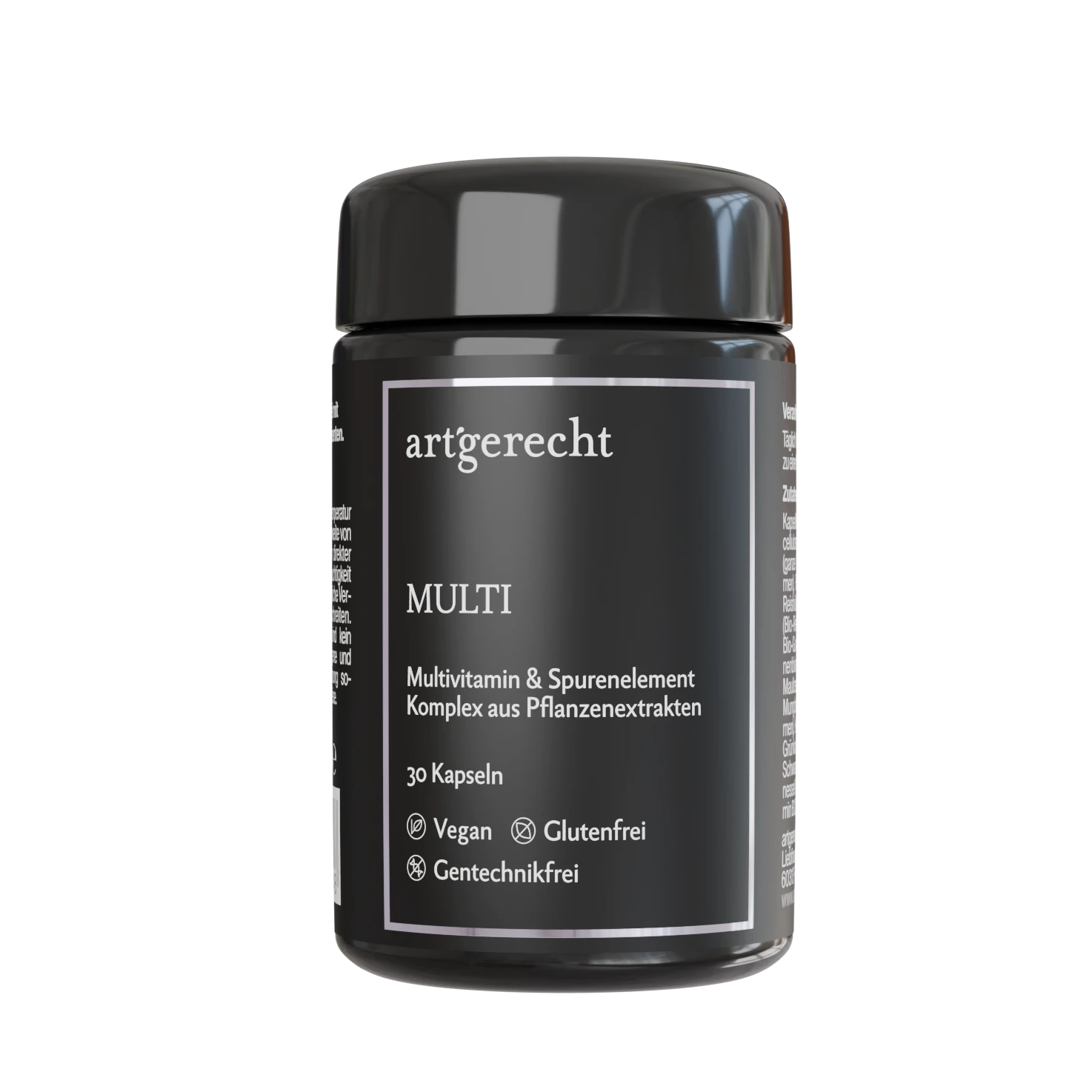
Daily basic supply: the complete spectrum of micronutrients
Natural multivitamin complex for the immune system, energy, and central body functions
Best-selling products

For your universal protection
As one of the most valuable proteins in the body, lactoferrin is a natural component of the immune system.

For your iron balance
Specially formulated for your iron balance with plant-based curry leaf iron, Lactoferrin CLN®, and natural Vitamin C from rose hips.

For Healthy Oral Flora & Dental Care
Formulated lozenges with Dentalac®, probiotic lactic acid bacteria, and Lactoferrin CLN®The latest entries
3 Posts in this encyclopedia categoryChronic Itch
Bone Marrow Stimulation
Fasting Reaction
Most read entries
3 Posts in this encyclopedia categoryMagnesiumcarbonat
Cologne list
Calorie content
Related search terms: Free radicals +What are free radicals