


Intestinal inflammation - causes, symptoms and natural treatment options
Intestinal inflammation (enteritis) can cause digestive problems and nutritional deficiencies.
Wissenswertes über "Intestinal inflammation (enteritis)"
Intestinal inflammation can cause digestive problems and nutritional deficiencies. Find out more about the causes, symptoms and natural treatment approaches.
Intestinal inflammation, also known as enteritis, is an inflammatory disease of the intestine that affects both the small intestine and the colon./span>, is an inflammatory disease of the intestine that can affect both the small intestine and the large intestine. It can be acute or chronic and can have different causes. The most common triggers include infections caused by bacteria, viruses or parasites, Food intolerances, chronic inflammatory bowel disease (IBD) such as Crohn's disease or ulcerative colitis, stress, unhealthy diet and dysbiosis of the intestinal flora.
Typical symptoms of intestinal inflammation are diarrhoea, abdominal pain, flatulence, nausea and vomiting. In more severe cases, blood in the stool, fever and weight loss may occur. While acute inflammation is usually caused by infections and subsides after a few days, chronic intestinal inflammation can have long-term effects on nutrient absorption, the immune system and general intestinal health.
The treatment depends on the cause. In the case of infectious enteritis, sufficient fluid intake, electrolyte solutions and a stomach-friendly diet can help. In the case of chronic intestinal inflammation, therapy aims to reduce inflammation, stabilise the intestinal flora and regenerate the mucous membrane. An anti-inflammatory diet with easily digestible foods, omega-3 fatty acids, fibre and probiotics can help to soothe the gut.
Many health practitioners and holistically orientated doctors use the.span data-end="1708" data-start="1693">Lactoferrin as a supportive measure, as it has antibacterial, anti-inflammatory and immunomodulatory properties. Other natural approaches include curcumin, glutamine, zinc, quercetin and prebiotics, which contribute to the regeneration of the intestinal mucosa. Intermittent fasting and a gut-friendly diet can also help to stabilise the intestinal environment and reduce inflammation.
In order to get intestinal inflammation under control in the long term, a personalised diet, stress reduction, healthy intestinal flora and a targeted supply of nutrients are essential.
Verwandte Produkte
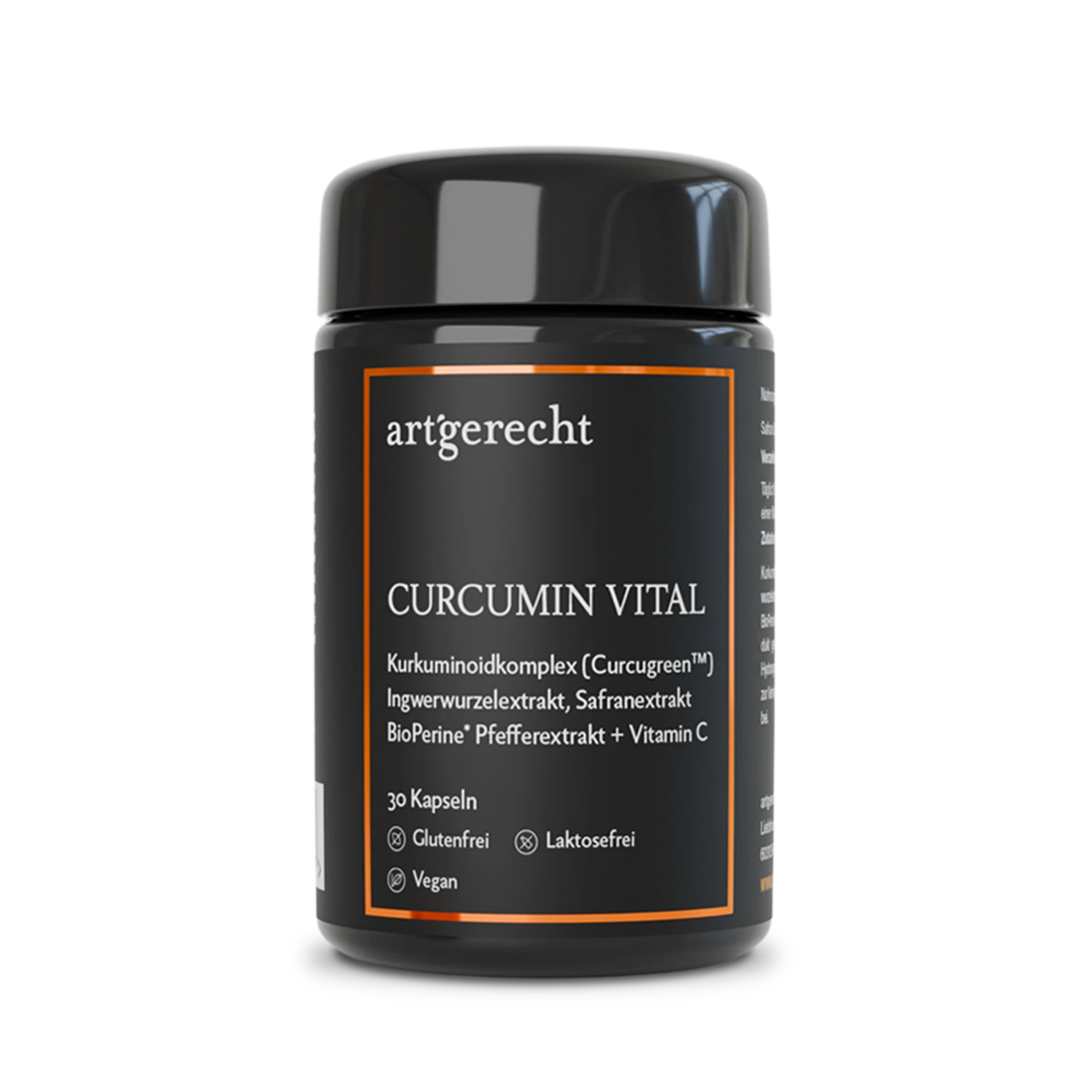
Powerful combination for your well-being
Traditionally proven ingredients: Ginger, saffron, and turmeric for your moment of comfort

For your universal protection
As one of the most valuable proteins in the body, lactoferrin is a natural component of the immune system.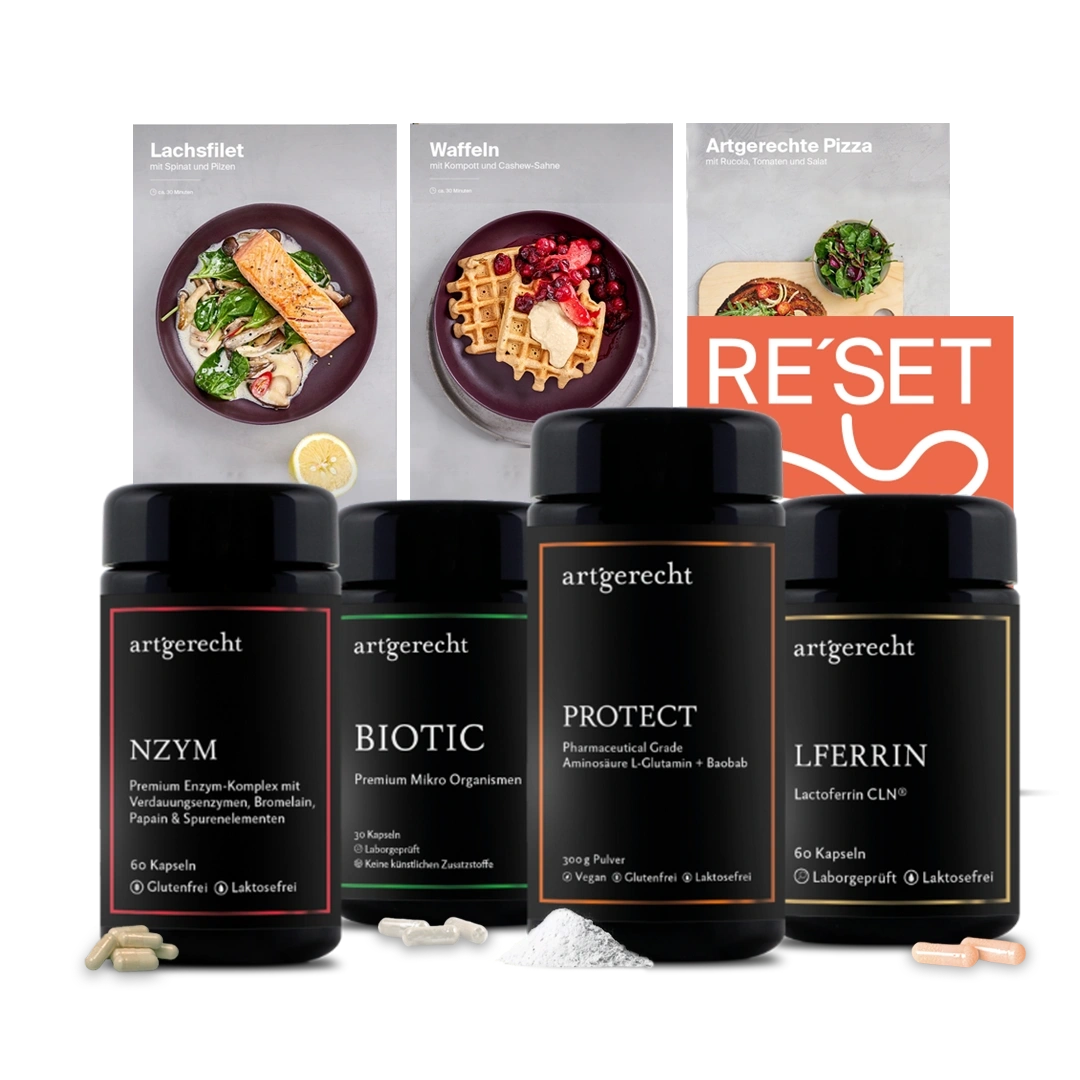
Give Your Gut a Fresh Start
A 30-day RESET Gut Cleanse with three objectives: restore gut balance, prevent modern diseases, and naturally lose weight in a healthy way.
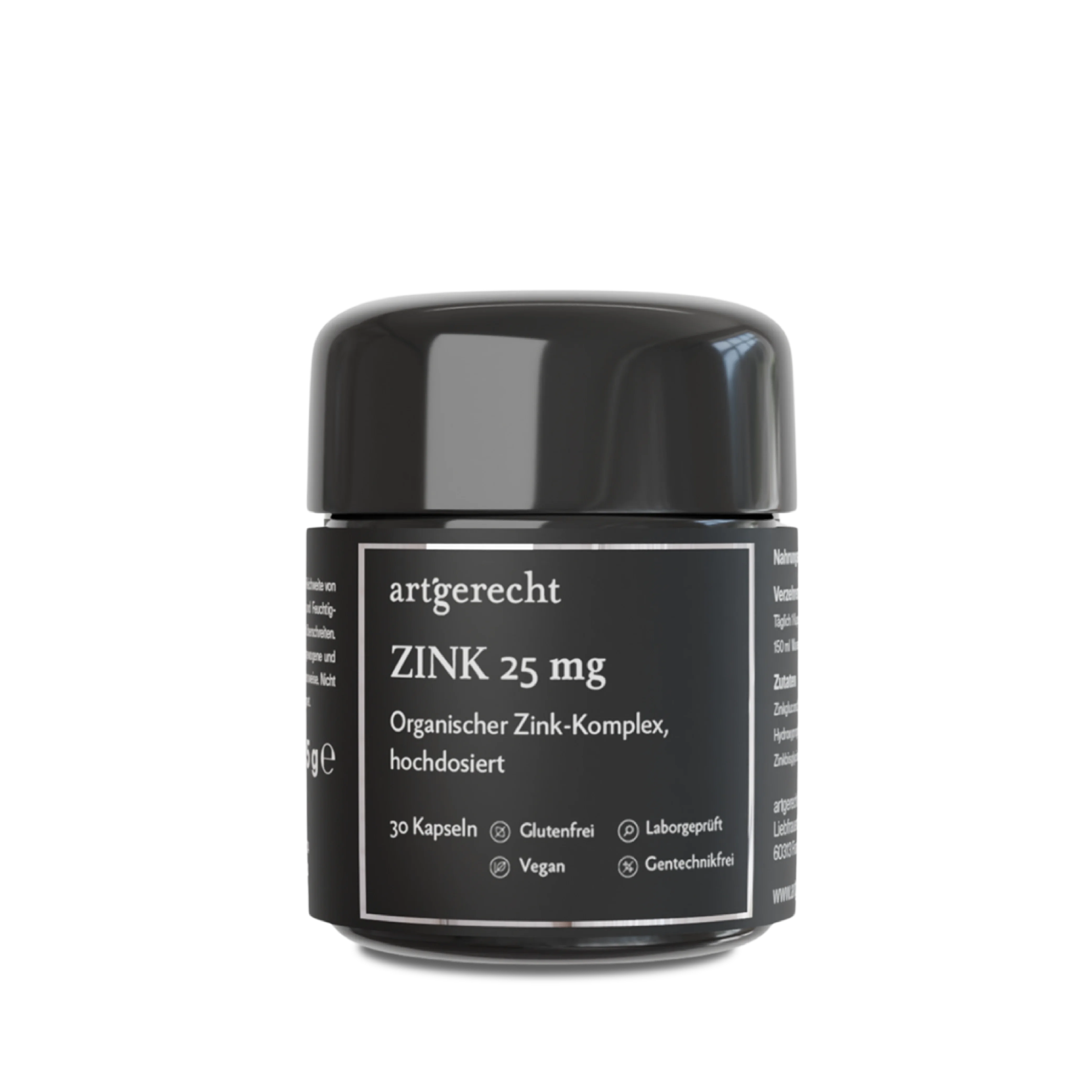
Essential trace element for your health & well-being
High-purity organic zinc compounds for the immune system, skin & hair
Best-selling products

For your universal protection
As one of the most valuable proteins in the body, lactoferrin is a natural component of the immune system.

For your iron balance
Specially formulated for your iron balance with plant-based curry leaf iron, Lactoferrin CLN®, and natural Vitamin C from rose hips.

For Healthy Oral Flora & Dental Care
Formulated lozenges with Dentalac®, probiotic lactic acid bacteria, and Lactoferrin CLN®The latest entries
3 Posts in this encyclopedia categoryScar Tissue
Bulla Drainage
Biorhythm Disorder
Most read entries
3 Posts in this encyclopedia categoryMagnesiumcarbonat
Cologne list
Calorie content
Related search terms: Intestinal inflammation + intestinal inflammation + enteritis